
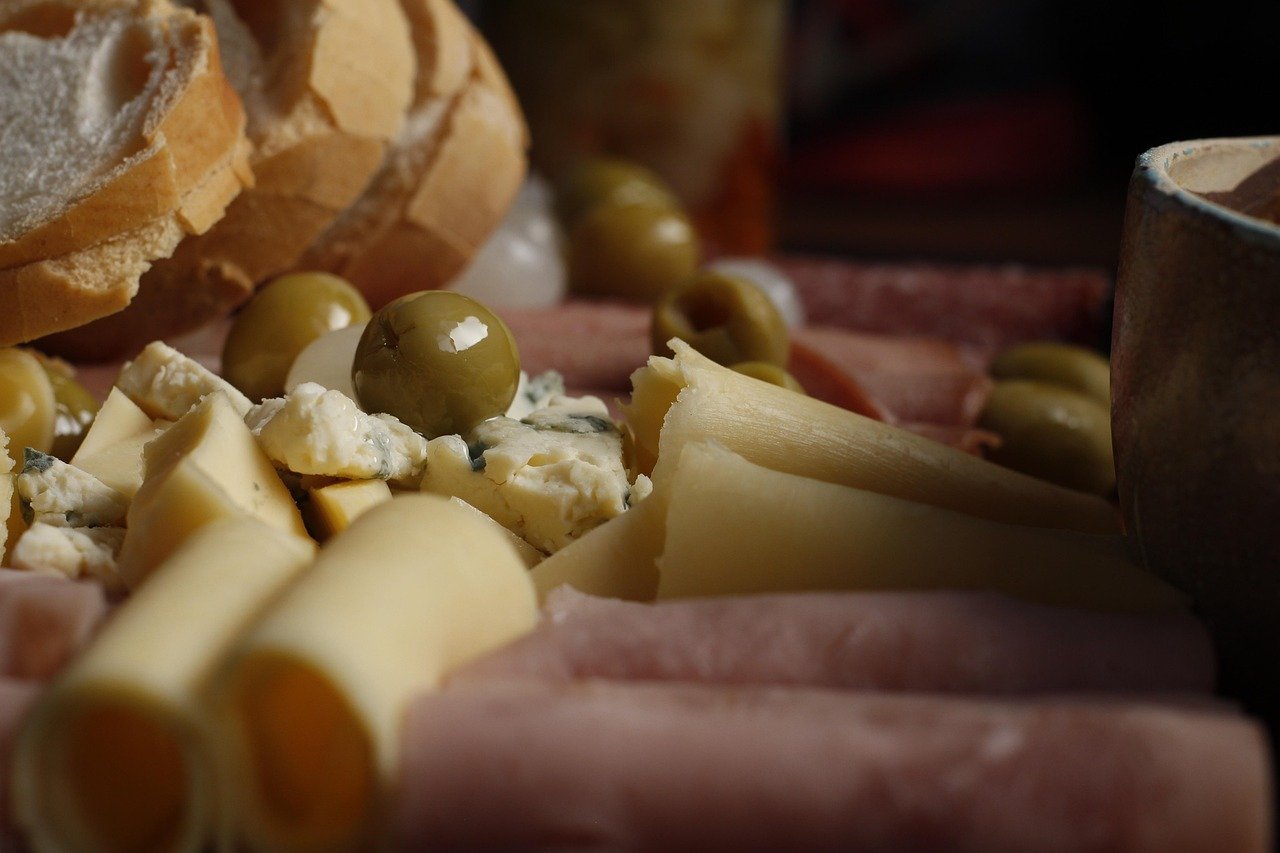
What if the most popular appetizer at the party took twenty minutes to assemble and needed no cooking at all? That is the quiet magic of a charcuterie board. It looks generous and complicated, yet it is mostly shopping, slicing, and arranging. The trick is knowing what to buy, how much of it, and how long it can safely sit out before the ice packs come out.
This guide walks through the whole process in order: choosing a board, picking the components, planning portions, arranging everything so it looks intentional, and handling the food-safety details that most home hosts skip. It also covers the mistakes that make boards look messy or taste flat, plus answers to the questions people ask most.
What a charcuterie board actually is
The word charcuterie comes from the French for “cooked flesh” and traditionally refers to prepared meats such as sausages, pâtés, terrines, and cured hams. On a modern board, those meats share space with cheese, fruit, nuts, pickles, and bread. Purists will point out that a board with only cheese is technically a cheese board, not a charcuterie board, but the line has blurred in everyday use. (Horse racing board game) (Charcuterie)
That is fine. What matters is the balance: something salty, something creamy, something sweet, something crunchy, and something briny. Once a host thinks in those five categories instead of in specific products, building a board becomes much easier and far less expensive.
Start with the right board and tools
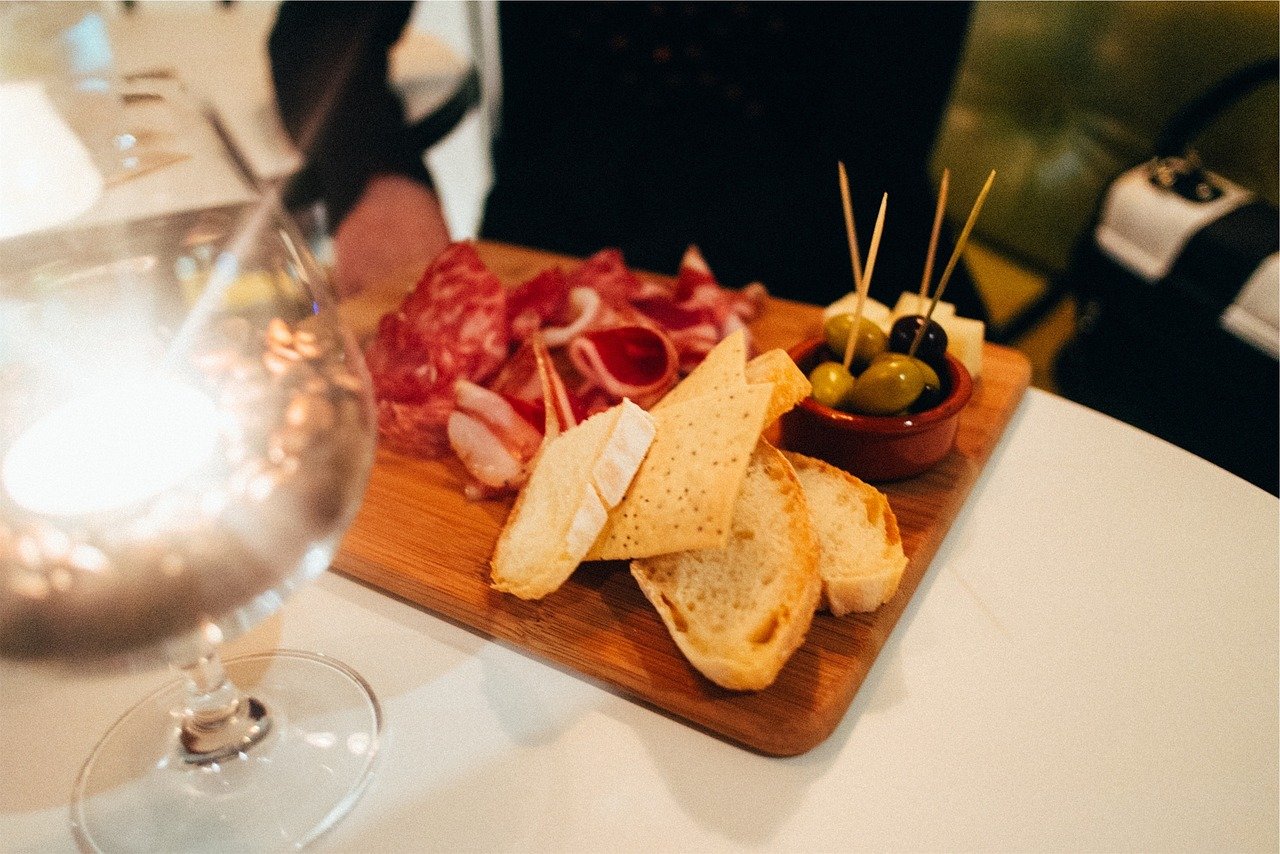
The board itself is the least complicated decision. A large wooden cutting board, a slate tile, a marble slab, or even a rimmed baking sheet lined with parchment all work. The practical requirements are simple: it should be flat, food-safe, and big enough that the food does not crowd. A crowded board reads as stingy; a board with a little breathing room reads as abundant. As a rough guide, plan on a board roughly 18 by 24 inches for a party of ten to twelve. (Rules for backgammon board game) (Safe Minimum Internal Temperature Chart)
Useful tools, none of them essential:
- A thin, sharp knife for firm cheeses and salami.
- A cheese wire or a second knife for soft cheeses, so they do not smear.
- Small bowls for olives, nuts, and preserves.
- A few small forks or toothpicks so guests do not use fingers on shared items.
- Separate serving utensils for meat and cheese, which matters for food safety as much as for tidiness.
One thing that genuinely helps: assemble the board on a surface that can go straight into the fridge if the party runs long, or set out a smaller board and refill it from the kitchen rather than putting everything out at once.
Choose three to five cured meats
Three meats is plenty for a home board; five is generous. Variety in texture and color matters more than variety in brand. A workable combination:
| Type | Example | What it adds |
|---|---|---|
| Dry-cured ham | Prosciutto, serrano, jamón | Delicate, salty, drapes nicely |
| Firm salami | Soppressata, finocchiona | Chewy bite, strong flavor |
| Soft spreadable | ‘Nduja, rillettes, pâté | Something to smear on bread |
| Whole-muscle | Coppa, bresaola | Lean, deep red color |
| Smoked | Speck, smoked duck breast | Smoke and richness |
Slice meats thin. Prosciutto should be almost translucent; salami should be thin enough to fold into a loose rose or a half-moon. Thick slabs sit heavy on the tongue and make the board feel like a sandwich platter.
A note on labels: products marked “uncured” are usually cured with celery-derived nitrates and nitrites and still carry a nitrate or nitrite statement on the package, so “uncured” does not mean nitrite-free. It is a labeling distinction, not a health claim.
Pick cheeses with different textures
Cheese is where boards usually go wrong, and the reason is almost always sameness: three creamy cheeses, or four hard ones. Aim for contrast instead. One soft and bloomy, one blue or washed-rind, one firm aged, one fresh and mild covers nearly every crowd.
Serve firm and aged cheeses slightly cool rather than ice-cold, since flavor opens up as they warm. Soft cheeses, cut fruit, and anything with a high moisture content should stay chilled for longer events. If the board will sit out for hours, nestle soft cheeses on a small tray over an ice pack and swap them out rather than letting them turn warm and weepy.
Add briny, fresh, sweet, and crunchy elements
This is the part that makes a board look alive. It is also the cheapest part.
- Briny: olives, cornichons, pickled onions, caper berries, marinated artichokes.
- Fresh: grapes, sliced pear or apple, figs, cherry tomatoes, radishes, cucumber ribbons.
- Sweet: honey in a small dish, fig jam, quince paste, dried apricots, dark chocolate shards.
- Crunchy: Marcona almonds, walnuts, pistachios, seeded crackers, sliced baguette.
- Something to spread: whole-grain mustard, honeycomb, soft butter.
Two or three items from each group is enough. Fresh herbs, a few edible flowers, or a scatter of pomegranate seeds add color for almost no cost. A small dish of honey with a drizzle over a wedge of blue cheese does more visual work than another whole cheese.
Plan portions so you buy the right amount
Overbuying is the most common beginner mistake. A board that could feed thirty gets built for twelve, and the host ends up eating salami for a week. For an appetizer board, a reasonable rule of thumb is about 2 to 3 ounces of meat and 2 to 3 ounces of cheese per person. If the board is the main event rather than a starter, double those numbers.
For a party of ten, that means roughly 1.5 to 2 pounds of meat and the same of cheese, plus crackers, fruit, and accompaniments. Buying whole pieces of salami and slicing at home usually costs less per ounce than pre-sliced packs and tastes better, because the meat has not dried out in plastic.
Arrange the board so it looks intentional
Arrangement is not about artistic talent. It is about a few repeatable rules.
- Place the anchors first. Put the bowls of olives, honey, and mustard on the board before anything else. They create structure and stop the board from becoming a pile.
- Work in odd numbers and clusters. Three piles of salami, three wedges of cheese, three bunches of grapes. Odd numbers look natural; even numbers look arranged.
- Fold, don’t stack. Drape prosciutto in loose ribbons. Fold salami slices in half and fan them. Stacked flat meat looks like deli counter stock.
- Fill gaps with small items. Nuts, berries, and crackers are gap fillers. Add them last, once the big pieces are placed.
- Leave some space. Negative space makes the food look more plentiful, not less.
- Cut cheese for the guest. Pre-cut wedges, crumble blue cheese, and slice a channel into a wheel of brie so people do not maul it with a knife.
A useful habit is to build from the center outward and rotate the board as you go, so it looks good from every side. Guests approach from all angles, and a board designed for one viewpoint looks sparse from the other three.
Keep it safe: the rules most hosts skip
Charcuterie is mostly ready-to-eat food, which means it does not get a cooking step to bail anyone out. The temperature rules matter.
Perishable items should not sit in the danger zone of 40 to 140 degrees Fahrenheit for more than about two hours, or one hour if the room is above 90 degrees. The USDA Food Safety and Inspection Service explains why that range is the problem in its guidance on the danger zone where bacteria multiply fastest. In practice: set out what will be eaten in the next hour, keep the rest refrigerated, and refresh the board rather than letting it sit all afternoon.
Cross-contamination is the second issue. Use separate utensils for meat and cheese, keep raw items away from ready-to-eat ones, and do not let the same knife that cut a soft cheese go back into the mustard jar. The FDA Food Code is the model that restaurant food-safety practice is built on, and its separation rules apply just as well on a home table.
Third, know the audience. Pregnant people and immunocompromised guests are often advised to avoid or thoroughly heat certain ready-to-eat deli and cured meats because of Listeria risk, and the CDC’s Listeria prevention guidance explains which foods carry higher risk and why. It costs nothing to include a clearly cooked or vegetarian option and to label what is in each dish.
Finally, allergens. Milk, tree nuts, wheat, and sesame all show up on a typical board, and sesame became a required U.S. label allergen in January 2023 under the FASTER Act. The FDA’s food allergy page explains the current major allergens and what labeling requires. For a home party, a small handwritten card listing what is in each bowl solves most of it.
Common mistakes and how to fix them
Everything is the same color. Pale cheese, pale crackers, pale meat. Fix it with dark grapes, red figs, green olives, and orange dried apricots.
Too much of everything. More variety does not read as generosity; it reads as clutter. Three meats, four cheeses, and a handful of accompaniments is a complete board.
Cold, hard cheese straight from the fridge. Firm cheeses taste like almost nothing when they are ice-cold. Pull them out thirty to forty-five minutes ahead.
No plan for what happens after hour two. Put out half the food, keep the rest cold, and replenish. Guests notice fresh food and nobody notices a half-empty board that gets refilled.
Crackers stacked in their box. Empty them into a bowl or fan them across the board. It takes ten seconds and changes the whole look.
Scaling up for a crowd or a theme
For a bigger party, build two or three smaller boards instead of one enormous one. They are easier to move, easier to refresh, and guests can reach them from different spots in the room. Place them at different heights using a stack of books under a cloth, or set one board on a cake stand.
Themes are optional but fun. An Italian board leans on prosciutto, Parmigiano, and focaccia. A Spanish board uses jamón, manchego, and marcona almonds. A breakfast board swaps salami for smoked salmon and adds soft-boiled eggs and pastries. If the crowd includes kids or non-meat eaters, a fruit-and-cheese board alongside the main one solves it, and the same balance rules apply. Anyone planning a games night around the table can borrow the same principle of variety and small portions that makes family game nights work, since a board that is easy to nibble from keeps people at the table longer. (Trello alternatives beginners compare board tools choose one)
Conclusion
A great charcuterie board is not about expensive ingredients or artistic skill. It is about contrast, portion math, and a little discipline about time and temperature. Pick three meats and four cheeses with genuinely different textures, fill in with briny, fresh, sweet, and crunchy items, arrange in loose clusters with room to breathe, and put out only what will be eaten within two hours.
Do that, and the board looks like it took all day when it really took one trip to the shop and twenty minutes at the counter. The rest is just refilling the olives.
Frequently asked questions
How much meat and cheese do I need per person?
For an appetizer board, plan on about 2 to 3 ounces of cured meat and 2 to 3 ounces of cheese per guest. If the board is the main meal, double it. Add roughly 8 to 10 crackers per person and a couple of ounces of fruit and nuts.
Can I build a charcuterie board the night before?
Yes, with care. Slice meats and cut cheese the day before, then store them in separate airtight containers in the fridge. Arrange everything on the board the morning of the event, and add delicate items like fresh herbs, cut fruit, and crackers at the last minute so they do not go soft.
How long can a charcuterie board sit out?
About two hours at room temperature, or one hour if the room is above 90 degrees Fahrenheit. After that, perishable items should go back in the fridge. For longer parties, set out a smaller board and refill it from chilled backups.
What is the difference between a charcuterie board and a cheese board?
A charcuterie board centers on prepared meats, with cheese as a supporting player. A cheese board centers on cheese, with meat as an optional accent. In everyday use the terms overlap, and most hosts build a hybrid of the two.
Do I need special equipment to make one?
No. A large cutting board, a sharp knife, and a few small bowls cover almost everything. A cheese wire and a couple of small forks help, but they are conveniences rather than requirements.
Is charcuterie safe during pregnancy?
Many public-health agencies advise pregnant people to avoid or thoroughly heat certain ready-to-eat deli and cured meats because of Listeria risk. Anyone with concerns should check current guidance and ask their healthcare provider, since recommendations vary by country and have changed over time.



