
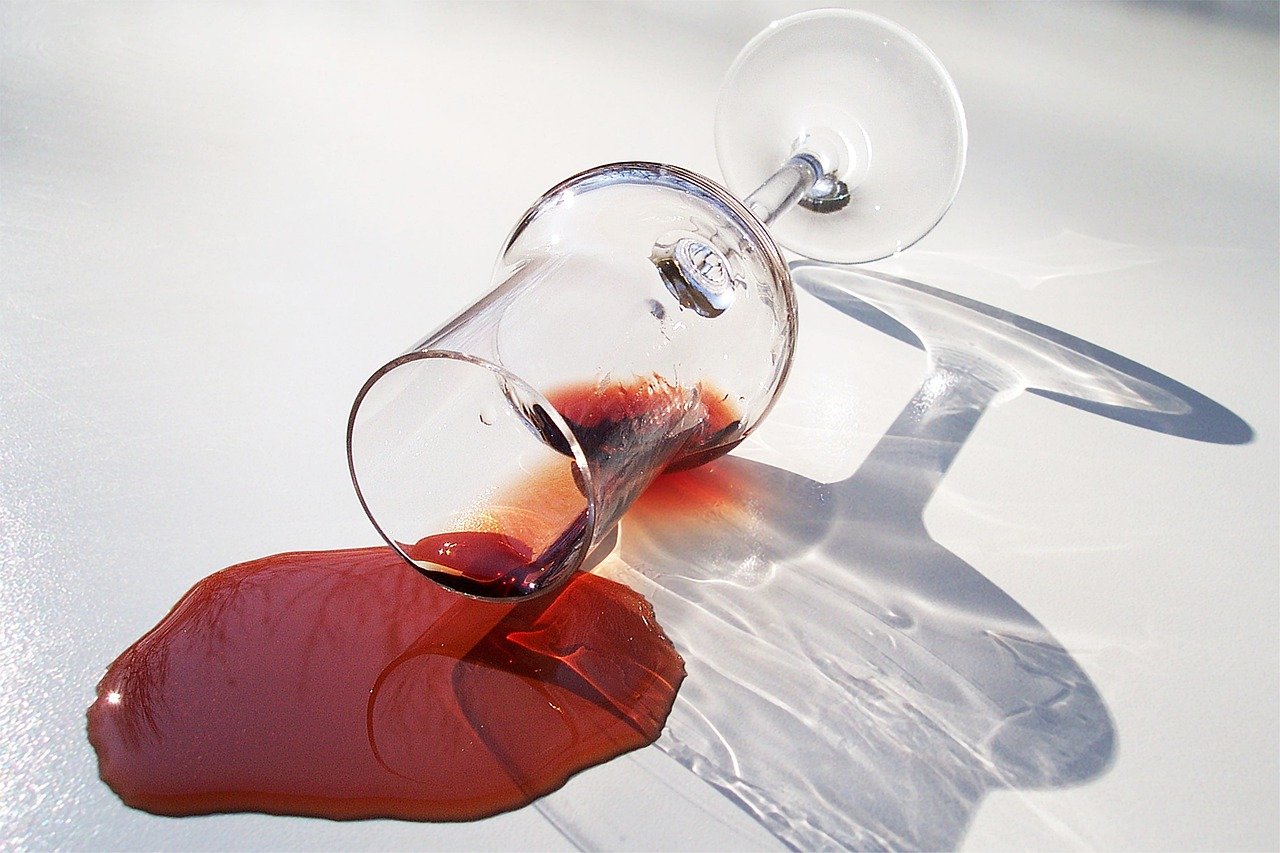
Red wine on a pale sofa or a favourite shirt can feel like a disaster in the making. The good news? Most wine stains come out, and the method matters far more than the panic. A spill that’s treated in the first few minutes with the right technique usually disappears completely. One that’s scrubbed, heated, or ignored often becomes a permanent shadow.
This guide walks through what actually works, what makes stains worse, and how to handle tricky surfaces like wool, silk, and wall-to-wall carpet. It sticks to practical, evidence-based steps rather than old folk remedies.
Why Red Wine Stains Are So Stubborn
Red wine gets its colour from two main pigment groups: tannins and anthocyanins. Tannins come from grape skins, seeds, and stems, and they’re the same compounds that give wine its dry, grippy feel. Anthocyanins are the pigments responsible for the deep red and purple hues. Both bind readily to textile fibres, which is why a fresh splash can look faint at first and then darken as it dries. (Staining: How Substances Bind to and Color Materials)
Two things make these stains worse:
- Heat. Hot water, a hot iron, or a tumble dryer can set the pigments into the fibre.
- Friction. Rubbing pushes pigment deeper and roughens the fibre surface, which creates a dull patch that traps dirt.
Understanding this explains almost every rule below. Cold keeps the stain loose, and blotting lifts it instead of grinding it in.
The First Five Minutes: What to Do Immediately
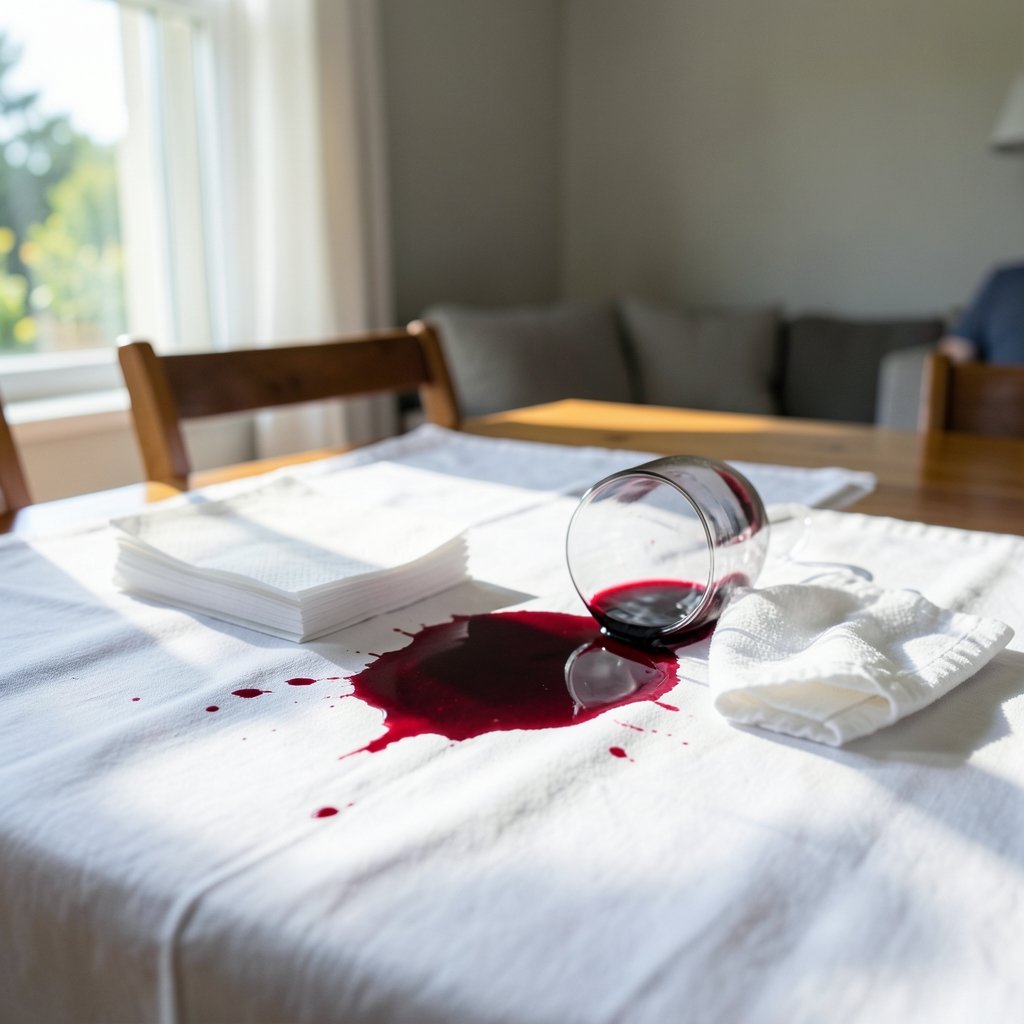
Speed is the single biggest factor in success. Here’s the sequence that works on most washable fabrics.
- Blot, don’t rub. Press a white paper towel or clean white cloth onto the spill. White matters because a coloured cloth can transfer dye. Replace the towel as it absorbs so you’re always pressing with a clean section.
- Work from the outside in. Blotting from the edge of the stain toward the centre stops it from spreading outward.
- Skip the salt shaker. Salt is a popular instinct, but it mostly just sits on top of the fabric. It can help absorb a little surface liquid on carpet, but it doesn’t remove pigment, and vacuuming it up later can be a hassle.
- Don’t add white wine. This is one of the most persistent myths. The theory is that dilution and alcohol neutralise the red, but there’s no solid evidence it beats plain water, and you’re adding a second stain to the first. Water does the same dilution job with none of the downside.
If you’re dealing with a spill on a device rather than a sofa, the recovery logic is different but the “act fast, don’t make it worse” principle holds. The same goes for other cleanup jobs around the house, like learning how to remove coffee oil from a coffee maker without ruining it before the residue bakes on.
Cold Water and Dish Soap: The Workhorse Method
For washable cottons, linens, and most synthetics, the most reliable home treatment is simple.
Step-by-step
- Flush with cold water. Hold the stained area under a cold tap, letting water run through the fabric from the back if possible. This pushes pigment out rather than deeper in.
- Mix a mild soap and water. Add a few drops of gentle liquid dish soap to a cup of cool water. You want suds, not a thick paste.
- Apply and wait. Dab the soapy water onto the stain with a clean cloth and let it sit for five to ten minutes.
- Blot again. Press with a dry white towel. Repeat the soap-and-blot cycle until no more colour transfers.
- Launder as normal. Wash according to the care label, then air-dry.
That last point is critical. Never put a stained item in the dryer until you’re sure the stain is gone. Dryer heat sets whatever remains, and a stain that looked faint when wet can become permanent after twenty minutes of tumbling.
What About Oxygen Bleach?
For colourfast washables, an oxygen-based cleaner (often sold as “Oxi” powder, with sodium percarbonate as the active ingredient) is a strong next step when dish soap isn’t enough. It releases oxygen bubbles that break down pigment without the aggressive action of chlorine bleach.
A few practical rules:
- Check colourfastness first. Test on a hidden seam or inside hem.
- Follow the label temperature. Here’s a nuance worth knowing: many oxygen and enzyme products work best in warm or hot water because that’s what activates them. That seems to contradict the cold-water rule, but the two apply at different stages. Cold water is for the initial flush and rinse. Once you’re doing a full soak with a product designed for it, follow that product’s instructions.
- Never use chlorine bleach on wool, silk, or many synthetics. It can yellow or dissolve the fibres outright.
Matching the Method to the Material
Different fibres tolerate very different treatments. Using the wrong one is how a small stain becomes a ruined garment.
| Material | Best first move | Avoid | Notes |
|---|---|---|---|
| Cotton and linen | Cold flush, dish soap, then oxygen soak | Hot water, chlorine bleach on colours | Most forgiving; usually lifts fully |
| Polyester and blends | Cold flush, dish soap, blot | High heat, vigorous rubbing | Pigment can cling; may need two cycles |
| Wool | Blot only, then professional clean | Agitation, hot water, chlorine bleach | Felts easily; test anything first |
| Silk | Blot, then professional clean | Water spotting, rubbing, heat | Water alone can leave rings |
| Leather and suede | Blot, then specialist cleaner | Household soaps, soaking | Water can stain or stiffen |
| Carpet and upholstery | Blot, then foam cleaner made for the fibre | Over-wetting, scrubbing | Wet padding breeds mildew |
For anything marked dry-clean only, the safest path is to blot up what you can and hand it to a professional promptly. Tell them it’s a wine stain and how long it’s been there. Dry cleaners use solvents that home washing can’t replicate, and they can often save items that look hopeless.
Carpet and Upholstery: The Over-Wetting Trap
Carpet spills are where well-meaning people do the most damage. The instinct is to pour on cleaner and scrub hard. That drives liquid into the backing and padding, where it can wick back up as a ring or, worse, create a damp spot that grows mildew.
A better approach:
- Blot up as much liquid as possible with folded white towels, standing on them to apply pressure.
- Apply a small amount of carpet-safe cleaner to a cloth, not directly to the carpet, and dab it in.
- Blot dry thoroughly, then place a dry towel weighted down over the area and leave it for a few hours to pull remaining moisture up.
- Vacuum once fully dry to restore the pile.
If a ring appears after drying, it’s usually wicking from deeper down. Repeat the blot-and-dry process rather than adding more liquid.
When the Stain Is Already Dry
Old stains are harder, but not always hopeless. Dried wine pigment sits deeper in the fibre and may have oxidised to a brownish or greyish tone. Re-wetting with cold water and repeating the dish-soap method can still work, sometimes over several cycles. Oxygen soaks help more here, and patience matters more than force.
Set realistic expectations: a stain that’s been through a hot wash and a dryer may never come out fully at home. Professional cleaning is the honest next step, and even then success isn’t guaranteed.
Common Mistakes That Make It Worse
Even careful people fall into the same traps. Watch for these:
- Rubbing instead of blotting. The most common error by far.
- Using hot water on the first rinse. It sets pigment fast.
- Reaching for white wine or salt. Folk remedies that add problems.
- Drying before checking. Always inspect while the fabric is still damp.
- Skipping the patch test. A treatment that’s fine on cotton can wreck silk.
- Letting a spill sit “to deal with later.” Minutes matter.
The same discipline of acting quickly and using the right product for the material applies across household cleanup tasks. If you’re cleaning up digital messes too, the approach is similar: identify the problem, use the right tool, and don’t make it worse by guessing. That’s the thinking behind a proper remove malware from android step by step recovery plan, and it applies to removing bloatware from windows 11 without breaking your pc as well. (EPA Safer Choice: Understanding Cleaning Product Ingredients)
A Quick Word on Wine Stain “Hacks” You Can Ignore
The internet is full of confident claims. A few to treat with scepticism:
- Hairspray. A holdover from when hairspray contained high alcohol levels. Modern formulas vary wildly, and the sticky residue can attract dirt.
- Toothpaste. Abrasive and often whitening, which can bleach colour out of fabric.
- Boiling water. Sets the stain instantly.
- Vinegar on red wine. Acid can help with some stains, but on anthocyanin pigments it can shift colour unpredictably. Test first if you try it at all.
None of these beat cold water, mild soap, and patience.
FAQ
How long do I have before a wine stain sets?
Fresh spills are easiest to lift within the first few minutes, and most of the stain can be removed within the first hour with cold water and blotting. After that, pigment starts binding to the fibres, and once the fabric dries or is heated, removal becomes much harder. Treat it immediately if you can.
Does white wine really remove red wine stains?
No reliable evidence supports it. The idea is that dilution and alcohol help lift the red pigment, but plain cold water dilutes just as effectively without adding a second stain. White wine can leave its own mark, especially on light fabrics, so it’s best skipped.
Can I use bleach on a red wine stain?
Chlorine bleach is risky. It can yellow wool and silk, damage many synthetics, and strip dye from coloured fabrics. Oxygen-based bleach (sodium percarbonate) is far safer for colourfast washables. Always test on a hidden area and follow the product label.
What if the wine stain is on a dry-clean-only garment?
Blot up as much liquid as you can with a white cloth, avoid rubbing, and take it to a professional cleaner as soon as possible. Tell them what caused the stain and how old it is. Home washing can distort or shrink delicate fabrics, and a professional has solvents that work where water can’t.
Why did my stain come back after washing?
This is called wicking. Pigment or cleaning residue that sank into padding or the back of the fabric draws back to the surface as it dries. It’s common on carpet and upholstery. Re-wet the area lightly, blot, and dry it slowly under a weighted towel rather than adding more cleaner.
Is hot water ever the right choice for wine stains?
Only at the product stage, not the first rinse. Some oxygen and enzyme cleaners need warm or hot water to activate. The initial flush should always be cold, because heat at that stage sets the pigment. Follow the label once you move to a formulated soak.
Conclusion
Removing a wine stain comes down to a handful of principles: act fast, blot instead of rub, start cold, and match the treatment to the fibre. Dish soap and cold water handle most washable fabrics. Oxygen cleaners tackle the tougher cases. Wool, silk, leather, and dry-clean-only items are best handed to a professional after a gentle blot.
The biggest mistake isn’t choosing the wrong cleaner. It’s doing too much too hard, or waiting until the stain has dried and been heated. Treat the spill in the first few minutes, check the fabric before drying, and be patient with older marks. Most wine stains are far less permanent than they look in the moment.



