
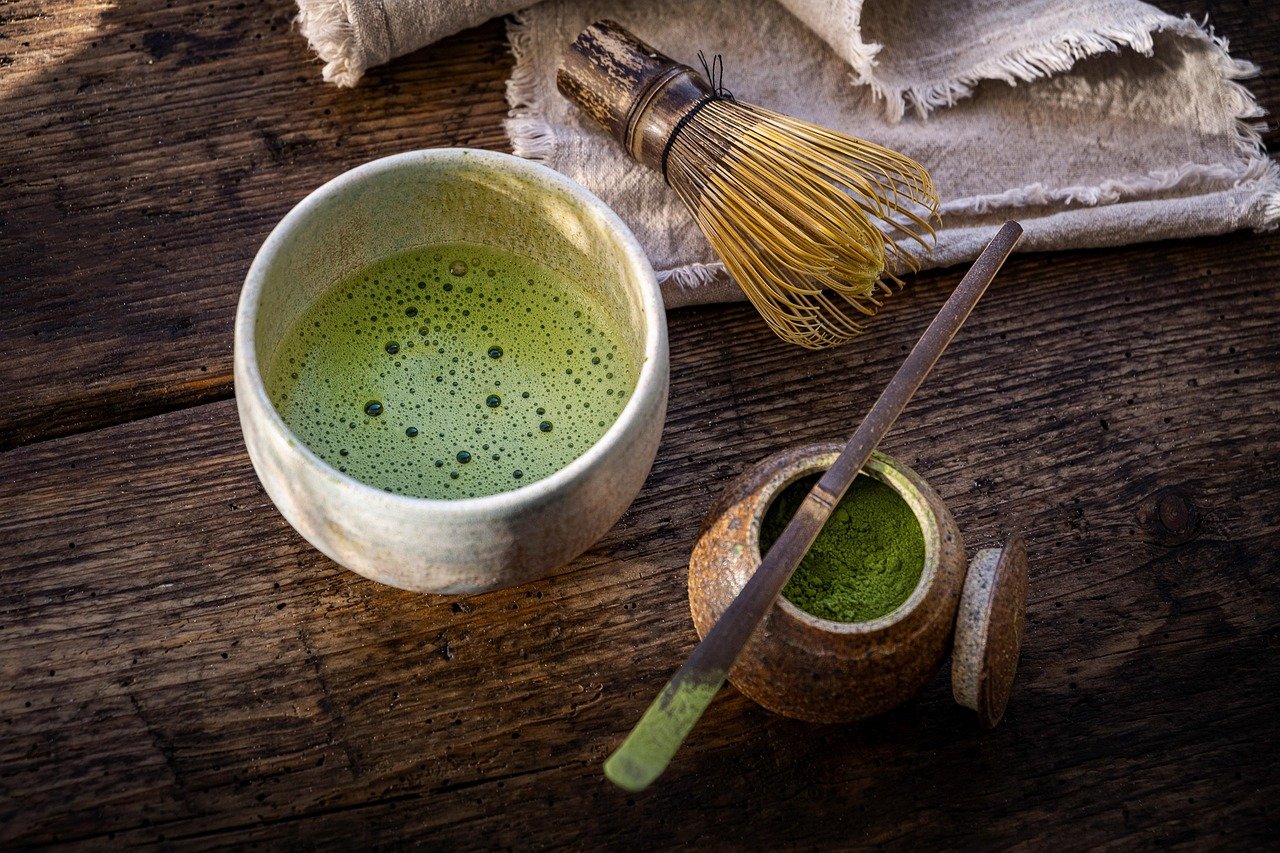
Why does iced matcha so often go wrong? One minute you’re picturing a café drink with a vivid green swirl; the next you’re sipping a lukewarm, bitter cup with gritty powder stuck to your teeth. The gap between the two isn’t talent or expensive equipment. It’s a handful of small technique decisions, most of which happen before the ice ever enters the glass.
This guide walks through the whole process: choosing powder, whisking it into a proper concentrate, building the drink over ice, and fixing the problems that show up along the way. It also covers what to do when you want a latte, a dairy-free version, or a batch for several people at once.
What Iced Matcha Actually Is
Matcha is powdered green tea, not a tea bag you steep and pull out. The leaves are shaded before harvest, steamed, dried, and ground into a fine powder. Shading matters because it raises chlorophyll and theanine while lowering catechins, which is part of why matcha tastes less harshly bitter than many other green teas. For background on how tea processing works in general, the Encyclopaedia Britannica entry on tea covers the steaming and drying stages that lead to powdered styles.
Because the powder is suspended in liquid and drunk whole, you’re consuming the entire leaf. That single fact explains most of the technique that follows. There’s no filter to catch mistakes, so how you mix the powder determines how the drink tastes.
Step One: Pick the Right Grade

Walk into a shop and you’ll see ceremonial and culinary grades. These are trade and marketing terms, not a regulated classification, so they describe intended use and rough quality rather than a legal standard. That’s worth knowing before you pay a premium for a label.
| Grade | Typical use | What to expect |
|---|---|---|
| Ceremonial | Drinking with water, light lattes | Smoother, sweeter, less astringent |
| Culinary | Baking, smoothies, heavy sweet drinks | Bolder and more bitter, cheaper per gram |
For a plain iced matcha with water, ceremonial grade earns its price. For a latte with milk and syrup, culinary grade holds up fine because the dairy and sweetness round off the edges. Buying ceremonial powder for a heavily sweetened drink is a common way to waste money.
One practical tip: fresh matters more than grade. Matcha fades in flavor and color within weeks of opening. Store it sealed, cool, and away from light, and use it within a couple of months. A dull olive-green powder will make a dull olive-green drink no matter how carefully you whisk.
Step Two: Sift the Powder
This is the step most people skip, and it’s the one that fixes the gritty texture. Matcha clumps easily, and clumps don’t dissolve in cold liquid. They sit at the bottom or stick to the ice.
Put the powder through a small fine-mesh strainer before it touches water. It takes about ten seconds and changes the result noticeably. If you don’t own a strainer, a quick whisk of the dry powder with a fork helps a little, but sifting is better.
Step Three: Whisk a Hot Concentrate
Here’s the key idea behind good iced matcha: you don’t brew it in cold water. Cold water doesn’t wet the powder properly, so you get a weak, clumpy drink. Instead, whisk a small amount of hot water with the matcha first, then chill it with ice. (What is feature sliced design in software development) (Matcha)
Use roughly 60 to 80 °C water, not boiling. Very hot water tends to pull out more bitterness, and most guides recommend staying below a boil. The exact threshold is debated and not standardized, so treat any specific temperature as common practice rather than a rule.
The method:
- Sift 1 to 2 grams of matcha (about half to one teaspoon) into a bowl or wide cup.
- Add about 60 ml of hot water.
- Whisk briskly in a zigzag or W motion until the mixture is smooth and slightly frothy, roughly 20 to 30 seconds.
- Taste the concentrate. If it’s harsh, your water was likely too hot or your powder is culinary grade.
A bamboo whisk works well, but a small electric frother or a jar with a tight lid also does the job. The goal is a lump-free concentrate, not a perfect foam.
Step Four: Build the Drink Over Ice
Now the fun part. Fill a tall glass with ice and pour the concentrate over it. Add cold water for a plain iced matcha, or cold milk for a latte. Stir once.
Ratios vary widely between sources, and no authoritative standard exists, so adjust to taste. A reasonable starting point for a plain iced matcha is one teaspoon of powder to about 150 to 200 ml of total liquid. For a latte, use less water in the concentrate and more milk.
Two practical notes. First, use plenty of ice. A half-filled glass melts fast and leaves you with a diluted, lukewarm drink. Second, if you want a layered look with milk on the bottom, pour slowly and skip the stir until the photo is taken.
Making a Proper Iced Matcha Latte
An iced matcha latte is the same process with milk swapped in for most of the water. Sweetener is optional and not part of traditional preparation, but it’s common in café versions. If you’re watching sugar intake, general guidance on eating a healthy, balanced diet from the NHS explains how sugary drinks fit into an overall diet and where to cut back.
A workable café-style build:
- Whisk 2 grams of matcha with 60 ml of hot water.
- Fill a glass with ice.
- Pour in 150 to 200 ml of cold milk.
- Add sweetener to the milk and stir before adding the matcha if you want a clean layer.
- Pour the concentrate over the top.
For dairy-free versions, oat milk gives the creamiest result and doesn’t overpower the tea. Almond milk is thinner and lets more matcha flavor through. Coconut milk drinks taste distinctly of coconut, which some people love and others don’t.
Common Mistakes and How to Fix Them
Most failed iced matcha comes down to a short list of errors. Here’s what actually goes wrong in practice.
Bitter and harsh. Water was too hot, or the powder is culinary grade used in a plain drink. Drop the water temperature and try a smoother grade.
Gritty or clumpy. The powder wasn’t sifted, or it was mixed into cold liquid. Sift first and always start with hot water.
Weak and watery. Too much ice, too little powder, or a concentrate made with too much water. Measure the powder and keep the concentrate small.
Lukewarm. Not enough ice, or a glass that sat out. Chill the glass and use more ice than feels necessary.
Dull color. Old powder. Fresh matcha is bright; faded powder is a sign of age or poor storage.
There’s a useful parallel in other match-the-tool-to-the-job decisions: getting the result you want usually comes down to choosing the right setup before you start rather than fixing it afterward. The same logic applies to picking a machine for dust or damp, as this comparison of an air purifier versus a dehumidifier shows. With matcha, the “setup” is grade, freshness, and water temperature. (Notion alternatives beginners match simpler tools your)
Caffeine, Sweetener, and What’s Actually in the Cup
Matcha contains caffeine, but published values differ depending on the source and on whether the powder is measured dry or prepared. Rather than quoting a single figure, check a specific database entry and note its date. The USDA FoodData Central database lets you look up matcha records and see the nutrient values attached to each one.
That variance matters if you’re sensitive to caffeine or replacing coffee. A single teaspoon of powder contains less leaf material than it looks, but the range across brands is real. Start with one teaspoon and adjust.
On sweetener: simple syrup blends more evenly than granulated sugar in a cold drink. Honey works but clumps in ice-cold liquid, so stir it into the warm concentrate instead. Vanilla extract added to the milk gives a café-style flavor without much sugar.
Scaling Up for a Crowd
Making iced matcha for four people doesn’t mean whisking four separate bowls. Whisk a larger batch of concentrate, then pour it into glasses over ice and top each with cold liquid. Keep the concentrate in a small jug and stir it right before pouring, since powder settles.
If you’re prepping ahead, keep the concentrate covered in the fridge and use it the same day. For any perishable drink made with milk, follow general cold-storage guidance; the FDA’s guidance on storing food safely covers refrigerator temperatures and how long perishable items keep. Label the jug with the time you made it so nobody has to guess.
One more scaling tip: don’t multiply the hot water along with everything else. A batch concentrate for four drinks needs only slightly more hot water than a single serving, because you’re wetting the powder, not brewing a large pot of tea. Add the extra volume as cold water or milk at serving time.
Equipment: What You Need and What You Don’t
You can make excellent iced matcha with a bowl, a strainer, and a whisk. Everything else is convenience.
| Item | Needed? | Notes |
|---|---|---|
| Fine-mesh strainer | Yes | Prevents clumps; cheap and small |
| Whisk or frother | Yes | Bamboo whisk, electric frother, or a lidded jar |
| Digital scale | Helpful | Makes consistent servings; a teaspoon works too |
| Matcha bowl | Optional | A wide mug does the same job |
| Cocktail shaker | Optional | Good for frothy, well-chilled drinks |
If you like building drinks with a bit of ceremony, the same instinct shows up in home media setups, where small settings changes make a visible difference. This explanation of Apple TV match frame rate settings is a good example of a tiny toggle with an outsized effect. Matcha is similar: the sifting step feels trivial and changes everything. (Air purifier vs dehumidifier match machine dust damp or both)
Conclusion
Great iced matcha isn’t complicated, but it is specific. Sift the powder, whisk it with water that’s hot but not boiling, and build the drink over plenty of ice. Choose ceremonial grade for plain drinks and culinary grade when milk and sweetener are doing heavy lifting. Store the powder fresh and use it within weeks.
Get those basics right and the drink turns out bright, smooth, and consistently good, whether you’re making one glass on a hot afternoon or a jug for friends. The technique is short enough to memorize after two tries, and the results are far better than most people expect from a home kitchen.
Frequently Asked Questions
Can you make iced matcha with cold water?
You can, but the result is usually weak and clumpy. Cold water doesn’t wet the powder properly, so it clumps and settles instead of dispersing. Whisking a small amount of hot water into the matcha first, then adding ice and cold liquid, gives a smoother drink with better flavor.
What’s the best water temperature for matcha?
Roughly 60 to 80 °C is the usual recommendation, well below boiling. Water that’s too hot tends to pull out bitterness. The exact ideal temperature is debated and not standardized, so experiment within that range and adjust to your powder.
Is ceremonial or culinary matcha better for an iced latte?
Culinary grade is usually the better value for a latte, because milk and sweetener mask much of the bitterness. Ceremonial grade shines in a plain iced matcha with water, where there’s nothing to hide behind. Either way, freshness matters more than the label.
How much matcha should I use per drink?
About one teaspoon, or 1 to 2 grams, per serving is a common starting point. For a latte, lean toward 2 grams since milk dilutes the flavor. Ratios vary widely between sources, so adjust based on how strong you like the drink.
Why does my iced matcha taste bitter?
The most common causes are water that’s too hot, culinary-grade powder used in an unsweetened drink, or too much powder for the amount of liquid. Try cooler water, sift the powder, and reduce the amount slightly before blaming the tea itself.
Can I make iced matcha ahead of time?
You can whisk the concentrate ahead and keep it covered in the refrigerator, but use it the same day for the best flavor and color. Once milk is added, treat the drink as perishable and follow standard cold-storage guidance for time and temperature.



