
What if the matcha you just paid seven dollars for is mostly sugar, milk, and disappointment? That’s the gamble behind a “matcha near me” search. The map shows a dozen pins, every photo looks gorgeous, and yet the drink in your hand can taste like sweet grass clippings or, worse, nothing at all. Finding genuinely good matcha nearby takes a little know-how, and that know-how is exactly what this guide hands you.
What “Matcha Near Me” Actually Means in Practice
When people search for matcha nearby, they usually want one of three things: a café that makes a proper matcha latte, a shop that sells matcha powder to take home, or a grocery store that stocks ready-to-drink bottles and baking-grade tins. These are very different errands, and mixing them up is the first mistake.
A café with a great latte may sell mediocre powder. A Japanese grocery with excellent ceremonial-grade tins may not make drinks at all. Decide which errand you’re on before you open a map app, then search with words that match: “matcha latte near me,” “Japanese grocery near me,” or “tea shop near me.”
One more thing worth knowing up front: matcha is shade-grown green tea ground into powder. The tea plants are covered for roughly 20 to 30 days before harvest, then the leaves are steamed, dried, and stone-ground. The shading boosts chlorophyll and theanine, which is why real matcha looks neon-bright and tastes savory rather than harsh. If a drink is dull olive-brown, the powder behind it was probably old or low grade.
Ceremonial vs. Culinary: The Label That Changes Everything
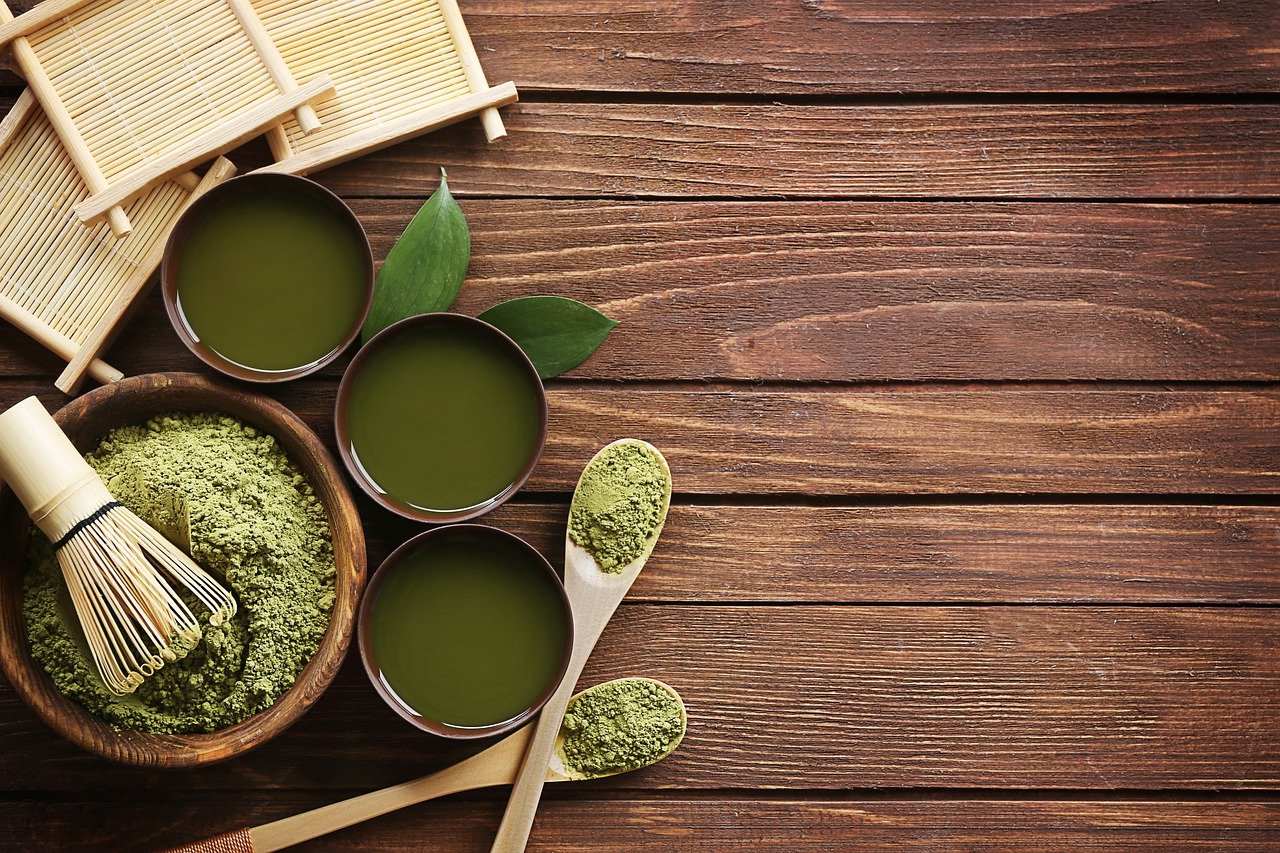
Walk into any matcha seller and you’ll see two words everywhere: ceremonial and culinary. Here’s the honest truth about them. Neither is a regulated legal grade. They’re industry and marketing terms, and definitions vary from seller to seller. Still, they signal real differences.
| Feature | Ceremonial grade | Culinary grade |
|---|---|---|
| Leaf material | Younger leaves, stems and veins removed | Later harvests, often includes more stem and vein |
| Flavor | Sweet, savory, low bitterness | Stronger, more astringent, sometimes bitter |
| Color | Bright, vivid green | Yellow-green to olive |
| Best use | Whisked tea (usucha, koicha) | Lattes, baking, ice cream, smoothies |
| Typical price | Higher | Lower |
A café that whisks ceremonial matcha into a milk drink is being generous with its margins. A café using culinary grade in a latte is doing exactly what that grade is for. The problem is when a shop charges ceremonial prices while quietly scooping culinary powder. Asking “which grade do you use?” is a completely normal question, and good shops answer it without flinching.
How to Vet a Café Before You Go
You can learn a lot before you ever leave the house. Reviews with photos are your best friend, but read them for details, not stars. Look for mentions of the matcha being “bitter,” “chalky,” or “too sweet,” and treat those as warning lights. A drink that tastes sweet with no milk is a red flag; so is a latte that needs three syrups to be drinkable.
At the counter, watch for a few practical signals:
- Ask the origin. Nishio in Aichi, Uji in Kyoto, and Yame in Fukuoka are Japan’s best-known matcha regions. Uji is the most internationally recognized name, and a shop that can name its source is usually proud of it.
- Check the color. Bright, opaque green suggests fresher, better powder. Dull or brownish means oxidation or low grade.
- Watch the whisk. Traditional preparation uses a bamboo whisk, and the powder is sifted first to avoid clumps. A drink with dry powder lumps on top was rushed.
- Ask about sweetener. Good matcha doesn’t need much. If the default latte is heavily sweetened, ask for it unsweetened and judge from there.
- Look at the powder itself. If the shop sells tins, check for a harvest date rather than only a best-by date. Matcha fades fast.
This is the same logic you’d apply to any specialty food search, whether you’re hunting down the best Thai food near me or tracking down the best empanada de jamon y queso near me. The pattern is always the same: specific menus, named sources, and staff who know their product beat pretty photos every time.
Buying Matcha Powder to Take Home
Buying powder is where most people overspend or underbuy. The single most common mistake is grabbing a big cheap bag of culinary matcha, whisking it into hot water, and concluding that matcha tastes bad. Culinary grade is built for milk and sugar. If you want to drink it plain, buy ceremonial.
A second common mistake is buying more than you can use. Matcha is not like loose-leaf tea that survives a year in the cupboard. It oxidizes with light, heat, and air, losing color and flavor within weeks of opening. Buy small tins, keep them sealed in a cool dark place, and consider storing the tin in the fridge once opened. Let it come to room temperature before opening so condensation doesn’t get inside.
When you shop, read the label for three things: origin, grade, and harvest date. A tin that lists all three is usually from a seller who cares. A tin that lists none is a lottery ticket. Japanese grocery stores are often the best-value source for decent powder, while specialty tea retailers tend to offer more detail and fresher stock.
If you’re also stocking up on other pantry items on the same trip, it helps to plan the route. The same way people scope out the best thrift stores near me before a weekend browse, it pays to check store hours and stock online before driving across town for a tin that sold out last week.
The Health Claims, Handled Honestly
Matcha gets marketed as a superfood with near-magical powers. The reality is more modest and more interesting. Because you consume the whole leaf, matcha delivers more catechins and caffeine per gram than steeped green tea. The most discussed catechin is EGCG. That’s a real compound, and it’s genuinely studied.
But there’s a catch worth knowing. Much of the alarming research on green tea and liver injury involves concentrated green tea extract supplements, not brewed matcha. The European Food Safety Authority reviewed green tea catechins and published an opinion on intake levels and liver safety that’s worth reading if you take supplements. A normal cup of whisked matcha is a different product from a high-dose capsule, and conflating the two is a common error in wellness content.
Caffeine is the other variable. Matcha contains caffeine because the whole leaf is consumed, but the amount per cup varies widely by grade, scoop size, and preparation. No single universal number exists. If you’re sensitive to caffeine, start with a small serving and see how you feel rather than trusting a menu’s vague claim.
There’s also a contaminant angle. Because the whole leaf is consumed, tea testing programs do check matcha and other teas for lead and other metals, and levels vary by origin and batch. This isn’t a reason to panic. It’s a reason to buy from sellers who publish testing information and to avoid treating matcha as a substitute for water.
What to Order Once You’re There
If the café offers traditional preparation, you’ll see two terms: usucha (thin tea) and koicha (thick tea). Usucha is whisked with more water and is the everyday version. Koicha uses far more powder and less water, producing a syrupy, intense drink that’s traditionally shared. It’s not for beginners, and it’s not cheap. Order usucha first.
For lattes, ask what milk they use. Oat milk is popular but can mask matcha’s flavor; whole milk carries it better. Ask for the sweetener on the side so you can taste the tea first. And if the menu offers a “matcha lemonade” or “matcha soda,” understand that you’re drinking a flavored beverage, not evaluating the matcha. (Matcha)
If you’re comparing a few spots in one afternoon, keep the order consistent: same drink, same size, same milk. Otherwise you’re comparing sugar levels, not tea quality.
Common Mistakes That Ruin the Search
The biggest mistake is trusting the map pin over the menu. Listings and hours change constantly, and a shop that closed last month can still show up as open. Call ahead or check the shop’s own recent posts before making a trip.
The second mistake is assuming all “matcha” drinks contain real matcha. Some commercial powders are mostly sugar with a little tea dust. Ask to see the tin or the package. A shop with nothing to hide will show you.
The third mistake is judging by price alone in either direction. Expensive doesn’t guarantee fresh, and cheap doesn’t guarantee bad, especially at Japanese groceries selling culinary grade for baking.
Finally, don’t overlook the obvious: sometimes the best matcha nearby isn’t a café at all. It’s your own kitchen, with a decent tin, a bamboo whisk, and a bowl. A $25 tin of ceremonial matcha makes roughly 20 to 30 small bowls of usucha, which is often cheaper per serving than a café latte. Learning to whisk takes about ten minutes of practice.
Conclusion
A “matcha near me” search is really a test of discernment. The map gives you options; knowledge tells you which ones are worth your money. Know whether you want a drink or a tin, ask about grade and origin, watch the color and the whisk, and treat ceremonial and culinary as tools for different jobs rather than a ranking of virtue. Buy small, store it cool and dark, and taste before you sweeten. Do that, and the next seven-dollar cup you buy will actually be worth it.
Frequently Asked Questions
What does “matcha near me” usually find?
It mostly surfaces three types of places: cafés that serve matcha lattes, specialty tea shops that sell powder, and Japanese or Asian grocery stores that stock tins and ready-to-drink bottles. Decide which one you need first, then search with a more specific phrase like “matcha powder near me” or “Japanese grocery near me.”
Is ceremonial grade matcha actually regulated?
No. Ceremonial and culinary are industry and marketing terms, not legal standards, so definitions vary by seller. In general, ceremonial implies younger leaves with stems and veins removed and a sweeter, less bitter flavor, while culinary implies later harvests meant for lattes and baking. Ask the shop directly rather than trusting the word alone.
How can I tell if a café uses good matcha?
Look for bright, opaque green color, a smooth texture without dry clumps, and a flavor that’s savory and only mildly bitter. Ask which grade and origin they use. Shops that can name a region such as Uji, Nishio, or Yame and a grade are usually more reliable than ones that can’t answer.
Does matcha have more caffeine than coffee?
It varies too much to give one number. Matcha contains caffeine because the whole leaf is consumed, but the amount per cup depends on grade, how much powder is used, and how it’s prepared. A small bowl of usucha is generally moderate, while a large latte with a heavy scoop can add up. Start small if you’re sensitive.
Is matcha safe to drink every day?
For most people, brewed matcha in normal amounts is fine. The liver-safety concerns reported in the research involve concentrated green tea extract supplements at high doses, not typical whisked tea. If you take green tea supplements or have liver concerns, talk to a health professional.
How should I store matcha at home?
Keep it sealed, cool, and dark. Matcha oxidizes quickly when exposed to light, heat, and air, losing its bright color and fresh flavor within weeks of opening. Buy small tins rather than large bags, and if you refrigerate an opened tin, let it reach room temperature before opening to avoid condensation.



