
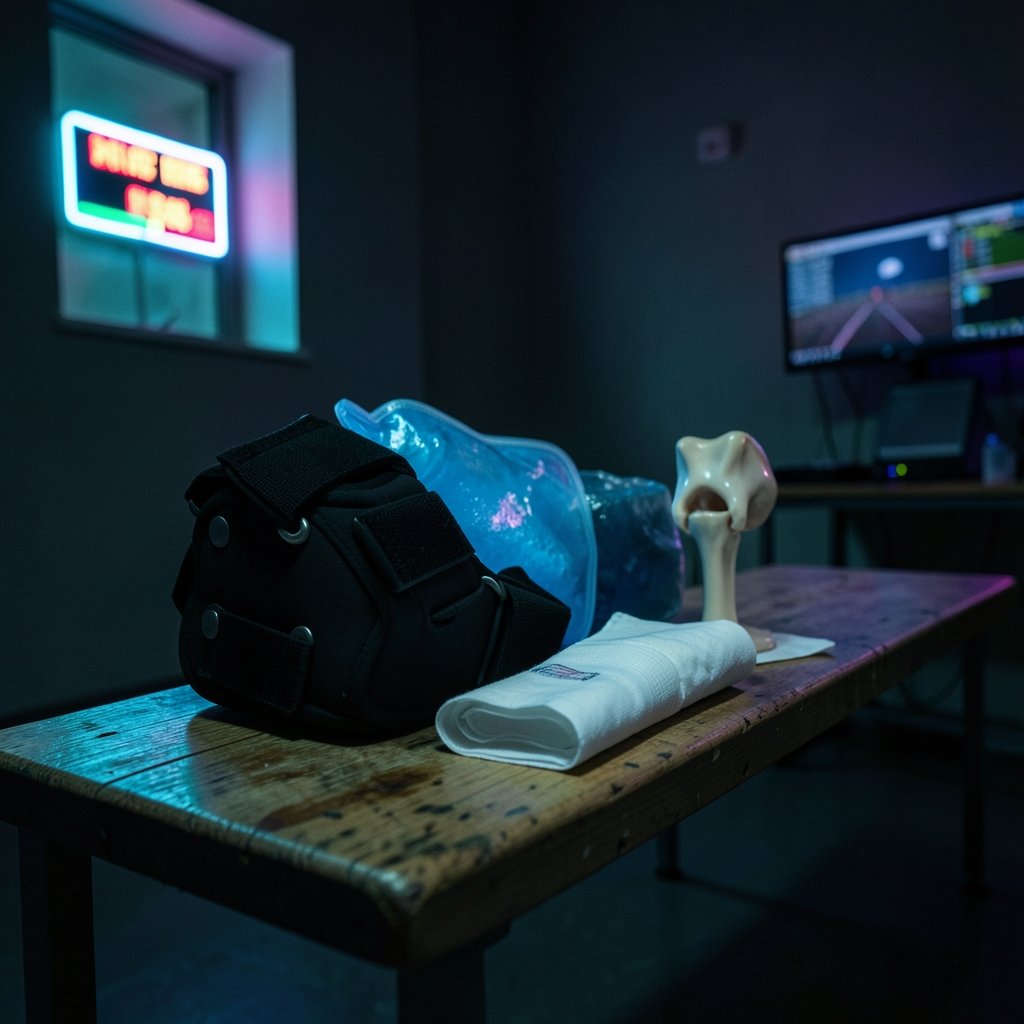
Have you ever stood up from a chair, felt a sharp twinge on the inside of your knee, and wondered why that one spot keeps complaining? Medial knee soreness is one of the most common complaints in clinics and gyms alike, yet it is also one of the most misunderstood. The inner knee is a crowded neighborhood: ligaments, meniscus cartilage, bone surfaces, tendons, and a small fluid-filled sac all share the same tight space. When something there gets irritated, the pain can feel identical no matter which structure is actually the culprit.
That overlap is exactly why self-diagnosis so often goes sideways. Someone feels a twinge while running, assumes it is a ligament, rests for two weeks, and returns to the same pain because the real driver was something else entirely. This guide breaks down the likely causes by age and activity, explains what makes each one distinctive, and covers what genuinely helps versus what wastes time. Along the way, it flags the warning signs that mean a doctor’s visit should not wait.
Why the Inner Knee Hurts So Often
The medial side of the knee carries a disproportionate share of the load. When a person stands or walks, body weight passes through the knee slightly toward the inside, which means the medial compartment absorbs more force than the lateral side. Over years, that load adds up. The medial meniscus is also less mobile than its outer counterpart because it anchors to the joint capsule, so it gets caught and twisted more easily during rotation.
The anatomy in play includes the medial collateral ligament (MCL), the medial meniscus, the cartilage surfaces of the medial femoral condyle and tibial plateau, the pes anserinus (where three tendons converge below the joint), and the medial patellofemoral ligament. Because these structures sit within centimeters of each other, pain from one can easily be mistaken for pain from another. Location is a clue, but it is rarely the whole answer.
Matching the Cause to Your Situation

The single most useful question is not “where does it hurt” but “who is hurting and how did it start.” Age, activity level, and the mechanism of onset narrow the list dramatically.
| Profile | Most likely cause | Typical pattern |
|---|---|---|
| Active younger adult, twisting injury | MCL sprain or medial meniscus tear | Pain after a specific incident, sometimes with swelling |
| Older adult, gradual onset | Medial-compartment osteoarthritis | Morning stiffness, pain with stairs and squatting |
| Middle-aged, pain below the joint line | Pes anserine bursitis | Pinpoint tenderness a few centimeters below the knee crease |
| Anyone, clicking and catching | Meniscus tear or medial plica | Intermittent sharp pain, occasional locking |
MCL Sprains
The MCL is the knee’s inner stabilizer, and it is usually injured by a valgus force, meaning a push that bends the knee inward, such as a blow to the outside of the leg or a bad landing. Clinicians grade these injuries I to III based on how much the joint opens under stress. Most grade I and II sprains heal well without surgery, and the classic mistake people make is returning to sport too quickly because the pain settles before the ligament has regained its strength. A knee that still feels loose or untrustworthy is not ready, even if it no longer aches at rest.
Medial Meniscus Tears
Meniscal tears dominate in two very different groups. In younger people they follow a twisting movement, often with the foot planted. In older adults they can happen with something as ordinary as standing up from a low chair, because the cartilage has weakened with age. The medial meniscus tears far more often than the lateral one. Symptoms include pain along the joint line, swelling that builds over a day rather than minutes, and sometimes a mechanical catching sensation. True locking, where the knee physically cannot straighten, is a red flag rather than a nuisance.
Medial-Compartment Osteoarthritis
Medial-compartment osteoarthritis is the most common pattern of knee arthritis, and it makes sense mechanically: varus malalignment, where the leg bows slightly outward, concentrates force on the inner side. The hallmark is pain that worsens with activity and eases with rest, plus stiffness after sitting. Many people describe it as a deep ache rather than a sharp catch. It is a chronic condition, but it is not a sentence to inactivity. Movement, done sensibly, is part of the treatment rather than the enemy.
Pes Anserine Bursitis and Other Mimics
Pes anserine bursitis produces tenderness roughly two to three centimeters below the joint line on the inner shin. It frequently appears alongside osteoarthritis, obesity, or diabetes, and it can coexist with arthritis in the same knee, which is why it sometimes gets missed. A medial plica, a fold of tissue left over from development, is another occasional mimic that causes clicking and sharp pain. The practical takeaway: when pain sits below the joint line rather than on it, think bursa rather than cartilage.
What Actually Helps, and What Wastes Time
For osteoarthritis, the evidence strongly favors exercise-based therapy as first-line care. Land-based exercise, weight management when relevant, and education in self-management form the backbone of recommended treatment. That means strength work for the quadriceps and hips, gradual loading, and patience measured in weeks rather than days. What does not work is the all-too-common cycle of complete rest followed by an ambitious return that flares everything up again.
Practical habits that make a real difference:
- Load gradually. Increase walking, stairs, or training volume in small steps rather than doubling on a good day.
- Strengthen the hips and thighs. Weak hip muscles let the knee drift inward during squats and steps, which loads the medial side.
- Respect the joint line. If a specific movement reproduces sharp pain, modify it instead of pushing through.
- Use ice for acute flare-ups and heat for stiffness. Neither fixes the cause, but both help comfort.
- Track the pattern. Note when pain appears, how long it lasts, and what eases it. That record is gold in a clinical appointment.
A common mistake is chasing a diagnosis online while ignoring the timeline. Pain that came on suddenly after a twist tells a different story than pain that crept in over months. Another mistake is assuming that a scan will solve everything. Imaging is a tool, not an answer, and many knees show changes on a scan that do not match the level of pain.
When to See a Doctor Without Delay
Most medial knee soreness can be assessed calmly, but some signs need prompt attention. Seek urgent evaluation for a knee that locks or cannot straighten, true giving-way where the leg collapses, inability to bear weight, swelling that appears within hours of an injury, fever, or pain that wakes you at night. Rapid swelling usually points to blood in the joint, which suggests a significant injury rather than a mild strain.
For suspected arthritis, weight-bearing X-rays are typically the first imaging step. MRI is reserved for suspected meniscal or ligament damage, or when surgery is being considered. A clinician will usually combine the history, an examination that includes valgus stress testing, and imaging before settling on a plan.
Building a Recovery Routine That Sticks
Recovery from medial knee soreness rarely follows a straight line, and the people who do best tend to be the ones who plan for that. A sensible routine includes a warm-up, controlled strengthening two or three times a week, and a clear rule for when to back off. A useful rule of thumb: mild discomfort during activity that settles within a day is generally acceptable, while pain that lingers or worsens the next day means the load was too much.
Sleep, hydration, and general activity matter more than most people expect. A knee does not recover in isolation from the rest of the body. Similarly, footwear and walking surfaces influence how load travels through the medial compartment, especially on long walks or shifts spent standing. Small adjustments, such as alternating shoes or choosing softer surfaces for longer walks, add up over months.
For readers managing several health habits at once, the same principle applies: consistency beats intensity. The approach behind a generate content social media practical system that works is a good analogy for rehab, because both reward a repeatable routine over sporadic bursts of effort. Likewise, just as a write social media bio that fits every platform requires knowing the audience, a knee program works best when it is matched to the individual’s age, activity, and goals rather than copied from someone else. (Make money from social media realistic paths that pay)
Conclusion
Medial knee soreness is a symptom with several possible authors, and the right response depends on who is hurting and how the pain began. An active younger person with a twisting injury should think ligament or meniscus. An older adult with gradual stiffness should think medial-compartment osteoarthritis. Pain below the joint line hints at the pes anserine bursa. In nearly every case, graded strengthening, sensible loading, and a clear-eyed view of red flags outperform rest and guesswork. The inner knee is a busy place, but it is also a responsive one when it is treated with patience and a plan.
What causes soreness on the inside of the knee?
The most common causes are MCL sprains, medial meniscus tears, medial-compartment osteoarthritis, and pes anserine bursitis. Which one is likely depends heavily on age, activity level, and whether the pain started suddenly after an injury or crept in gradually over weeks or months.
How can I tell whether it is a ligament or a meniscus?
A ligament injury usually follows a specific force, such as a blow to the outside of the knee that bends it inward, and may leave the knee feeling loose. A meniscal tear often follows a twist with the foot planted and produces joint-line pain, swelling that builds over hours, and sometimes catching. Examination and, when needed, MRI settle the question.
Is it safe to exercise with medial knee pain?
For osteoarthritis, exercise-based therapy is first-line care and is generally encouraged. The key is graded loading: mild discomfort that settles within a day is usually acceptable, while pain that lingers or worsens the next day signals the load was too high. Sharp, catching pain during a specific movement warrants modification and assessment.
Why does the inner knee hurt more than the outer side?
Body weight passes slightly toward the inside of the knee during standing and walking, so the medial compartment absorbs more force. The medial meniscus is also less mobile than the lateral one because of its capsular attachments, making it more vulnerable to twisting injuries. Over years, that load concentration contributes to medial-compartment arthritis.
When should I worry about medial knee soreness?
Seek prompt medical assessment for locking, true giving-way, inability to bear weight, swelling within hours of an injury, fever, or night pain. These signs suggest something more significant than a mild strain. Gradual soreness without these features can usually be assessed in a routine appointment.
Does a scan always explain medial knee pain?
No. Imaging is useful, but findings do not always match symptoms, and many knees show changes that cause no pain at all. Clinicians typically combine history, physical examination, and imaging, reserving MRI for suspected meniscal or ligament injury or when surgery is being considered.
Most medial knee soreness improves with time and the right loading strategy, but patience is part of the prescription. Setbacks are normal, and a flare after a good week is not a failure; it is information about where the current limit sits. Reassess every few weeks rather than every day, and judge progress by what you can do now that you could not do a month ago. If pain persists beyond six to eight weeks despite sensible self-care, or if it repeatedly flares with ordinary activity, a physiotherapy assessment is a reasonable next step rather than a last resort.



