

What comes to mind when you hear the words “money box”? For a child in Britain, it is a ceramic pig on a bedroom shelf. For a driver stuck in traffic on a Wednesday afternoon, it is a BBC radio voice explaining pension rules. For a charity volunteer, it is a rattling tin outside a supermarket. Same two words, three completely different worlds.
That overlap is exactly why the term confuses people, especially anyone searching online from outside the UK. This guide sorts out the meanings, explains where the phrase came from, and shows how to pick and use a money box that actually helps you save instead of just sitting there looking cute.
What Is a Money Box, Exactly?
In everyday British English, a money box is a small container with a slot in the top, used for storing coins, usually by children. It is the plain, functional word for what Americans call a piggy bank or coin bank. The spelling varies too: “money box” as two words is the standard dictionary form, while “moneybox” as one word shows up constantly in informal writing and in brand names.
The core idea is simple. You put coins in. You cannot easily take them out. That small friction is the whole point, and it is also the reason money boxes have survived for centuries in a world of banking apps.
A money box differs from a wallet or a jar in one key way: it is designed for accumulation, not for daily spending. The slot is narrow, the opening is often sealed, and the container is meant to be opened rarely, if ever. Some are ceramic and must be smashed to release the contents. Others have a rubber plug or a small lock.
The Three Meanings People Actually Search For
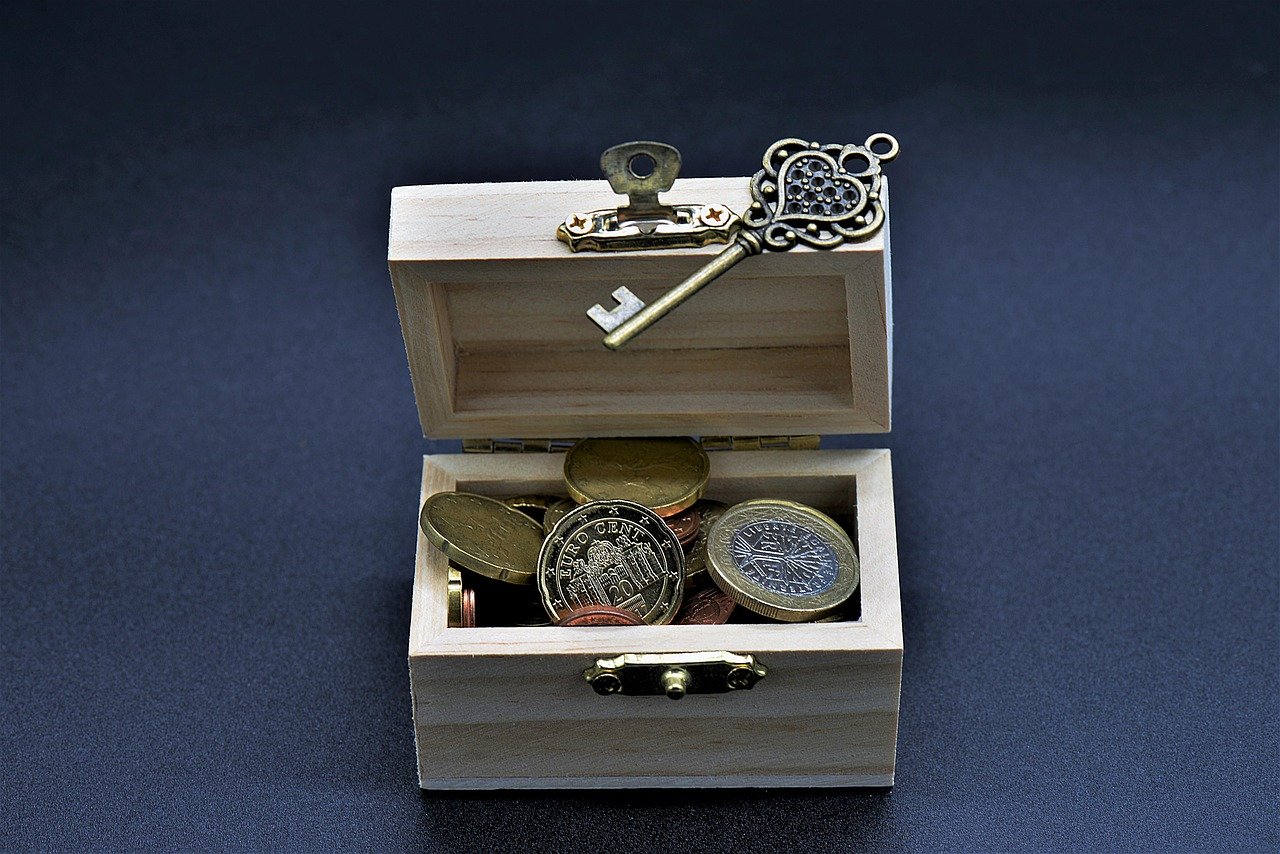
Most confusion around the term comes from three distinct uses that share the same words. Here is how they compare.
| Meaning | What it refers to | Where you will encounter it |
|---|---|---|
| The object | A coin-saving container, often for children | Shops, homes, gift guides |
| The radio show | BBC Radio 4’s consumer finance programme | UK broadcast schedules, podcasts |
| The brand | A UK savings and investment app | Finance articles, app stores |
A fourth, smaller meaning exists in charity work: the collection tins and boxes used to gather donations, such as the poppy appeal boxes distributed each autumn. These are money boxes in the literal sense, but nobody searching for a savings product wants a donation tin.
The Object: A Container With a Slot
This is the oldest and most durable meaning. A money box can be ceramic, tin, wood, plastic, or glass. It can be shaped like a pig, a house, a safe, or nothing in particular. What matters is the slot and the intent: money goes in and stays in.
Parents buy them to teach children about saving. Adults buy them for themselves, sometimes as a deliberate barrier against casual spending. The humble coin box has even found a second life as a design object, with ceramic and wooden versions sold as desk accessories.
The Radio Programme: BBC Radio 4’s Money Box
Since 1977, BBC Radio 4 has broadcast Money Box, a consumer personal-finance programme covering savings, pensions, tax, and consumer rights. It is one of the longest-running consumer shows on British radio, and for many listeners the phrase “money box” means the programme first and the piggy bank second.
The show’s format is straightforward: listeners write in with problems, and the programme investigates. That makes it a useful reference point for anyone confused about financial jargon, though it is a broadcast, not a written guide you can skim.
The Brand: A Savings App
There is also a UK savings and investment app called Moneybox, founded in the mid-2010s. It lets users round up spare change from purchases and invest it. The name is a deliberate nod to the childhood savings habit, but it is a commercial product, not a generic term.
This is where search results get muddy. Someone looking for a physical coin box may land on an app download page, and someone looking for the app may end up reading about ceramic pigs. If you are researching the term, know which of the three you actually want before you start clicking.
Where the Piggy Bank Fits In
A piggy bank is a specific type of money box: one shaped like a pig. The two terms overlap heavily but are not identical. Every piggy bank is a money box; not every money box is a piggy bank. (Gift card scam works victims rarely get their money back)
The pig shape has a practical origin story that is part folk history and part economics. In medieval and early modern Europe, households stored food and small valuables in vessels made from pygg, a type of orange clay. The word “pygg” and the word “pig” sounded alike, and potters eventually began shaping coin jars into actual pigs. Whether that story is entirely true is debated, but the linguistic pun is real and the pig form stuck.
Modern piggy banks come in two main styles: the classic ceramic pig that must be broken to open, and the plastic or rubber-plug version that can be reused. The breakable kind teaches a hard lesson about commitment. The reusable kind is more practical for long-term saving.
How to Choose a Money Box That Works
Most money boxes fail for the same reason: they are too easy to open. A savings container only helps if it creates a small, deliberate obstacle between you and your coins. Here is a practical approach.
- Decide on the friction level. A sealed ceramic box is maximum friction; a tin with a lid is minimum. Match the friction to your willpower, not your taste.
- Check the slot size. A slot that only accepts coins will fill slowly. A slot that accepts folded notes lets you save more per deposit.
- Think about the exit. If you plan to bank the contents regularly, choose a box with a plug or lock. If you want to commit for a year, choose one that must be broken.
- Consider visibility. A clear or open-top box lets you see progress, which motivates some savers. An opaque box reduces the temptation to raid it.
- Avoid novelty traps. Shaped boxes with tiny slots look great on a shelf but hold almost nothing. Form should follow capacity.
A common mistake is buying a money box as a gift and never explaining the habit behind it. A box without a routine is just decoration. The people who actually save with one tend to pair it with a rule, such as emptying their pockets every evening or depositing every coin under a certain value.
Money Boxes in the Real World: Charity, Culture, and Design
Beyond personal saving, money boxes show up in charity fundraising, religious settings, and design culture. Charity collection boxes, from poppy appeal tins to church donation boxes, use the same basic design: a locked container with a slot, placed where people are likely to have spare change.
Historically, churches kept pyx boxes and collecting chests for coins, and the idea of a dedicated container for communal money predates the personal piggy bank by centuries. The modern charity tin is a direct descendant.
There is also a cultural thread worth noting. In British households, money boxes are often handed down or kept as keepsakes, and vintage ceramic pigs have a small collectors’ market. The object carries nostalgia in a way that a banking app cannot.
Money Box vs. Modern Saving Tools
Does a physical box still make sense when savings apps round up your spare change automatically? It depends on what you are trying to build.
| Feature | Physical money box | Savings app |
|---|---|---|
| Setup effort | None | Account and identity checks |
| Friction to withdraw | High if sealed | Low |
| Interest earned | None | Varies |
| Best for | Building the habit | Growing the balance |
| Risk of loss | Theft or misplacement | Platform and market risk |
The honest answer is that a money box is a habit tool, not a financial strategy. It will not earn interest, and cash kept at home is vulnerable to theft. But it does something apps struggle with: it makes saving physical and visible. For children especially, watching a box get heavier is a more concrete lesson than a number on a screen.
For adults, the sensible pattern is to use the box as a staging point and move the contents into an account regularly. That way you keep the habit and still get the safety of a bank.
Common Mistakes and Practical Tips
A few patterns come up again and again among people who buy a money box and then abandon it.
- Choosing a box that is too small. A tiny ceramic pig fills up in weeks, and the ritual dies. Pick something with real capacity.
- Forgetting to count. Emptying the box without tallying the total removes the reward. Count and record it.
- Leaving it in plain sight. A full box on a hallway shelf is an invitation. Keep it out of casual view.
- Skipping the goal. Saving without a purpose fades fast. Tie the box to something specific, like a trip or a gift fund.
- Ignoring the bank. Cash sitting in a box for years loses value to inflation. Bank it on a schedule.
One tip that works well in practice: keep a small note inside or under the box recording the date you started and the target amount. Seeing the target every time you add a coin keeps the habit alive.
If you are comparing savings ideas more broadly, it helps to understand how different products work before committing. A guide to how to make money with AI, for instance, covers a very different kind of side income, while a breakdown of how a gift card scam works and why victims rarely get their money back shows the risks of informal money handling. Even niche topics like a perfume mystery box blind buy explain how bundle offers really work, which is useful context before you spend on any “mystery” product. And if you are weighing a bigger purchase, a look at Nvidia’s AI box pitch and what buyers should actually check is a good reminder to read the fine print. The same instinct applies to money boxes: understand what you are actually getting before you hand over cash.
Conclusion
The phrase “money box” carries three lives at once: a childhood savings container, a decades-old BBC finance programme, and a modern savings app. None of them is wrong, and the context usually makes the meaning obvious. What matters for anyone actually trying to save is the object itself, and the object still works, provided you choose one with enough capacity, enough friction, and a clear purpose.
A money box will not make you rich. It will, however, teach the one habit that every savings account depends on: putting money aside before you spend it. Start with a box that is slightly harder to open than you would like, count what goes in, and move the balance to a bank on a schedule. That simple routine has outlasted every app that tried to replace it.
Frequently Asked Questions
What is the difference between a money box and a piggy bank?
A piggy bank is a money box shaped like a pig. The terms overlap, but “money box” is the broader category and covers any container with a coin slot, whatever its shape. In British English, “money box” is the standard everyday term; in American English, “piggy bank” is more common.
Is Money Box a BBC radio programme?
Yes. BBC Radio 4 has broadcast Money Box, a consumer personal-finance programme, since 1977. It covers savings, pensions, tax, and consumer rights, and much of its content comes from listener questions. For many UK listeners, the programme is the first thing the phrase brings to mind.
Are money boxes still worth using?
They are worth using as a habit tool, not as an investment. A money box builds the discipline of setting money aside, but cash kept at home earns no interest and carries some theft risk. The practical approach is to save into the box and move the balance into a bank account regularly.
Why do people put coins in a pig-shaped box?
The pig shape likely comes from a wordplay on “pygg,” an old type of clay used for household jars. Potters began shaping coin jars into pigs, and the form became traditional. The exact history is debated, but the pig has been the default money box shape for centuries.
What should I look for when buying a money box?
Look for capacity, slot size, and friction. A box that fills in a few weeks loses its appeal, and one that opens too easily gets raided. Choose a sealed or locked design if you want commitment, and a plug-based design if you plan to bank the contents often.
Can a money box replace a savings account?
No. A money box holds cash, earns nothing, and offers no protection if lost or stolen. It works best as a staging point: collect coins in the box, then deposit them into an insured savings account on a fixed schedule. The box builds the habit; the account protects the money. (Deposit Insurance)



