

What do you actually have in your pocket right now? For a lot of people, the answer is a thick wallet, a phone, and a set of keys. But a smaller group carries something different: a simple metal clip that holds a few folded bills and maybe a card or two. That little object is the money clip, and it has quietly outlasted dozens of wallet fashions. It is not a gadget, not a status symbol for everyone who owns one, and not a replacement for a full wallet in every situation. It is a narrow tool with a clear job, and understanding what it does well (and where it falls short) helps you decide whether it belongs in your pocket.
This guide covers what a money clip is, how it works, what materials hold up best, the mistakes buyers make, and how it compares with a wallet. It also separates the solid claims from the myths, including the popular but shaky idea that a clip protects your cards from digital theft.
What Is a Money Clip, Exactly?
A money clip is a small device, usually metal, that holds folded paper money and sometimes a few cards together as a compact alternative to a wallet. The basic design relies on tension: a spring-loaded arm, a folded band, or a magnetic plate presses the bills against a flat body so they stay put.
The core idea is reduction. Instead of carrying receipts, loyalty cards, and coins, the user carries the minimum and keeps the bulk out of a pocket. That trade-off is the whole point. A clip is thinner than almost any wallet, but it holds far fewer items and offers less protection for anything with a magnetic stripe or a chip.
One quick clarification: a money clip is not a paper clip. The paper clip has a well-documented history of its own, and the familiar Gem-style clip took shape in the 1890s after earlier wire-clip patents. The two objects share a name and nothing else. Confusing them is a common mix-up, but a wire clip that holds documents is a completely different product from a spring clip that holds cash.
The Origins and the Patent Problem
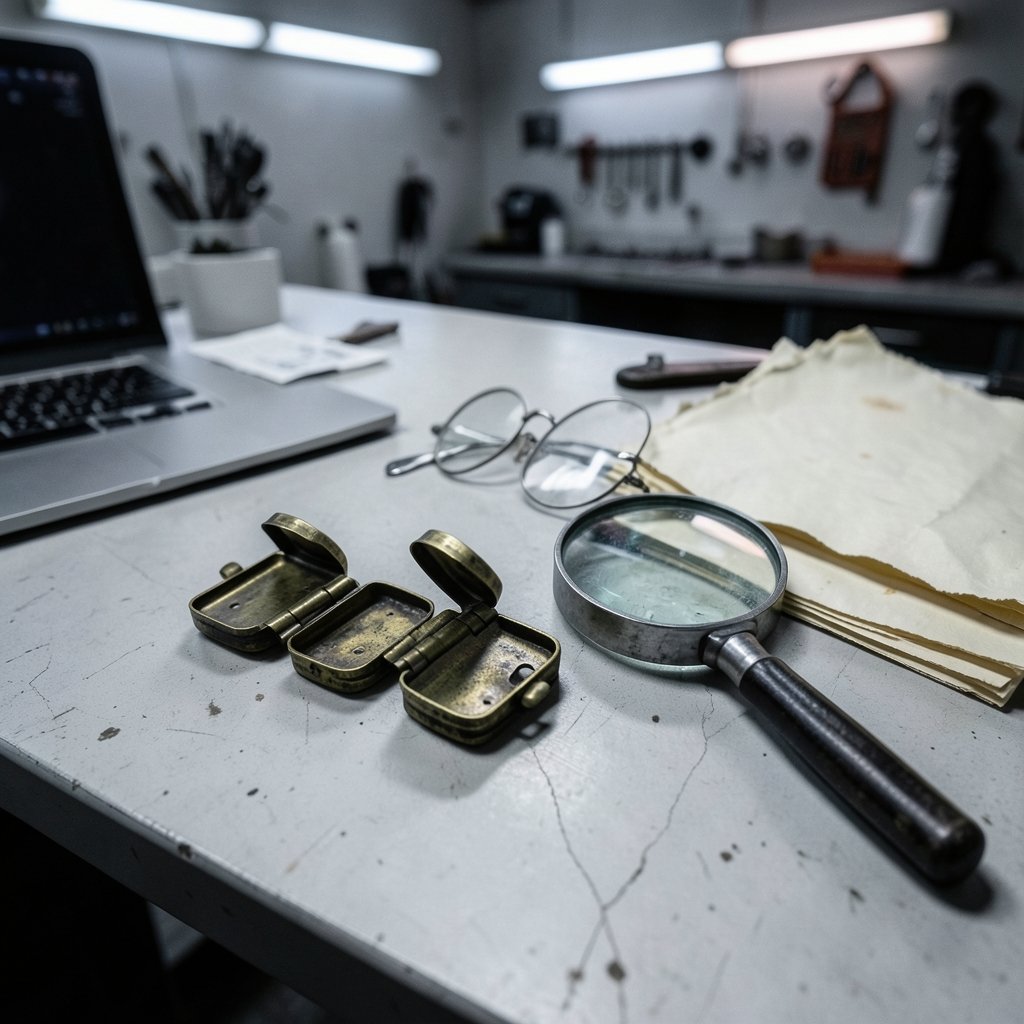
Plenty of articles confidently state that the modern money clip was invented in a specific year by a specific person. Treat those claims with caution. The origin of the spring-loaded clip is genuinely murky, and many popular accounts repeat dates that are hard to confirm. If a precise inventor or patent year matters to you (for a collector, a history piece, or a resale listing), the responsible move is to check the primary record rather than trust a blog.
Patent databases are the right place to start. A search of Google Patents for money clip designs will surface original filings with dates, drawings, and inventor names, which is exactly what you need to separate a real record from a repeated rumor. Anyone who quotes a date without pointing to a filing is guessing.
What is clear is the cultural story. The clip became associated with mid-century men’s style and with a minimalist mindset: carry less, look tidier, avoid the bulging pocket. That association is a fashion observation rather than a documented fact, but it explains why the object still sells today alongside slim wallets and minimal carry gear.
How a Money Clip Actually Works
Every money clip does the same basic job through one of a few mechanisms. Knowing which one you are buying matters more than the finish.
| Mechanism | How it holds cash | Best for | Watch out for |
|---|---|---|---|
| Spring-loaded arm | A hinged lever pinches bills against the body | Daily use, quick access | Weak springs loosen over time |
| Folded metal band | The metal itself bends to grip the fold | Very slim profiles | Can crease bills and lose tension |
| Magnetic plate | Magnets clamp the stack | Fast one-handed use | Magnets near cards and phones |
| Leather-wrapped frame | A rigid insert inside leather | A softer, dressier look | Bulkier and harder to clean |
The spring-loaded design is the most common because it balances grip and convenience. The folded band is the slimmest but the least forgiving; bend it too far and it never grips the same way again. Magnetic versions are quick but raise a practical concern: strong magnets sitting against a phone or a card with a magnetic stripe are not a great pairing.
A good clip holds a realistic stack without slipping. That usually means somewhere between five and fifteen bills. Load it with a fat wad and the tension fails, the bills fan out, and the clip becomes a pocket nuisance. The lesson is simple: a money clip works best when you actually carry less.
Materials: What Holds Up and What Doesn’t
Material choice drives price, weight, and durability. Here is how the common options compare in practice.
Stainless steel is the workhorse. It is affordable, tough, and holds tension well. The downside is weight, and cheaper steel can develop sharp edges where the metal was stamped.
Brass looks warm and develops a patina over time, which some people love and others dislike. It is heavier than steel and can leave a greenish mark on bills and skin over years of use.
Titanium is the premium pick for weight savings. It is strong, light, and resistant to corrosion. The catch is cost, and some titanium clips feel almost too light until you get used to them.
Precious metals like silver and gold exist mainly as gifts or heirlooms. They work fine, but soft metals scratch and bend more easily than steel, so they are better suited to light use.
Leather-wrapped and carbon-fiber versions trade some grip for looks. Leather can stretch and stain; carbon fiber is stiff and light but can crack if dropped on a hard edge.
A practical tip that saves people money: skip the mirror-polished finish if you plan to carry the clip daily. Polished surfaces show every scratch within a week. Brushed or matte finishes hide wear and look better for longer.
Money Clip vs. Wallet: An Honest Comparison
The wallet-versus-clip debate is really a question about what you need to carry. Neither wins outright.
| Factor | Money Clip | Traditional Wallet |
|---|---|---|
| Thickness | Very slim | Bulky, especially when full |
| Cash handling | Fast and visible | Bills folded or hidden |
| Card capacity | Two to four at most | Many cards plus ID |
| Card protection | Minimal | Better, and some offer RFID shielding |
| Receipts and coins | Not practical | Easy to store |
| Cost | Often lower | Ranges widely |
| Durability | High for metal | Depends on leather or fabric |
A clip shines for people who pay mostly by card or phone and only need a little cash. It falls apart as a solution for anyone who carries insurance cards, transit passes, membership cards, and a stack of receipts. Many people land on a hybrid: a clip for bills and one or two cards, plus a small cardholder for the rest.
There is also a security dimension worth stating plainly. Some modern wallets advertise RFID shielding, which blocks unauthorized scans of contactless cards. Money clips generally do not offer that protection, and claims that a metal clip blocks skimming are not well supported. If card-scanning protection matters to you, a clip is not the tool for it. The same caution applies to the broader world of payment fraud, where the schemes are often simpler than the technology suggests. Understanding how a gift card scam works and why victims rarely get their money back shows that most losses come from manipulation, not from a scanner waved near your pocket. (Cbdc digital currency central bank money going digital)
Common Mistakes People Make With Money Clips
First-hand experience and buyer complaints point to a handful of recurring errors. Avoiding them saves both money and frustration.
- Overloading the clip. Stuffing twenty bills into a clip built for eight ruins the tension. Carry a realistic stack and the spring lasts for years.
- Buying on looks alone. A beautiful clip with a weak spring is a paperweight. Test the grip before you commit, or buy from a seller with easy returns.
- Ignoring the edges. Cheap stamped metal can have burrs that snag fabric and nick fingers. Run a finger along the edges of any clip you handle.
- Storing cards with magnetic stripes against a magnetic clip. The magnet can corrupt the stripe. Keep magnetic clips away from hotel keys and older cards.
- Expecting wallet-level organization. A clip holds money and a card or two. It will not organize receipts, coins, or a dozen loyalty cards.
- Skipping the pocket check. A clip sits loose in a pocket and can slide out when you sit down. Front-pocket carry works better than a back pocket for most people.
There is a spending angle here too. A clip is a small purchase, but the same principle that applies to bigger security and tech decisions applies here: know where the money actually goes. If you are weighing small gear purchases against larger ones, a look at where identity threat detection money really goes is a useful reminder that the cheapest-looking option is not always the smartest buy.
Who Actually Benefits From a Money Clip?
The clip is not for everyone, and being honest about that helps. It fits a specific kind of carrier.
It suits people who pay digitally, keep only a little cash, and hate a thick pocket. It suits anyone who wears tailored clothing and wants a clean line. It also suits travelers who want a decoy: a clip with a few bills in one pocket and the real cards stored separately.
It does not suit people who carry many cards, collect receipts, or need quick access to a transit pass. It also does not suit anyone who wants card-scanning protection built in. For those users, a slim wallet or a cardholder is the better tool, and a clip can still play a supporting role for cash.
Minimalism as a trend has pushed plenty of people toward smaller carry setups, and the clip rides that wave. But minimalism has a cost, and it is worth being clear-eyed about it. Carrying less means fewer backups when something goes wrong, whether that is a dead phone battery or a card that gets declined. A clip is a tool for people who have already decided that trade-off is worth it.
Caring for a Money Clip So It Lasts
Metal clips are low-maintenance, but a few habits extend their life.
Wipe the clip with a dry cloth to remove skin oils, which dull finishes and can corrode plated metals. Keep brass and silver clips dry; moisture speeds tarnishing. If a spring-loaded clip starts to feel loose, avoid bending the arm by hand, since that usually makes it worse. Store the clip empty rather than clamped on a thick stack, which stretches the spring over time.
For leather-wrapped clips, keep them away from prolonged moisture and let them air-dry if they get wet. And check the clip periodically for sharp spots, especially on inexpensive models where plating can chip and expose rougher metal underneath.
Conclusion
The money clip is a small object with a narrow, well-defined purpose: hold a modest amount of cash and a card or two, keep the pocket flat, and look tidy doing it. It is not a wallet replacement for everyone, it does not shield your cards, and its origin story is fuzzier than many articles admit. But for the right person, it does its job with a simplicity that few other everyday items match. If you carry less and want less bulk, a well-made clip earns its place. If you carry more, a wallet still wins. The honest answer depends on what is actually in your pocket.
Frequently Asked Questions
What is a money clip used for?
A money clip holds folded paper money, and sometimes one or two cards, in a compact bundle. It replaces a bulky wallet for people who carry little and want a slim pocket profile. It is not designed for receipts, coins, or a large card collection.
Is a money clip better than a wallet?
It depends on what you carry. A clip is thinner, faster for cash, and often cheaper, but a wallet holds more cards, protects them better, and can offer RFID shielding. People who carry many cards should keep a wallet; people who mostly pay by card or phone often prefer a clip.
Does a money clip protect cards from RFID skimming?
Generally no. Most money clips have no shielding, and claims that a metal clip blocks contactless card scanning are not well supported. If scanning protection matters, choose a wallet or cardholder that specifically advertises RFID-blocking construction.
Who invented the money clip?
The origin is not clearly documented, and many popular dates are hard to verify. Anyone who needs a precise inventor or year should check primary patent records rather than rely on secondhand accounts. Patent databases let you confirm filings, dates, and inventor names directly.
Can a magnetic money clip damage my cards or phone?
It can affect cards with magnetic stripes, such as older hotel keys and some transit cards, if the magnet sits against them for long periods. Modern chip cards and phones are less vulnerable, but keeping a strong magnet away from both is the safer habit.
How much cash can a money clip hold?
Most clips grip comfortably between five and fifteen bills. Beyond that, the tension weakens, bills slip, and the clip stretches out of shape. If you regularly carry a thick stack, a clip is the wrong tool and a wallet or band will serve you better.



