

Can you really earn money from your phone, or is the whole category a treadmill of tiny rewards and big promises? Anyone who has downloaded a “get paid to” app knows the pattern: a flashy sign-up bonus, a few cents trickling in, and a payout threshold that always seems one task away. The truth sits somewhere in the middle. Some apps genuinely pay, some pay so little that the time spent isn’t worth it, and a few are outright scams. This guide breaks down the categories, the realistic payouts, and the traps to watch for. (Identity threat detection really costs where money goes)
What “Money Making Apps” Actually Covers
The label is a catch-all. It bundles together at least five different business models, and each one behaves differently:
| Category | How you earn | Typical payout | Main risk |
|---|---|---|---|
| Cash-back and receipt apps | Small rebates on purchases, scanning receipts | Cents to a few dollars per action | Data collection, payout thresholds |
| Survey and micro-task apps | Answering questions, tiny digital jobs | Well below minimum wage per hour | Low return on time |
| Gig-work apps | Rideshare, delivery, freelance tasks | Hourly, varies by market | Worker classification, expenses |
| Resale marketplaces | Selling used items | Depends on what you sell | Fees, shipping hassle |
| Investment and crypto apps | Trading, staking, referrals | Highly variable | High risk of loss, scams |
Lumping these together is a common source of confusion. A receipt-scanning app and a crypto trading app both market themselves as ways to “make money,” but they carry completely different risk profiles. Treating them as one thing is the first mistake people make.
Cash-Back and Receipt Apps: Small, Reliable, Slow
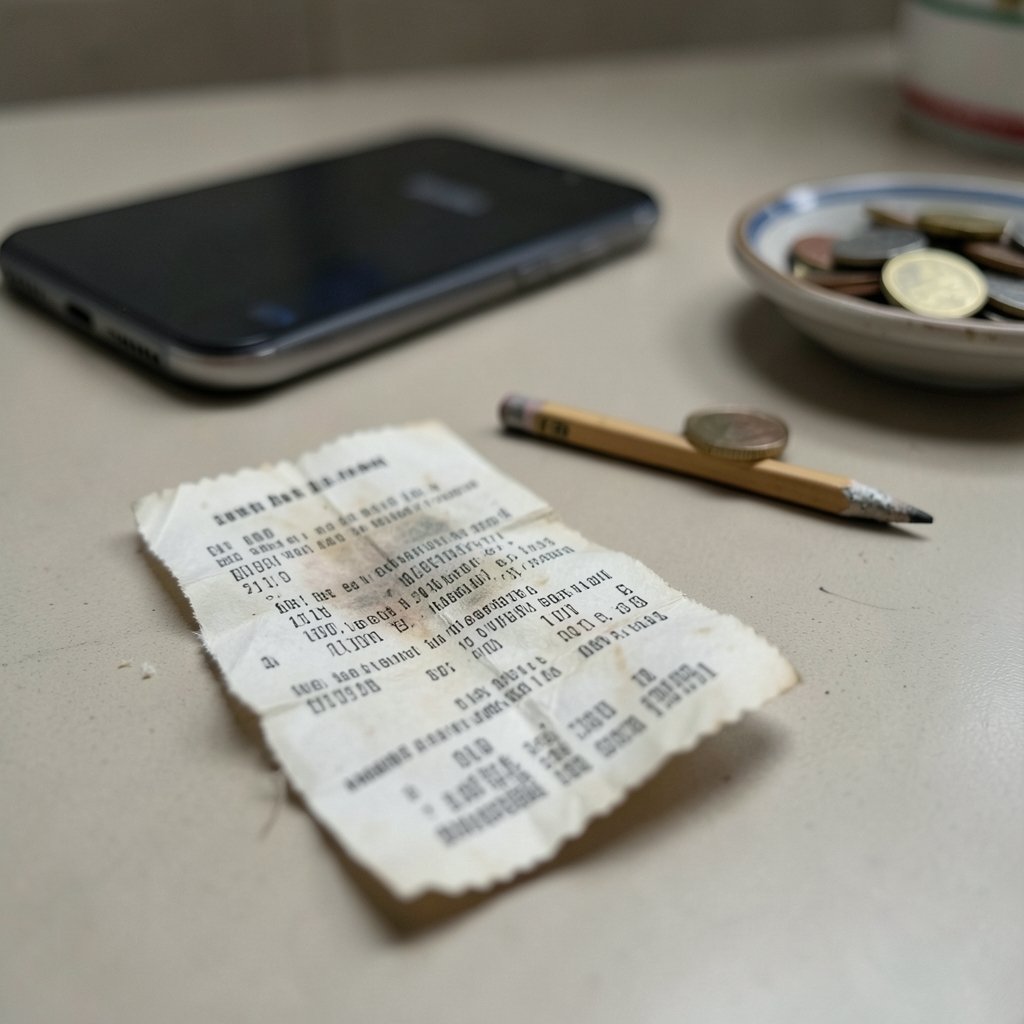
These apps pay you a percentage back on purchases or a few cents for photographing a receipt. The model is straightforward: retailers and brands want purchase data, and the app shares a slice of that value with you. The economics are modest by design. You are not replacing income; you are trimming a little off spending you were going to do anyway.
The practical catches are payout thresholds and delays. Many apps only release your balance once it hits a minimum, sometimes five or ten dollars, and payouts can take days or weeks to process. Users who quit early often leave small balances stranded. The other trade-off is privacy: receipt apps see what you buy, where, and when. That data has real value, which is exactly why the app can afford to pay you for it.
A sensible approach is to link these apps to your everyday spending, let balances build, and cash out the moment you clear the threshold. Chasing bonuses by buying things you don’t need defeats the purpose entirely.
Survey and Micro-Task Apps: The Hourly Rate Problem
Survey apps and micro-task platforms promise easy money for small digital jobs: answering questionnaires, tagging images, transcribing short clips, testing websites. The work is real, and payouts do arrive. The problem is the effective hourly rate. Between screening questions that disqualify you midway, tasks that pay a few cents, and the time spent hunting for decent work, the return is usually far below any minimum wage.
This isn’t a secret. Consumer-finance reporting has repeatedly found that survey and crowdwork platforms pay low hourly rates once you account for unpaid time. The apps are not necessarily dishonest; they are simply selling access to very small jobs. If you enjoy the tasks and treat the money as a bonus, fine. If you are counting on it to cover bills, the math rarely works.
Micro-task platforms also vary widely in quality. Some have clear payment terms and reliable withdrawals. Others bury fees in the fine print or make cash-out deliberately awkward. Before investing hours, check the payout method, the minimum withdrawal, and what recent users say about actually getting paid.
Gig-Work Apps: Real Income, Real Trade-Offs
Rideshare and delivery apps are the closest thing to genuine income in this category. They can pay meaningfully, especially in busy markets and peak hours. But the headline number is not your take-home pay. You need to subtract fuel, vehicle wear, insurance, phone costs, and taxes. Once those are counted, the effective rate drops, sometimes sharply.
There is also a legal dimension. Whether gig workers count as employees or independent contractors is a live question in many jurisdictions, including the United States and the European Union. Classification affects minimum wage protections, benefits, and who pays for expenses. Rules differ by country and sometimes by region, so the same app can offer very different terms depending on where you live. Anyone considering gig work should check local rules rather than assume the terms they read online apply to them.
The practical advice here is unglamorous: track every expense, set aside money for taxes, and calculate your real hourly rate after costs before deciding whether the work is worth your time.
Investment and Crypto Apps: The Highest-Risk Corner
Apps that promise returns from trading, staking, or referring friends sit at the risky end of the spectrum. Unlike cash-back, where the worst case is wasted time, investment apps can lose you money. Regulators in multiple countries have warned about misleading marketing and outright scams in this space, particularly around crypto promotions aimed at inexperienced investors.
Two patterns deserve special caution. First, referral schemes that pay you for recruiting others can blur into pyramid-style structures, where the money comes from new joiners rather than any real product. Second, apps that guarantee returns are a red flag by definition; no legitimate investment can promise a fixed profit. If an app’s marketing leans on urgency, guaranteed gains, or pressure to deposit more, walk away.
The broader shift toward digital finance, including central bank digital currencies, has also created a wave of confusion that scammers exploit. Understanding how digital money actually works makes it easier to spot fakes, and a plain explanation of CBDCs and how central bank digital currency differs from crypto tokens is worth reading before trusting any app that name-drops the concept.
How to Spot a Scam App Before You Download
Scam apps follow recognizable patterns. Fake “get paid to” apps collect sign-up fees, personal data, or both, then vanish. Advance-fee schemes ask you to pay a small amount to “unlock” a larger payout that never arrives. Gift card requests are a classic red flag, and once gift card codes are shared, victims rarely get their money back, which is why a breakdown of how the gift card scam works and why recovery is so rare is essential reading for anyone asked to pay that way.
A few checks catch most problems:
- Search the app name alongside the word “scam” and read reviews beyond the top-rated ones.
- Confirm the app has a real company behind it, with a working support channel.
- Check whether the payout terms are stated clearly before you sign up.
- Refuse any request to pay money in order to receive money.
- Be skeptical of reviews that read identically or were all posted in the same week.
App-store ratings alone are weak evidence, since ratings can be gamed. Independent consumer-protection bodies publish guidance on work-from-home and money-making scams, and their warnings are a better starting point than any in-app testimonial.
Privacy and Permissions: The Hidden Cost
Many money-making apps monetize data. That is often the actual business model, with the cash rewards acting as bait. Terms of service frequently permit broad data sharing with partners, and permissions requests can be surprisingly wide for an app that claims to just scan receipts.
Before granting access, review which apps are connected to your Google account and revoke anything you don’t recognize. It is also worth checking which apps have access to your Google account on a regular schedule, since old permissions linger long after you stop using an app. On the phone itself, audit location, contacts, and microphone permissions and deny anything the app doesn’t genuinely need. If an app crashes repeatedly or behaves oddly after installation, learning how to boot Android in safe mode to fix crashing apps can help you isolate whether the problem is the app itself. (Mobile app)
Matching the App to Your Goal
The right choice depends on what you actually want. Someone hoping to offset grocery spending will get more from cash-back apps than from surveys. Someone who needs real income should look at gig work and treat the expense math seriously. Someone curious about investing should start with education, not an app’s referral bonus.
It also helps to think about the time cost honestly. A useful habit is to log your first week with any new app: hours spent, money earned, and any data you handed over. Most people discover quickly which apps deserve to stay on the phone and which are just clutter.
If your real goal is getting organized rather than earning small change, tools built for planning often deliver more value than reward apps. A look at the best budgeting apps that actually work for real budgets is a better use of an evening than chasing survey pennies, and for people managing freelance or gig schedules, the best time tracking apps that actually work for teams can reveal where hours are leaking. (How to Unhide Apps on iPhone: Quick Fixes (2026)) (Understanding Mobile Apps)
Conclusion
Money-making apps are neither the goldmine the ads suggest nor a total waste of time. Cash-back and receipt apps pay small, reliable amounts if you clear the thresholds. Survey and micro-task apps usually pay far too little per hour to matter. Gig-work apps can produce real income, but only after expenses and local rules are factored in. Investment and crypto apps carry genuine risk and deserve the most caution. The pattern that separates a good experience from a bad one is simple: know the business model, read the payout terms before you start, guard your data, and never pay to get paid. Treat every app as a small financial decision rather than a lottery ticket, and the category becomes far less mysterious.
Frequently Asked Questions
Do money-making apps actually pay real money?
Some do. Cash-back, receipt-scanning, and established gig-work apps generally pay as described, though amounts are often small and subject to minimum withdrawal thresholds. The apps most likely to disappoint are survey and micro-task platforms, where the effective hourly rate is usually very low, and anything promising guaranteed investment returns.
How much can a person realistically earn from these apps?
It varies enormously by category. Cash-back and receipt apps typically return cents to a few dollars per action. Survey apps often work out to a few dollars an hour at best. Gig-work apps can pay a genuine hourly rate, but only after fuel, vehicle costs, insurance, and taxes are subtracted. Anyone quoting a large fixed monthly figure is probably selling something.
Are money-making apps safe to use?
Many are safe in the sense that they don’t steal money, but most collect and share data, and some request permissions far broader than their function requires. Check what account access you have granted, review app permissions, and avoid any app that asks for payment, gift card codes, or sensitive identity documents before you have earned anything.
Why do so many apps have payout minimums?
Minimum thresholds keep small balances on the platform and reduce processing costs for the company. They also reduce the number of people who actually cash out, since some users give up before reaching the limit. Before starting, confirm the minimum, the payout methods available, and how long withdrawals typically take.
Are investment and crypto apps worth the risk?
For most people, no, at least not as a casual way to earn. Investment apps can lose money rather than make it, and crypto promotions attract a disproportionate share of scams and misleading marketing. Regulators in several countries have issued repeated warnings. If you do use one, treat it as investing, not earning, and never deposit money you can’t afford to lose.
What is the biggest red flag of a scam app?
Any request to pay money in order to receive money. Advance fees, “unlock” charges, and gift card payments are classic signs, and gift card funds are almost impossible to recover once the codes are shared. Guaranteed returns, extreme urgency, and pressure to recruit friends are close behind.



