

Has Morgan Wallen announced a 2027 tour yet? That single question sends hundreds of thousands of fans to search engines every month, and the honest answer is more useful than a clickbait headline: as of the most recent reliable information available, no official 2027 tour has been confirmed. That does not mean nothing is happening. It means the smart move is to understand how announcements actually work, what the credible signals look like, and how to position yourself so you are not caught off guard when dates drop.
This guide breaks down the current state of play, the realistic timeline for an announcement, the warning signs of ticket scams, and the practical steps fans can take right now. It also covers how AI tools and chatbots are changing the way people track tour news, for better and worse.
The Current Status of a Morgan Wallen 2027 Tour
Let’s start with what can be said with confidence. Wallen has built one of the largest live audiences in country music through massive North American runs, including the 2022–2023 Dangerous Tour and stadium-scale shows in 2024. His touring operation is big enough that any new cycle would be a major industry event, announced with coordinated press, ticketing partner notices, and social media rollouts.
What cannot be confirmed is any specific 2027 date, venue, or presale code. Tour announcements are frequently rumored on social media long before anything is official. A TikTok claiming “leaked dates” or a screenshot of a “presale calendar” is not evidence. Treat any 2027 claim as unverified unless it comes from Wallen’s official channels, his label, or a primary ticketing provider.
That distinction matters because the rumor economy around major artists is enormous. Fake date lists spread fast, and scammers build entire storefronts around them. Knowing the difference between a rumor and an announcement is the single most valuable skill a fan can develop.
Why 2027 Is a Realistic Tour Window
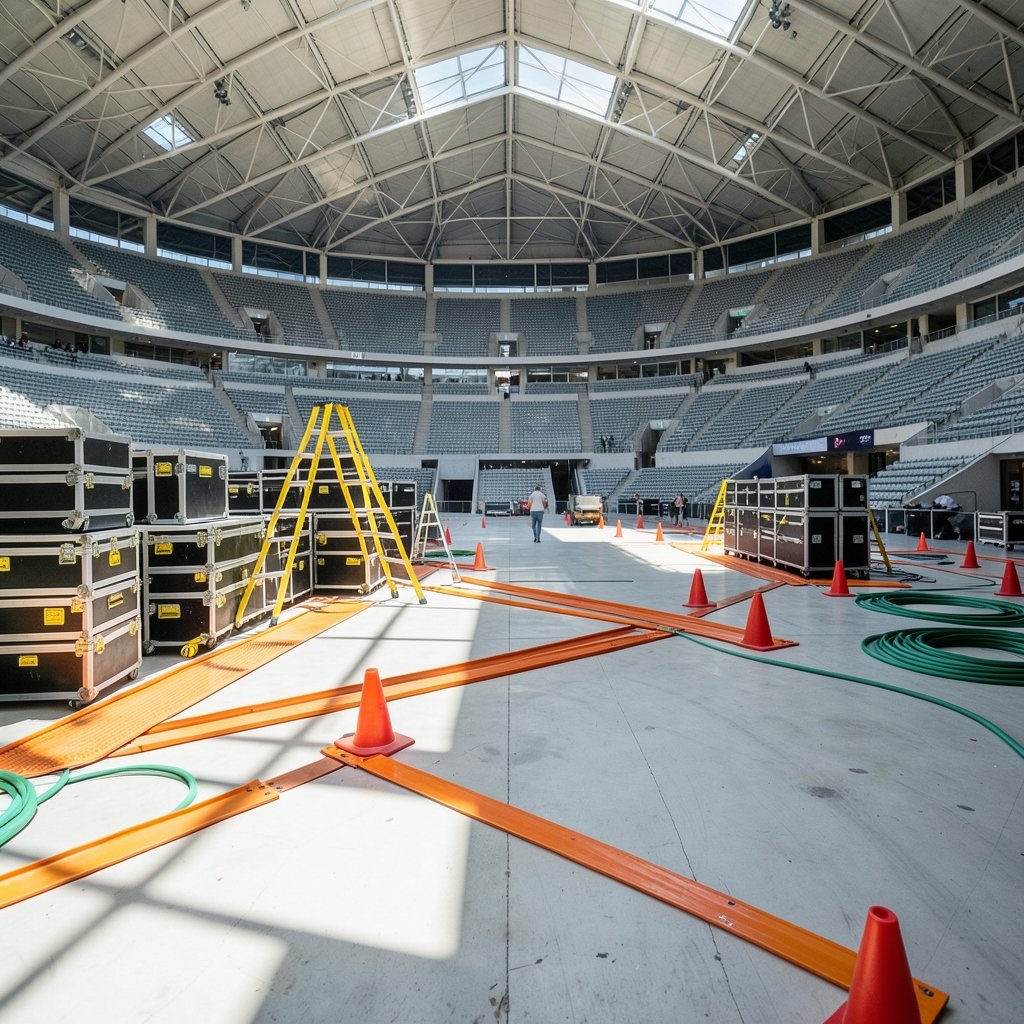
Even without a confirmed announcement, there are structural reasons a 2027 tour is plausible. Artists at Wallen’s level typically work in multi-year cycles: an album release, a touring cycle supporting it, a break or a side project, then a new record and a new tour. Stadium routing takes 12 to 18 months of planning because venues, city permits, and support acts all have to align.
That planning lead time has a practical consequence for fans. When a tour is finally announced, the gap between the announcement and the first show is often short, and presale windows can open within days. Fans who start preparing early, with verified accounts and payment methods ready, consistently have a smoother experience than those who scramble.
It is also worth noting that touring has become the dominant revenue engine for major artists. Streaming pays relatively little per play compared with a single stadium ticket. That economic reality makes a large-scale tour more likely than not at some point in the next few years, even if the exact year remains uncertain.
How to Verify a Tour Announcement Before You Believe It
The fastest way to avoid disappointment and fraud is a simple verification routine. Run every claim through the same filter.
- Check the artist’s official website first. Tour pages are typically updated there before anywhere else.
- Check the label’s artist page. Labels announce major touring news alongside the artist.
- Check the primary ticketing provider’s artist page. If dates are not listed there, they are not on sale.
- Cross-reference with a major music industry publication. Reputable outlets confirm with official sources.
- Ignore screenshots. Images are trivially edited and are the most common vector for fake date lists.
If a claim fails steps one through three, it is not an announcement. It is a rumor, and it should be treated as entertainment rather than information.
The Realistic Announcement Timeline
Fans often ask when they should start watching. The table below lays out the typical sequence for a major stadium tour, based on how large-scale tours are generally rolled out. Exact timing varies by artist and market.
| Stage | Typical Timing Before First Show | What Fans Should Do |
|---|---|---|
| Rumors and industry chatter | 12–18 months | Follow official channels; do not buy anything |
| Formal announcement | 6–12 months | Register for verified fan programs and presales |
| Presale windows | Days to weeks after announcement | Have payment method and account ready |
| General on-sale | Usually within 1–2 weeks of announcement | Buy only from primary providers |
| Additional dates added | Weeks to months after initial on-sale | Watch official channels for new legs |
The key insight is that the announcement-to-onsale gap is short. Preparation beats reaction every time.
Presale Registration: The Step Most Fans Skip
The single most common mistake fans make is waiting for the general on-sale. By then, the best seats in many venues are already gone, claimed during presales. Presale access usually requires advance registration through a verified fan program, a fan club, or a credit card partner.
The practical advice here is unglamorous but effective. Set up or confirm your ticketing account now, verify your email and phone number, and add a payment method. Registration windows can open and close within 48 hours, and fans who discover the window after it closes have no recourse.
Another common error is registering with multiple accounts to “increase odds.” Most verified fan systems flag duplicate registrations, and flagged accounts can be excluded entirely. One clean, verified account is worth more than five messy ones.
Ticket Scams to Watch For in 2027
Every major tour cycle brings a wave of fraud. The patterns are consistent, and they are easy to recognize once you know them.
- Fake presale codes sold on social media. Legitimate presale codes are distributed by the artist, the ticketing provider, or a partner, never sold by a stranger.
- Screenshot “tickets” offered in direct messages. A screenshot is not a ticket. Transfers happen inside the ticketing platform.
- Lookalike websites with slightly altered domain names. Always type the ticketing provider’s address yourself rather than clicking a link.
- “Guaranteed” seats from unlicensed resellers at implausible prices. If the price is far below face value for a hot show, it is a trap.
The safest rule is simple: buy from the primary provider or an authorized resale marketplace that the primary provider operates. Anything else carries risk that is not worth the discount.
How AI Tools Are Changing Tour News Tracking
Fans increasingly use AI assistants to monitor announcements, and the results are mixed. Chatbots can summarize news quickly, but they can also repeat stale information or invent plausible-sounding dates. The same caution that applies to social media rumors applies to AI answers: verify against primary sources.
That said, AI has genuine uses in tour planning. Translation tools help international fans navigate English-language ticketing pages and venue policies. If you are traveling from abroad for a show, a comparison of the best AI translation tools in 2027 is a practical starting point for understanding which tool handles ticketing and travel documents most reliably.
Similarly, if you are combining a concert with a trip, travel-focused chatbots can help with itinerary planning, though they should never be trusted with live availability or pricing. A roundup of the best AI chatbots for travel and tourism businesses explains where these tools genuinely help and where they fall short. And for anyone curious about the underlying model differences that cause chatbots to hallucinate dates in the first place, a technical comparison of how GPT-5 and Claude-class models work under the hood is worth reading before you trust any AI-generated tour schedule.
The takeaway is not to avoid AI. It is to use it for planning and summarizing while keeping verification firmly in human hands.
Budgeting for a Stadium Show
Cost is the part fans underestimate most. A ticket is rarely the whole expense. Parking, travel, lodging, food, and merchandise routinely double or triple the total outlay, especially for stadium shows in major cities where hotel rates spike around event weekends.
A realistic budget should include the face-value ticket, ticketing fees, transportation, lodging for at least one night if you are traveling, and a merchandise allowance. Fans who set a hard ceiling before the on-sale date make better decisions under pressure. The psychology of a live on-sale is designed to induce urgency, and a written budget is the best defense against overspending.
It also helps to decide in advance which tier you will accept. If your budget allows upper-level seats only, commit to that before the queue opens. Deciding mid-purchase is how fans end up financing a ticket they cannot comfortably afford.
What to Do Right Now
The most useful actions are the least exciting ones. Follow the official channels so you see announcements the moment they post. Confirm your ticketing account is verified and your payment details are current. Register for any fan programs that exist. Set a budget. And build the habit of checking primary sources before believing anything you see in a screenshot.
Fans who do this consistently report a calmer experience when dates finally drop. They are not fighting the clock because they already did the boring work months earlier.
There is also a social dimension worth mentioning. Fan communities are often the fastest source of accurate information, precisely because thousands of people are checking official pages simultaneously. Joining a well-moderated fan community is a legitimate early-warning system, provided the community enforces a rule against posting unverified claims.
Conclusion
A Morgan Wallen tour in 2027 is plausible, but it is not confirmed. The responsible position is straightforward: no official 2027 dates have been announced, and any claim otherwise should be treated as unverified until it appears on Wallen’s official site, his label’s artist page, or a primary ticketing provider’s listing.
The good news is that uncertainty is manageable. The fans who handle tour announcements best are not the ones with secret information. They are the ones with verified accounts, realistic budgets, and a firm rule about only buying from primary sources. Do that work now, keep your expectations calibrated, and you will be ready whenever the real announcement lands, whether that is 2027 or later.
FAQ
Has Morgan Wallen announced a 2027 tour?
No official 2027 tour has been confirmed as of the most recent reliable information. Any specific dates circulating online should be treated as unverified unless they appear on Wallen’s official website, his label’s artist page, or a primary ticketing provider’s listing.
When would a 2027 tour likely be announced?
Major stadium tours are typically announced 6 to 12 months before the first show, with presales opening within days to weeks of the announcement. If a 2027 tour happens, an announcement in late 2026 or early 2027 would fit the usual pattern, though exact timing is never guaranteed.
Where should fans check for official tour news?
The three most reliable places are the artist’s official website, the label’s artist page, and the primary ticketing provider’s artist listing. Reputable music industry publications are a useful secondary check. Social media screenshots are not a reliable source.
How can fans avoid ticket scams?
Buy only from the primary ticketing provider or an authorized resale marketplace it operates. Never buy presale codes from strangers, never accept screenshot “tickets” in direct messages, and always type the ticketing site address yourself instead of clicking links.
Do presales really matter that much?
Yes. A large share of the best seats are claimed during presales, which usually require advance registration through a verified fan program or partner. Registration windows can open and close within 48 hours, so setting up and verifying your account early is the single most effective preparation step.
Can AI chatbots reliably tell me tour dates?
Not reliably on their own. Chatbots can summarize news quickly but may repeat outdated information or generate plausible-sounding dates that do not exist. Use them for planning and translation, then confirm every date against an official primary source before spending money.



