

Quick Answer: How much is a new fridge?
A new full-size refrigerator usually costs somewhere between $700 and $1,500 for a standard top-freezer or bottom-freezer model, while French-door and side-by-side units commonly run $1,500 to $3,500 or more. Shoppers can buy at big-box retailers, local appliance dealers, or warehouse clubs, and each channel bundles delivery and haul-away differently.
Compact and apartment-size fridges sit well below that range, and built-in or smart models climb far above it. The gap between the cheapest and priciest unit is enormous, so the sticker on the showroom floor rarely tells the whole story.
Before buying, compare capacity, configuration, energy use on the yellow EnergyGuide label, delivery and installation fees, warranty length on the sealed system, and whether an old unit gets hauled away for free.
Why the Price Tag Is Only Half the Story
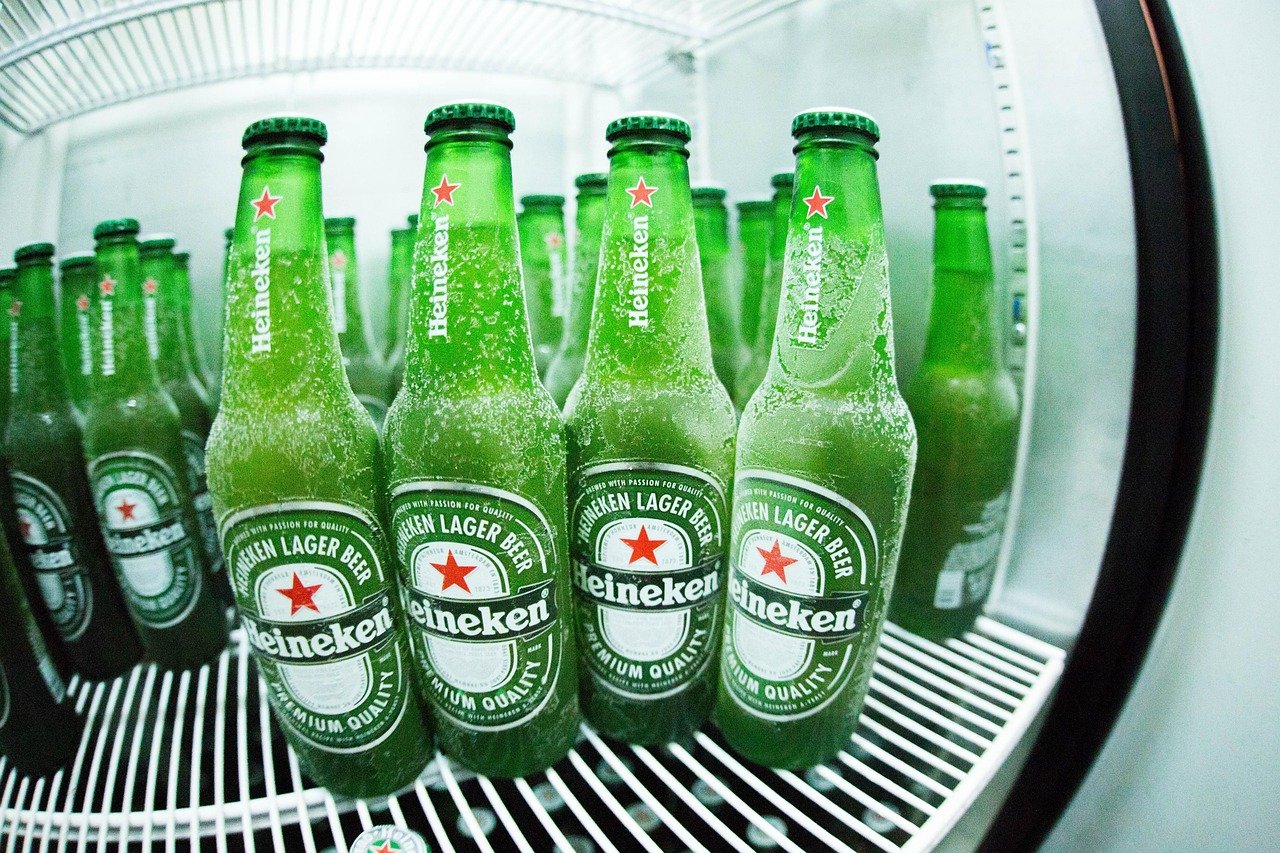
Walk into any appliance showroom and the first thing you notice is the spread. A basic white top-freezer sits near the entrance at a modest price. Twenty feet later, a stainless French-door model with a built-in ice maker and a touchscreen commands several times that amount. Both keep food cold. Both will eventually break.
So what actually drives the difference? Mostly size, style, materials, and features. But there is a second number that matters just as much and gets far less attention: the cost of running the thing for the next fifteen years. A fridge is one of the few appliances that never turns off. It hums along 24 hours a day, 365 days a year, and that quiet persistence adds up on the electricity bill.
Then there are the extras nobody mentions until checkout: delivery, installation, water-line hookup for the ice maker, and removing the old unit. Skip those line items and the budget quietly blows past the plan. This guide breaks down what a new fridge really costs, from the showroom price to the five-year ownership picture, and where smart shoppers save without sacrificing quality.
What a New Fridge Costs by Type
Prices vary by configuration more than by brand. Here is how the major categories generally stack up, based on typical US retail ranges from recent years.
| Refrigerator Type | Typical Capacity | Typical Price Range |
|---|---|---|
| Top-freezer | 18–22 cu ft | $700–$1,200 |
| Bottom-freezer | 18–22 cu ft | $1,000–$1,800 |
| Side-by-side | 22–26 cu ft | $1,500–$2,800 |
| French-door | 22–28 cu ft | $1,800–$3,500+ |
| Compact / apartment | 4–10 cu ft | $200–$700 |
| Built-in / high-end | 36–48 in wide | $5,000–$10,000+ |
Top-freezer models remain the value play. They use simple mechanics, cost less to repair, and often last longer than feature-heavy units. French-door fridges dominate showroom floors because they look great and organize food well, but that convenience carries a premium of several hundred to a couple thousand dollars.
Compact fridges deserve a mention for renters, dorm rooms, and basement bars. They are cheap upfront but can be surprisingly inefficient per cubic foot, so check the energy label carefully.
How Size Changes the Math
Capacity is the single biggest price lever. Moving from 18 to 26 cubic feet can add $800 or more, and that is before style upgrades. Measure the opening first, including doorways and stairwells. A fridge that will not fit through the kitchen door is a very expensive mistake, and restocking fees on large appliances are real.
When Brand Premiums Are Worth It
Brands charge for reliability reputation, design, and service networks. A mid-tier brand often delivers the same cooling hardware as a luxury nameplate. The practical advice: spend on the compressor and insulation, not the badge. Read repair-rate data where available and check how long the sealed-system warranty runs. Most new fridges carry a one-year general warranty, with longer coverage on the sealed refrigeration system, often five to ten years for parts only.
The Hidden Costs Nobody Warns You About
The sticker price is the beginning of the conversation, not the end. Here is what actually lands on the receipt.
- Delivery. Many retailers include basic delivery, but stairs, tight turns, and long carries can trigger fees.
- Installation and water-line hookup. Ice makers and water dispensers need a line run, which often costs extra.
- Haul-away of the old unit. Some retailers remove it free, others charge a fee, and some require it to be empty and disconnected first.
- Door reversal and leveling. Usually included, occasionally not. Ask.
- Extended warranties. Rarely worth it for a standard fridge, since the first year is covered and major failures are uncommon early on.
- Electrical or plumbing work. Older kitchens may need a dedicated outlet or a new water line.
A sensible rule: budget an extra $100 to $200 above the sticker for delivery, hookup, and removal, then confirm what the retailer actually covers. If the numbers feel familiar, that is because appliance shopping follows the same pattern as so many other purchases where the advertised price hides the real one, much like the way digital marketing service costs rarely match the headline quote.
The Energy Bill: The Cost That Never Stops
Here is the number that separates a smart purchase from a cheap one. A modern fridge typically uses roughly 300 to 600 kilowatt-hours per year, depending on size and type. At a residential rate of about $0.15 to $0.20 per kWh, that works out to roughly $45 to $120 annually.
Compare that to a fridge from the 1990s, which could easily burn two to three times as much electricity. Federal efficiency standards have tightened repeatedly since the 1970s, so a new unit almost always beats an old one on running cost. Over a decade, the difference can approach the price of the fridge itself.
The tool for comparison is the yellow EnergyGuide label required on every new unit. It shows estimated annual energy use and cost, which lets shoppers compare like for like across brands. ENERGY STAR certified models typically run about 10 percent more efficient than the minimum standard, and the premium is usually modest. Paying $100 more upfront to save $30 a year is a reasonable trade for a long-lived appliance.
For a broader sense of how small annual savings compound over time, the same logic applies to household tech purchases, as explored in this breakdown of what internet speed you actually need. Efficiency math rewards patience.
Repair or Replace? The Decision Nobody Wants to Make
A fridge that dies on a Friday night with a full freezer is a special kind of crisis. The instinct is to replace immediately. The better move is a quick calculation.
Consumer guidance generally suggests replacing when a repair costs close to half the price of a new unit, or when the appliance is past about 10 to 15 years old. A $400 repair on a 12-year-old fridge that cost $900 is a coin flip. A $600 repair on a 15-year-old unit is usually a goodbye.
Three practical checks before deciding:
- Is the problem common and cheap? A broken door gasket, a faulty thermostat, or a clogged drain line are inexpensive fixes.
- Is it the sealed system? Compressor and refrigerant problems are the expensive ones.
- How efficient is the old unit? If it predates modern standards, the energy savings alone may justify replacement.
One more thing: check the warranty before paying for a repair. Sealed-system coverage sometimes extends well beyond the first year, and homeowners may not realize it.
Where to Buy and How to Time It
The same fridge can cost meaningfully different amounts depending on where and when it is bought.
Big-box retailers offer the widest selection and frequent promotions, especially around holiday weekends. Local appliance dealers often match prices and provide better delivery service and post-sale support. Warehouse clubs occasionally undercut both but with limited models. Online-only sellers can be cheapest but complicate delivery and returns on a 300-pound item.
Timing matters too. Major appliance promotions cluster around holiday sales events, and floor models or scratch-and-dent units can save 20 to 40 percent with full warranties intact. Just inspect carefully and confirm the return policy.
One underrated tactic: set a firm budget before browsing. It is remarkably easy to walk in for a $900 top-freezer and walk out with a $2,400 French-door because the lighting made it look better. The same psychology shows up in every big purchase, whether it is a console at retail or the surprising real cost of an Xbox Series S once storage and accessories are added.
Setting a Realistic Budget
A workable budget has three layers. First, the purchase price, based on the size and style that fits the kitchen. Second, the delivery and installation buffer, roughly $100 to $200. Third, a small reserve for surprises, like a water line that needs replacing or a doorway that needs the door removed.
For most households, a total of $900 to $1,800 covers a solid, efficient, well-reviewed fridge with delivery included. That is a realistic middle of the road. Stretching to $2,500 or more buys style and capacity, not necessarily reliability.
If the budget is tight, consider a scratch-and-dent unit, a previous-year model, or a basic top-freezer with strong efficiency ratings. A fridge that runs cheaply and lasts fifteen years beats a flashy one that needs a compressor at year six. The same principle of buying for total cost rather than sticker price applies to major life purchases, from appliances to the money you really need to buy a house, where the headline number hides the true commitment.
Conclusion
So, how much is a new fridge? The honest answer is a range, not a number. A standard full-size unit lands around $700 to $1,500, French-door and side-by-side models run $1,500 to $3,500 or more, and built-in luxury units climb past $5,000. Add $100 to $200 for delivery, hookup, and haul-away, then factor in roughly $45 to $120 a year in electricity.
The smartest shoppers focus on three things: the size that actually fits the kitchen, the efficiency shown on the EnergyGuide label, and the warranty on the sealed system. Style and brand matter, but they matter less than a compressor that keeps running and a power bill that stays low. Measure twice, compare the labels, set a budget with a buffer, and the right fridge becomes a straightforward decision instead of a stressful one.
FAQ
How long should a new fridge last?
Most refrigerators last about 10 to 15 years with normal use. Top-freezer models with simple mechanics tend to reach the longer end, while feature-heavy units with ice makers and dispensers often need repairs sooner. Regular coil cleaning and keeping the door seals intact extend life noticeably.
Is a French-door fridge worth the extra money?
It depends on how the kitchen is used. French-door models offer better organization, easier access, and a premium look, but they cost $800 to $2,000 more than a comparable top-freezer and have more parts that can fail. For families who cook daily, the convenience often justifies the price. For a rental or a second fridge, it rarely does.
Do I need to pay for delivery and installation?
Many retailers include basic delivery, but installation, water-line hookup, and haul-away of the old unit frequently cost extra. Ask for the full out-the-door total before committing, and confirm whether stairs or tight doorways trigger added fees. Budgeting an extra $100 to $200 is a safe cushion.
Are ENERGY STAR fridges actually cheaper to run?
Yes, though the savings are gradual. Certified models are typically about 10 percent more efficient than the federal minimum standard. At $45 to $120 in annual electricity use, that translates to a few dollars to roughly $12 a year, which adds up over a decade. The upfront premium is usually small enough to pay back over the appliance’s life.
Should I repair or replace a broken fridge?
A good rule of thumb is to replace when the repair costs close to half the price of a new unit, or when the fridge is past 10 to 15 years old. Cheap fixes like gaskets and thermostats are worth doing. Compressor and sealed-system failures on an old unit usually are not. Always check the warranty first, since sealed-system coverage sometimes lasts years beyond the standard term.
What is the best time of year to buy a refrigerator?
Major appliance promotions cluster around holiday weekends and end-of-year sales events. Floor models and scratch-and-dent units can save 20 to 40 percent with warranties intact, though availability is unpredictable. Waiting for a sale is worthwhile if the old fridge still works, but a dead fridge rarely allows that luxury.



