
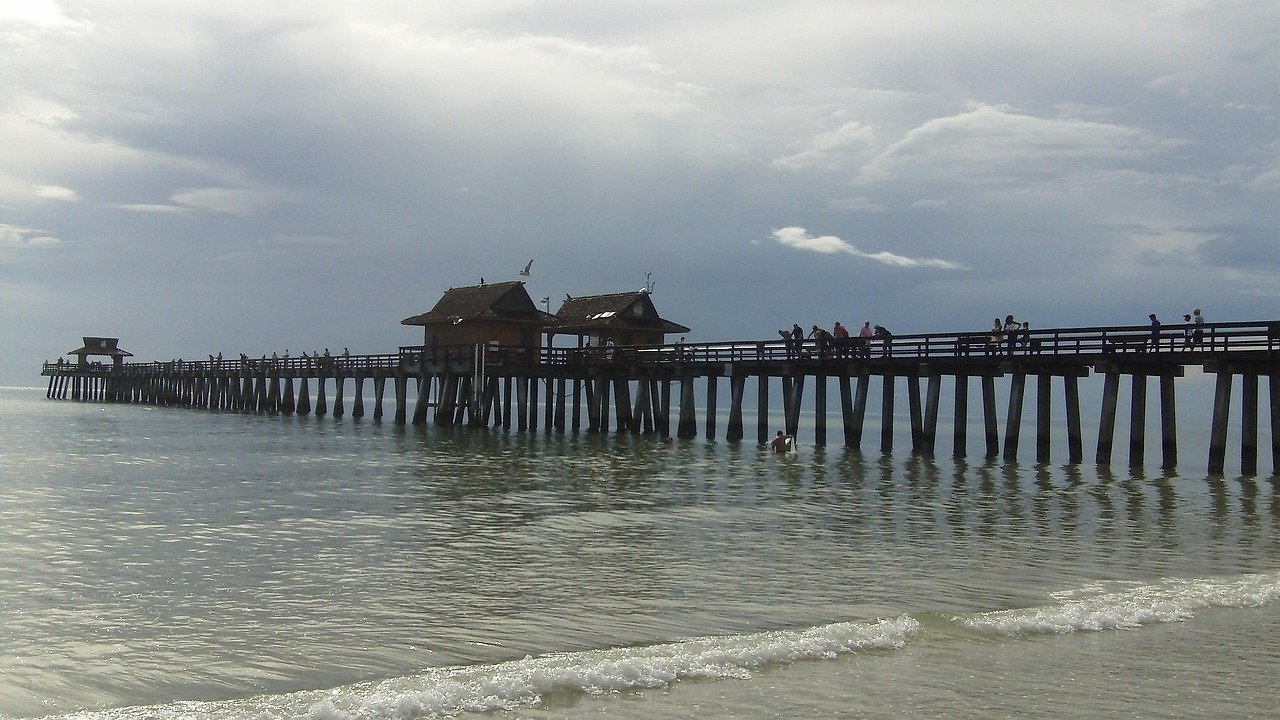
Which Naples Beach do you mean? That question matters more than it sounds. Search the phrase and you will pull up three different places: the city beach at the foot of the Naples Pier in Florida, the urban beaches of Naples, Italy, and a quiet stretch of coastline in Long Beach, California. This article focuses on the Florida one, because that is what most people are looking for, and it covers what the beach is actually like, how the pier has fared since Hurricane Ian, when to go, what to watch for, and the mistakes visitors make most often.
Which Naples Beach Are You Looking For?
Before booking anything, confirm the destination. The three places that share the name are very different trips.
| Naples Beach | Where it is | What it is known for |
|---|---|---|
| Naples Municipal Beach, Florida | Gulf of Mexico, west end of 12th Avenue South, at the Naples Pier | Calm shallow water, gray-white sand, fishing pier, walkable Old Naples |
| Naples, Italy | Tyrrhenian Sea, city waterfront near Castel dell’Ovo | Urban beach clubs, historic seafront, Mediterranean setting |
| Naples, Long Beach, California | Alamitos Bay, Long Beach | Sheltered bay water, kayaking, residential canal neighborhood |
If you want the pier, the shelling, and the Gulf sunset, you want Florida. The rest of this article stays there.
What Makes Naples Municipal Beach Distinctive
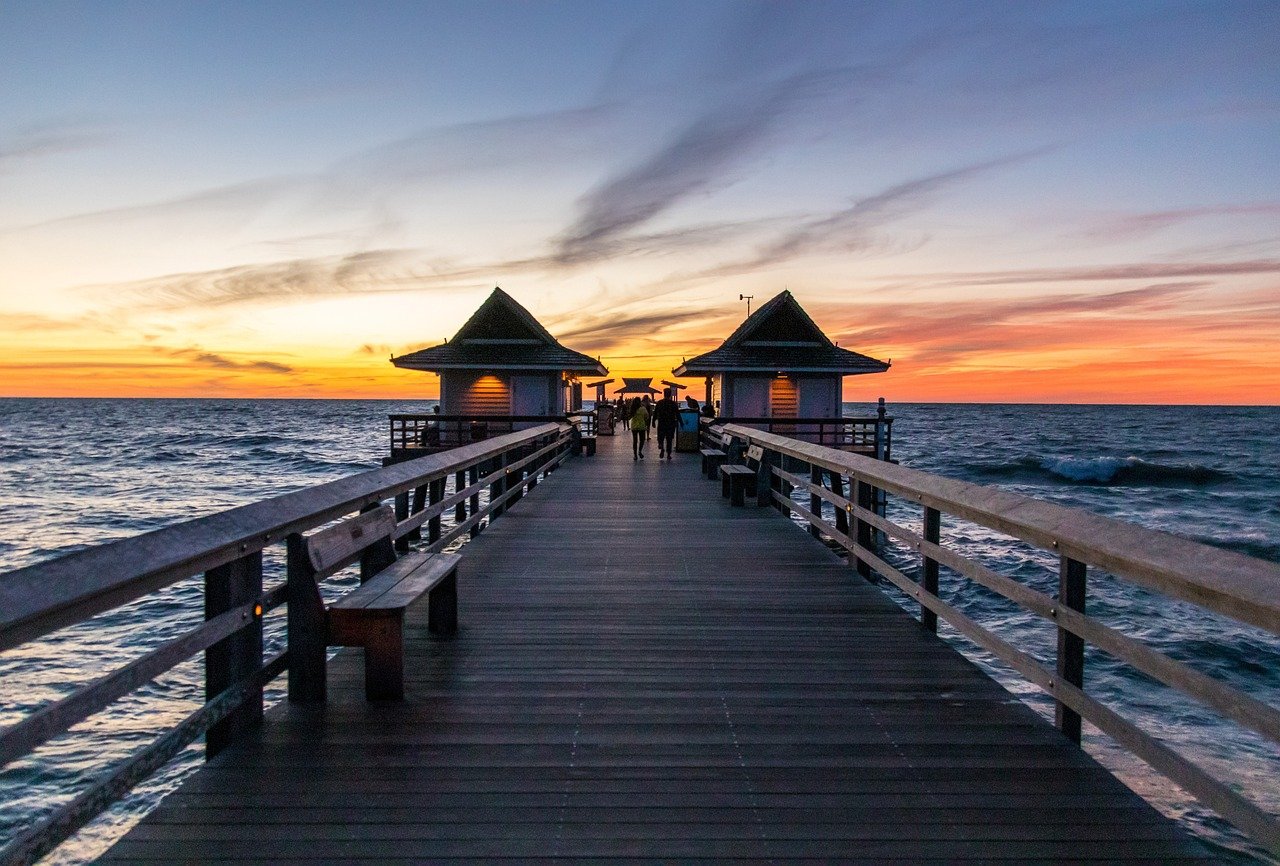
Naples Municipal Beach is the city’s main public beach, sitting on the Gulf of Mexico at the foot of the Naples Pier and at the western end of 12th Avenue South. It is free and open to the public, which is not a given on much of Florida’s southwest coast, where private resorts and gated communities claim long stretches of sand.
The water is the draw. The Gulf here is typically calm and shallow, with a gentle slope that suits families with small children and adults who want to wade rather than swim hard. The sand is gray-white and packed firmly near the waterline, which makes it easy to walk and easy to cycle if you are heading down from town.
The beach also sits at the edge of Old Naples, the walkable historic core of the city. Fifth Avenue South and Third Street South, the two main shopping and dining districts, are a short walk or a very short drive inland. That combination, a public beach plus a real town within walking distance, is what separates Naples from beach towns where the sand is the only thing there.
The Naples Pier: A Landmark That Keeps Coming Back
The Naples Pier is the beach’s defining feature and its most complicated one. The original structure dates to 1888, and it has been rebuilt after hurricanes and fires several times since. That history of destruction and reconstruction is essentially the story of coastal Florida in miniature.
Hurricane Ian made landfall on 28 September 2022 as a Category 4 storm and severely damaged both the pier and the surrounding beachfront. The pier closed, and the city rebuilt it in stages. Reopening happened in phases across 2023 and 2024 rather than on one clean date, which is why you will find conflicting information online about when the pier “reopened.”
Practical advice: do not trust a blog post, a review, or even a tourism site for current pier status. Check the City of Naples directly before you plan a trip around fishing from the pier or walking out to the end. Access can change with storm damage, maintenance, or special events, and the city is the only reliable source.
When the pier is open, it functions as a fishing pier first and a viewpoint second. Expect people with rods and buckets, especially in the early morning and around sunset. If you are not fishing, you are welcome to walk out, but give anglers room and keep an eye on backcasts.
Best Time to Visit, and What “Best” Actually Means
Naples has a strong seasonal rhythm, and the beach experience changes dramatically depending on when you arrive.
Winter and early spring (December through April) bring the most reliable weather: warm days, low humidity, and water that is cool but swimmable. This is also peak season. Parking near the pier is paid and limited even in quiet months; in peak season it can be genuinely difficult. Snowbird traffic makes restaurants and roads busier, and accommodation prices climb.
Summer (June through September) is hot, humid, and prone to afternoon thunderstorms. It is also the best value, with thinner crowds and lower rates. The trade-off is heat, and the fact that summer overlaps with both sea turtle nesting season and the annual risk of red tide.
Fall (October and November) is the underrated window. Water stays warm into October, crowds thin out, and the light is beautiful. It is also still hurricane season, which is worth factoring into any booking.
Sea Turtle Nesting Season
Naples-area beaches are nesting habitat for loggerhead sea turtles, and occasionally green turtles. Nesting season runs roughly May through October. During that window, local rules apply: no lights on the beach at night, no digging holes that stay open, and no leaving chairs, umbrellas, or trash on the sand overnight. A hole in the sand or a beach chair left out can trap a hatchling heading for the water.
This is not a suggestion. It is enforced, and it is also just good manners. If you are visiting with kids, the nesting season is an opportunity to explain something real about the coast rather than a reason to avoid the beach.
Red Tide
Southwest Florida beaches, Naples included, are periodically affected by red tide, a bloom of the organism Karenia brevis. When a bloom is active, it can cause respiratory irritation in people on the beach, kill fish, and turn the water murky. It is a recurring natural phenomenon, not a one-off event, and it does not follow a predictable schedule.
The practical move is to check current conditions before you commit to a beach day, particularly in late summer and fall. If you have asthma or other respiratory sensitivity, take red tide reports seriously rather than hoping for the best.
Parking, Access, and the Mistakes Visitors Make
Here is where first-time visitors get tripped up.
- Assuming the beach has a big free lot. It does not. Parking near the pier is paid and limited. Arrive early, or plan to park further away and walk.
- Not checking pier status before driving over. The pier has been through a major rebuild. Confirm it is open before you build a morning around it.
- Treating the beach as a full-day resort. There are no sprawling commercial beach clubs here. Bring what you need, or plan to walk into Old Naples for food and drink.
- Underestimating the sun. Gulf sun is intense even on hazy days. Shade is limited near the pier, and shade structures are restricted on many Florida beaches for turtle reasons.
- Ignoring rip currents. The water looks calm and usually is, but rip currents do occur on Gulf beaches. Swim near other people and follow posted warnings.
- Leaving valuables in the car. Beach parking areas are targets for theft. Take keys and phones with you, not into the glovebox.
A good routine: park early, walk the beach before the heat builds, spend the middle of the day in town, and come back for sunset. That pattern avoids the worst of the sun and the worst of the parking crunch.
If you are the kind of traveler who plans the digital side of a trip as carefully as the logistics, the same discipline applies to your accounts and files before you leave. A password manager that separates your travel logins from your everyday ones is worth setting up in advance, and comparisons like 1password vs keeper vs nordpass each protects where its help you pick one without overthinking it. If you are moving photos off your phone each evening, check what each service actually gives you for free in best free cloud storage 2026 each provider actually gives before you rely on it mid-trip.
What to Do Beyond the Sand
The beach is the anchor, but Old Naples is the reason people come back.
Fifth Avenue South is the main dining and shopping strip, walkable from the beach and busy in season. Third Street South is quieter and more boutique, with a cluster of restaurants and galleries. Both are pleasant to wander in the evening when the heat breaks.
Shelling is a genuine draw on this stretch of coast. The Gulf side of southwest Florida is known for shells, and early morning after a storm or a low tide is when you find the good ones. Bring a bag, take only what is empty, and leave live shells where they are.
Sunset is the nightly event. The beach faces west, which means the sun goes down over the water. People gather near the pier, and on a clear evening it is genuinely worth planning your day around.
Fishing from the pier, when it is open, requires no boat and no license for most shore-based anglers, though rules change and you should confirm current requirements before you cast.
Is Naples Beach Worth It?
It depends on what you want. If you want a public, free, calm-water beach attached to a real walkable town, with a historic pier and good shelling, it is hard to beat on the Gulf coast. If you want big surf, boardwalk attractions, or a party scene, this is not that beach. Naples is quiet by design, and the town’s character is part of the appeal.
The honest caveats are real: parking is tight, the pier’s status has been in flux since 2022, red tide is a genuine seasonal risk, and peak season is crowded and expensive. None of that makes the beach bad. It makes it a place worth planning for rather than improvising.
A Note on Digital Prep Before You Go
Beach towns are where phones get lost, dropped in sand, or left on a towel. Before a trip like this, it is worth making sure your accounts are not protected by a single weak password. The difference between passkeys vs passwords vs 2fa each one really protects 2027 is worth understanding before you travel, not after. And if you are carrying cash for parking meters and small vendors, the trade-offs in money order vs cashiers check fees fraud risk when use each are a useful refresher on which payment instrument to reach for and when.
Conclusion
Naples Beach, Florida, is a free public beach at the foot of a landmark pier, backed by a walkable historic town and fronted by calm, shallow Gulf water. It has been through a hard few years since Hurricane Ian came ashore on 28 September 2022, and the pier’s phased rebuild means you should always confirm current access before you go. Go early for parking, plan around the heat, respect turtle nesting rules between May and October, check red tide conditions in late summer and fall, and treat the pier as a working fishing spot rather than a theme park attraction. Do that, and the beach delivers exactly what it promises: a quiet, beautiful stretch of Gulf coast with a town worth walking into when the sun gets too strong.
Frequently Asked Questions
Is Naples Beach free to visit?
Yes. Naples Municipal Beach is free and open to the public. Parking near the pier is paid and limited, so the cost of a visit is mostly parking and whatever you spend in town. Arriving early is the simplest way to avoid circling for a spot.
Is the Naples Pier open right now?
It depends on the phase of reconstruction and current conditions. Hurricane Ian damaged the pier badly on 28 September 2022, and the city rebuilt it in stages across 2023 and 2024. Because reopening happened in phases and access can change with maintenance or weather, check the City of Naples directly rather than relying on reviews or older articles.
When is the best time to visit Naples Beach?
December through April offers the most reliable weather, but it is also peak season with the highest prices and the tightest parking. October and November are an underrated middle ground with warm water and thinner crowds. Summer is cheapest but hot, humid, and storm-prone.
Can you swim at Naples Beach?
Yes. The Gulf water here is typically calm and shallow, which makes it a comfortable swimming beach for most people. That said, rip currents do occur on Gulf beaches even on calm-looking days. Swim near other people and follow any posted warnings.
What is red tide and does it affect Naples Beach?
Red tide is a bloom of the organism Karenia brevis that periodically affects southwest Florida beaches. When active, it can cause respiratory irritation, fish kills, and murky water. It is a recurring natural phenomenon rather than a one-time event, so check current conditions before a beach day, especially in late summer and fall.
Are there sea turtles on Naples Beach?
Yes. The beaches in this area are nesting habitat for loggerhead sea turtles, and occasionally green turtles, with nesting season running roughly May through October. Local rules prohibit beach lights at night and leaving chairs, umbrellas, or open holes on the sand overnight, because these can trap hatchlings heading for the water.



