
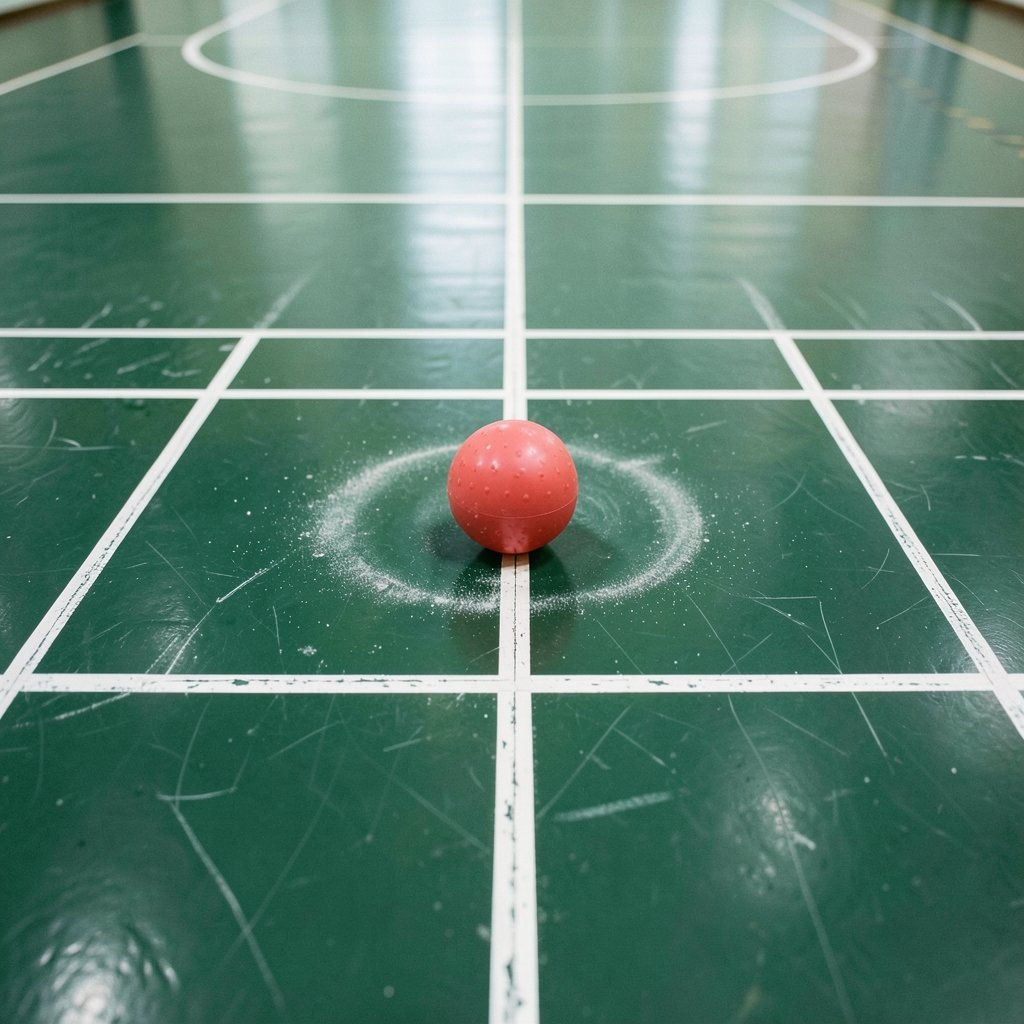
What happens when you draw a tic-tac-toe board on the playground, hand nine kids a bouncy ball, and tell them to keep it in the air? You get the nine square game, one of the loudest, fastest, and most surprisingly strategic activities in any school gym or summer camp. It looks simple from the sidelines. Then you step into a square, the ball comes at you, and you realize there is more going on than a bunch of kids swatting at a ball.
The nine square game is a playground and physical education staple built around a 3×3 grid. Each square holds one player, a ball gets struck back and forth, and players rotate or drop out based on whether they handle the ball cleanly. That is the short version. The long version involves house rules, equipment debates, and the reason your kid comes home from camp talking about “king square” like it is a title worth defending.
What Is the Nine Square Game, Exactly?
The nine square game is a team and individual striking game played on a grid of nine equal squares arranged three by three. One player stands in each square. A ball is served into play, and whoever receives it must return it into another player’s square before it bounces twice or rolls out of bounds. Miss it, and you are out. Catch it cleanly, and the player who hit it is out instead, depending on the ruleset in use.
The name is not always precise, and that matters for anyone searching for instructions. “Nine square” also describes number-placement puzzles built on a 3×3 grid, including magic squares and Sudoku-style logic problems. If someone is asking about a puzzle, they want digits, not dodgeballs. This article covers the physical game: the one played in gyms, at recess, and at camps.
The Grid and the Court
A standard setup is a 3×3 grid, often about 12 to 16 feet on each side, marked with tape, chalk, or painted lines. Squares are usually numbered or named, and the middle square matters because it touches all eight others. That central position sees the most action and gives the player in it the most passing options.
The most common labels run from 1 to 9, with the center square as the “king” or “ace” position and the corner squares as the low spots. Some setups use a raised frame with nine suspended squares, a variant often called Nine Square in the Air. In that version, the ball passes through the squares rather than bouncing on the floor, which changes the game’s pace considerably.
The Basic Rules Most Groups Use
Rules vary widely, but a typical game follows this structure:
- One player stands in each of the nine squares, and the rest wait in a line behind the lowest-ranked square.
- The player in the highest-ranked square serves the ball into any other square.
- The receiving player must hit the ball into a different square before it bounces twice inside their own square.
- A player is out if the ball bounces in their square and they fail to return it, if they hit it out of bounds, or if they hit it into their own square.
- The eliminated player moves to the back of the line, everyone else rotates up one square, and a new player enters the lowest square.
- Play continues until time runs out or the group decides to reset.
That rotation rule is the engine of the whole game. Because everyone moves up a square after each elimination, the stakes stay high and nobody sits out for long. A player who reaches the top square has to defend it, and defending it is harder than it looks.
Why the Game Works So Well in Physical Education
The nine square game earns its place in gym classes for reasons that have little to do with winning. It keeps every player involved, it needs almost no equipment, and it teaches decision-making under mild pressure. A player has a split second to decide where to send the ball, and that decision has consequences for themselves and everyone else on the grid.
The game also builds hand-eye coordination, tracking, and quick footwork without feeling like a drill. Kids who avoid traditional team sports often take to nine square because the pressure is individual and short-lived. Mess up, and you are back in line within seconds, not benched for a quarter.
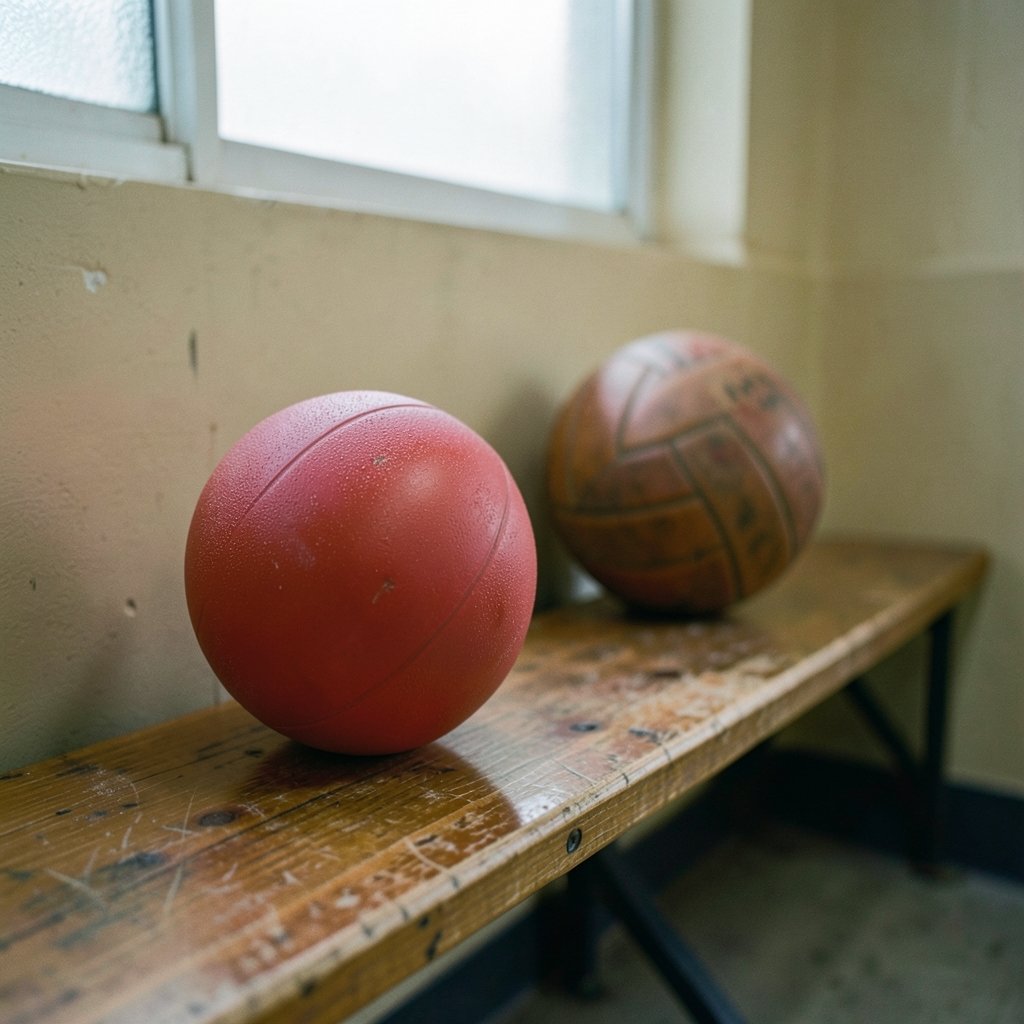
Practical tip from people who run this game regularly: use a soft playground ball, not a volleyball. A hard ball makes younger players flinch, and flinching turns into chaos. A slightly deflated ball travels slower, bounces predictably, and keeps the rally alive. If you are setting up a permanent court, paint the lines rather than taping them, because tape lifts on hot days and creates tripping hazards.
Common Mistakes That Ruin a Good Game
Most nine square sessions fall apart for the same handful of reasons. Knowing them in advance saves a lot of arguing.
Too many players on the grid. Nine squares means nine players. Squeezing in extras creates collisions and confusion about whose ball it was. Keep a line and rotate.
No agreed-upon rules before the first serve. Groups that start playing without settling the catch rule, the double-bounce rule, and the out-of-bounds rule will spend the next twenty minutes debating calls. Spend two minutes setting terms first.
Serving too hard. The serve is meant to start a rally, not end it. A serve that is impossible to return kills the fun for everyone below the top square. Many groups cap the serve at an underhand toss for exactly this reason.
Ignoring the rotation. If eliminated players do not rotate up, the same strong players dominate and everyone else drifts away. The rotation is what keeps the game fair.
Forgetting that rules are not standardized. There is no single governing body for nine square and no official rulebook that settles disputes. Rules differ by school, camp, and equipment vendor. That is a feature, not a bug, but it means the group has to agree on its own version. Write the house rules on a whiteboard if the group plays often.
Variations Worth Trying
Once a group has the basics down, variations keep the game fresh. These are the ones that show up most often in gyms and camps.
| Variation | How It Works | Best For |
|---|---|---|
| Nine Square in the Air | Raised frame with nine suspended squares; ball passes through instead of bouncing | Larger groups, faster pace, less chasing |
| Catch and Throw | Players may catch the ball before returning it | Younger kids, beginners |
| No-Catch | Ball must be struck volley-style, no catching | Experienced players wanting a challenge |
| King’s Rules | The player in the top square sets one rule for their reign | Groups that like creative twists |
| Team Nine Square | Two teams share the grid and score points collectively | PE classes with large numbers |
The catch-and-throw version deserves special mention. Allowing a catch slows the game just enough for younger players to track the ball and make a decision. Many elementary programs start there and remove the catch rule once players are comfortable.
If your group enjoys grid-based and rule-driven games, the same appeal shows up in other formats. Board games built around movement and chance, like a horse racing board game, scratch a similar itch for players who like clear rules and quick turns. The nine square game sits in that same family: simple framework, endless variation.
Setting Up a Court on a Budget
You do not need fancy equipment. A roll of painter’s tape, a soft ball, and a flat surface will get a game going in ten minutes. Here is what actually works in practice.
For a temporary court, use painter’s tape on a gym floor or chalk on asphalt. Measure a large square and divide it into nine equal sections. Aim for squares roughly four to five feet per side, which gives players room to move without turning the game into a sprinting contest.
For a permanent court, exterior paint holds up far better than tape. Mark the lines clearly and add numbers in each square so players know the ranking order at a glance. A painted court also settles arguments, because the boundaries are visible and unambiguous.
For the ball, a standard playground ball around 8.5 inches works well for most age groups. Softer balls reduce sting and fear. Avoid anything too small, since a small ball moves fast and is hard to track.
One more setup note: leave space around the grid. Players chase stray balls constantly, and a court jammed against a wall creates collisions. A buffer of at least six feet on all sides makes a real difference.
How the Game Fits Into a Bigger Picture of Play
The nine square game belongs to a long tradition of simple, adaptable playground games that spread by word of mouth rather than official rulebooks. That is also why its origins are murky. No verified inventor, first-played date, or founding organization exists for the schoolyard version, and claims otherwise should be treated with suspicion.
What is clear is the game’s staying power. It requires no expensive equipment, scales from four players to forty, and adjusts to almost any age group with a rule tweak or two. Those qualities explain why it keeps showing up in gym classes decades after other fads fade.
The same logic explains why people gravitate toward games with low barriers to entry across every medium. Video game subscription services, for instance, succeed partly because they lower the cost of trying something new, a dynamic worth understanding if you are weighing whether a monthly gaming budget makes sense, as explored in this breakdown of Xbox Game Pass cost in 2025 and whether it is worth it. Accessibility wins, whether the game is played with a ball or a controller.
There is also a growing conversation about how digital storefront economics affect the games people can actually access, a topic covered in this analysis of Apple EU App Store fees for game developers in 2026. None of that changes the appeal of a taped grid and a bouncy ball, but it is a reminder that “accessible” means different things in different contexts.
Coaching Cues That Actually Help
If you are running the game for a group of kids, a few short cues do more good than a long lecture.
“Call it.” Teach players to say “mine” when the ball is coming to their square. It cuts down on collisions and confusion.
“Aim for space.” New players tend to hit the ball straight at whoever is closest. Encourage them to send it toward a corner or an empty-looking square instead.
“Soft hands.” The instinct is to swat. A softer, controlled contact keeps the ball in play and gives the hitter more accuracy.
“Reset fast.” After an elimination, get the rotation moving quickly. Downtime is what loses a group’s attention.
These cues take thirty seconds to teach and pay off for the rest of the session. They also translate to other net and wall games, which is part of why PE teachers like nine square as a foundational activity.
Conclusion
The nine square game earns its reputation as a playground classic for reasons that are easy to see once you watch a round. Nine players, one ball, a taped grid, and a rotation rule that keeps everyone honest. It is simple enough to explain in a minute and flexible enough that no two groups play it exactly the same way. That flexibility is the point. There is no official rulebook to consult, so the group decides what counts, and the group enforces it.
For anyone setting up a game for the first time, the recipe is straightforward: mark a 3×3 grid, grab a soft ball, agree on the catch and bounce rules before the first serve, and keep the rotation moving. Add variations once the basics feel stale. Whether it is a gym class, a camp afternoon, or a backyard with chalk lines, the game delivers the same thing every time: fast rounds, loud arguments about close calls, and kids who want to play one more.
Frequently Asked Questions
How many players do you need for the nine square game?
Nine players fill the grid, one per square. You can run a game with fewer by leaving some squares empty, though the game works best with a full grid and a line of waiting players. A line of three or four substitutes keeps the rotation brisk and gives eliminated players something to do besides wander off.
Is there an official rulebook for nine square?
No verified governing body or official rulebook exists for the schoolyard version. Rules differ by school, camp, and equipment vendor. That means each group sets its own terms, usually covering the catch rule, how many bounces are allowed, and what counts as out of bounds. Agreeing on those three points before play starts prevents most disputes.
What kind of ball should you use?
A soft playground ball around 8.5 inches in diameter works best for most age groups. It bounces predictably, travels at a manageable speed, and does not sting on contact. Volleyballs are too hard for younger players, and small bouncy balls move too fast to track comfortably. A slightly underinflated ball is often better than a fully inflated one.
What is Nine Square in the Air?
It is a variant played on a raised frame holding nine suspended squares. The ball passes through the squares instead of bouncing on the floor. The setup keeps the ball in play longer and reduces chasing, which makes it popular in gyms and at camps with limited space. The core rules stay the same, but the pace is noticeably faster.
Can younger children play?
Yes, with adjustments. The most common change is allowing players to catch the ball before returning it, which slows the game down and gives younger kids time to make decisions. Use a softer ball, shrink the court slightly, and keep the rotation quick so nobody waits long between turns.
How do you keep the game fair when skill levels vary?
The rotation rule does most of the work, since every elimination moves players up and sends the eliminated player to the back of the line. You can also cap the serve at an underhand toss, require the top-square player to serve to a different square each time, or let the player in the king square set one house rule per reign. Mixed-age groups often pair a strong player with a younger one in team variations to balance things out.



