
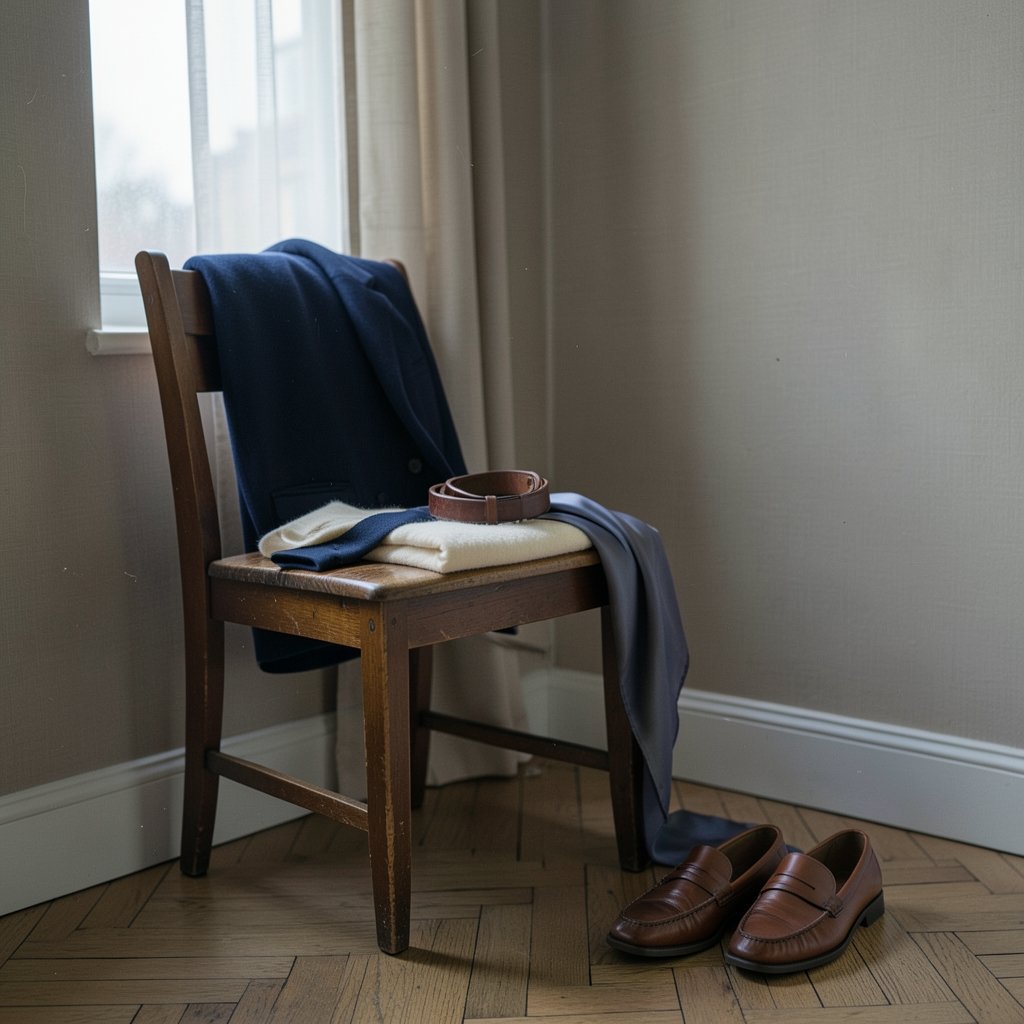
What makes a plain navy blazer, a cream sweater, and a pair of worn loafers look expensive while a logo-covered outfit looks cheap? That question drives the old money aesthetic, a style trend that took over social media feeds and shopping carts in the early 2020s. It is a look built on restraint, and it has become one of the most imitated and most misunderstood style movements of the decade.
This guide breaks down where the trend came from, what actually defines it, how it differs from related labels like quiet luxury, and how to pull it off without turning your wardrobe into a costume.
Where the Old Money Aesthetic Came From
The term is not the invention of a fashion house or a magazine editor. It is a social media label that spread widely on platforms like TikTok around 2022 and 2023, often sitting alongside the phrase quiet luxury. Nobody can point to a single first use, and that matters. There is no official body that defines the aesthetic, no rulebook, and no governing trend report. Anyone who tells you otherwise is selling something.
What the trend did was give a name to something older. The style draws heavily on preppy clothing, the collegiate look that has circulated in American culture for the better part of a century through brands, campuses, and film. It also overlaps with coastal grandmother, a term that gained traction around 2022 for a softer, linen-and-cashmere version of the same instinct.
The timing was not random. Around 2023, media coverage of quiet luxury surged, and much of that coverage was tied to the final season of the television drama Succession, which aired that year. The show’s costumes became a reference point for viewers interested in understated wealth. The causal link between the show and the trend is widely asserted in the press, but it is not something researchers have measured. Treat it as a cultural coincidence worth noting, not a proven cause.
What Actually Defines the Look
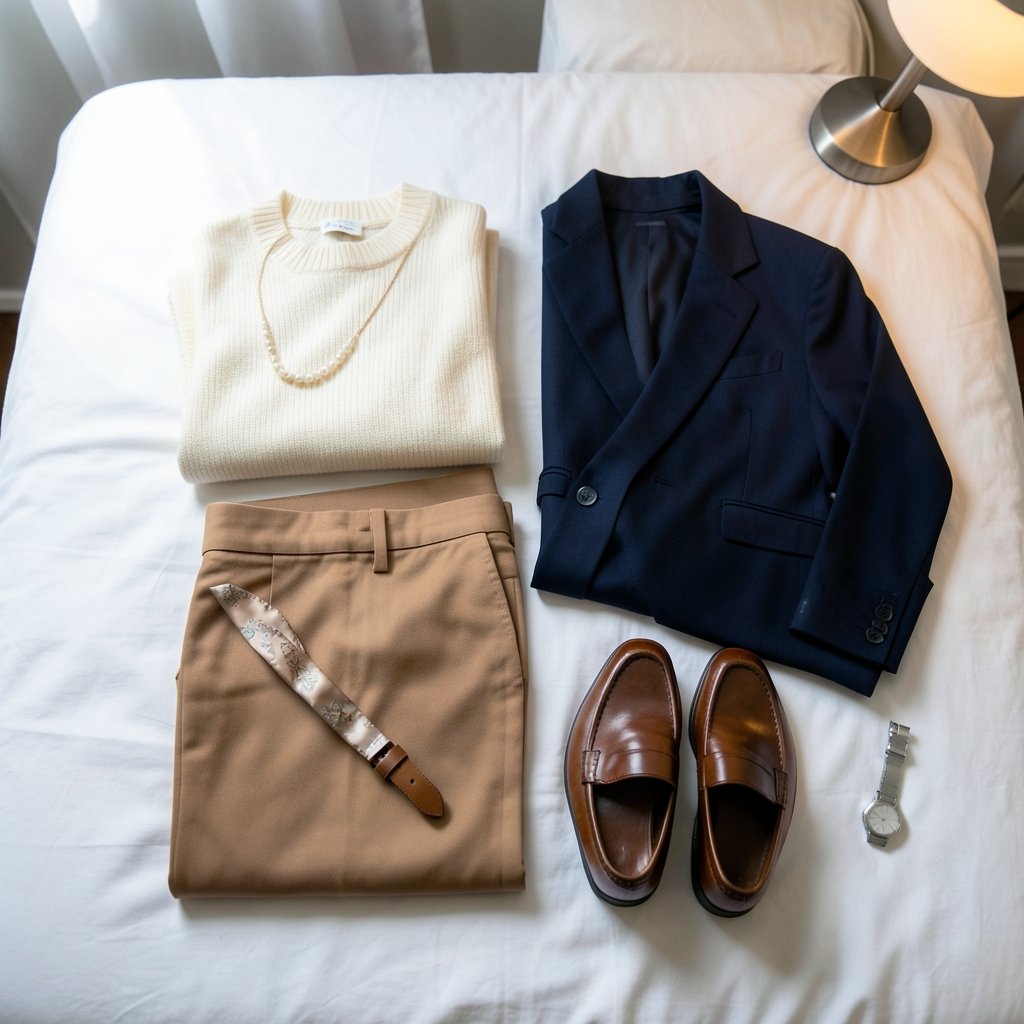
Strip away the hashtags and the aesthetic has a fairly consistent visual core. Fashion commentary tends to agree on the following markers:
- Neutral and muted colors such as cream, camel, navy, gray, olive, and white
- Tailored pieces including blazers, straight-leg trousers, and well-cut coats
- Knitwear in cashmere, merino, and cotton, often layered
- Classic footwear such as loafers, ballet flats, and simple leather boots
- Minimal visible branding, with logos small enough to miss
- Traditional accessories like pearls, silk scarves, and leather belts
Notice what is missing from that list: anything loud. The aesthetic defines itself largely in opposition to ostentatious display. Big logos, flashy jewelry, and anything that screams “look at my money” are out. The signal is meant to be quiet enough that only people who know the codes will read it.
That contrast with new money styling is the engine of the whole trend. The old money versus new money distinction is a long-standing cultural trope rather than a sociological measurement, and the aesthetic borrows that trope wholesale. It is less about actual wealth than about performing a particular idea of taste.
Old Money Aesthetic vs. Quiet Luxury vs. Preppy
These three labels get used almost interchangeably, which confuses people trying to shop. They are related but not identical, and the boundaries are genuinely fuzzy. Here is a rough comparison:
| Feature | Old Money Aesthetic | Quiet Luxury | Preppy |
|---|---|---|---|
| Core idea | Understated inherited taste | Expensive goods without logos | Collegiate, sporty tradition |
| Typical colors | Neutrals, navy, cream | Neutrals, often monochrome | Navy, green, pastels, stripes |
| Signature pieces | Blazer, loafers, pearls | Cashmere, tailored wool | Polo shirts, boat shoes, rugby stripes |
| Brand visibility | Very low | Very low | Moderate, often crests |
| Main critique | Class aspiration | Exclusionary pricing | Costume-like nostalgia |
The differences are real but subtle. Quiet luxury leans harder into price and material quality, while the old money look leans into cultural codes and tradition. Preppy brings in more sport and more color. Most outfits people post online blend all three, which is exactly why definitions vary so much from source to source.
Why Subtle Signals Work So Well
There is a body of scholarship that explains why understated style functions as a status marker. The economist Thorstein Veblen described conspicuous consumption, the idea that people buy and display goods to signal wealth and status. That concept underpins the entire old money versus new money contrast, and it is worth reading about if you want the theoretical background.
But the old money aesthetic is really an example of something more interesting: inconspicuous consumption, a term used by scholars of fashion and class to describe how subtle signals can mark status precisely because they require cultural knowledge to decode. A plain cashmere crewneck and a cheap acrylic one look similar in a photo. Only someone who knows fabric, fit, and construction can tell them apart. That gap in knowledge is the point. The signal is invisible to outsiders and obvious to insiders.
This is an interpretive framework, not a measured finding about this specific trend. Still, it explains a lot about why the aesthetic feels exclusive even when nothing about it is expensive on its face.
How the Trend Went Commercial
Retailers noticed quickly. From about 2023 onward, brands and stores began marketing quiet luxury and stealth wealth products directly to shoppers who wanted the look without the old money background. Specific sales figures should be checked against primary reporting before you repeat them, but the direction is clear: a trend that started as a rejection of loud branding became a merchandising category of its own.
That commercial uptake created an awkward irony. The aesthetic is supposed to look like you did not try, yet it now comes with a shopping list. Practical shoppers have found a middle path: buying fewer pieces, choosing natural fibers, and prioritizing fit over labels. That approach works far better than chasing specific items.
How to Get the Look Without the Costume
Most people who try the old money aesthetic and fail make the same mistakes. Here is what actually works in practice, along with the traps to avoid.
- Start with fit, not brand. A well-tailored blazer from a thrift store beats a poorly fitting designer one every time. Take anything you buy to a tailor. Sleeve length and shoulder seams matter more than the label sewn inside.
- Choose fabric you can feel. Natural fibers like wool, cotton, linen, and cashmere drape and age better than synthetics. Hold the garment up to the light. If it looks thin or shiny, it will not read as expensive.
- Build a small palette. Pick three or four neutrals that work together and stop there. A wardrobe where everything matches makes getting dressed easy and keeps the look consistent.
- Hide the logos. Skip anything with a visible brand mark larger than a coin. If you love a piece that has one, look for versions without it.
- Invest in shoes and a bag. These get the most wear and the most scrutiny. Classic leather styles outlast trends.
- Avoid the costume trap. This is the big one. Full pearls, a headband, a blazer, and loafers all at once can read as dress-up. Wear one or two classic pieces with something ordinary, like jeans or a plain tee.
Common mistakes worth naming directly: buying cheap “quiet luxury” dupes that pill after two washes, over-accessorizing, and treating the aesthetic as a uniform rather than a set of principles. People also tend to buy too much at once. Slow accumulation looks more authentic than a single haul.
There is also a money-management angle worth considering. Trends encourage spending, and the pressure to buy a whole new wardrobe is real. If you are building a budget for style upgrades, it helps to think about where money actually goes before you swipe a card. The same discipline that applies to bigger financial decisions, from how to make money with AI to planning a major purchase, applies to clothing budgets. And if a deal looks too good to be true online, remember that the gift card scam works and victims rarely get their money back, a reminder to buy from sources you trust. (Old money)
The Critique Worth Taking Seriously
The old money aesthetic has attracted fair criticism. Commentators have pointed out that the trend relies on class aspiration, and that many of the brands associated with it are exclusionary by price. There is something uncomfortable about a style movement that romanticizes inherited wealth while being sold to people who do not have it.
That critique is opinion and commentary, not empirical data, but it is worth holding alongside the fun of getting dressed. The healthiest way to engage with the trend is to treat it as a design language, not a class identity. You can appreciate clean tailoring and neutral colors without pretending to a background you do not have.
There is also a practical critique: the look can be boring. A wardrobe of nothing but beige can feel flat. Many stylists suggest adding one personal element, whether that is a bold watch, a vintage scarf, or a color nobody expects.
How the Trend Connects to Wider Money Culture
Style trends rarely exist in isolation. The old money aesthetic arrived during a period of intense public interest in wealth, status, and financial systems. Central banks were exploring digital currencies, for example, and the conversation about CBDCs and how central bank money is going digital reflects the same cultural fascination with money and how it is displayed. Meanwhile, security concerns have grown alongside wealth signaling. Understanding where identity threat detection costs really go is a useful counterpoint for anyone who posts their life, and their purchases, online.
The point is not that a blazer is a financial decision. It is that the aesthetic sits inside a broader conversation about class, spending, and what money signals mean in public.
Conclusion
The old money aesthetic is less a set of rules than a mood: quiet colors, good fabric, careful fit, and a deliberate lack of noise. It spread through social media in the early 2020s, borrowed heavily from preppy tradition, and blurred into quiet luxury until the two became nearly indistinguishable in everyday use. It has real commercial machinery behind it and a real class critique aimed at it.
What makes it worth learning is the underlying principle. Restraint, quality, and fit will always look better than loud branding, whether or not you can afford the brands usually attached to the trend. Buy less, tailor what you own, and let the clothes be quiet. That approach outlasts any hashtag.
Frequently Asked Questions
What is the old money aesthetic?
It is a style trend that favors understated, classic clothing in neutral colors, with tailored pieces, knitwear, loafers, and minimal visible branding. The label spread widely on social media around 2022 and 2023. There is no official definition, and sources disagree on its exact boundaries.
Is the old money aesthetic the same as quiet luxury?
Not exactly, though the two are often used interchangeably. Quiet luxury emphasizes expensive goods without logos, while the old money aesthetic leans more on cultural codes and tradition. Most real outfits blend both, which is why the terms get muddled.
When did the trend start?
It gained wide use on social platforms around 2022 to 2023, alongside rising media coverage of quiet luxury. Much of that coverage was tied to the final season of Succession in 2023, though the link is widely asserted rather than proven by research.
Do you need expensive clothes to get the look?
No. Fit, fabric, and color matter far more than price tags. A tailored secondhand blazer in a natural fiber will read better than a poorly fitting designer piece. Prioritize wool, cotton, linen, and cashmere, and skip visible logos.
What are the biggest mistakes people make?
Over-accessorizing, buying cheap imitations that pill quickly, and treating the look as a full costume rather than a set of principles. Buying an entire new wardrobe at once is another common error. Slow, careful accumulation looks more natural.
Is the trend controversial?
It has drawn criticism for romanticizing inherited wealth and for relying on brands whose prices exclude most people. That criticism is commentary rather than measured data, but it is a fair point to weigh if you are drawn to the style.



