What if the most common laser eye surgery in the world is also the one most people misunderstand? Photorefractive keratectomy, almost always shortened to PRK, has been performed since the late 1980s. Millions of procedures later, it still gets confused with LASIK, described with outdated warnings, and searched for under the odd phrase “operation PRK.” This article clears that up. It covers what the operation involves, how recovery really unfolds week by week, who benefits most, and which mistakes trip people up before and after surgery.
What “Operation PRK” Actually Refers To
PRK stands for photorefractive keratectomy. It is a refractive eye surgery that uses an excimer laser to reshape the clear front surface of the eye, the cornea, so that light focuses more sharply on the retina. The goal is to reduce dependence on glasses or contact lenses for conditions such as nearsightedness (myopia), farsightedness (hyperopia), and astigmatism.
The phrase “operation PRK” is simply a literal way of saying “PRK surgery.” There is no separate military, police, or corporate operation by that name in common use. If someone lands on this page after searching the term, the eye procedure is almost certainly what they were looking for.
One key distinction matters from the start. In LASIK, a surgeon cuts a thin flap in the cornea, lifts it, and lasers the tissue beneath. In PRK, no flap is created. Instead, the outer layer of the cornea, the epithelium, is removed, and the laser reshapes the surface underneath. The epithelium then regrows on its own over the following days. That single difference explains nearly everything else about the two procedures, from recovery time to long-term risk profiles.
How the Procedure Works, Step by Step
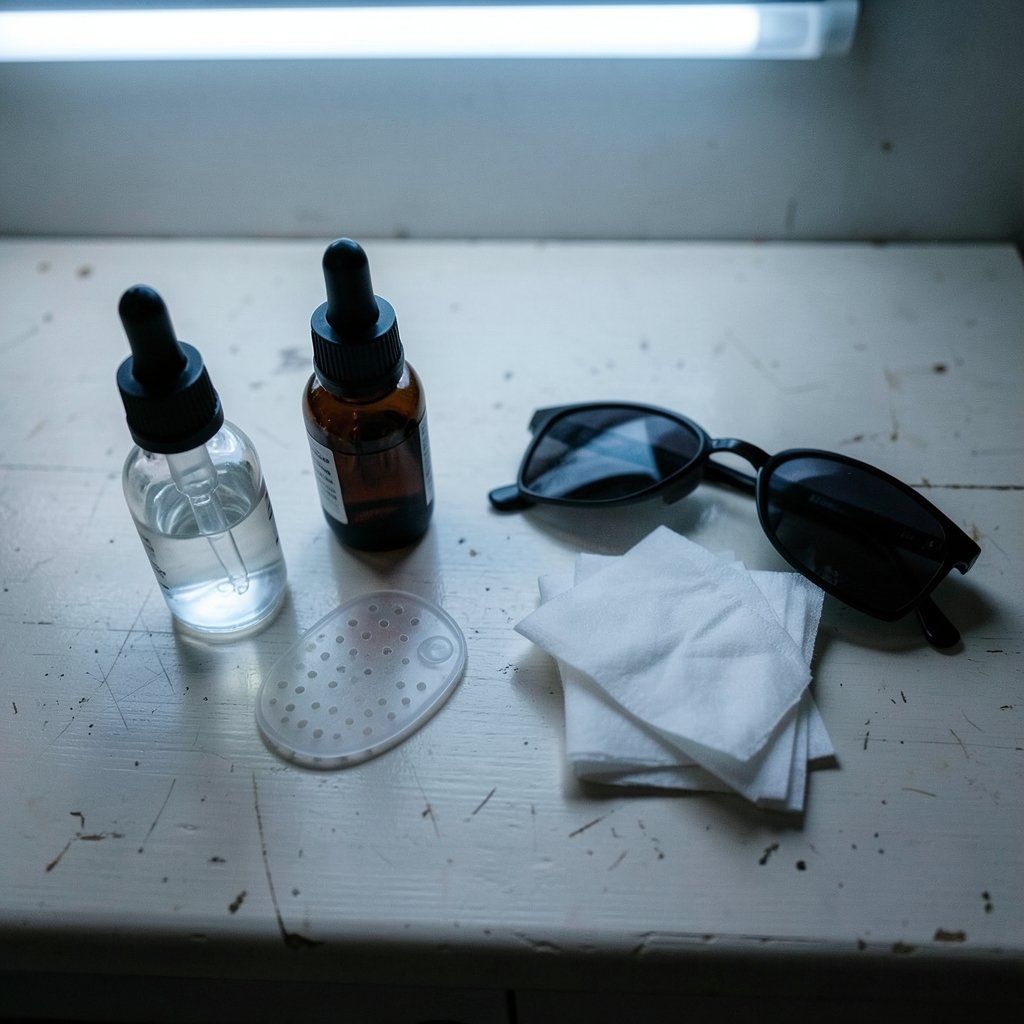
PRK is typically an outpatient procedure performed under topical anesthetic drops. Patients are awake the whole time. Here is the general sequence:
- Numbing and preparation. Anesthetic drops numb the eye. The area around the eye is cleaned and draped.
- Epithelium removal. The surgeon removes the thin outer layer of the cornea, either with a blunt instrument, a diluted alcohol solution, or a laser. This takes seconds.
- Laser reshaping. The excimer laser removes microscopic amounts of corneal tissue according to a personalized map of the eye. The laser portion usually lasts under a minute per eye.
- Protective contact lens placement. A soft bandage contact lens is placed over the eye to protect the regrowing surface and reduce discomfort.
- Recovery and follow-up. The lens is removed days later once the epithelium has healed, and vision is monitored over the following weeks and months.
Both eyes are often treated in the same session, though some surgeons prefer to space them apart. The whole visit usually takes well under an hour of chair time.
PRK vs. LASIK: A Side-by-Side Comparison
The comparison below reflects widely documented differences between the two surgeries. Individual outcomes vary by prescription, corneal thickness, and healing response.
| Factor | PRK | LASIK |
|---|---|---|
| Corneal flap | None | Flap created and lifted |
| Typical visual recovery | Days to a few weeks | Often within 24 hours |
| Early discomfort | Moderate, peaking in the first 2 to 3 days | Mild |
| Corneal tissue removed | Slightly more (surface included) | Slightly less |
| Suitability for thin corneas | Generally yes | Often limited |
| Flap-related complications | None (no flap exists) | Possible, including dislodgement |
| Dry eye tendency after surgery | Often more pronounced early on | Often less early on |
| Long-term stability | Well established over decades | Well established over decades |
The trade-off is clear. PRK asks for patience in exchange for a surface that has no flap to disturb. LASIK offers speed in exchange for a flap that, while very safe, permanently changes the cornea’s structure.
Who Is a Good Candidate?
Surgeons evaluate candidates on several fronts. Strong candidates typically share these traits:
- Stable prescription for at least a year
- Adequate corneal thickness, especially relevant when LASIK is on the table
- Healthy eyes, with no active infections, severe dry eye, or conditions like keratoconus
- Age over 18, though many surgeons prefer patients in their twenties or older
- Realistic expectations about recovery time
PRK is often recommended for people who play contact sports, work in dusty or dry environments, have thin corneas, or have previously had certain refractive surgeries. Some branches of the military have historically favored PRK or similar surface procedures for combat personnel because there is no flap to injure. Anyone weighing options should confirm current policy with the relevant organization rather than relying on older guidance.
People who are pregnant, nursing, or taking certain medications may be asked to wait. An autoimmune condition or a history of poor wound healing also prompts extra caution.
What Recovery Really Feels Like
This is where expectations matter most, and where online accounts tend to swing between “it was nothing” and “it was brutal.” The honest answer sits in the middle.
Days 1 to 3: The Rough Patch
The first two or three days are the most uncomfortable. Expect watering, light sensitivity, a gritty sensation, and blurry vision. The bandage contact lens helps, but it does not eliminate discomfort. Most surgeons prescribe lubricating drops and, in many cases, a short course of topical pain medication or oral analgesics. Practical advice that genuinely helps: sleep as much as possible, keep the room dim, use cold compresses as directed, and set alarms for drops so the schedule is not missed.
A common mistake is skipping lubricating drops because the eye “feels fine for a moment.” Consistent use, often every hour while awake in the early days, makes the surface heal more comfortably.
Days 4 to 7: Turning the Corner
Once the epithelium closes, discomfort drops quickly. The bandage lens usually comes off at a follow-up visit. Vision is functional but often hazy or fluctuating, especially for reading.
Weeks 2 to 4: Functional Vision
Most people return to work and driving within a week or so, depending on their job and their surgeon’s guidance. Vision continues to sharpen, but fluctuations after screen use or in the evening are normal.
Months 1 to 6: Stabilization
Final vision typically settles within three to six months, though some patients notice small improvements for up to a year. Haze, a slight cloudiness in the cornea, is a known PRK phenomenon. Modern techniques, including the use of mitomycin C during surgery, have made clinically significant haze uncommon, but mild haze can appear during healing and usually fades.
Common Mistakes Patients Make
Experience from patient forums, clinic guidance, and surgical practice points to a handful of recurring errors:
- Rubbing the eye. This is the single most damaging habit during early recovery. Ask for a shield or goggles for sleep if rubbing during sleep is a risk.
- Stopping drops too early. Steroid and lubricating drops are prescribed on a schedule for a reason. Tapering early can raise haze risk.
- Judging the result too soon. Comparing day-five vision to a friend’s day-one LASIK result sets up needless worry. The timelines are different by design.
- Skipping sunglasses. Light sensitivity and ultraviolet exposure both matter during healing. Wraparound sunglasses help with both.
- Swimming and hot tubs too soon. Most surgeons advise waiting at least a couple of weeks, sometimes longer, for pools, lakes, and hot tubs.
- Not asking about enhancement policy. A small share of patients need a touch-up procedure later. Knowing the surgeon’s policy before surgery avoids surprises.
Risks and Side Effects Worth Knowing
No surgery is risk-free, and PRK is no exception. Documented risks include:
- Under- or over-correction, sometimes requiring a follow-up procedure
- Persistent dry eye, which is usually temporary but can linger
- Glare, halos, and starbursts around lights at night, especially in the early months
- Infection or scarring, which is rare with proper aftercare
- Regression, where the prescription drifts back over time, more common with higher prescriptions
Serious complications such as ectasia, a weakening of the cornea, are rare and are more associated with flap-based surgery in poorly screened patients. Thorough preoperative screening is the main defense.
How PRK Fits Into the Wider Field
PRK is one of several refractive options. Others include LASIK, SMILE (small incision lenticule extraction), phakic intraocular lenses for very high prescriptions, and implantable or exchangeable lens procedures for older patients with presbyopia. Each has a distinct risk profile and recovery curve. For a structured overview of eye health topics and related procedures, resources such as OCCCY can help readers orient themselves before a consultation.
Costs vary widely by region and surgeon, and insurance rarely covers elective refractive surgery. Patients comparing quotes should check what aftercare, follow-up visits, and any enhancement procedures are included, because a low headline price can hide significant add-on costs.
Questions to Ask at a Consultation
A good consultation is a two-way conversation. Useful questions include:
- How thick is my cornea, and does that change which procedure you recommend?
- How many PRK procedures have you performed, and what is your enhancement rate?
- What is the plan if my vision is still fluctuating at three months?
- Which drops will I need, for how long, and what do they cost?
- What restrictions apply to my job, sport, or travel plans?
Anyone who cannot get clear answers to these questions should seek a second opinion. The operation itself takes minutes, but the decision deserves more time than that.
Conclusion
Operation PRK is a well-established, flap-free laser eye surgery with a long track record and a predictable recovery arc. It trades a slower, more uncomfortable first week for a cornea with no flap and excellent long-term stability. The patients who do best are those who understand the timeline before surgery, follow the drop schedule with discipline, resist the urge to rub their eyes, and judge their result at three to six months rather than day five. Anyone considering it should weigh their lifestyle, corneal health, and patience against the alternatives, and choose a surgeon who welcomes questions rather than rushing past them.
Frequently Asked Questions
How long does PRK surgery itself take?
The laser portion usually takes less than a minute per eye. Including preparation and setup, patients are typically in the treatment room for well under an hour.
Is PRK painful?
Most patients describe moderate discomfort rather than severe pain. The first two to three days bring watering, grittiness, and light sensitivity, which ease once the corneal surface heals. Prescribed drops and rest manage most of it.
Is PRK better than LASIK?
Neither is universally better. PRK avoids a corneal flap and suits thin corneas or contact-sport athletes. LASIK offers faster visual recovery. The right choice depends on corneal thickness, prescription, lifestyle, and surgeon assessment.
Can vision regress after PRK?
Regression is possible, especially with higher initial prescriptions, and a small number of patients need an enhancement procedure later. Stable prescriptions before surgery reduce the risk.
When can I return to work after PRK?
Many people return to desk work within three to seven days, once the bandage contact lens is removed and vision is functional. Jobs involving dust, heavy lifting, or driving require longer, typically one to two weeks or more.
Does PRK hurt later in life?
There is no evidence that PRK causes problems decades later. Long-term studies have generally shown stable outcomes. Routine eye exams remain important at any age, particularly for monitoring the eyes as presbyopia develops in midlife.