

What comes to mind when someone says “Blackstone Labs”? A bodybuilding supplement brand that became a federal criminal case? A small software studio behind a hex editor that developers still rely on? Or the private equity giant Blackstone, which has nothing to do with either? The confusion is real, and it matters. Searching for one subject often surfaces information about another, which is how rumors and bad buying decisions start.
This article focuses on the two entities that actually carry the Blackstone Labs name: the Florida sports-supplement company and the software maker best known for the HxD hex editor. It separates verified facts from the gray areas, explains why the supplement case became a landmark in fitness-industry enforcement, and offers practical guidance for anyone researching the brand today.
Why the Name Blackstone Labs Is So Confusing
The name is ambiguous in a way that search engines handle poorly. At least three unrelated things share the “Blackstone” label:
| Entity | Field | Why people search for it |
|---|---|---|
| Blackstone Labs (supplement company) | Sports nutrition | Product reviews, legal history, brand status |
| Blackstone Labs (software) | Utilities and developer tools | HxD hex editor downloads and documentation |
| Blackstone (private equity firm) | Finance | Investing, corporate news, unrelated results |
The supplement company and the software studio have no connection to each other. Neither is affiliated with the private equity firm. When a search result mixes them, readers end up with steroid-case headlines attached to a free hex editor, or download pages attached to a defunct supplement brand. Knowing which one a source is describing is the first step in any research.
The Supplement Company: Rise and Legal Fall
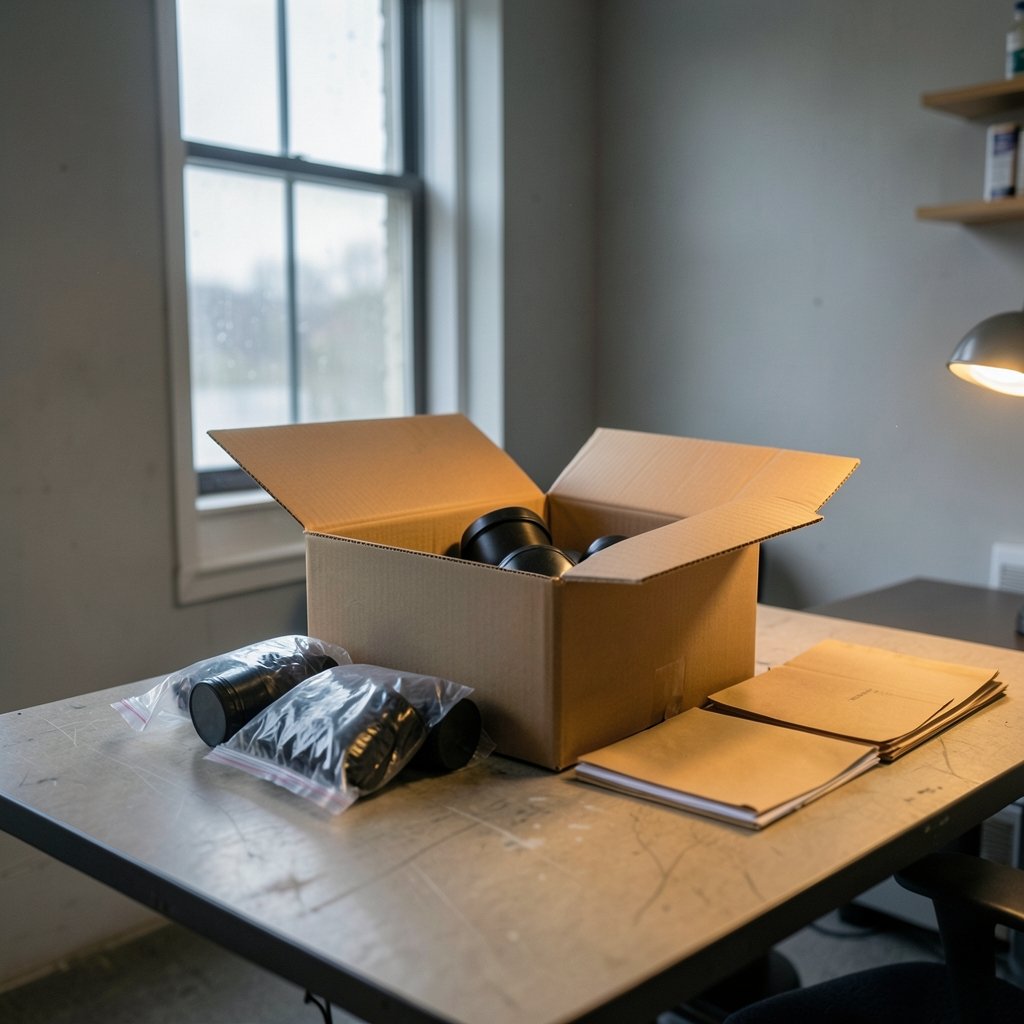
Blackstone Labs was a Florida-based sports-supplement brand founded in the early 2010s by Aaron Singerman and PJ Braun. It built a following in bodybuilding circles with aggressively marketed products, including pre-workout and “designer” formulas sold under names like Dust and Angel Dust. The branding was loud, the marketing was influencer-driven, and the products occupied a regulatory gray zone that would eventually collapse.
The 2015 raid
In 2015, federal agents raided the company’s Florida facilities as part of an investigation into illegal steroid distribution. For customers and fans, the raid was the first public signal that the brand’s product line was under serious scrutiny. For the industry, it was a warning shot. Raids of this kind typically involve multiple agencies coordinating on controlled-substance and misbranding questions, and they rarely happen without a lengthy prior investigation.
The 2017 indictment
In 2017, the U.S. Attorney’s Office for the Southern District of Florida charged the company and associated individuals in a multi-count indictment. The charges centered on conspiracy to distribute controlled substances, including anabolic steroids, along with misbranding allegations. The legal theory matters here: anabolic steroids are Schedule III controlled substances under federal law, which means selling them outside legitimate medical channels is a criminal matter, not a labeling technicality.
The 2019 guilty pleas
In 2019, Singerman and Braun pleaded guilty to charges connected to the illegal distribution of anabolic steroids. Guilty pleas in cases like this usually reflect negotiated resolutions, and they shift the public record from allegation to admitted fact. For observers, the pleas confirmed that the government’s case was not a fishing expedition.
The 2021 sentencings
Singerman was sentenced in 2021 to a federal prison term reported at roughly four and a half years, along with asset forfeiture. Braun received a separate sentence. Exact sentence lengths and dates are best confirmed against primary court and Justice Department records rather than secondhand summaries, because reporting on sentence details often varies.
Where the brand stands now
The current corporate status of the supplement company is not reliably documented in public summaries, and readers should treat any “is Blackstone Labs back?” claim with caution. What is clear is that the case is routinely cited in discussions of enforcement against designer steroids and misbranded supplements under the Federal Food, Drug, and Cosmetic Act. It became a reference point for how far aggressive supplement marketing can go before regulators and prosecutors step in.
What the Case Teaches About Supplement Regulation
The Blackstone Labs saga is a case study in three recurring problems in sports nutrition.
First, label transparency is not optional. Misbranding charges exist because a product’s label is a legal document. When ingredients are hidden, understated, or described with invented names, the seller is exposed to both civil and criminal liability.
Second, “designer” compounds occupy a risky space. Chemists can tweak a molecule to stay ahead of scheduling decisions, but prosecutors can still pursue conspiracy and misbranding theories even when a specific compound is not yet scheduled. The Blackstone case demonstrated that “not explicitly listed” is not a reliable legal shield.
Third, influencer marketing amplifies legal risk. When a brand’s growth depends on personalities who make bold claims, those claims become part of the evidentiary record. Sponsorship contracts and social posts can be subpoenaed.
For consumers, the practical lesson is simpler. If a supplement promises steroid-like results without a prescription, the product is either mislabeled, illegal, or both. That rule of thumb has held up through every enforcement wave since. The same instinct applies to any product category where hype outruns documentation, whether it is a supplement or a gadget with overstated specs, like the gap between marketing claims and reality covered in this look at why robot vacuum cliff sensors fail on black carpet.
Practical Tips If You Are Researching Blackstone Labs Today
People land on this topic for very different reasons, and the right approach depends on which one applies.
- If you are checking a product you found for sale: verify the seller’s identity first. A revived brand name does not mean the original company is operating. Look for a current business registration and a physical address.
- If you are researching the legal case: rely on court filings and official announcements rather than forum posts. Dates in secondary sources drift, especially around the 2015 raid and the 2021 sentencings.
- If you are a developer looking for the hex editor: you want the software company, not the supplement brand. The tool you are after is HxD, a freeware hex editor for Windows documented in its official manual.
- If you are writing content about the name: state up front which entity you mean. Ambiguity is the single biggest source of error on this topic.
A common mistake is assuming that a company’s disappearance from store shelves means its legal matters are closed, or that a legal matter closing means the brand is gone. Those are separate questions. Another mistake is conflating the supplement company with the private equity firm because both appear in financial news archives. Check the context of any article before trusting its subject.
The Software Company: HxD and the Other Blackstone Labs
The second Blackstone Labs is a software outfit known for HxD, a widely used free hex editor for Windows. A hex editor lets you view and edit the raw bytes of a file, which sounds obscure until you need it. Developers use it to inspect binary formats, debug corrupted files, and patch data that ordinary text editors cannot touch.
HxD’s reputation rests on being free, fast, and dependable for large files. Its official help documentation is the right place to learn its features, and it is documentation rather than a sales page, which is a useful distinction when you are evaluating tools. The corporate details of the software company behind it are less well documented than the product itself, and version history and maintainer status change over time, so check the current release notes before relying on any summary.
How to tell the two apart in search results
The fastest filter is vocabulary. Results mentioning steroids, the FDA, indictments, or Florida belong to the supplement story. Results mentioning hex, bytes, binary files, or Windows utilities belong to the software story. If an article mixes both, it is probably auto-generated and should be skipped.
Common Mistakes People Make With This Topic
A few errors show up again and again.
- Treating the name as one company. It is at least two, and possibly more if unrelated businesses adopt the label.
- Citing exact dates from memory. The raid, indictment, pleas, and sentencings happened across roughly six years. Precision requires primary sources.
- Assuming a guilty plea ended the story. Sentencing, forfeiture, and corporate wind-down are separate phases.
- Confusing notoriety with legitimacy. A brand being famous in bodybuilding circles says nothing about whether its products were legal.
- Overlooking the software angle entirely. Developers searching for HxD sometimes land on legal coverage and assume the tool is gone. It is not the same company.
The broader lesson echoes what happens in other fields where insider conduct and public trust collide, a dynamic explored in this analysis of the OpenAI bug case and insider risk at AI labs. Reputation and compliance are separate ledgers, and one can collapse while the other looks fine.
How the Case Shaped Industry Practice
Since the Blackstone Labs prosecution, several shifts have become visible in sports nutrition.
Retailers tightened vendor vetting, asking for documentation that earlier generations of brands never had to provide. Third-party testing became a selling point rather than a niche service. Influencers grew more careful about claims, partly because sponsorship deals now come with compliance expectations. And formulators moved away from compounds that sit close to the scheduling line, preferring ingredients with established safety files.
None of this eliminated bad actors. Enforcement actions continue, and the pattern repeats: a brand markets aggressively, regulators investigate, and the legal system sorts out the rest. What changed is the cost. The Blackstone case showed that the downside includes prison time and forfeiture, rather than a warning letter alone.
There is also a consumer-literacy angle. Readers who once trusted label claims now ask for certificates of analysis and batch testing. That habit transfers well beyond supplements. It is the same skepticism worth applying to any technical purchase or download, whether you are checking a device’s real-world limits or following a step-by-step recovery plan when a Windows 11 black screen interrupts your work. Verify before you trust.
Conclusion
Blackstone Labs is not one story but two, plus a naming collision with a finance giant that has nothing to do with either. The supplement company’s arc, from a loud Florida startup to a federal steroid case with guilty pleas and prison sentences, remains one of the clearest examples of what happens when marketing outruns the law. The software studio behind HxD occupies a quieter corner, serving developers who need to edit raw bytes and rarely think about the company name at all.
For readers, the takeaway is methodological. Identify which entity you are researching, prefer primary sources for dates and charges, and treat any confident claim about the brand’s current status with healthy skepticism. The name will keep causing confusion. Careful reading is the only reliable fix.
Frequently Asked Questions
Is Blackstone Labs still in business?
The supplement company’s current corporate status is not reliably documented in public summaries, so claims that it is operating normally or fully dissolved should be verified against current business records. The software company behind HxD is a separate entity and should be evaluated on its own.
What was Blackstone Labs charged with?
The 2017 indictment from the U.S. Attorney’s Office for the Southern District of Florida alleged conspiracy to distribute controlled substances, including anabolic steroids, along with misbranding. Aaron Singerman and PJ Braun later pleaded guilty to charges connected to illegal steroid distribution.
When was Blackstone Labs raided?
Federal agents raided the company’s Florida facilities in 2015 as part of an investigation into illegal steroid distribution. The exact date within that year is best confirmed through primary court or agency records rather than secondary summaries.
Is the Blackstone Labs that makes HxD the same company?
No. The HxD hex editor comes from a software company that shares the Blackstone Labs name but has no connection to the Florida supplement brand. The two are frequently confused in search results because the name is identical.
How long was Aaron Singerman sentenced to prison?
Singerman was sentenced in 2021 to a federal prison term reported at roughly four and a half years, along with asset forfeiture. Braun received a separate sentence. Exact lengths and dates should be checked against official records.
Is Blackstone Labs connected to the private equity firm Blackstone?
No. The private equity firm Blackstone is an entirely separate business. The shared word in the name is a coincidence that regularly produces mixed search results and misattributed news coverage.



