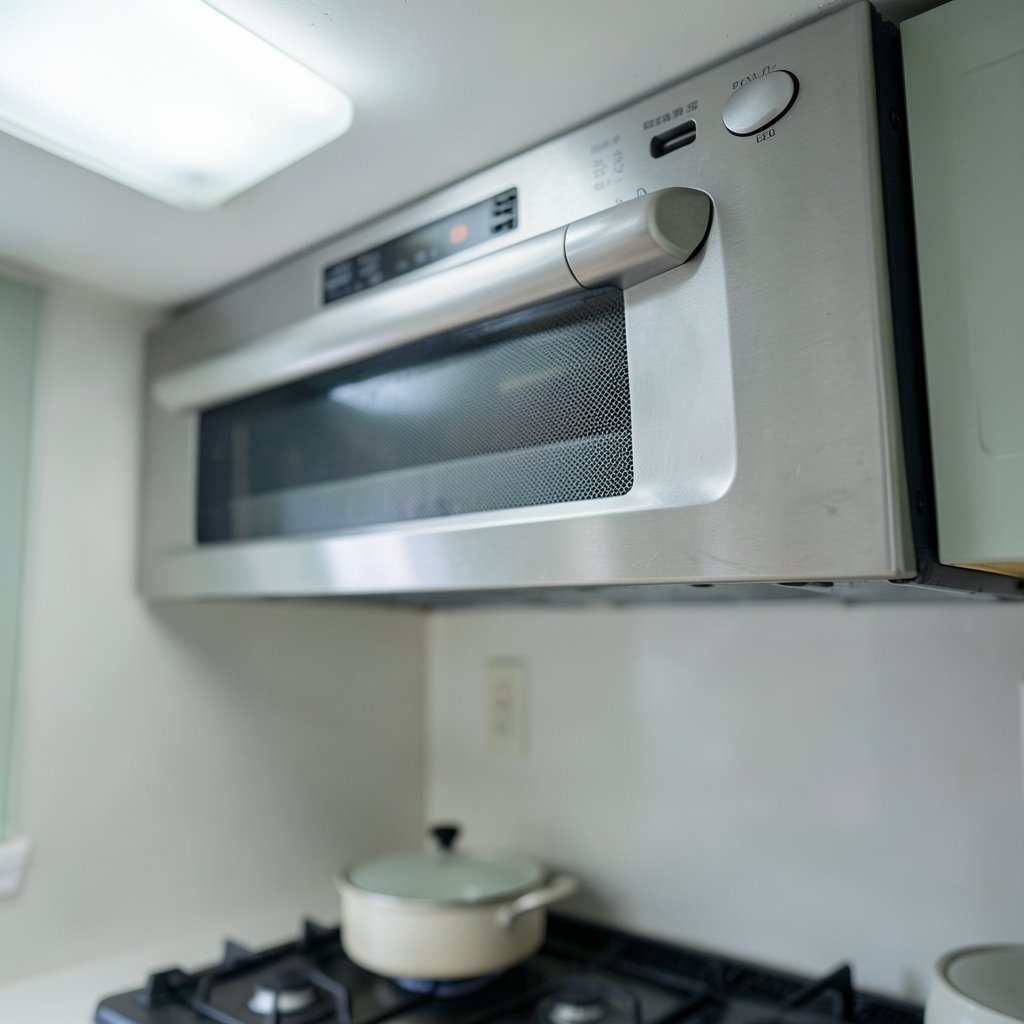
What if the most important number in an over-the-range microwave review is one almost nobody prints on the box? Shoppers scroll through star ratings, compare wattage, and watch videos of popcorn popping, yet the spec that decides whether a kitchen smells like dinner or like last night’s fish rarely gets a headline. That number is airflow, and it sits at the center of nearly every honest over-the-range microwave review worth reading.
This guide cuts through the noise. It covers what reviewers consistently praise, what they quietly ignore, and where the category’s real trade-offs hide. The goal is simple: help a buyer walk into a store, or a dealership showroom while waiting on something else entirely, with a clear picture of what separates a good unit from a frustrating one.
Why over-the-range microwave reviews keep disagreeing
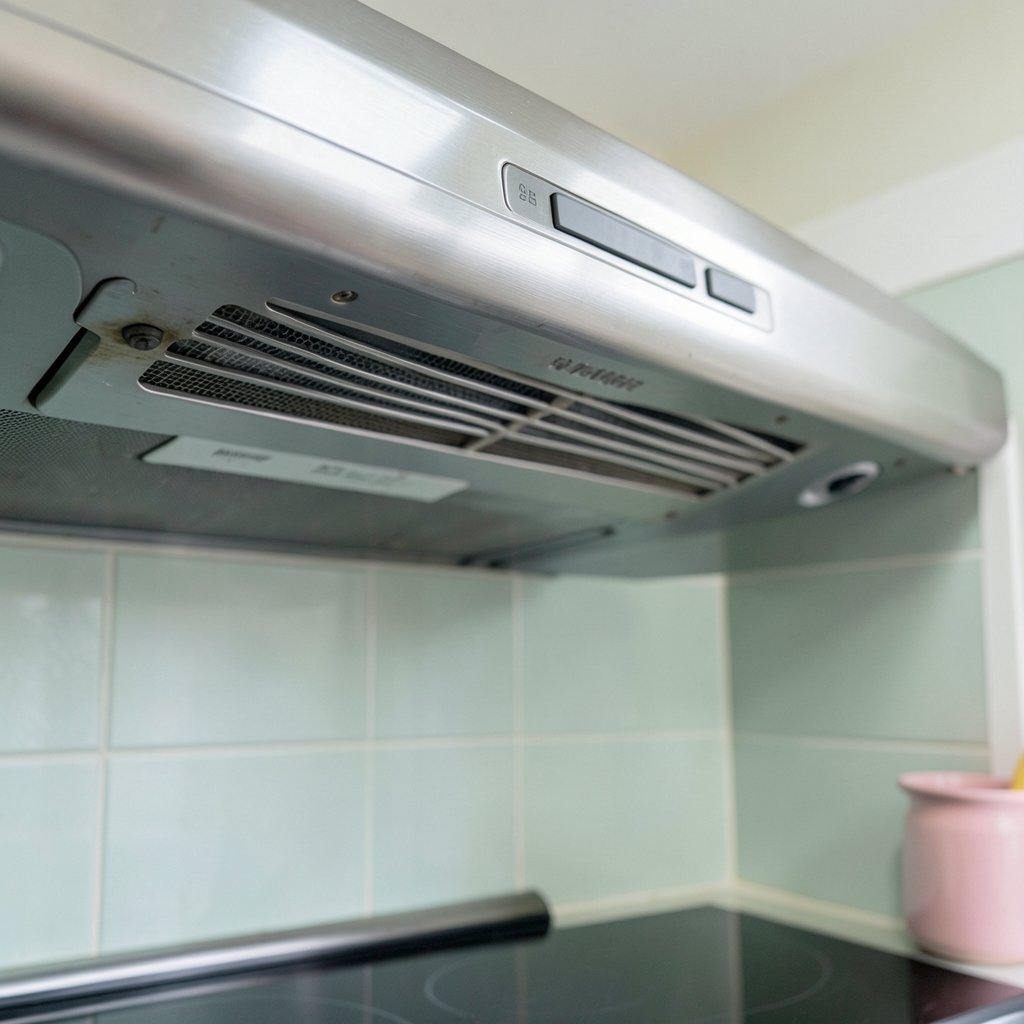
Spend an afternoon reading reviews and a pattern emerges. One reviewer calls a model quiet and powerful. Another calls the same model loud and weak. Both may be right, because they tested under different conditions.
The biggest culprit is venting mode. Most over-the-range units ship configured for recirculation, meaning air passes through a charcoal filter and blows back into the kitchen. Ducted mode, where air exits the house, performs dramatically better. Many buyers discover this only at installation, when the installer asks which setup they have. Reviews that don’t state the mode are close to useless for comparison.
The second culprit is range type. A 30-inch electric cooktop produces far less smoke and grease than a wide gas range running four burners at once. A microwave that handles the first beautifully can struggle with the second. Reviewers rarely control for this, which is why the same star rating can mean two different things.
A third issue is noise measurement. Some manufacturers publish sones, others publish decibels, and there is no single mandatory labeling standard for over-the-range microwave noise. Cross-brand comparisons on sound are therefore shaky at best. Treat any “quietest microwave” claim with healthy skepticism unless the reviewer explains the method.
The ventilation spec that reviews bury
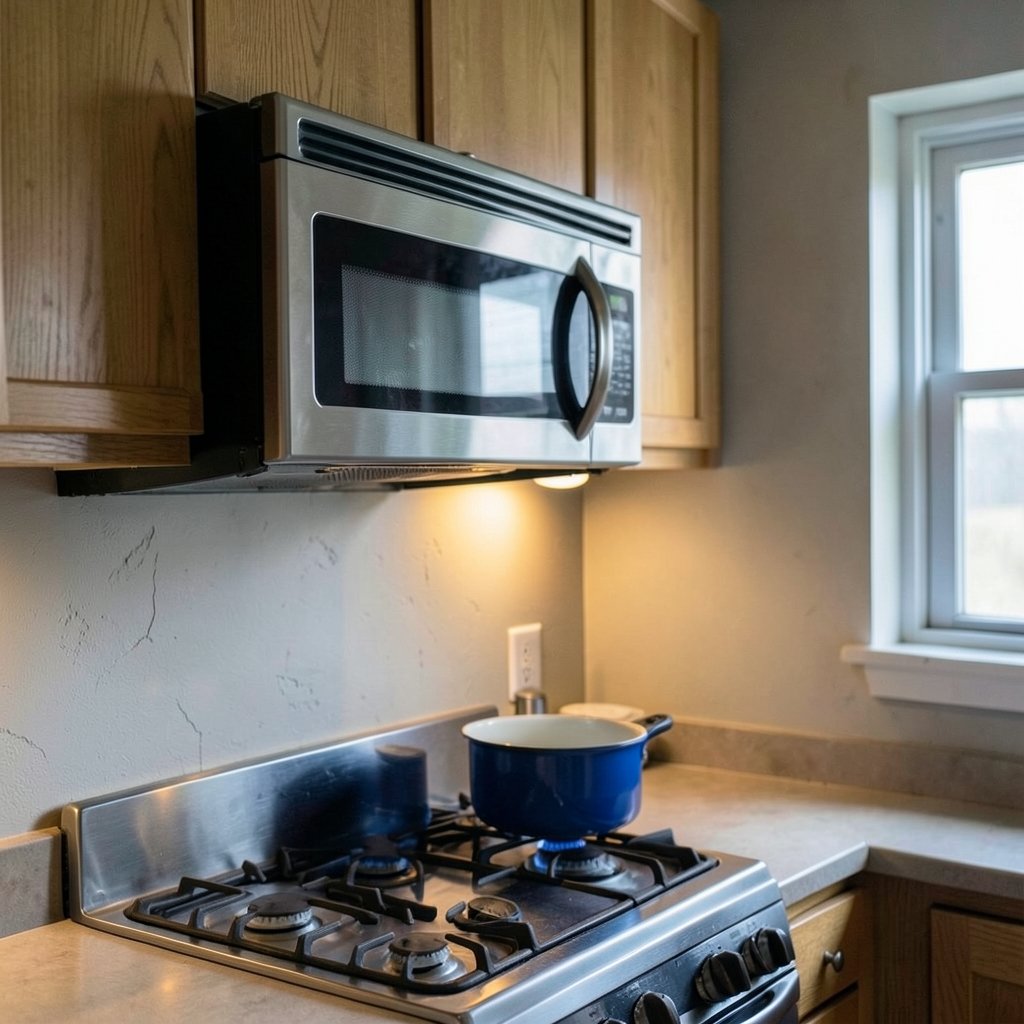
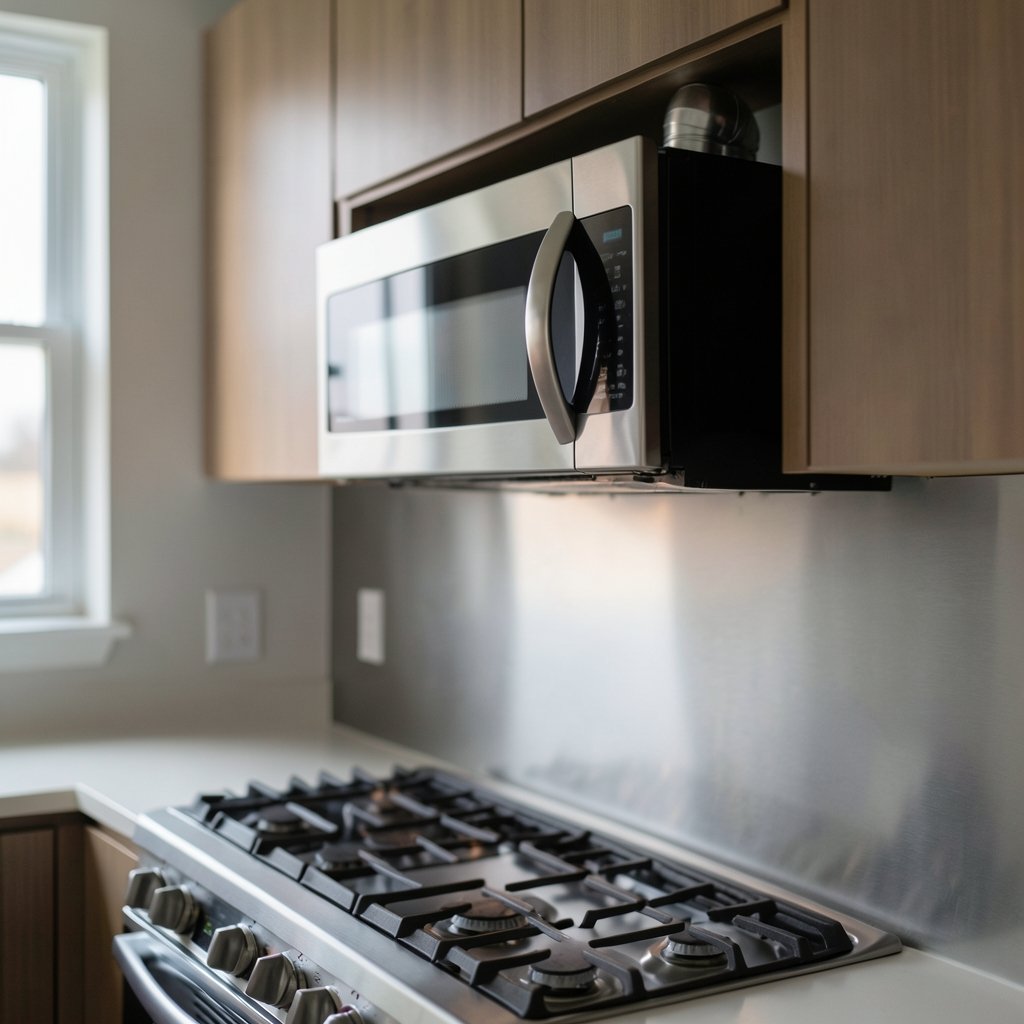
Here is the uncomfortable truth about the category. Common over-the-range microwaves vent at roughly 300 to 400 CFM, with some reaching around 400 to 500 CFM. Gas range guidance often points toward 600 CFM or more for serious cooking. That gap matters.
Does that make over-the-range microwaves bad? Not automatically. It makes them a compromise, and a reasonable one for many households. The unit saves counter space, replaces a separate hood, and handles light to moderate cooking fine. The trouble starts when a buyer expects dedicated-hood performance from a combo appliance.
Practical guidance that actually works:
- Check whether the unit will be ducted or recirculating before comparing models at all.
- Match CFM to cooking style, not to the biggest number on the spec sheet.
- Confirm the duct path exists in the wall or ceiling before purchase, not after.
- Read the installation manual for clearance requirements specific to that model.
That last point deserves emphasis. Height above the cooktop is typically constrained by clearance guidance in the installation manual, commonly around 66 inches from floor to the bottom of the unit, but this varies by manufacturer and local code. Reviewers who skip the manual and guess often end up returning the unit. Fit and clearance are among the top drivers of returns and complaints in this category, and it’s easy to see why.
Fit, clearance, and the returns problem
Standard over-the-range width is 30 inches, with 36-inch versions for wider ranges. That sounds simple until a buyer measures the old unit, orders a new one, and finds the mounting bracket holes don’t line up or the cabinet depth is wrong.
Common mistakes worth avoiding:
- Measuring the microwave instead of the opening, or vice versa.
- Forgetting that the unit must clear the range’s rear control panel.
- Assuming the existing duct collar matches the new unit’s vent position.
- Skipping a check of the electrical outlet location, which must be reachable.
None of these are glamorous, and none show up in flashy video reviews. They are, however, the reasons people end up frustrated. A five-minute measurement session before ordering prevents most of it.
For buyers also shopping for a vehicle in the same season, the same principle applies: verify the details before committing. Anyone comparing range rover lease deals alongside a kitchen remodel knows that fine print decides outcomes. It’s the same discipline, different aisle.
What reviewers get right about cooking performance
When reviews focus on actual cooking, they tend to agree on several points.
Inverter technology earns consistent praise. Inverter models, notably from Panasonic, are often noted for even heating and fewer cold spots than traditional units. That matters for defrosting and for reheating leftovers without rubbery edges.
Sensor cooking is more divisive. Sensor reheat works well when it works, adjusting time based on moisture released by food. Reviewers criticize it when it misjudges, leaving a plate lukewarm or overcooking a delicate item. It’s a feature worth having, but not one to pay a premium for alone.
Wattage gets more attention than it deserves. Higher wattage speeds heating, but the difference between 1,000 and 1,200 watts is less dramatic in daily use than marketing suggests. Evenness matters more than raw power.
Preset buttons are hit or miss. A dedicated popcorn button that actually works is a small joy. A panel with twenty presets nobody uses is clutter.
A practical comparison table
| Feature | What reviews say | What to check yourself |
|---|---|---|
| Ventilation (CFM) | Often under-tested; recirculating mode much weaker | Ducted vs recirculating setup, duct path |
| Noise | Ratings inconsistent across brands | Listen in person if possible, or read method notes |
| Heating evenness | Inverter models praised | Look for cold-spot mentions in reviews |
| Sensor cooking | Works well, occasionally misjudges | Whether presets match your habits |
| Fit and clearance | Top source of returns | Measure opening, clearance, outlet, duct collar |
| Standby power | Rarely discussed | Energy guide label and standby specs |
That standby power row is worth a moment. Federal energy-conservation standards cover microwave ovens, and standby power is a relevant metric. Most reviews ignore it entirely. For a buyer who cares about efficiency, it’s a legitimate tiebreaker between two otherwise similar units.
Where the category genuinely falls short
Honesty requires naming the limits. Over-the-range microwaves are not dedicated hoods, and reviewers disagree about whether they’re adequate substitutes. The disagreement is legitimate.
Manufacturer CFM claims are not independently standardized across brands, so a “high CFM” label does not guarantee good capture on a wide gas range. Capture also depends on hood geometry, mounting height, and crosswinds in the kitchen. A unit that performs well in a quiet test kitchen can underwhelm above a roaring gas burner.
There’s also the safety dimension. Cooking is a leading cause of home fires in U.S. data, and venting plus proper clearance are part of the broader safety picture. That’s not a reason to fear the appliance. It’s a reason to install it correctly and keep filters clean.
Filter maintenance deserves its own mention because reviews rarely cover it. Grease filters need washing every month or two in normal use. Charcoal filters in recirculating setups need replacement periodically and cannot be washed. A clogged filter turns a mediocre vent into a bad one.
How to read a review without getting fooled
A few habits separate useful review reading from wasted time.
First, find the venting mode. If the reviewer doesn’t state it, discount the ventilation comments.
Second, look for the range type. Gas or electric, and how wide? This contextualizes everything about smoke and steam.
Third, check whether the reviewer measured noise or just described it. “Loud” is subjective. A measured figure with a stated method is data.
Fourth, scan for fit complaints. A cluster of returns mentioning bracket alignment or clearance tells you more than any star average.
Fifth, ignore the unboxing. The first ten minutes of ownership reveal nothing about a microwave’s real character.
Buyers who apply that checklist tend to end up happier, and they tend to write the reviews that help everyone else. It’s a virtuous loop. The same logic applies to any big purchase with a long ownership tail, whether it’s a kitchen appliance or a vehicle. Someone weighing what 2027 range rover buyers can realistically expect is doing the same work: reading past the marketing to the substance.
Matching the appliance to the household
The right over-the-range microwave depends heavily on who cooks and how.
For light cooks, a recirculating unit at 300 CFM is often perfectly adequate. Frozen meals, oatmeal, and reheated coffee don’t demand much.
For moderate cooks, a ducted unit in the 400 CFM range with a good grease filter handles most weeknight dinners well.
For serious cooks running a wide gas range, an over-the-range microwave is a compromise. Many in that group pair a microwave with a dedicated hood, or accept the trade-off knowingly.
Household size matters too. A family of five reheating in shifts benefits from even heating and a reliable sensor reheat more than from a fancy preset panel. A single person who mostly defrosts and steams vegetables may care more about footprint and price.
There’s also the question of replacement timing. When an old unit dies, the temptation is to buy the same model. That’s often a mistake, because venting positions and mounting hardware change between generations. Measure first, then shop. If a replacement is urgent, a local range rover dealer near me search is a reminder that “near me” queries work best when you know exactly what you need before you arrive, whether the product is a car or a kitchen appliance.
Smart features and whether they earn their price
Connected microwaves exist, and reviews are mixed. App control, voice commands, and scan-to-cook features sound convenient. In practice, most people press a button on the panel because it’s faster than finding a phone.
Where smart features do earn their keep is diagnostics and firmware updates. A unit that reports a fault code before a service visit saves time. That’s a modest benefit, not a reason to pay hundreds more.
Scan-to-cook, which reads a barcode and sets cooking time, works well for packaged foods and poorly for anything homemade. It’s a nice extra for households that eat a lot of packaged meals and near-useless for scratch cooks.
The honest verdict from most long-term reviews: buy for heating performance, venting, and fit. Smart features are a bonus, not a foundation.
Conclusion
Over-the-range microwave reviews are most useful when they answer three questions: how does it vent, how does it fit, and how evenly does it heat? Everything else, from preset panels to app control, is secondary. The category’s central compromise, weaker ventilation than a dedicated hood, is real but manageable for most households. Buyers who check their duct setup, measure their opening, and read reviews with an eye on venting mode will land on a unit that serves them well for years. Those who skip those steps will join the return line, and they’ll write the one-star reviews that warn everyone else. Read carefully, measure twice, and the decision gets a lot easier.
Frequently Asked Questions
Are over-the-range microwaves good at venting?
They’re adequate, not excellent. Common models vent at roughly 300 to 400 CFM, well below the 600+ CFM often suggested for gas ranges. Ducted mode performs much better than recirculating mode, so the answer depends heavily on installation.
Do over-the-range microwaves come set up for ducted venting?
Most ship configured for recirculation and require conversion or a different kit for ducted venting. Buyers often discover this only at installation, which is why checking the setup before purchase matters so much.
What is the biggest reason people return over-the-range microwaves?
Fit and clearance issues top the list. Bracket alignment, cabinet depth, clearance above the cooktop, and duct collar position cause more returns than cooking performance problems. Measuring the opening carefully before ordering prevents most of it.
Is inverter technology worth paying more for?
For many buyers, yes. Inverter models are consistently praised for even heating and fewer cold spots, which matters for defrosting and reheating. The benefit is real, though it’s worth comparing against a well-reviewed conventional model at a lower price.
How often should filters be cleaned or replaced?
Grease filters should be washed every month or two in normal use. Charcoal filters in recirculating setups need periodic replacement and cannot be washed. A clogged filter turns a mediocre vent into a bad one, so this maintenance is not optional.
Can an over-the-range microwave replace a range hood entirely?
For light to moderate cooking, often yes, especially when ducted. For serious cooking on a wide gas range, reviewers disagree, and many argue a dedicated hood is the better choice. The honest answer is that it depends on cooking style and duct setup.