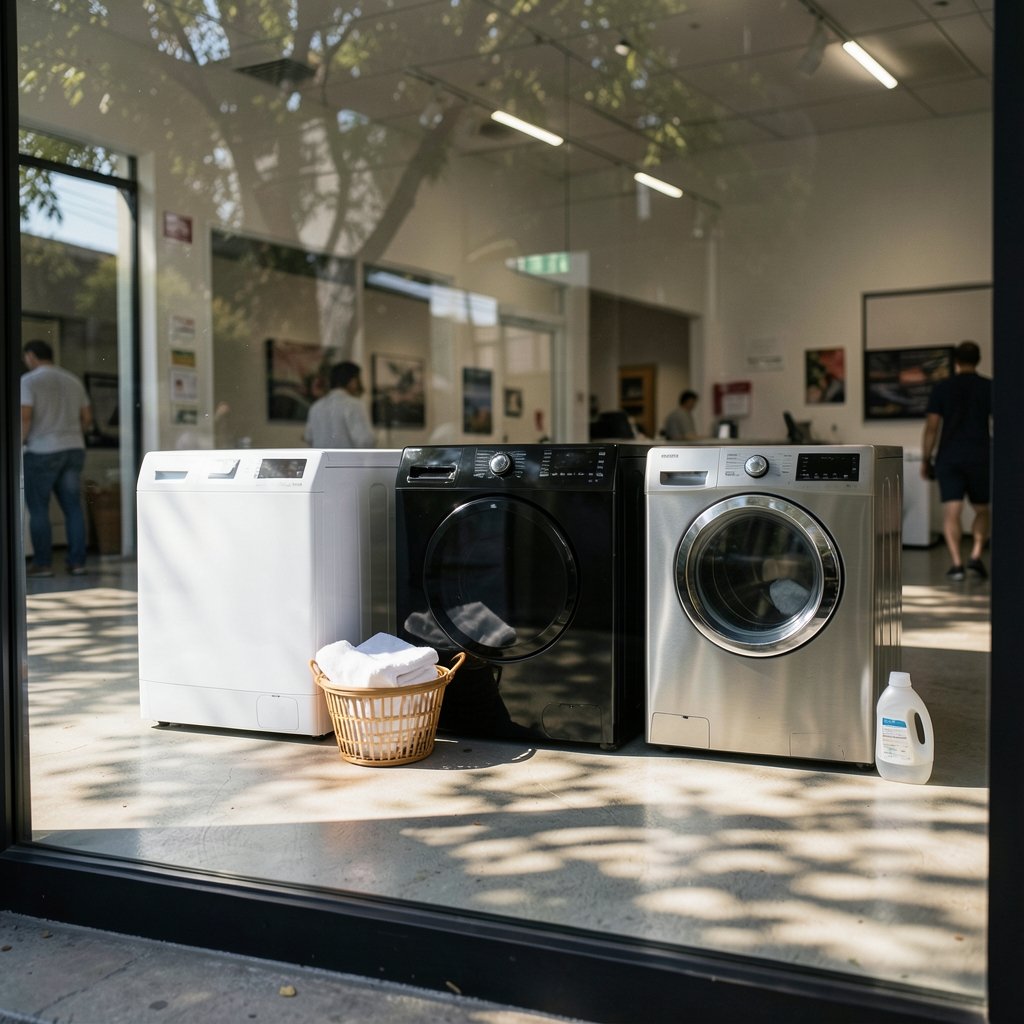
What if the cheapest washer on the showroom floor quietly costs more than the mid-range model sitting next to it? That is the trap most budget shoppers fall into. The sticker price tells you almost nothing about what a machine will cost you over eight or ten years of weekly laundry. The best inexpensive washing machine is not the one with the lowest number on the tag. It is the one that cleans well, breaks rarely, and does not bleed money through water, electricity, and repairs.
This guide cuts through the noise. It covers what actually separates a good budget washer from a bad one, where manufacturers hide the corners they cut, and how to read the labels that matter. No hype, no brand worship. Just the practical stuff that helps a real buyer make a decision they will not regret in year three.
What “Inexpensive” Really Means Over a Machine’s Life
A washing machine is one of the few appliances where the purchase price is only part of the story. The rest is running cost. A cheap top-loader with an agitator might sell for less, but it typically uses more water per cycle than a front-loader. Over hundreds of cycles a year, that gap adds up.
The good news is that buyers do not have to guess. In the United States, the EnergyGuide label required by the Federal Trade Commission shows an estimated yearly energy cost, so two machines side by side can be compared on running cost, not just price. In the European Union, washing machines moved to a rescaled A to G energy label in 2021, and ecodesign rules set minimum performance standards plus spare-parts availability requirements. That matters for budget buyers because it means even cheap machines must meet a floor for efficiency and repairability.
The practical takeaway: compare the yearly running cost, not just the sale price. A machine that costs a little more up front but sips water and power can come out ahead within a few years. And a machine with cheap, widely available spare parts is worth more than a slightly cheaper one you cannot fix.
Top-Loader vs. Front-Loader on a Budget
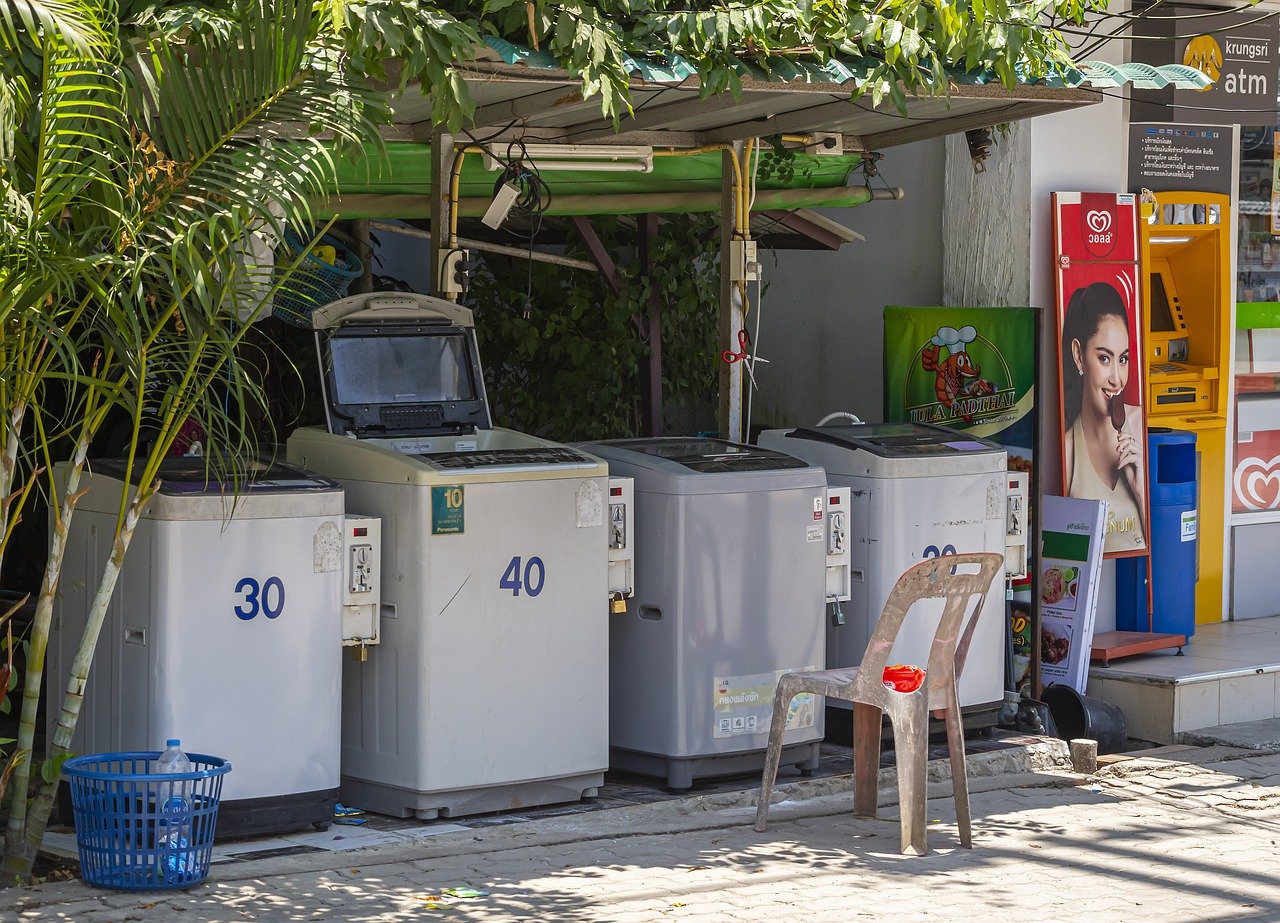
This is the first real fork in the road. Both designs have budget options, but they behave very differently.
| Factor | Budget top-loader | Budget front-loader |
|---|---|---|
| Up-front price | Usually lower | Usually higher |
| Water use | Higher, especially with agitator | Lower |
| Energy use | Higher | Lower |
| Wash gentleness | Rougher on fabrics | Gentler |
| Cycle time | Often faster | Often longer |
| Loading | Top-load, no bending | Front-load, easier for some |
| Typical weak point | Agitator wear, lid switch | Door seal, bearings |
Budget top-loaders are simple machines, and simple is a virtue. Fewer parts means fewer things to break. They also tend to run faster cycles, which busy households appreciate. The trade-off is water and energy consumption, plus a rougher wash that can wear out delicate clothes sooner.
Budget front-loaders cost more but run cheaper. They also wash more gently. The catch is that the door gasket and drum bearings are the classic failure points, and a bearing failure on a cheap front-loader can total the machine. If the budget is tight and the laundry is mostly sturdy everyday clothes, a simple top-loader is often the smarter buy. If the household runs many loads a week and cares about fabric life, a modest front-loader can pay back over time.
The Specs That Actually Matter at the Low End
Sales pages bury buyers in numbers. Most of them do not matter at the budget tier. These do.
Capacity. Match it to the household, not to the biggest number. A single person or couple rarely needs more than a compact or mid-size drum. A family of four or more will regret an undersized machine far more than a slightly higher price. Oversized machines also tempt people into running half-empty loads, which wastes money.
Spin speed. Higher spin speeds extract more water, so clothes dry faster and the dryer runs less. At the budget end, look for a machine that spins at a reasonable speed rather than the absolute maximum. A very high spin speed on a cheap machine can mean more vibration and wear.
Cycle options. A quick-wash cycle is genuinely useful. So is a delicate or wool cycle if the household owns those fabrics. What is not useful is a long list of specialty cycles nobody will ever select. More cycles mean more electronics and more to go wrong.
Noise level. This is the most underrated spec at the budget tier. Cheap machines can be loud, and a washer in earshot of a living area or bedroom will make itself known. Check decibel ratings where published, and read owner reviews specifically for noise complaints.
Warranty length. A longer warranty on the motor or drum is a real signal. It also tells you what the manufacturer expects to fail. Read what is excluded, because labor is often excluded even when parts are covered.
Where Budget Machines Cut Corners
Every inexpensive machine saves money somewhere. Knowing where helps you judge whether the saving is acceptable.
The most common cuts are thinner metal in the cabinet, plastic where metal would be better, simpler suspension that vibrates more, fewer sensors, and shorter warranties. None of these are dealbreakers on their own. The ones that hurt are cheap bearings in front-loaders, flimsy door seals, and control boards that fail early and cost a large fraction of the machine’s price to replace.
A practical tip from the repair bench: ask about spare-part prices before buying. A control board that costs half the machine’s price turns a budget washer into a disposable one. Machines with widely available, reasonably priced parts are the real budget winners.
The Mistakes Budget Buyers Keep Making
The same errors show up again and again. Avoiding them is half the battle.
- Buying on sticker price alone. The yearly running cost and repair risk matter more than the difference between two similar prices.
- Skipping the manual. Budget machines often need specific care, like leaving the door ajar to dry the seal. Owners who skip this get mold and smells and blame the machine.
- Overloading to “save” a cycle. Overloading strains the drum and bearings and shortens life. It also cleans worse.
- Ignoring installation conditions. An unlevel machine vibrates, walks, and wears out faster. A few minutes with a spirit level prevents years of annoyance.
- Never cleaning the machine. Residue and detergent buildup cause odors and premature failure. Learning how to clean a washing machine so it stops smelling and lasts longer is free maintenance that protects the investment.
- Skipping the leak check. A slow leak under a budget machine can quietly rot a floor. Placing a water leak sensor under the washing machine and knowing where to place it is cheap insurance.
Reading Reviews Without Getting Fooled
Online reviews are useful, but only if read correctly. The star average is nearly worthless. What matters is the pattern in the written reviews.
Look for reviews that mention the same failure at the same age. If dozens of owners report a door seal failing at eighteen months, that is a real signal. A single angry review about a delivery problem is noise. Reviews that mention noise, vibration, and cycle time are especially valuable because those are the daily annoyances that make people regret a purchase.
Pay attention to review age, too. Early reviews often come from buyers who are still in the honeymoon phase. Reviews written after a year of ownership carry far more weight. And be skeptical of reviews that read like marketing copy. They usually are.
Matching the Machine to the Household
The right budget machine depends entirely on who is using it. A few common situations:
A single renter or couple in a small flat is usually best served by a compact or mid-size machine with a quick cycle and a modest price. Running cost matters more than capacity.
A family with young children needs capacity and durability. Speed matters too, because laundry volume is high. A simple top-loader with a large drum often beats a fancier machine that cannot keep up.
A household with delicate clothing, wool, or frequent workwear needs a gentler wash. A modest front-loader with a wool cycle earns its higher price.
A second home or rental property needs reliability and easy service. Simple controls and widely available parts beat features.
When a Bundle or Combo Makes Sense
Some buyers shopping for a budget washer also need a dryer. Combination washer-dryers save floor space but add complexity and cost, and budget combos often dry slowly. If space allows, a separate inexpensive washer and a basic dryer usually work better and are easier to repair. Buyers weighing a combined unit should compare carefully, since the budget tier is where combo compromises show up most. A look at which washing machine with dryer brand actually holds up helps separate the solid options from the marketing.
The Quiet Costs Nobody Warns You About
Beyond energy and water, a few costs catch budget buyers off guard.
Detergent type matters. High-efficiency machines need low-suds detergent, and using the wrong kind causes residue and poor rinsing. Installation extras add up too: hoses, a drain pan, and a level surface all cost a little. And repairs on out-of-warranty machines can quickly approach the price of a new budget unit, which is why repairability should be part of the buying decision.
There is also the cost of a bad fit. A machine that is too small forces more cycles. One that is too loud gets banished to inconvenient hours. One that is hard to load gets used less. These are not line items on a receipt, but they are real.
Conclusion
The best inexpensive washing machine is not a single model. It is the machine that fits the household, runs cheaply, and can be repaired without drama. Buyers who compare yearly running costs, check the warranty and spare-part prices, match capacity to real laundry volume, and read reviews for patterns rather than stars will almost always come out ahead of those who chase the lowest sticker price.
Budget does not have to mean disposable. A little homework before the purchase and a little maintenance after it turn a cheap washer into a genuinely good one. That is the whole game.
Frequently Asked Questions
Is a cheap washing machine worth buying?
Often, yes, provided it meets minimum efficiency standards and has reasonably priced spare parts. The key is to compare running costs and repair risk, not just the purchase price. A simple machine with a solid warranty and widely available parts usually outlasts a fancier budget model with expensive electronics.
How long should an inexpensive washing machine last?
Most budget machines are built for roughly eight to ten years of normal use, though actual life depends heavily on load sizes, installation, and maintenance. Machines that are kept level, not overloaded, and cleaned regularly routinely reach the upper end of that range.
Is a top-loader or front-loader better on a budget?
It depends on priorities. Budget top-loaders cost less up front and are simpler to repair, but use more water and energy. Budget front-loaders cost more but run cheaper and wash more gently. Households doing many loads per week often come out ahead with a front-loader; lighter users usually do fine with a top-loader.
What size washing machine does a family of four need?
A family of four typically needs a mid-to-large capacity drum to avoid constant small loads. Exact figures vary by region and machine type, so check the rated capacity in the specifications and compare it against the household’s weekly laundry volume rather than guessing from the machine’s exterior size.
Do expensive washing machines clean better than cheap ones?
Not necessarily. Above a certain point, extra money buys features, quietness, and build quality more than cleaning performance. Many budget machines clean everyday laundry perfectly well. The differences that matter most are reliability, running cost, and how easy the machine is to repair.
How can I make a budget washing machine last longer?
Keep it level, avoid overloading, use the right detergent, leave the door ajar between cycles, run a hot maintenance wash occasionally, and check hoses and seals for wear. These habits cost almost nothing and are the difference between a machine that lasts a decade and one that fails in four years.