

What separates a road trip people talk about for years from one they quietly never mention again? Almost never the scenery. It is the preparation, or the lack of it. A great drive is a logistics project wearing a holiday costume: fuel, tyres, sleep, bookings, documents and a backup plan all have to line up before anyone touches the ignition. The good news is that the planning is not complicated. It is just easy to skip, and skipping it is exactly what turns a dream route into a nine-hour argument about whether the next petrol station is “just around the corner.”
This guide walks through the whole process in the order a sensible planner would tackle it, from choosing a route that fits your actual stamina to packing the kit that rescues a bad day. It is written for first-timers and for people who have done this before and want fewer surprises.
Start With the Constraint, Not the Map
Most people open a map first and start drawing a line. That is backwards. The line should follow the constraints, not the other way around.
Ask three questions before anything else:
- How many days do you actually have, including the day you leave and the day you get home?
- Who is in the car, and what is their realistic tolerance for a long driving day?
- What is the budget ceiling, all in, including fuel, tolls, accommodation and food?
The first answer usually kills the most ambitious version of the plan, which is a good thing. A widely used rule of thumb among experienced drivers is that a comfortable day is six to eight hours behind the wheel, and anything past ten hours stops being a holiday and becomes a delivery job. If you have four days and a 1,600-kilometre loop in mind, the maths will tell you the truth faster than any itinerary app.
Pick a Route That Matches Your Stamina, Not Your Ambition
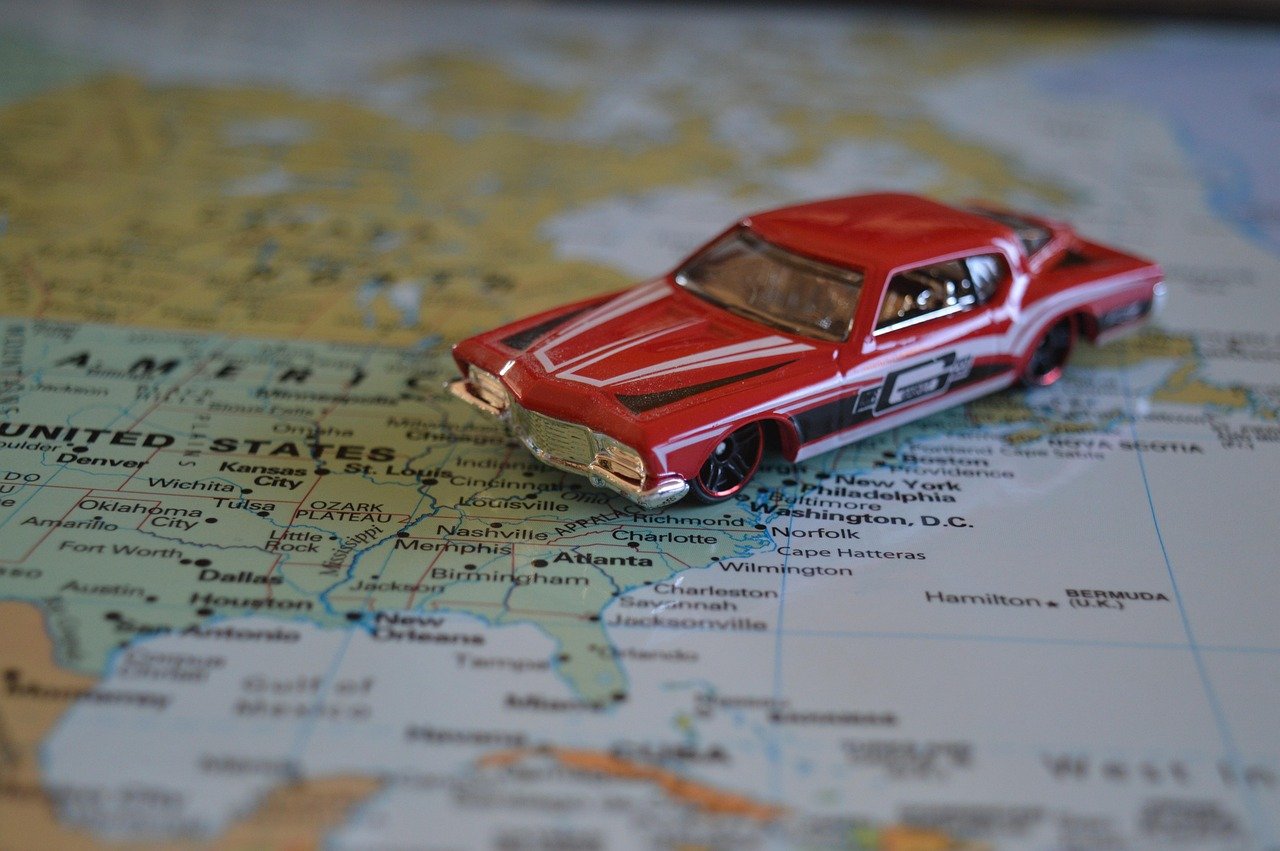
Once the constraints are clear, the route almost picks itself. There are three broad shapes to consider, and each suits a different kind of traveller.
| Route shape | Best for | Main risk |
|---|---|---|
| Loop (out and back on different roads) | People who want variety without rebooking hotels | Overestimating how much ground a loop covers |
| Linear point-to-point | One-way trips with a flight or train home | One-way rental fees and drop-off rules |
| Hub-and-spoke | Families, slower travellers, base-camp style | Too much daily driving to and from the hub |
A loop feels efficient but hides distance. A point-to-point route is often the most relaxing because you never repeat a road, though one-way hire charges can sting. Hub-and-spoke works brilliantly if you want to unpack once and take short day drives, and it is the shape most people should consider first when travelling with children or older passengers.
If the trip is long and multi-country, the planning gets a layer more complex, and it helps to read a practical breakdown of best road trip routes in europe before committing to a shape. Border crossings, vignettes and different speed limits all change the daily distance you can realistically cover. (Road trip)
Build the Day Plan Around Breaks, Not Destinations
Here is the planning habit that makes the biggest difference and costs nothing: schedule the breaks first, then fit the driving around them.
Fatigue is the quiet killer of road trips. Official road-safety guidance in the UK advises a break of at least 15 minutes roughly every two hours on long journeys, and that is a floor, not a target. Two hours of motorway driving at speed is genuinely tiring, even when you feel fine. The dangerous part is that tiredness creeps in without announcing itself.
In practice, this means a day plan that looks like this:
- Leave early, ideally before the worst of the traffic, but not so early that the driver is sleep-deprived.
- Stop at the two-hour mark, even if nobody needs the toilet. Walk around. Buy a coffee.
- Eat lunch away from the car, sitting down, for at least half an hour.
- Arrive with daylight to spare. Night driving on unfamiliar roads after a long day is where mistakes happen.
A useful sanity check: if the satnav says four hours, plan for five. Roadworks, fuel stops, a wrong turn and a queue for a car park are not exceptions, they are the norm. (Car seats and booster seats)
Check the Car Before You Check the Weather
A pre-trip vehicle check takes twenty minutes and prevents a category of disaster that no itinerary can fix. The essentials are tyres, fluids, lights and wipers.
Tyres matter most. Check tread depth and pressure, and check pressure when the tyres are cold, because hot tyres read high and give you a false sense of security. If the car will be fully loaded with passengers and luggage, the manufacturer usually specifies higher pressures for that load, printed in the owner’s manual or on a sticker inside the driver’s door jamb. In the UK, the legal minimum tread depth is 1.6 mm across the central three-quarters of the tyre, but for a long trip with rain in the forecast, most mechanics would rather see considerably more than that.
Then check oil, coolant, screen wash, all lights and the wiper blades. A tired wiper blade on a motorway in heavy rain is a genuinely unpleasant experience, and it costs almost nothing to replace before you go.
Plan Fuel and Water for the Empty Stretches
On busy corridors, fuel planning is trivial. On remote routes it is the whole game. Desert highways, outback tracks and mountain passes can run a long way between services, and a station shown on an old map may be closed, unmanned or out of fuel.
The practical rules that experienced remote travellers follow:
- Fill up whenever you pass a station and the tank is below three-quarters, even if you do not strictly need to.
- Carry more water than you think you need, especially in hot climates. Thirst is the least of the problems; overheating and breakdowns are the real ones.
- Tell someone your route and expected arrival time, and tell them again if plans change.
- Download offline maps before you lose signal. Mobile coverage disappears exactly where you need it most.
That offline map point is worth stressing. Paper maps and downloaded maps are not nostalgia, they are redundancy. When the phone dies or the signal drops, they are the only navigation you have.
Pack an Emergency Kit That Earns Its Space
Every vehicle on a long trip should carry a basic kit, and public-safety agencies are consistent about what belongs in it. The core list is water, a first-aid kit, a torch, a blanket, a phone charger and a warning triangle. Add high-visibility clothing if you will be driving in countries where it is required, and a reflective vest for anyone who might be changing a wheel at the roadside.
Two common mistakes here. The first is packing a kit and never checking it, so the water is stale and the torch battery is flat. The second is overpacking to the point where the boot is a hazard and fuel economy suffers. Aim for a compact box that lives in the car permanently, plus a seasonal top-up.
For anyone travelling with children, add snacks, wipes, spare clothes and entertainment that does not depend on a signal. For winter trips, add a shovel, grit or sand, and an extra blanket per passenger.
Sort Documents, Tolls and Crossings Early
Paperwork is the least fun part of planning and the part most likely to derail a trip at a border. If you are driving abroad, check the licence and permit requirements for every country on the route well in advance, because some permits take weeks to arrange and some countries require an International Driving Permit alongside your normal licence.
Tolls and vignettes are the other classic trap. Many European countries require a vignette or charge distance-based tolls, and the rules, prices and enforcement change regularly. Buy before you travel where possible, and check the national authority’s own guidance rather than a forum post from three years ago.
Book the Beds, but Leave Room to Breathe
Accommodation and campsites on popular routes fill up fast in peak season, and turning up hoping for a room is a gamble that gets worse every year. Book the key nights, especially the first and last, and any night in a genuinely popular location.
That said, a fully booked itinerary with zero slack is its own kind of stress. A good compromise is to book the anchor nights and leave one or two flexible nights in the middle, so a delayed day or a place you fall in love with does not wreck the schedule. If you are planning a longer, more complex journey with multiple moving parts, the same discipline that goes into a cloud migration roadmap practical plan that survives contact applies to holidays: sequence the dependencies, build in contingency, and expect reality to push back. (Distributed cloud roadmap plan 2026)
Budget for the Costs People Forget
Fuel is the cost everyone plans for and rarely the one that blows the budget. The forgotten line items are tolls, parking (city parking can cost more than fuel for the day), vignettes, ferry crossings, one-way hire fees and the small fortune spent on service-station snacks.
| Cost | Typical planning mistake |
|---|---|
| Fuel | Underestimating by assuming brochure economy figures |
| Tolls and vignettes | Forgetting them entirely until the barrier |
| Parking | Not checking city-centre rates in advance |
| Food | Budgeting for meals but not the constant coffee stops |
| Accommodation | Booking late and paying peak-season rates |
A simple buffer of 10 to 15 percent on top of the estimated total covers most surprises. It is not pessimism, it is arithmetic.
Drive the Plan, Then Let It Go
The final piece of planning is accepting that the plan will bend. Roads close, weather turns, a town you meant to pass through turns out to be worth a whole afternoon. The itinerary is a tool for making good decisions, not a contract.
The travellers who enjoy road trips most tend to be the ones who planned hard and then held the plan loosely. They know where they are sleeping, they know the car is sound, they know roughly how far they can drive before tempers fray, and beyond that they improvise. That combination of preparation and flexibility is what makes a long drive feel like freedom rather than a schedule with a steering wheel attached.
Conclusion
Planning a road trip well comes down to a handful of unglamorous habits: matching the route to your real stamina, scheduling breaks before destinations, checking the car properly, carrying water and an offline map, sorting documents and tolls early, and booking the anchor nights while leaving room to move. None of it is difficult. All of it is easy to skip, and skipping it is precisely how a beautiful route turns into a long, tense day on the hard shoulder. Do the boring parts first, and the interesting parts take care of themselves.
Frequently Asked Questions
How far can you realistically drive in one day?
For most people, six to eight hours behind the wheel is a comfortable day, and anything beyond ten hours becomes exhausting and unsafe. Distance matters less than conditions: motorway miles are easier than winding mountain roads, and night driving is harder than daylight driving. Plan the day in hours, not kilometres, and build in breaks every two hours.
What should be in a road trip emergency kit?
At minimum: drinking water, a first-aid kit, a torch, a blanket, a phone charger and a warning triangle. Add high-visibility clothing where required by law, a reflective vest for roadside repairs, and seasonal items such as a shovel and extra blankets in winter. Check the kit before every trip so nothing is stale or flat.
Is it better to book accommodation in advance or wing it?
Book the anchor nights, particularly the first, the last and any night in a popular location during peak season. Leave one or two nights flexible in the middle so a delayed day or a change of heart does not derail the whole trip. Winging it entirely works only outside peak season and on quiet routes.
How often should you stop on a long drive?
A break of at least 15 minutes roughly every two hours is the widely advised minimum for reducing driver fatigue. Stop more often if you feel tired, and never push through drowsiness. A short walk and fresh air do more for alertness than another coffee.
What documents do you need for driving abroad?
You generally need a full driving licence, and some countries also require an International Driving Permit, which can take time to arrange. Requirements vary by country and change periodically, so check the official government guidance for every country on your route well before departure, along with insurance and vehicle registration documents.
How do you plan fuel stops on remote routes?
Fill up whenever you pass a station and the tank drops below three-quarters, carry extra fuel and water where permitted, and never assume a station shown on a map is open. Tell someone your route and expected arrival time, and carry offline or paper maps as a backup where mobile coverage is patchy.


