What goes through your mind when you watch a vaulter arc five metres into the air on a pole that bends like a fishing rod and then snaps straight? Most fans watch the athlete. The real story is in the pole itself. That tube of glass fibre is not a simple stick. It is a spring, a timing device, and a safety-critical piece of equipment rolled into one, and choosing the right one is where the sport gets genuinely technical.
From Bamboo to Fibreglass: A Short History of the Pole
Vaulters used bamboo poles from roughly the early 1900s until the 1940s and 1950s. Bamboo was light and had natural flex, but it was inconsistent and could splinter. Aluminium came next: durable and predictable, but stiff and unforgiving, and it transferred a brutal shock into the vaulter’s hands and shoulders on the plant.
Fibreglass changed everything. From the late 1950s and into the 1960s, glass-reinforced plastic poles took over, and records moved quickly. Be careful about attributing every jump in the record books to the material alone. Training methods, runway surfacing, landing mats, and technique all shifted in the same decades. Still, the fibreglass pole was the enabling technology, and it dominates elite vaulting today.
What a Modern Competition Pole Is Actually Made Of
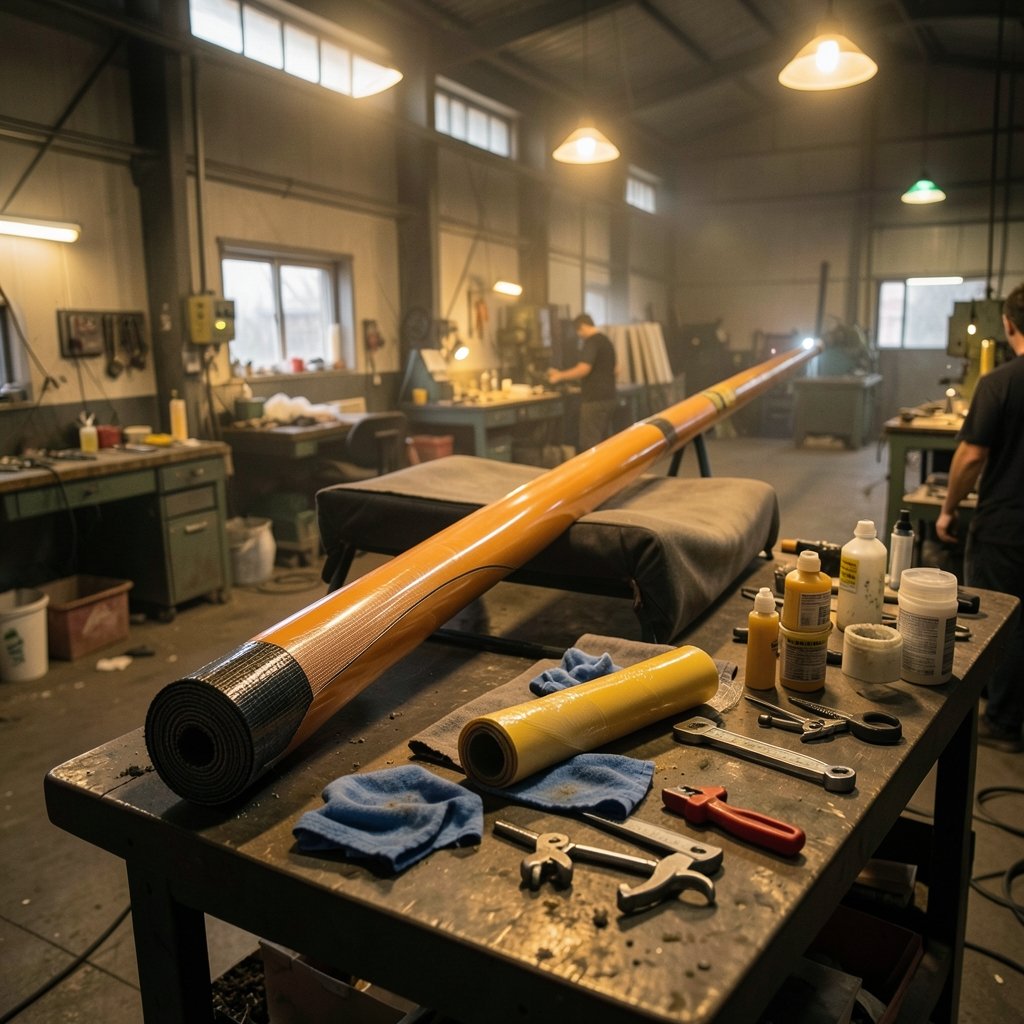
A competition pole is typically a fibreglass and epoxy composite tube. Many designs add a carbon-fibre inner layer for extra stiffness without extra weight. The tube is wound and cured to a specified pole rating, and that rating is the number that matters most when a vaulter picks up a pole.
Manufacturers keep their exact layups proprietary, so there is no single public standard describing how every pole is built. What a coach can rely on is the rating printed on the pole and the manufacturer’s own guidance for that model.
Length, Weight, and Flex Number
Three numbers describe a pole, and new vaulters mix them up constantly.
| Specification | What it means | Why it matters |
|---|---|---|
| Length | Overall pole length, often 3.6 m to 5.2 m for competitive vaulters | Sets the ceiling of the jump and the plant angle |
| Weight rating | The vaulter weight the manufacturer designed the pole to carry | A guide to stiffness, not a legal limit |
| Flex number | A relative measure of how much the pole bends under load | Determines timing, bend, and recoil |
Here is the detail that surprises people. Under the sport’s technical rules, a vaulter may use a pole of any length or weight. There is no rule forcing an athlete’s body weight to match the pole’s rating. The rating is a manufacturer’s recommendation, not a rulebook requirement. That gap between rule and recommendation is exactly where inexperienced vaulters get hurt, because a pole rated well above your weight will not bend enough, and one rated well below it may over-bend or break.
How the Pole Works in the Jump
The vault is a chain of energy transfers. The vaulter sprints down the runway carrying the pole, plants the tip into the box at the end of the runway, and the pole’s stored bend then returns that energy as the athlete rises, turns, and pushes off. (Openbao vs vault vs infisical vs doppler which secrets)
The top hand grip position is the control lever for all of this. Grip too high on a soft pole and the bend becomes uncontrollable. Grip too low on a stiff pole and the vaulter never gets the recoil needed to reach the standards, the uprights that hold the crossbar.
The pole’s flex controls the rhythm. A softer pole bends earlier and returns energy sooner, which suits a lighter vaulter or one with less strength. A stiffer pole demands more speed and a more aggressive plant, but it gives back more height when the timing is right. The mistake almost every developing vaulter makes is chasing a stiffer pole because it looks impressive. What works is matching the pole to current speed and body weight, then moving up only after the technique holds under pressure.
Weight Ratings, Rules, and the Gap Between Them
Because the weight rating is not a legal requirement, the responsibility for a safe match falls on the athlete and coach. Governing bodies publish technical rules covering the event and its equipment, and those rules are the place to check current wording rather than relying on what a club has always done. Rules editions change, so verify the current text before a season rather than trusting a photocopy in the shed.
This is the same principle that runs through any system where a setting is a recommendation rather than a hard rule. A password manager vault timeout setting is a good parallel: the software lets you choose, but choosing badly has real consequences. The same logic applies to secrets platforms, where teams compare OpenBao, Vault, Infisical, and Doppler and discover that the workflow, not the feature list, decides whether the setup is safe. Equipment choices are judgement calls, and judgement needs to be informed. (OpenBao vs Vault vs Infisical vs Doppler: 2027 Workflows)
Common Mistakes Coaches See Every Season
Most pole problems trace back to a handful of avoidable errors.
- Jumping on an unfamiliar pole at a meet. Competition nerves plus an untested pole is a bad combination. Warm up on the pole you will actually use.
- Ignoring the rating because the pole “feels fine.” Feel is not a measurement. Check the rating against body weight and current speed.
- Moving up in stiffness too fast. A vaulter who clears a personal best on a soft pole often wants a stiffer one the next week. Give the technique time to catch up.
- Skipping pole inspection. Check for cracks, chips, and surface damage before every session, especially on older poles.
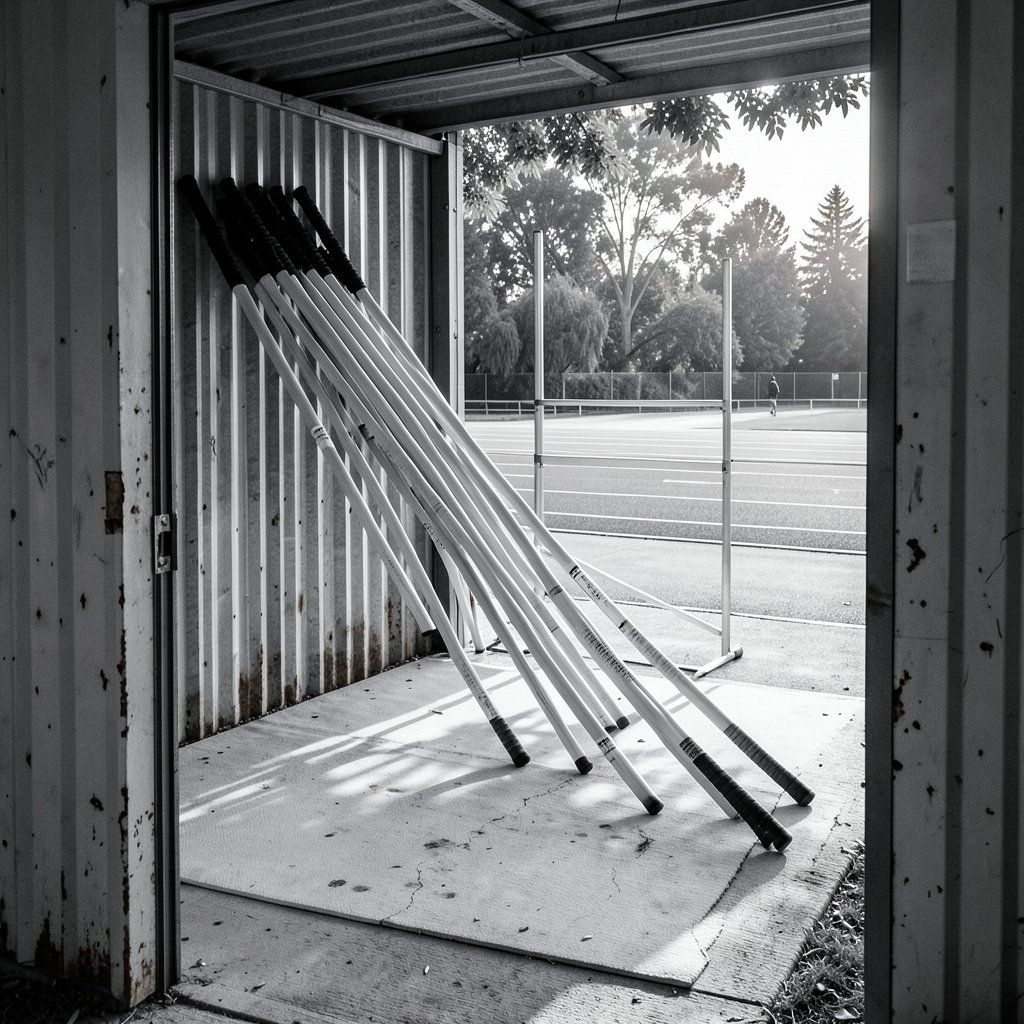
- Bad storage. Poles left in hot cars or leaning against a wall for months can deform or degrade. Store them horizontally, supported along their length.
Safety: Breakage, Padding, and Inspection
Pole breakage is a recognised hazard in the event, and meet practice includes inspecting poles and padding the box and landing area. If a pole fails at the plant, the vaulter can be dropped onto the runway or into the box, so the padding is not decoration.
Practical safety habits that hold up:
- Inspect the full length of the pole, including the tip and the grip area, before each session.
- Retire poles with visible cracks or deep surface damage rather than taping over them.
- Check that the box and surrounding surfaces are properly padded before anyone jumps.
- Make sure the landing mat is the correct size and condition for the direction of the jump.
Specific injury statistics vary by study and by level of competition, so treat any number you hear at a club with caution unless it comes from a peer-reviewed source. The general point is not in dispute: equipment checks reduce risk.
Choosing a Pole: A Practical Checklist
For a vaulter or parent buying a first competition pole, the sequence matters more than the brand.
- Get an honest current body weight and a realistic measure of runway speed.
- Match the pole’s weight rating to that weight, leaning toward the softer end if the vaulter is still developing.
- Confirm the length suits the vaulter’s height, grip, and the heights being attempted.
- Test the pole in training across several sessions before any competition.
- Log the pole used for every jump so patterns in success and failure become visible.
That last step is underrated. A simple training log that records pole, grip height, and result turns guesswork into evidence. Coaches who track this can spot when a vaulter is ready to move up, and when a good jump was luck rather than readiness.
The Comparison Trap: Equipment Versus Technique
Vaulters love gear talk, and it is easy to believe a new pole will add thirty centimetres. It rarely does. The pole returns energy the athlete puts in; it does not create energy. A vaulter who improves their runway speed and plant timing will gain more height on the same pole than a vaulter who buys a stiffer one.
This pattern shows up far beyond athletics. People compare tools endlessly, whether it is Unraid vs TrueNAS vs OpenMediaVault workflow differences or password manager vault timeout settings, and the honest answer is usually that the workflow and the discipline matter more than the spec sheet. The same holds for vault equipment. The pole is a multiplier, not a substitute for technique.
What the Records Tell Us About Equipment
Fibreglass poles contributed to rapid record progression in the 1960s, and the sport’s governing body has historically regulated equipment as the technology evolved. It is tempting to draw a straight line from material to record, but the safer reading is that several changes landed together. Better coaching, better mats, better training, and better poles all pushed the numbers up. Equipment was necessary but not sufficient.
That should be encouraging for anyone starting out. You do not need the most advanced pole in the shed to improve. You need a pole that matches you today, and the patience to grow into a stiffer one.
Conclusion
Pole vault poles are deceptively simple objects with a lot going on inside them. The material history runs from bamboo through aluminium to fibreglass composites. The specifications, length, weight rating, and flex number, each control a different part of the jump. The rules allow almost any pole, which puts the safety judgement squarely on the athlete and coach. Get the match right and the pole feels like an extension of the run. Get it wrong and the same pole feels like a wall. Start with an honest assessment of weight and speed, test before you compete, inspect before you jump, and let technique earn the upgrade.
Frequently Asked Questions
What is a pole vault pole made of?
Modern competition poles are typically fibreglass and epoxy composite tubes, and many include a carbon-fibre inner layer for added stiffness. Earlier eras used bamboo and then aluminium, but fibreglass has dominated since the late 1950s and 1960s.
Does the weight rating on a pole have to match the vaulter’s weight?
No. Under the sport’s technical rules, a vaulter may use a pole of any length or weight, so the rating is a manufacturer’s guide rather than a legal requirement. In practice, matching the rating to body weight and speed is the safest approach, and coaches treat it as essential.
What does the flex number on a pole mean?
The flex number is a relative measure of how much a pole bends under load. A lower or softer flex bends more easily and returns energy sooner, which suits lighter vaulters or those with less strength. A stiffer pole needs more runway speed and a more aggressive plant.
How often should a pole be inspected?
Before every training session and every competition. Check the full length, the tip, and the grip area for cracks, chips, and deep surface damage. Poles with visible damage should be retired rather than taped over and reused.
Can a pole vault pole break during a jump?
Yes. Pole breakage is a recognised safety hazard in the event, which is why meets include pole checks and padding around the box and landing area. Regular inspection and correct weight matching reduce the risk but do not eliminate it.
How do I know when to move up to a stiffer pole?
Move up when the current pole feels consistently soft at the top of the jump and technique holds under competition pressure rather than only in training. Track pole, grip height, and result in a log so the decision rests on evidence rather than a single good session.