Can you actually get paid to review products, or is every “product tester” ad a trap? The honest answer is that both things exist side by side. Real review jobs exist at testing organizations, publications, and research firms. Scams exist too, often using the same words. The trick is knowing which is which before you hand over a shipping fee or a bank account number. (Epson EcoTank ET-2800 Review: Real Printing Costs)
This guide breaks down the different arrangements that get lumped under product review jobs, what they realistically pay, the legal rules that shape them, and the warning signs that separate a genuine gig from a con. (Arkane lyon 217 jobs nov 13 deadline whats actually)
What “Product Review Jobs” Actually Means
The phrase is informal. No labor statistics agency tracks it as a category, and that ambiguity is exactly why scammers find it useful. In practice, it covers at least three very different things. (Fair Labor Standards Act overview)
The first is paid reviewer work at testing organizations and publications. Consumer Reports in the US and Which? in the UK employ or contract testers, writers, and analysts. These are conventional jobs or freelance contracts. They require subject knowledge, often lab experience, and they are competitive.
The second is brand and retailer tester programs. Companies recruit customers to try products and leave feedback. Sometimes there is modest pay or a gift card. Sometimes the only compensation is a discount or a free sample.
The third is gig-style review tasks on crowdsourcing platforms. Workers pick up small jobs, sometimes writing reviews, sometimes checking listings or categorizing data. Pay is low and variable, and the work is governed by platform terms rather than employment law.
A fourth category sits outside all of these: free product in exchange for a review. That is not a job. It is a transaction with disclosure obligations attached, and treating it as employment is where people get confused.
The Real Paid Review Jobs and What They Require

If someone wants a genuine reviewer role, the path looks a lot like any other professional job hunt. Testing organizations hire people with backgrounds in engineering, nutrition, chemistry, consumer research, or journalism. A home appliance tester at a major publication is not someone who signed up on a website; they are someone with a portfolio.
Freelance writing about products is the more accessible entry point. Publications and review sites commission hands-on comparisons from writers who can document their testing method. The practical tips that actually work here:
- Build a small portfolio of thorough, methodical reviews on your own site or a publishing platform.
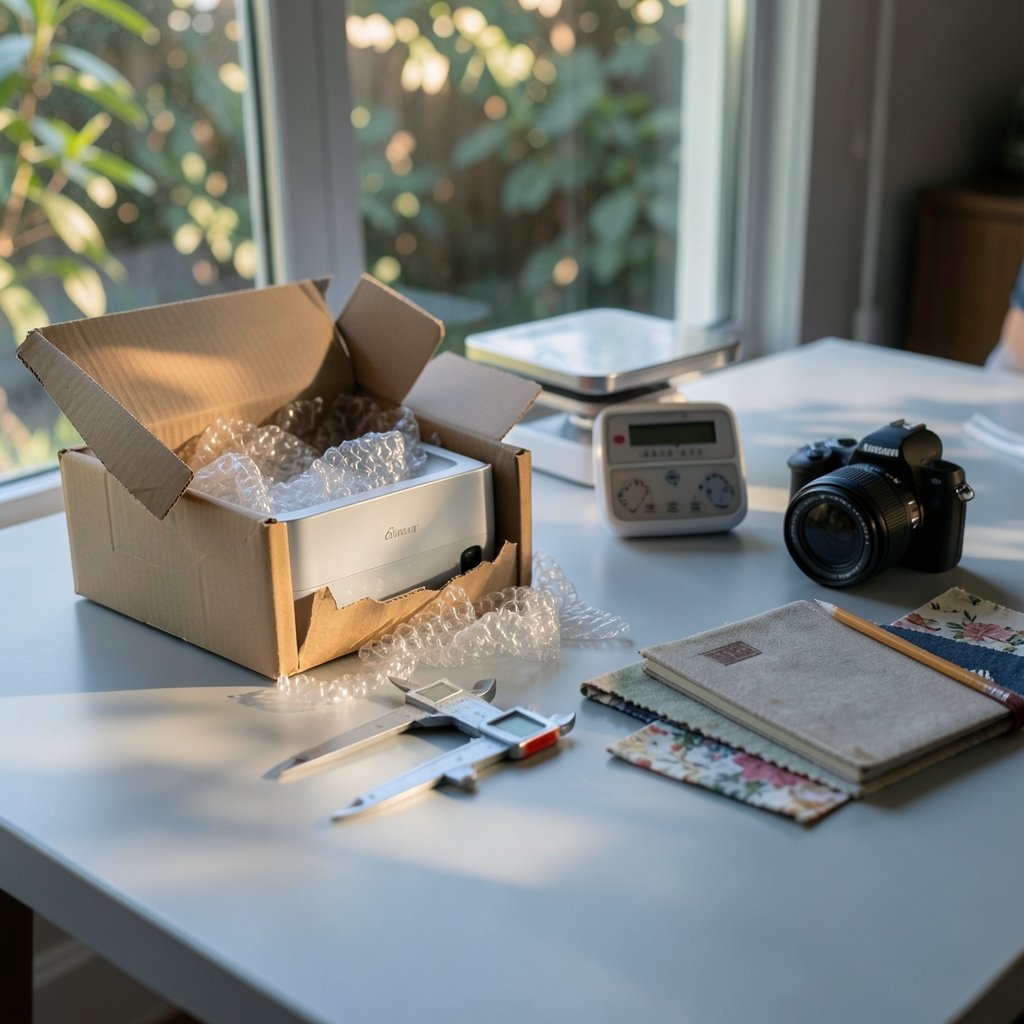
- Show your testing process, including photos of measurements, rather than opinions alone.
- Pitch editors with a specific product category you can cover credibly.
- Expect to buy or borrow products at first; reimbursement comes later, if at all.
The common mistake is applying to “review job” listings that are really affiliate marketing schemes. If the “job” requires you to buy inventory or recruit others, it is not a review job.
For readers thinking about how pay stacks up across fields, the wage data in this breakdown of jobs that make a lot of money shows why specialist reviewer roles pay more than generalist gigs: expertise is the product being sold.
What Product Tester Programs Really Offer
Retailer and brand tester programs are the murkiest category. Some are legitimate customer research. A company wants feedback on a new formula or packaging, recruits a panel, and offers a sample plus a small incentive. Others are marketing exercises where “testers” are really being asked to post positive content.
The key question to ask before joining any program: who pays whom? A legitimate panel never asks you to pay to participate. It may ask for demographic information, but it will not ask for your bank login, a “refundable deposit,” or a fee to cover shipping. (Mystery shopping)
Watch for these patterns, which consumer protection bodies have documented repeatedly:
| Warning sign | What it usually means |
|---|---|
| You must pay shipping or a “training fee” | Advance-fee scam |
| You receive a check to “buy the product and keep the rest” | Fake check fraud; the check bounces and you owe the bank |
| They ask for bank credentials or a photo of your ID early | Identity theft |
| The “job” is only offered through a messaging app | No accountability, no recourse |
| You must recruit friends to get paid | Pyramid structure, not a job |
If a program passes those checks, treat the compensation honestly. A free product worth $30 is not a wage. If you would not do the work for the product alone, the offer is not worth your time.
How Much Do Product Review Jobs Pay?
There is no reliable public dataset on review-job pay, and anyone quoting a precise average is guessing. What can be said with confidence is that the range is enormous, from unpaid product samples to salaried lab positions.
At the low end, crowdsourced review tasks often pay a few dollars per task, and the effective hourly rate frequently falls below minimum wage once you count the time spent qualifying, writing, and revising. At the middle, freelance product writers earn per-article rates that vary by publication and expertise. At the top, staff reviewer and testing roles are normal professional salaries with benefits.
The practical takeaway: calculate your effective hourly rate before committing. If a task pays $5 and takes 45 minutes including setup, that is under $7 an hour. That number should drive your decision more than the headline offer.
It is also worth comparing against alternatives. If the goal is income rather than specifically reviewing products, the pay reality behind jobs that make the most money is a useful benchmark for deciding whether review gigs are worth the effort at all.
The Rules That Govern Paid and Free-Product Reviews
This is the part most people skip, and it matters because it changes what you can legally do once you accept a free product.
In the United States, the Federal Trade Commission’s Endorsement Guides require clear and conspicuous disclosure of material connections between a reviewer and a seller. If you got the product free, you say so, plainly, where people will see it. The FTC’s rule on consumer reviews and testimonials went further, banning the purchase of positive or negative reviews and the sale of fake social media indicators.
In the United Kingdom, the Competition and Markets Authority treats undisclosed incentivized reviews as misleading commercial practices, and the Digital Markets, Competition and Consumers Act 2024 strengthened consumer enforcement powers, with review-related provisions expected to come into force in stages.
Across the EU, the Unfair Commercial Practices Directive requires transparency about paid reviews, and it was amended to address online marketplace practices more directly.
What does this mean in practice for someone taking review work?
- Disclose the free product or payment in the review itself, not in a footnote.
- Never accept payment conditioned on a positive rating; that condition is itself a legal problem for the seller.
- Keep records of what you received and when.
- Remember that free products and payments may be taxable income in your jurisdiction.
Platforms add their own layer. Amazon’s review policies prohibit incentivized reviews outside its invitation-only Vine program, and the company has pursued operators of review-brokerage groups. Getting caught gaming those rules can cost you your account and, in some cases, more.
Spotting a Fake Review Job Before You Waste Time
Scam review-job listings share a recognizable shape. They promise high pay for low effort, they move fast, and they create urgency.
A useful test is to reverse the flow of money. In any legitimate arrangement, money flows toward the reviewer. The moment you are asked to send money, deposit a check, or share banking credentials, the arrangement has flipped, and that flip is the defining feature of fraud.
Second, check whether the “employer” has a real, verifiable presence. A testing organization has offices, staff, published methodology, and a history. A scam has a landing page and a chat window.
Third, be skeptical of any offer that arrives unsolicited. Legitimate reviewer roles are applied for, not pushed at you through direct messages.
Finally, slow down. Urgency is a tool. Real employers do not need an answer in ten minutes.
Building Review Experience That Actually Leads Somewhere
For people who genuinely want to move toward paid review work, the practical route is to build evidence of skill. That means publishing reviews that show method: what you tested, how you tested it, what the numbers were, and where the product failed.
A few habits separate reviewers who get hired from those who stay stuck:
- Test comparably. Review similar products the same way so your conclusions mean something.
- Document everything. Photos, measurements, dates, and receipts.
- Write for a skeptical reader. Assume they think you are exaggerating.
- Pick a niche. Being the person who knows small kitchen appliances beats being a generalist.
- Disclose cleanly. It builds trust and keeps you compliant.
The same discipline applies to adjacent work. If you are exploring income options while building a portfolio, this look at how to make money as a kid legally shows how early, small, documented work builds a track record that later employers actually check.
Conclusion
Product review jobs are real, but the phrase is doing a lot of heavy lifting. Genuine reviewer roles exist at testing organizations and publications, and they reward expertise, method, and persistence. Tester programs and crowdsourced tasks occupy a middle ground where the pay is often thin and the terms belong to the platform. And a large share of what is advertised as a review job is fraud wearing a familiar label.
The decision framework is simple. Ask who pays whom. Calculate the real hourly rate. Disclose anything you receive. And walk away from anything that requires you to send money first. Do those four things and the scams filter themselves out, leaving the small number of opportunities that are actually worth your time.
FAQ
Are product review jobs legitimate?
Some are. Paid reviewer roles at established testing organizations and publications are ordinary jobs or freelance contracts. Tester programs and crowdsourced review tasks can also be legitimate, though pay is usually low. The illegitimate ones share a pattern: they ask you to pay a fee, deposit a check, or share banking details. Money should flow to you, never from you.
How much do product review jobs pay?
There is no reliable public dataset, and the range is enormous. Crowdsourced tasks often pay a few dollars each, which can work out below minimum wage once you count setup and writing time. Freelance product writing pays per article at varying rates. Staff reviewer and lab testing roles are salaried professional positions. Always calculate your effective hourly rate before accepting.
Do I have to disclose that I got a product for free?
Yes, in most major markets. In the US, the Federal Trade Commission requires clear and conspicuous disclosure of material connections between a reviewer and a seller. The UK and EU take a similar view of undisclosed incentivized reviews. Disclosure should appear where readers will see it, not buried in a footnote, and payment conditioned on a positive rating is itself a problem.
Can I get paid to review products on Amazon?
Amazon’s review policies prohibit incentivized reviews outside its invitation-only Vine program, so paying for reviews or accepting payment for a review violates the platform’s terms. Amazon has pursued operators of review-brokerage groups. If a program promises Amazon reviews for payment, that is a strong signal to walk away.
What are the biggest warning signs of a review job scam?
Five stand out. You are asked to pay shipping or a training fee. You receive a check to buy the product and keep the change. You are asked for bank credentials or ID photos early. The offer only exists inside a messaging app. You must recruit others before you get paid. Any one of these is enough reason to stop.
Do I need experience to get a paid reviewer job?
Not formal experience, but evidence of skill. Editors and testing organizations want to see method: what you tested, how, what the measurements were, and where the product failed. Publishing thorough reviews in a specific category builds that portfolio. Picking a niche and documenting your process consistently matters more than a long list of shallow reviews.