What if the biggest upgrade to your living room isn’t a bigger television at all, but a completely different kind of screen? That’s the question more households are asking as giant TVs get cheaper and projectors get brighter. The short answer: for most homes, the TV still wins. But the gap is narrower than it has ever been, and for a specific slice of buyers, a projector is the smarter buy.
This comparison puts both options side by side on the same criteria, then gives a straight verdict for each type of room and viewer. No hedging, no “it depends” without an answer attached.
The Quick Verdict
For a typical multi-purpose living room used from morning news to late-night football, a TV is the clear winner in 2027. It handles daylight, needs no special setup, and lasts years with almost no maintenance. A projector wins when the goal is a cinema-scale image in a room you can darken, or when portability and a huge picture per dollar matter more than all-day brightness. (2027 next year clear answer anyone planning ahead)
| Criteria | TV | Projector |
|---|---|---|
| Brightness in daylight | Strong; unaffected by ambient light | Weak; washes out in bright rooms |
| Contrast and black levels | Excellent, especially with local dimming | Good to very good, depends on room darkness |
| Maximum image size | Up to roughly 115 inches at high cost | 100 to 120+ inches easily |
| Cost per inch at large sizes | Rises steeply above 98 inches | Falls sharply; cheapest route to huge screens |
| Setup | Mount and plug in | Screen, mounting, cabling, light control |
| Portability | Fixed once mounted | Easy to move or pack away |
| Maintenance | Minimal for 8 to 10 years | Light source dims over time; lasers last longer |
| Best room | Bright, multi-use living room | Darkened or dedicated cinema room |
Why the TV Wins for Most Homes
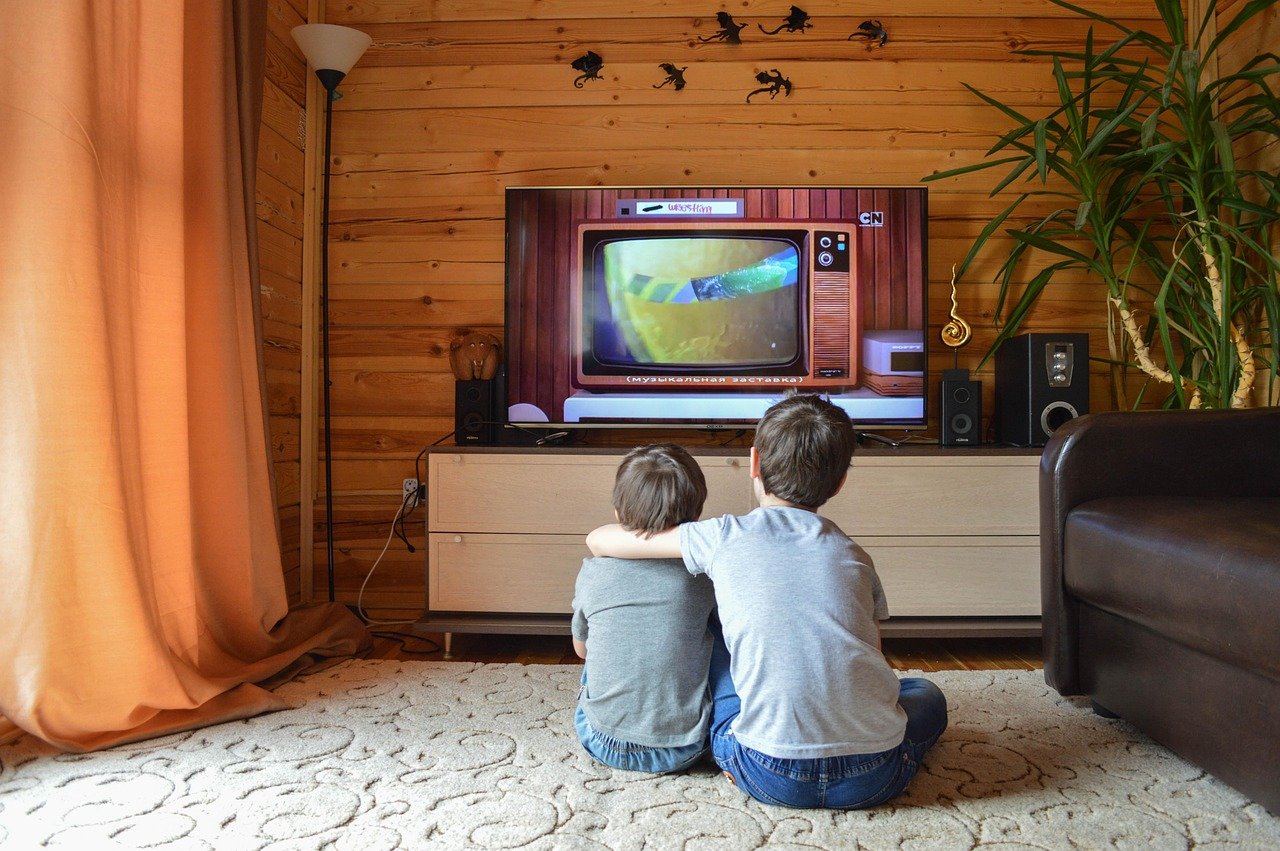
The case for the television is not about specs on a box. It is about how people actually live. A living room TV gets switched on in the morning for news, runs cartoons for kids in the afternoon, and hosts a match with friends on a sunny Saturday. None of that works well with a projector.
Daylight is the deciding factor
A TV creates its own light. A projector bounces light off a screen or wall, which means any competing light in the room fights it. Even the bright home projectors now available look grey and washed out under direct midday sun, with detail loss in the picture. Closing the curtains every time someone wants to watch something is not a habit most families keep up.
Contrast and black levels still favor panels
Local dimming arrays give modern TVs deep blacks and bright highlights that a projector struggles to match. A projector’s contrast depends heavily on how dark the room is, and a white wall reflects stray light back onto the screen. You can fix this with a proper screen and dark walls, but that is a renovation project, not a purchase.
Maintenance and longevity are simpler
A television run normally can last 8 to 10 years with essentially no upkeep. Projector light sources degrade over time, and brightness drops noticeably after a few years of use. Laser projectors hold up much better than older lamp models, but the principle still applies: the TV is the lower-effort object to own.
Installation is a one-time job
Mount a TV, plug it in, done. A projector needs a screen, a mounting position, cabling to the ceiling if you want it permanent, and control over light. For anyone renting, that list is often a dealbreaker on its own.
Where the Projector Actually Wins
None of the above makes projectors a bad buy. It makes them a specialized one. In the right room, a projector delivers something a TV cannot touch at the same price. (8 best ai presentation data tools 2027 charts one click)
Size per dollar is unmatched
If the goal is the largest possible image for the least money, the projector is the only real answer. A projector can throw 120 inches or more for far less than a TV of that size. The price curve for TVs is brutal at the top end: a 115-inch premium model can launch around $20,000, while a more affordable 115-inch set still runs near $10,000. Drop to 98 inches and prices fall to $3,000 or less on sale. That is not linear scaling, and it shows why big-screen TV money goes much further with projection.
The cinema feel is real
There is a cinematic quality to projected light that a panel cannot replicate. Manufacturers lean into this, arguing that projectors still offer a different, elevated and more precise experience for the discerning cinephile. Whether that is marketing or truth depends on your eyes, but plenty of movie lovers agree with it.
Flexibility and portability
A TV is a fixed object. Once mounted, it owns that wall. A projector can sit on a coffee table for movie night, move to the garden for a backyard screening, or go in a bag when you move house. For renters who cannot drill into walls or mount brackets, a projector on a shelf against a blank wall is a zero-renovation path to a 100-inch picture.
Color coverage can go wider
Triple laser light engines can cover a wider color space than many TVs, meaning a projector can display colors current televisions cannot. The catch is content: not much material actually uses that wider space yet, so the advantage is real but rarely visible in everyday viewing.
Matching the Choice to the Room
The single most useful question is not “which is better” but “which room is this going in.” That framing resolves most of the debate.
Choose a TV if:
- The room is bright and used all day
- Several people watch different things at different times
- You want zero setup hassle and low maintenance
- Gaming matters, since TVs tend to have better gaming specifications
- The wall is a permanent home for the screen anyway
Choose a projector if:
- You have a dedicated cinema room or a basement you can darken
- Movie nights are the main event, not background viewing
- You rent and cannot mount hardware
- You want the biggest image for a set budget
- You want a screen that disappears when not in use
A useful middle path: put a normal TV in the living room and add a projector in a spare room or for outdoor use. That combination covers both habits without compromising either.
Budget Realities Nobody Mentions
The purchase price is only part of the story. A projector almost always needs a screen to look its best, and a cheap screen undercuts the point of buying a good projector. Ceiling mounting adds an electrician’s visit if there is no outlet up there. Light control may mean blackout blinds. Add those up and the “cheaper” projector can close much of the gap with a TV.
On the TV side, the hidden cost is size. A 65-inch set is affordable; a 98-inch set is a different conversation, and anything above 100 inches climbs fast. That is exactly the zone where projection starts to make financial sense. If your heart is set on a 120-inch image, the projector is not a compromise, it is the only sensible route.
Practical tip: decide your target screen size first, then price both options at that size. Most buyers do it backwards, shopping TVs and projectors at whatever size happens to be on sale, then discovering the size they actually wanted was never in budget.
Common Mistakes Buyers Make
A few errors show up again and again in this decision.
Buying a projector for a bright room. The most common mistake. A projector in a sunlit living room with white walls will disappoint, no matter how bright the spec sheet claims it is. Fix the room or buy a TV.
Underestimating the screen. Projecting onto a bare wall works, but a proper screen improves contrast and brightness noticeably. Budget for it from the start.
Ignoring the light source. Lamp-based projectors dim and need replacement; laser models hold brightness far longer. The upfront saving on a lamp model often gets eaten later.
Forgetting audio. Projectors rarely include good speakers. A TV’s built-in audio is usually adequate; a projector often needs a soundbar or receiver added to the total.
Skipping the cable plan. A ceiling-mounted projector needs power and signal up there. Planning that after the ceiling goes up is expensive.
Commentary
The industry consensus is not that one product kills the other. It is that they serve different jobs. Reviewers who have lived with both note that TVs win for everyday viewing because they are brighter, sharper in daylight, and easier to live with, while projectors win for cinema-style moments with a massive, immersive image. Most ordinary living rooms, being multi-purpose and bright, suit a TV rather than a projector. Dedicated cinema rooms and garden setups are where projection earns its place.
Manufacturers of projectors push back on the idea that giant TVs will end their category, pointing to the authenticity of projected light and the fact that once you go past 100 inches, projection becomes the practical option. Both sides are right about their own turf.
The Verdict for Most Homes
For the average household with one main living room, a TV is the winner in 2027. It copes with daylight, asks nothing of the room, needs no screen or cabling, and keeps working for close to a decade with minimal fuss. The projector’s advantages, size and cinema feel, matter most in rooms built for them. (One com vs hostinger workflow differences understand 2027)
The honest version of the answer is this: buy a TV for the room where life happens, and buy a projector for the room where movies happen. If you only have one room, and it has windows, the TV is the safer, smarter purchase. If you have a dark spare room and a love of film, the projector will reward you in a way no panel can.
Before committing, check current prices and specs on the official product pages, since both categories move quickly and the numbers above are a snapshot, not a permanent truth.
Frequently Asked Questions
Is a projector better than a TV for a bright living room?
No. Projectors reflect light onto a screen, so any ambient light washes the image out. Even high-brightness home projectors look grey under direct sunlight, with lost detail. A TV creates its own light and stays clear in a bright room, which makes it the better choice for a multi-use, daylight-filled living space.
How big does a TV need to be before a projector becomes cheaper?
The crossover sits above roughly 98 inches. A 98-inch TV can be found for $3,000 or less on sale, but stepping up to 115 inches pushes prices toward $10,000 or even $20,000 for premium models. A projector reaches 120 inches or more for far less, which is where projection becomes the value play.
Do projectors still need bulb replacements?
Older lamp-based projectors do, and their brightness fades over years of use. Laser light engines have largely changed that, holding brightness much longer and removing the routine bulb swap. If longevity worries you, a laser projector is the safer pick, though a TV still needs the least maintenance of all.
Can a projector replace a TV entirely?
It can, but only in the right room. In a dark, dedicated space with a proper screen, a projector handles everything a TV does and delivers a bigger, more cinematic image. In a bright family living room used from morning to night, most people end up missing the TV’s all-day brightness and zero-setup convenience.
What hidden costs come with a projector?
A screen, mounting hardware, cabling to the ceiling, blackout blinds, and often a soundbar or receiver. Projectors rarely include speakers worth using, and a bare wall undercuts picture quality. Add those to the purchase price and the gap with a TV narrows considerably.
Which is better for gaming, a TV or a projector?
TVs generally win. They tend to have better gaming specifications, including lower input lag and higher refresh rates, plus brighter output that suits fast-moving scenes in lit rooms. Projectors can game fine in a dark room, but the TV is the more forgiving option for most players.