
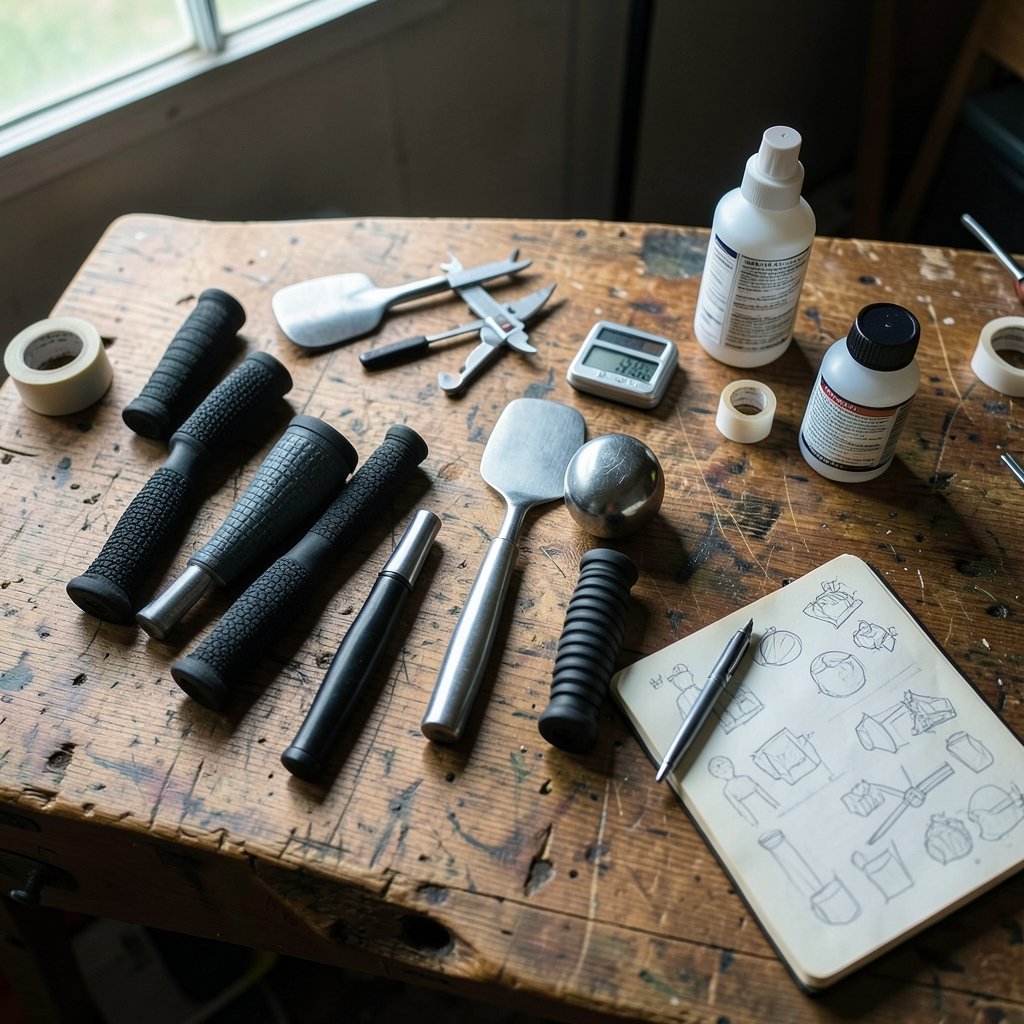
What if the most overlooked piece of equipment in your bag is the one your hands touch the most? Putters get all the attention, but the grip underneath your palms quietly shapes how the clubface arrives at the ball. Change the grip and you often change the stroke, sometimes for the better, sometimes for the worse. This guide walks through what putter grips actually do, how to choose one, and the mistakes that cost golfers strokes.
Why the Putter Grip Matters More Than You Think
A putter grip serves as the connection between your hands and the clubhead, and it affects wrist action, grip pressure, and how the putter feels during the stroke. A grip that is too small can let the hands take over. A grip that is too large can feel like holding a baseball bat and cost you touch. The right grip makes the putter feel like an extension of your arms.
Industry coaching commonly claims that larger-diameter grips reduce wrist action and promote a shoulder-driven stroke. That idea is widely repeated in fitting circles, but it is a coaching claim rather than a settled scientific finding. Peer-reviewed evidence is limited, so treat it as a starting point for your own testing, not a law of physics.
The Main Types of Putter Grips
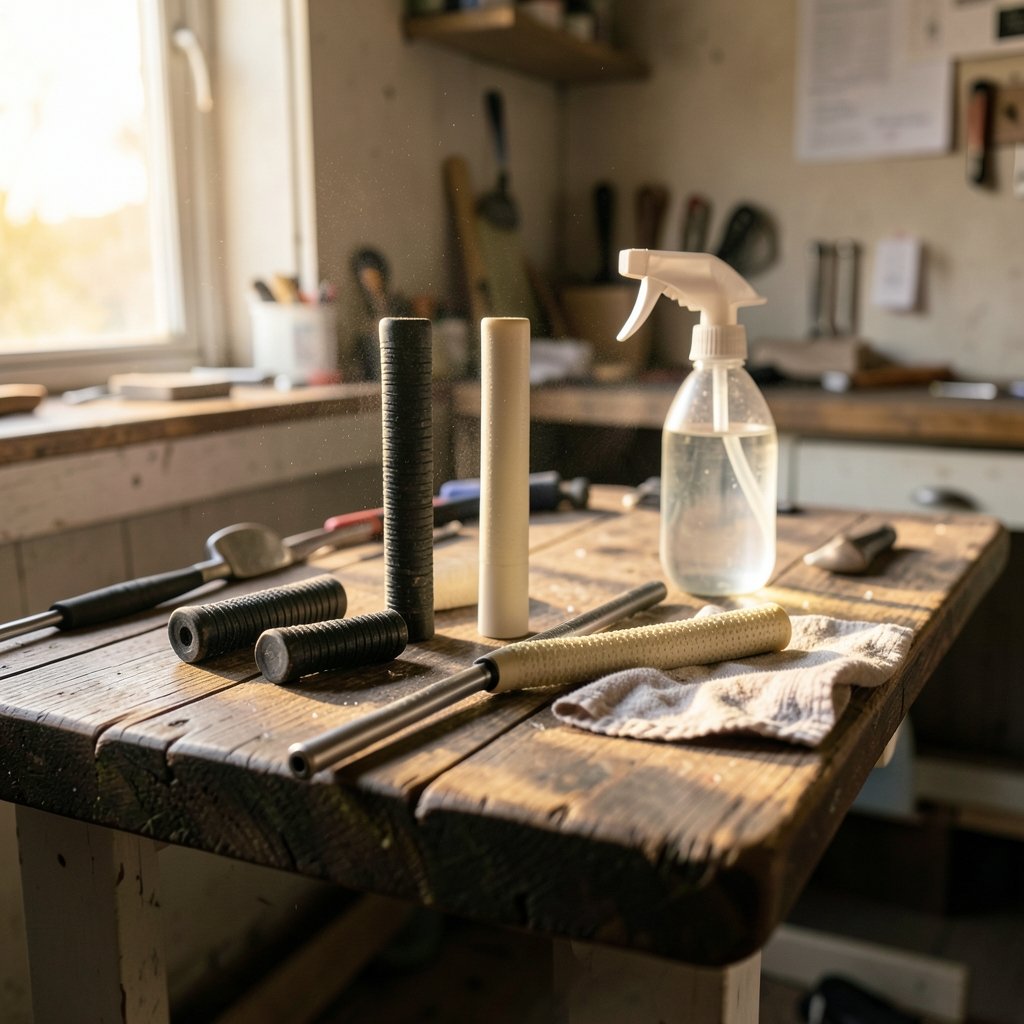
Putter grips fall into a few broad families. Knowing them helps you narrow the field before you ever pick one up.
| Type | Typical feel | Best for |
|---|---|---|
| Standard pistol | Traditional, thin, tapered | Players with quiet hands who want feel |
| Oversize | Fuller, fills the palms | Players who want to calm wrist action |
| SuperStroke-style large | Very wide, often parallel-sided | Players fighting grip pressure or yips |
| Flat-sided / non-tapered | Consistent shape top to bottom | Players who want a repeatable hand position |
| Counterbalanced | Heavier at the top end | Players seeking stability without extra head weight |
Materials matter too. Modern putter grips are typically made from rubber, synthetic rubber such as EVA, or polyurethane, often with cord or tacky surfaces for wet-weather grip. A corded grip feels rougher and more secure in heat and humidity. A smooth polyurethane grip feels softer but can get slick when your hands sweat.
Grip Size and Shape: Finding Your Fit
Clubfitting convention often relates grip diameter to hand size, measured from the crease of the wrist to the tip of the longest finger. It is a useful starting point, not a hard rule.
A practical approach many fitters use:
- Measure your hand from the wrist crease to your middle fingertip.
- Compare that measurement against the grip maker’s sizing chart.
- Test the grip on a real putter, not in a store aisle, ideally on a putting green.
- Hit ten putts from six feet and ten from twenty feet, and note both direction and distance control.
- Change one variable at a time so you know what actually helped.
Shape matters as much as size. A pistol grip has a pronounced ridge that sits in the lifeline of the top hand and can encourage a consistent hand position. A parallel, non-tapered grip removes that ridge and gives both hands an even surface. Some golfers find a flat front section helps them keep the face square. Others find it distracting. There is no universal winner.
What Actually Works in Practice
The most common mistake is going too big too fast. A golfer struggling with a twitchy stroke reads that oversize grips calm the wrists, buys the widest grip on the shelf, and then cannot feel the putter head at all. Distance control suffers, especially on long lag putts. A better path is to move up one size, practice for a few weeks, and only then decide whether to go bigger.
The second common mistake is ignoring grip weight. Heavier grips reduce swingweight, and clubmakers routinely use counterbalancing to change how a putter feels. If you swap a light standard grip for a heavy oversized model, the head may suddenly feel light and vague. Some players love that stable, back-weighted feel. Others hate it. Weigh the old grip and the new one before you install, or ask your fitter to match swingweight.
The Rules You Need to Know
Putter grips are not a free-for-all. Under the Rules of Golf, grips must be plain in shape and generally circular in cross-section. Putter grips are the exception: they may be non-circular, but they must be symmetrical. That is why you see flat fronts and pistol shapes on putters but not on drivers.
There is also the anchoring ban. A player must not make a stroke by anchoring the club against the body or by using an anchor point. The change was announced in 2013, applied to elite play from 1 January 2016, and took effect for all play under the modernized Rules in 2019. In practice, the belly putter method, where the grip end is pressed against the sternum or abdomen, is no longer a legal stroke. Long putters may still be used, but they must not be anchored. If you are unsure whether a grip or method conforms, check the current rule text before you buy.
Installation: Tape, Solvent, or Air
Most grips go on with double-sided tape and solvent. It is cheap, reliable, and easy to redo. Air installation, using a compressor and a grip retainer, is a popular alternative because it lets you swap grips without destroying them. Both are clubmaking practice rather than rule requirements.
A few practical notes from the bench:
- Clean the shaft thoroughly before taping. Old adhesive residue causes slipping and twisting.
- Use enough solvent. A dry install is the number one cause of a grip that twists mid-round.
- Mark your grip alignment before removal so the new one goes on straight.
- Let a solvent install cure for a few hours before play. Air-installed grips are ready immediately.
- Keep a spare grip and a roll of tape in your bag for emergencies.
Matching the Grip to Your Stroke and Your Hands
The best putter grip is the one that lets you repeat the same stroke under pressure. That usually means matching three things: hand size, stroke type, and personal preference.
If you have small hands, a standard or midsize grip will usually feel more secure than an oversize model. If you have large hands or long fingers, an oversize grip can stop the club from feeling like a pencil. If your stroke is arc-based, a pistol shape with a slight taper often suits the natural rotation of the face. If your stroke is straight-back and straight-through, a parallel grip can help keep the face square.
Then there is the mental side. Some golfers putt better with a grip that simply feels good, even if the numbers say otherwise. Confidence is not a measurable spec, but it shows up on the scorecard.
A Quick Fitting Checklist
Before you commit to a new grip, run through this list:
- Does the grip fill your hands without forcing your fingers to strain?
- Can you feel the putter head during a slow practice stroke?
- Does the face stay square through impact without conscious manipulation?
- Can you control distance on a twenty-foot putt?
- Does the grip feel secure when your hands are slightly damp?
If you answer yes to most of these, you are close. If you answer no to the distance-control question, the grip is probably too heavy or too large.
Common Mistakes That Cost Strokes
Golfers repeat the same grip errors year after year. Here are the ones that show up most often.
Buying on looks alone. A grip that looks great in the package may feel wrong in your hands. Always test before you commit.
Changing grips mid-season without practice. A new grip changes feel and swingweight. Give it a few range sessions and at least one full round before you judge it.
Ignoring grip wear. Rubber hardens and glazes over time. A slick grip forces you to squeeze harder, which tightens your arms and kills feel. Replace worn grips before they cost you a tournament.
Over-tightening during installation. Stretching a grip too far down the shaft changes its diameter and can split the rubber. Follow the maker’s instructions.
Forgetting the putter when regripping the set. Many golfers regrip their irons every year and leave the putter grip on for a decade. The putter is used more than any other club. Treat it accordingly.
How Often Should You Regrip?
There is no fixed schedule, but a few signals suggest it is time. The grip feels slick when your hands are dry. The surface looks shiny or has visible cracks. You find yourself squeezing harder to hold the club. Or you simply cannot remember the last time you changed it.
For most golfers who play regularly, replacing the putter grip every one to two years is reasonable. Players in hot, humid climates or who practice daily may need to change more often. A fresh grip is one of the cheapest upgrades in golf, and the difference in feel is immediate.
Conclusion
Putter grips are small pieces of equipment with an outsized effect on how you roll the ball. Size, shape, weight, and material all shape the feel in your hands and the stroke you produce. The coaching wisdom about oversize grips calming the wrists is worth testing, but it is not gospel, and the only real proof is what happens on the putting green. Start with your hand size, move up one variable at a time, respect the rules on shape and anchoring, and replace worn grips before they start costing you putts. Get the grip right and the rest of the putter has a chance to do its job.
Frequently Asked Questions
Do bigger putter grips actually help?
They can, for some golfers. Larger grips are widely claimed to reduce wrist action and encourage a shoulder-driven stroke, which can help players who struggle with a twitchy or handsy stroke. But the evidence is largely coaching-based rather than scientific, and going too large can cost you feel and distance control. Test one size up before committing to the widest option.
Are long putters and belly putters still legal?
Long putters are legal, but anchoring is not. A player must not make a stroke by anchoring the club against the body or by using an anchor point. The ban was announced in 2013, applied to elite play from 2016, and took effect for all play under the modernized Rules in 2019. The belly putter method, with the grip pressed against the sternum or abdomen, is no longer a conforming stroke.
What is the difference between a pistol and a parallel putter grip?
A pistol grip has a pronounced ridge or taper that sits in the lifeline of the top hand, which can help lock in a consistent hand position. A parallel, non-tapered grip gives both hands an even surface top to bottom. Pistol shapes often suit arc strokes, while parallel shapes appeal to players who want a square, straight-back-and-through motion.
Does grip weight change how a putter feels?
Yes. Heavier grips reduce swingweight, and clubmakers use counterbalancing to change feel and stability. Swap a light standard grip for a heavy oversize model and the head may feel suddenly light. Some players love the stable, back-weighted sensation; others lose feel for the head. Weigh both grips before installing or ask a fitter to match swingweight.
How often should I replace my putter grip?
There is no fixed rule, but every one to two years is reasonable for regular players. Replace it sooner if the surface feels slick when dry, looks shiny or cracked, or if you find yourself squeezing harder to hold the club. Golfers in hot, humid climates or who practice daily may need to change more often.
Can I install a putter grip myself?
Yes. Most grips install with double-sided tape and solvent, which is cheap and reliable. Air installation with a compressor is a popular alternative that lets you swap grips without destroying them. Clean the shaft first, use plenty of solvent, mark your alignment before removal, and let a solvent install cure for a few hours before play.



