
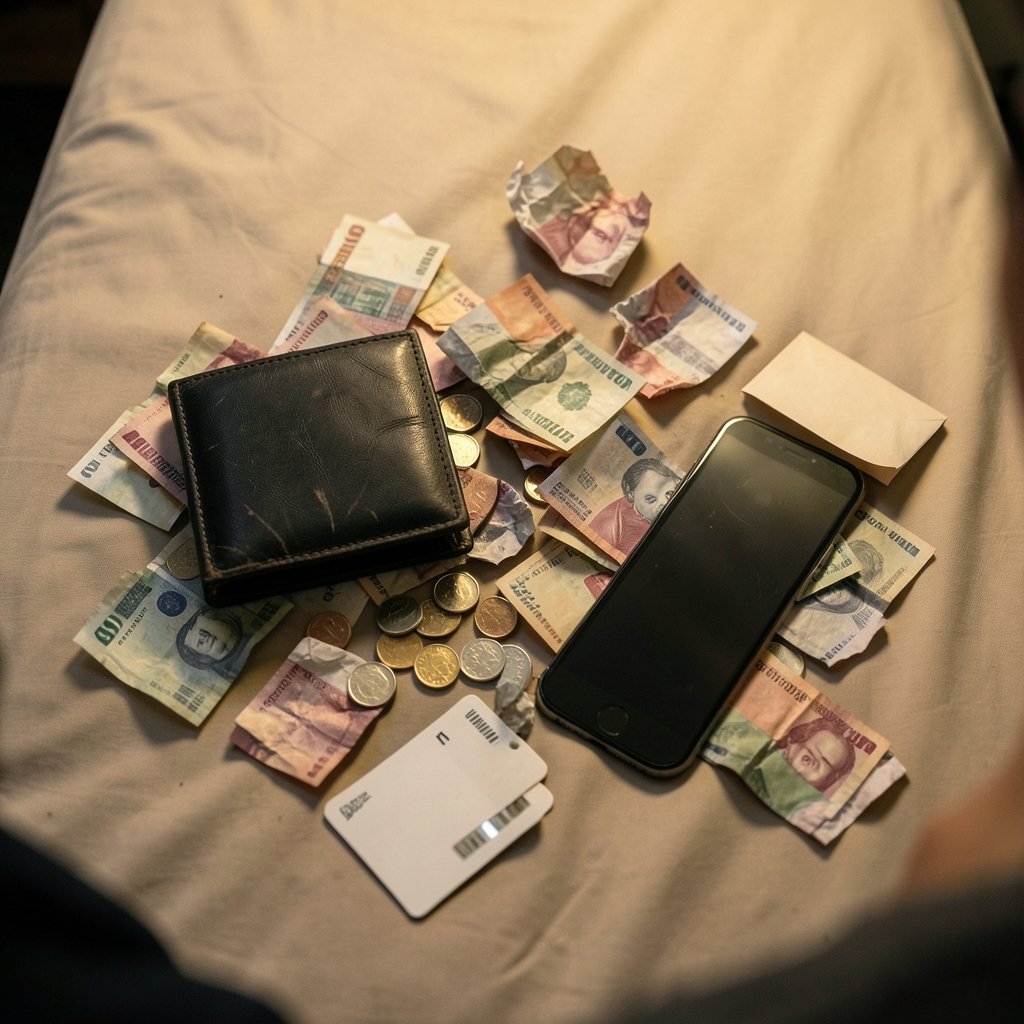
What would you do if a bundle of banknotes fluttered down onto the sidewalk in front of you? Grab it? Film it? Call the police? That exact question has played out in real life more often than most people realize, and the answers are messier than any viral video suggests. “Raining money” covers a strange mix of things: literal cash falling from buildings and armored trucks, the “make it rain” gesture borrowed from hip-hop culture, and a pile of online get-rich schemes that promise the sky will open up for you personally. Each version has its own rules, risks, and hard lessons, and knowing which one you’re dealing with matters before you pocket anything.
When Cash Really Does Fall From the Sky
Real money-rain events tend to start as celebration and end as chaos. People toss bills from balconies, rooftops, and hotel windows to mark a birthday, a championship, or a publicity stunt. Occasionally the source is accidental: an armored vehicle door swings open, a cash-in-transit bag splits, or a strong gust lifts loose bills out of an unsecured container. The pattern is remarkably consistent. A crowd forms within seconds, traffic stops, and the scramble turns physical.
The legal picture is where most people get it wrong. In most jurisdictions, cash that falls into a public street is not automatically “finders keepers.” Property law generally treats lost or mislaid money as belonging to its original owner, and keeping it can expose you to a civil claim or, depending on local rules and the amount, a criminal charge. Many police departments publicly ask people to hand in recovered cash and record where it was found. The honest move is also the safest one: report it, get a receipt, and let the owner come forward.
The practical risks are just as real. Scrambles in traffic cause injuries. Staged money drops have been used to draw crowds while accomplices work the edges picking pockets. And a genuine spill creates a bizarre secondary market, with bystanders filming, arguing over bills, and occasionally fighting. If you ever find yourself under a shower of cash, the least risky response is to step out of the road, avoid grabbing at anything in a crush, and let authorities manage the scene.
The “Make It Rain” Gesture and What It Actually Signals

The phrase most people associate with raining money comes from popular culture rather than meteorology. “Make it rain” entered mainstream English through hip-hop and Southern rap in the 2000s, describing the act of throwing cash into the air in a club or at a performer. It borrowed from an older image: money as weather, wealth so abundant it falls rather than being earned. Linguists who track slang note that the expression spread quickly because it compresses a whole attitude into three words.
That attitude has a cost. Throwing cash in a crowded room is, functionally, creating a small stampede. Venues that host such stunts deal with injuries, fights, and cleanup, which is why many clubs and event spaces now ban it outright. The gesture also carries a social message that lands differently depending on who’s watching. What reads as generosity to one person can read as showing off to another, and in a public setting with alcohol involved, that gap is where trouble starts.
For performers and brands, the safer version is controlled: staged drops with staff, designated zones, and no actual scramble. The visual still works on camera, and nobody leaves with a sprained wrist.
Why Sudden Money Rarely Stays Put
Here’s the uncomfortable part. Whether it arrives as a windfall from the sky, a lottery check, or a surprise inheritance, sudden money behaves the same way in most households: it evaporates. Financial counselors see this pattern constantly. A lump sum arrives without a plan attached, and it gets absorbed by deferred repairs, family requests, lifestyle upgrades, and purchases that felt urgent at the time. Within a year or two, the account looks roughly the way it did before.
The fix is boring and effective. Before the money lands, decide where it goes. A common approach is to split a windfall into buckets on day one: taxes and debts first, then an emergency fund, then a locked-away long-term portion, and only then anything discretionary. The point isn’t to refuse to enjoy a windfall. It’s to make the decision while you’re calm rather than in the middle of the excitement. The same discipline applies to less dramatic versions of raining money, like a bonus or a tax refund, which is why so many people who “come into money” have nothing to show for it a year later. (Cbdc digital currency central bank money going digital) (Money)
Raining Money as a Scam Hook
Search the phrase and you’ll find a second, darker meaning. Scammers love weather metaphors because they promise easy money without effort. The pitches vary, but the structure is identical: a small payment or a piece of personal information releases a much larger sum that is “already on its way.” Advance-fee fraud is the classic version, and it remains one of the most reported categories of consumer fraud worldwide.
The gift card version is especially nasty because it’s nearly irreversible. A caller claims you’ve won a prize or need to clear a fee, then directs you to buy gift cards and read the numbers aloud. Once the codes are shared, the balance is gone, and recovery is rare. Understanding how the gift card scam works and why victims rarely get their money back is worth ten minutes of anyone’s time, because the same script gets reused with crypto, wire transfers, and payment apps.
Fake investment platforms are the other big category. A polished site shows your “balance” climbing, a friendly account manager answers questions, and withdrawal requires one more deposit. The number on the screen was never real. The tell is always the same: money only flows one direction, toward the platform.
The Real Economics of “Easy Money” Schemes
Behind every promise of raining money sits a business model, and it almost always depends on new participants rather than actual profit. That’s the defining feature of a Ponzi scheme: early investors are paid with later investors’ deposits, and the whole thing collapses when recruitment slows. Regulators publish investor alerts precisely because the pitch sounds so reasonable at the start.
Artificial intelligence has become the newest wrapper for old tricks. Posts show screenshots of automated earnings, “AI trading bots” with impossible win rates, and courses that teach you to resell the same course. The underlying economics are worth examining honestly: AI companies themselves mostly earn through subscriptions, enterprise contracts, and advertising, not by handing profits to random users. Understanding how AI companies actually make money makes the fake offers easier to spot, because the real revenue lines rarely involve paying strangers.
That doesn’t mean there’s no legitimate path. Freelancers use AI tools to work faster, small businesses automate repetitive tasks, and creators produce more with less. The difference between a real chance and a scam is unglamorous: real ones require a skill, a customer, and time. If a method claims to work without any of those, the money raining down is coming from someone else’s pocket, and eventually it will be yours.
A Reality Check on Identity and Data
Scammers who promise raining money usually want something before the cash appears: your Social Security number, a photo of your ID, a bank login, or a selfie video. That combination is enough to open accounts, take loans, or impersonate you for years. Identity theft is expensive in ways that go far beyond the stolen amount, including hours spent on recovery, credit damage, and tax complications. Breaking down where identity threat detection money actually goes shows why prevention beats cleanup every time. (How is money created?)
The practical defense is simple and unglamorous. Never send identity documents to someone who contacted you first. Freeze your credit with the major bureaus before anything goes wrong, not after. Use a separate email address for financial accounts. And treat any request for a selfie holding your ID as a red flag, because legitimate institutions rarely need that over a text message.
How to Tell a Real Offer From a Fantasy
Most people don’t need a lecture on skepticism. They need a checklist they can run in thirty seconds. The following table captures the differences that matter most in practice.
| Signal | Legitimate offer | Raining-money fantasy |
|---|---|---|
| Upfront payment | None, or a normal product price | “Fee” or “deposit” to release winnings |
| Payment method | Traceable bank or card payment | Gift cards, crypto, wire to a stranger |
| Time to profit | Weeks to months of work | “Instant” or “guaranteed daily” |
| Who profits first | The customer or the buyer | The person recruiting you |
| Documentation | Contracts, registration numbers, verifiable history | Screenshots and testimonials only |
| Pressure | None | Deadline expiring in hours |
Two habits catch nearly everything. First, slow down: every scam depends on urgency, so a deliberate twenty-four-hour pause breaks the script. Second, verify independently: look up the company through official registries rather than the link you were sent, and search for complaints using the exact name plus the word “scam.”
What Actually Works When You Want More Money
Since literal cash doesn’t fall from the sky on request, the useful question is what does reliably improve a household’s finances. The answers are unexciting and well documented. Automating savings so the money leaves before you can spend it. Paying down high-interest debt before chasing investment returns. Building a small emergency buffer so a car repair doesn’t become a credit card balance. Adding income through a skill someone will pay for, rather than through a scheme that pays for recruiting.
For people curious about the AI angle specifically, the honest version is a tool story, not a jackpot story. Learning to use AI for research, drafting, and small-business automation can save hours that translate into billable work. That’s a slower curve than a viral screenshot promises, but it’s the version that survives contact with a bank statement.
Conclusion
Raining money is one of those phrases that sounds like a joke until you’re standing in it. Whether it’s a genuine cash spill on a city street, a cultural gesture borrowed from a music video, or a stranger on the phone promising a windfall, the same principles apply. Slow down. Ask who benefits. Keep your documents to yourself. Hand in what isn’t yours. And remember that the most reliable way to make money rain in your own life is the least cinematic one: earn it, save it automatically, and refuse to pay anyone for the privilege of being promised more.
Frequently Asked Questions
Is it illegal to keep money that falls from the sky?
In most places, yes, or at least legally risky. Lost cash generally still belongs to its original owner, and keeping it can lead to a civil claim or a criminal charge depending on local law and the amount. Police departments typically ask finders to hand in recovered money and record the details. Reporting it protects you and gives the owner a chance to reclaim it.
What does “make it rain” actually mean?
It’s slang for throwing cash into the air, usually in a club or at a performance, as a display of wealth or celebration. The phrase came into mainstream English through hip-hop culture in the 2000s. Many venues now ban the practice because it causes scrambles, injuries, and fights.
Why do people who receive sudden windfalls go broke?
Because the money arrives without a plan. Windfalls get absorbed by deferred bills, family requests, and lifestyle upgrades, and the account often looks the same within a year or two. The fix is deciding where the money goes before it lands: taxes and debts first, then an emergency fund, then a locked long-term portion, and only then discretionary spending.
How can I tell if an offer to “rain money” is a scam?
Look for three signals: an upfront fee, an untraceable payment method like gift cards or crypto, and pressure to act immediately. Real opportunities don’t require you to pay to receive money, and they don’t need your ID photo over text. Verify the company through official registries rather than the link you were sent.
Do AI tools really help people make money?
They can, but as productivity tools rather than magic. Freelancers use them to work faster, small businesses automate repetitive tasks, and creators produce more content with less effort. The gains come from applying the tool to real work for real customers. Anyone promising guaranteed daily returns from an AI bot is selling a story, not software.
What should I do if I already sent money to a scammer?
Act fast and document everything. Contact your bank or card issuer immediately, since early reports sometimes allow a chargeback. Report the incident to the relevant consumer protection agency, change any passwords you shared, and consider a credit freeze if you sent identity documents. Recovery is not guaranteed, which is exactly why the pause-before-paying habit matters so much.



