
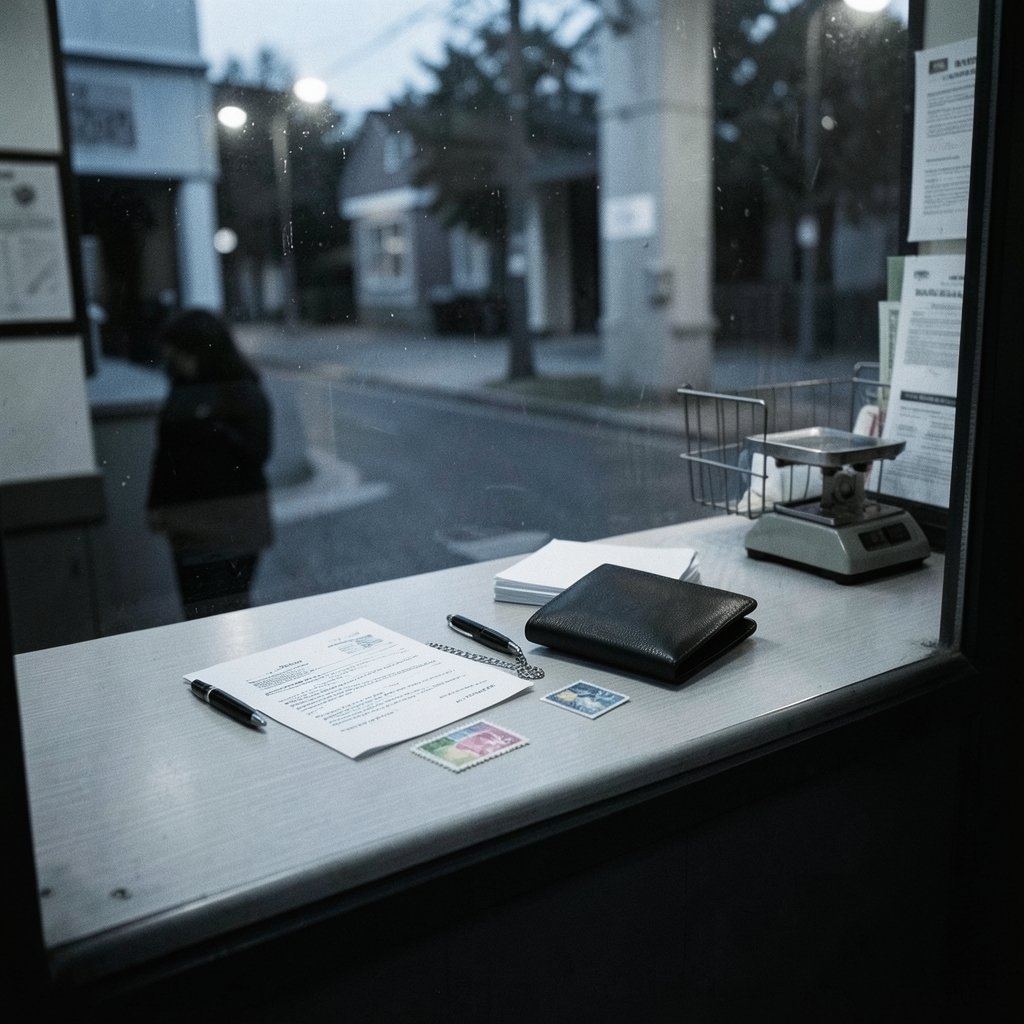
What do you do when someone asks to be paid by money order, and you have never bought one in your life? Maybe a landlord wants the rent that way. Maybe a small seller online will not take a card. Maybe you are sending cash to a relative overseas. Whatever the reason, a money order looks simple, and it mostly is. But small mistakes on that little slip of paper can cost you real money.
This guide walks through the whole process, from buying one to filling it out to making sure it arrives safely. It also covers the scams that use money orders as bait, because knowing those tricks is half the battle.
What a money order actually is
A money order is a prepaid payment for a fixed amount. You buy it from a bank, credit union, post office, or retailer. You pay the face value plus a small fee. The recipient can then cash or deposit it.
The key difference from a personal check: a money order does not draw on your bank account. It is already paid for. That is why sellers who do not trust checks often accept money orders instead. It is also why scammers love them, because once the money moves, getting it back is hard.
Step one: pick where to buy it

You have three main options, and each has trade-offs.
| Where to buy | Best for | Things to know |
|---|---|---|
| Post office | Sending by mail in the same trip | Domestic orders cap at $1,000 each; international orders have a lower limit |
| Bank or credit union | Large amounts, account holders | Often cheaper or free for customers; rules vary by institution |
| Grocery, convenience, or check-cashing stores | Speed and long hours | Fees and limits vary by store and state |
If you are mailing the money order anyway, the post office is the simplest choice because you can buy it and send it in one visit. If you need a larger amount, a bank is usually better, since most issuers cap how much one money order can carry.
A practical tip from people who do this often: call ahead. Not every branch or store sells money orders, and some stop selling them late in the day. A two-minute call saves a wasted trip.
Step two: know the limits and fees before you arrive
Fees are small but they add up, especially if you are sending a large sum. If a single money order caps out at $1,000, sending $3,000 means buying three of them and paying three fees.
Two common mistakes here:
- Buying several money orders to dodge a limit without checking the total cap. Some issuers also limit how much one person can buy in a day.
- Assuming the fee is the same everywhere. It is not. Post office, bank, and store fees differ, and they change over time. Check the current price at the counter before you commit.
For a sense of how payment costs stack up across different services, it helps to see where the money actually goes in identity threat detection and where the money goes. The same logic applies here: the sticker price is only part of the story.
Step three: fill it out correctly
This is where most problems start. A money order with a mistake can be refused, delayed, or impossible to cash.
Here is the order that works:
- Write the payee’s name exactly as it appears on their ID or bank account. Nicknames cause rejections.
- Write the amount in words and in figures. Both must match. If they do not, the issuer may void it.
- Add your address in the space provided. This helps with tracing if something goes wrong.
- Sign it, but only when you are ready to hand it over. An unsigned money order is a blank check for whoever finds it.
- Keep the receipt and the stub. The stub is your proof of purchase and your only path to a refund or trace if the money order is lost.
That last point deserves emphasis. People toss the stub in the trash with the receipt and then discover they cannot replace a lost money order. Treat the stub like cash until you know the payment cleared.
Step four: send it safely
How you send it depends on who is receiving it.
By mail. Use a tracked service if the amount is meaningful. A plain envelope with a money order inside is a gamble. Keep the tracking number with your stub.
In person. Hand it over and get a receipt or a signed note. If you are paying rent, ask for a written acknowledgment.
Internationally. Not every country accepts a money order from another country, and some recipients need a specific issuer. Check with the receiver’s bank before you buy. Sending an international money order that cannot be cashed is a slow, frustrating refund process.
If the payment is part of a bigger transaction, such as paying a deposit for an event or a service, the same caution applies. The guide on how to choose a wedding venue without losing money or sleep shows how deposits and payment methods interact in practice.
Step five: confirm the money arrived
Do not assume. A money order is not the same as a card payment with an instant confirmation. Ask the recipient to confirm they cashed or deposited it. If they say it never arrived, you will need the stub and receipt to start a trace.
Tracing takes time. In most cases, an uncashed money order can be refunded, but only after a waiting period and only with proof of purchase. That is why the paperwork matters more than the envelope.
The scam side you need to know
Money orders are a favorite tool for fraud, and the pattern is usually the same. Someone sends you a money order for more than you asked, then asks you to send back the difference. The money order turns out to be fake or stolen. The bank reverses it. You are out the money you sent back.
Other versions include mystery shopper jobs that ask you to deposit a money order and wire part of it onward, and online buyers who insist on money orders for goods they never intend to collect. Consumer protection agencies warn that money orders and wire transfers are hard to reverse, which is exactly why scammers push for them. The Federal Trade Commission’s plain-language guide on how to avoid a scam explains the warning signs in more detail. (Money transfers and remittances)
The gift card version of this scam follows the same logic, and victims rarely recover their funds, as this breakdown of how the gift card scam works shows. The lesson is consistent: any payment method that is fast and hard to reverse is a scammer’s favorite.
A simple rule that works: never send money back to someone who overpaid you. Return the original money order and ask for a correct payment.
Money orders versus other payment methods
It helps to see how a money order compares to the alternatives.
| Method | Reversible? | Needs a bank account? | Typical use |
|---|---|---|---|
| Money order | Hard to reverse | No | Rent, small sellers, people without cards |
| Personal check | Yes, can bounce | Yes | Local bills, established relationships |
| Wire transfer | Very hard to reverse | Usually yes | Large or international payments |
| Card payment | Yes, chargebacks possible | No | Everyday purchases, online shopping |
The pattern is clear. The easier a payment is to reverse, the safer it is for the buyer. The harder it is to reverse, the more the seller likes it, and the more a scammer likes it too.
This is also why new digital payment systems get so much attention. Central bank digital currencies, for example, are being designed partly around questions of reversibility and settlement speed, as this explanation of CBDC digital currency and central bank money going digital covers. Money orders are old technology, but the trade-offs they represent are still being argued about today.
Common mistakes and how to avoid them
A short list of the errors that cause the most trouble:
- Signing before you are ready to send. A signed, blank money order is cash in someone else’s hands.
- Mismatched amounts. Words and figures must agree.
- Losing the stub. No stub means no trace and no refund.
- Sending without tracking. Cheap insurance for a payment you cannot reverse.
- Accepting an overpayment. This is the core of most money order fraud.
- Not checking international acceptance. Confirm before you buy.
Each of these is easy to prevent with a minute of care at the counter.
What to do if a money order is lost or stolen
Act quickly. Contact the issuer with your receipt and stub. They can start a trace. If the money order has not been cashed, you can usually get a refund after a waiting period. If it has been cashed, the trace will show where and when, which helps with any follow-up.
Report suspected fraud to the issuer and to the relevant consumer protection agency. Do not try to resolve it by sending another money order.
Conclusion
Sending a money order is not complicated, but it rewards care. Buy from a source you trust, check the fee and the limit, fill out every line correctly, sign only at the moment of handing it over, and keep the stub somewhere safe. Then confirm the payment landed.
The bigger lesson is about trust. A money order is a tool for people who do not have a shared banking relationship, and that is exactly the gap scammers exploit. Use it for legitimate payments, refuse overpayments, and treat any request to send money back as a red flag. Do those things, and the little paper slip does its job without drama.
Frequently asked questions
Can I send a money order without a bank account?
Yes. That is one of the main reasons people use them. You can buy a money order at a post office, grocery store, or check-cashing shop with cash. You do not need an account to buy one, and the recipient does not need one to cash it at many locations, though they will usually need ID.
How much can one money order be for?
It depends on the issuer. Postal money orders in the United States cap at $1,000 each for domestic use, with a lower limit for international orders. Banks and retail issuers set their own limits, and some also cap how much one person can buy in a day. Check before you plan a large payment.
What happens if I lose the receipt and the stub?
You lose your main proof of purchase. Without it, tracing or refunding a lost money order becomes much harder, and sometimes impossible. Keep the stub with your important papers until you know the payment cleared. A photo of the stub on your phone is a sensible backup.
Can I stop payment on a money order?
Not the way you can with a check. You can request a trace and, if the money order is still uncashed, a refund after a waiting period. Once it has been cashed, the money is generally gone. That is why money orders are popular with scammers and why you should only send them to people you trust.
Is it safe to accept a money order from a stranger?
Be careful. Fake and stolen money orders are common. Wait until your bank confirms the funds have truly cleared before you release goods or send anything in return. Never send back the difference on an overpayment. If a buyer insists on a money order and rushes you, treat that as a warning sign.
Do money orders work for international payments?
Sometimes, but not always. Each country has its own rules, and some recipients need a specific issuer. Confirm with the receiver’s bank before you buy. If the money order cannot be cashed on the other end, you face a slow refund process and a frustrated recipient.



