
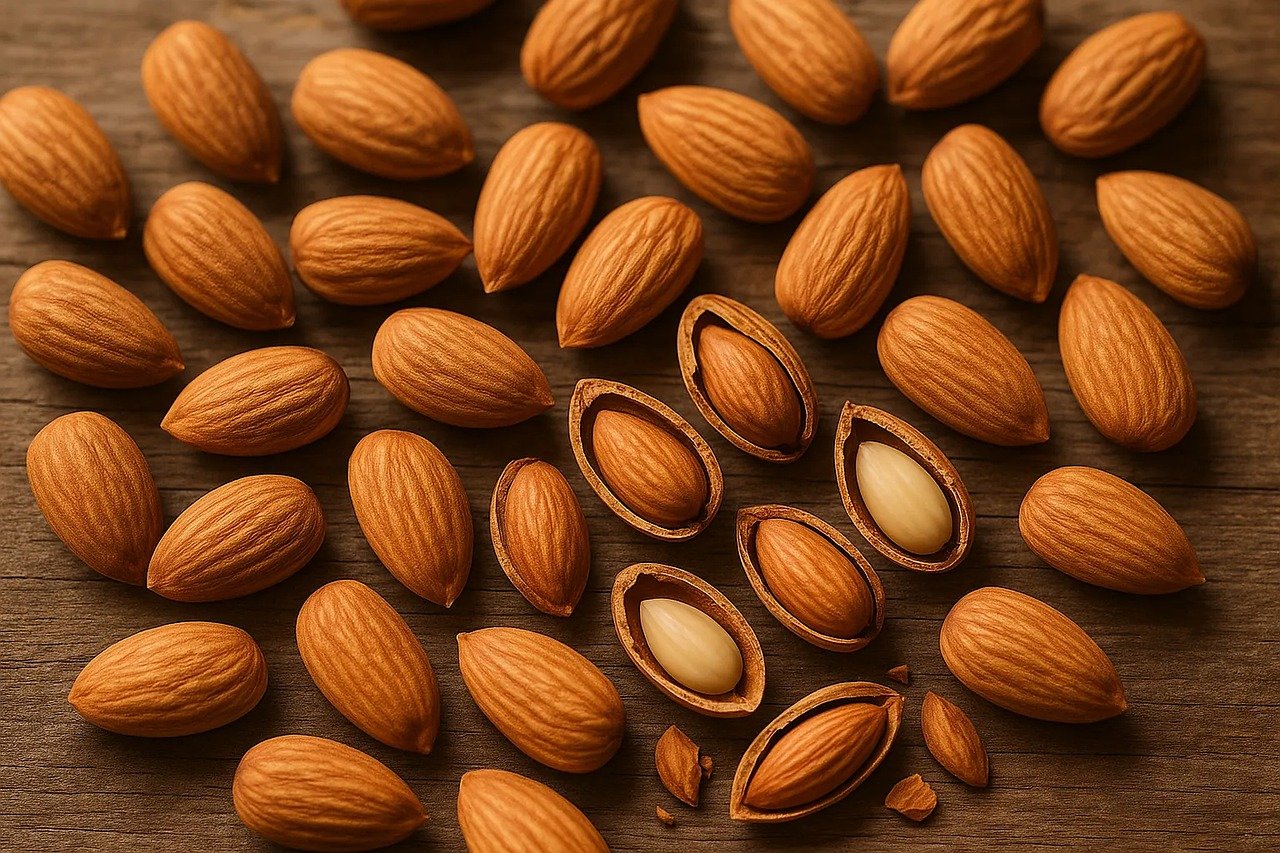
What if the bag of almonds you just bought, the one labeled “raw,” isn’t actually raw at all? It sounds like a marketing trick, but in the United States, it’s often simply the law. Since September 2007, most almonds sold to consumers have been required to undergo a treatment designed to kill harmful bacteria. That means the crunchy snack in your pantry may have been steamed, roasted, or fumigated before it ever reached the shelf.
This is just one of the surprises packed into a small, ordinary-looking nut. Almonds are among the most popular tree nuts in the world, praised for protein, fiber, and healthy fats. Yet questions swirl around them too. Are they safe to eat raw? Why do they taste different depending on where you buy them? And is “raw” even a meaningful word on a label anymore?
This article cuts through the confusion. It explains what raw almonds actually are, how they’re processed, what the science says about their nutrition, and how to choose and store them well. Whether you snack on them by the handful or bake with them, you’ll come away knowing exactly what you’re eating.
What “Raw Almonds” Actually Means
In everyday language, raw almonds are simply almonds that haven’t been roasted, salted, or flavored. They are the plain kernel, usually sold whole with their thin brown skin intact. In cooking and baking, “raw” is a useful shorthand for the unprocessed starting point.
But there’s a catch. In the United States, almonds sold to consumers must be treated to reduce Salmonella contamination. The treatment targets a significant reduction of the bacteria, and it applies even to almonds marketed as raw. Growers and handlers can achieve this through steam treatment, propylene oxide fumigation, or roasting. So a “raw” almond on a US shelf is usually raw in the culinary sense but pasteurized in the safety sense.
The reason comes down to a few major outbreaks of salmonellosis linked to raw almonds in the early 2000s. Regulators and the almond industry responded by requiring treatment rather than banning sales. The result is a safer product that behaves almost the same in the kitchen, though some purists argue the flavor and texture shift slightly.
Truly untreated almonds do still exist. Small growers sometimes sell them directly to consumers, and some states have exemptions for direct sales. These are often labeled “unpasteurized” rather than “raw” to make the distinction clear. If absolute rawness matters to you, look for that specific word and ask the seller how the nuts were handled.
How Almonds Are Processed Before They Reach You
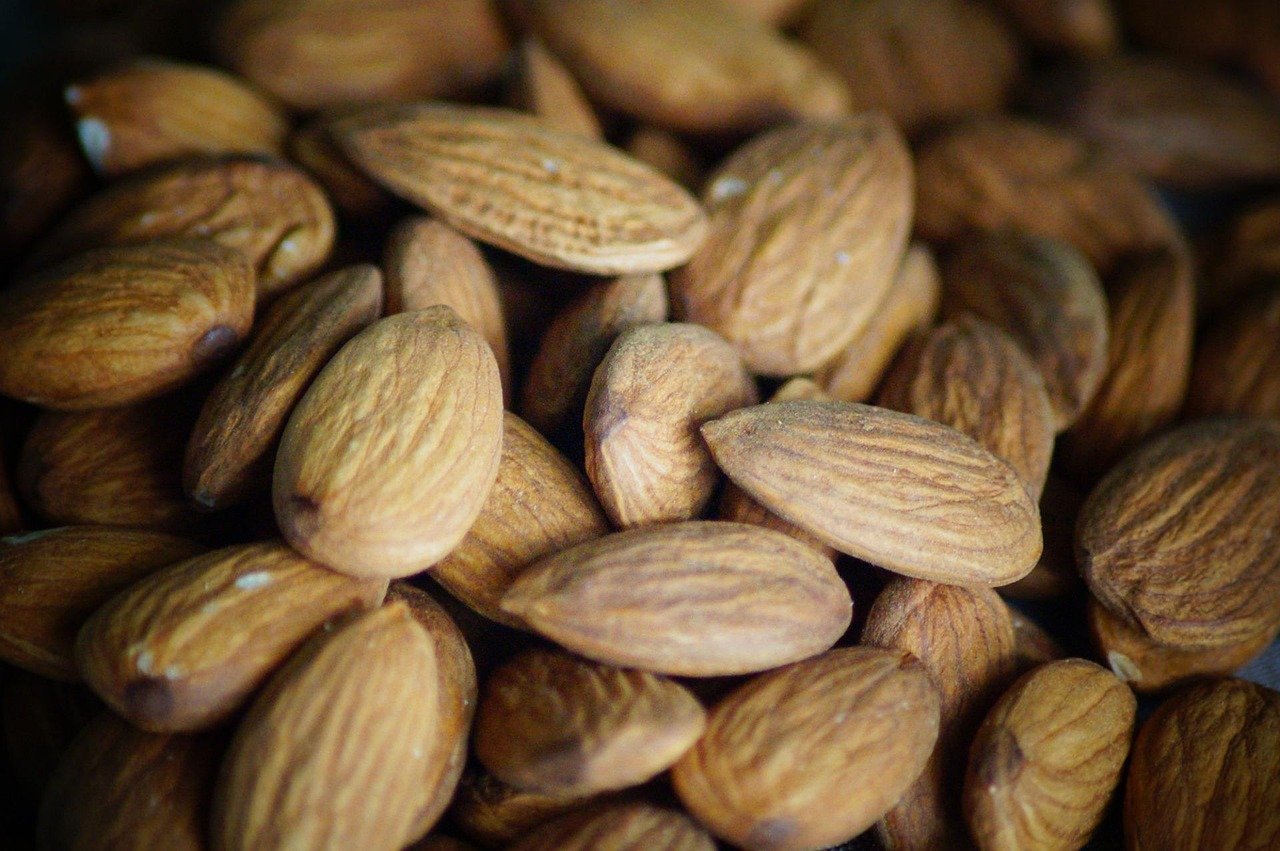
Understanding the journey from orchard to pantry helps explain why almonds vary so much in taste and texture. The process typically moves through several stages.
- Harvesting. Almonds are shaken from trees, then dried in the sun or in dryers until the kernels are stable.
- Hulling and shelling. The outer hull and hard shell are removed, leaving the kernel with its brown skin.
- Treatment. For consumer sales in the US, kernels are steam-treated, fumigated with propylene oxide, or roasted to reduce bacteria.
- Sorting and grading. Machines and workers remove defects, debris, and broken pieces.
- Packaging. Nuts are packed for retail, bulk, or industrial use.
The treatment step is where products diverge most. Steam treatment uses heat and moisture, and many buyers find it preserves flavor reasonably well. Propylene oxide is a fumigant approved for almonds in the US but not for this use in the European Union, which is one reason European “raw” almonds can differ from American ones. Roasting changes the flavor most dramatically, giving nuts a deeper, toastier taste.
For anyone tracking food safety and quality, this is where threat intelligence thinking applies to food supply chains too. Just as security teams turn scattered signals into action, food regulators and buyers turn processing data into purchasing decisions. The same principle of moving from raw information to practical judgment appears in this guide to how threat intelligence works from raw data to defensive action, and beginners can follow a similar path in this plain-language explanation of turning raw data into decisions. The idea is universal: the label is data, and context turns it into a real choice.
The Nutrition Inside a Handful
Nutrition is the main reason almonds earn their reputation. A one-ounce serving, about 23 almonds or 28 grams, delivers a dense package of nutrients. Per typical values, that handful provides roughly 160 to 170 calories, about 6 grams of protein, around 14 grams of fat (mostly monounsaturated), roughly 6 grams of carbohydrate, and about 3.5 grams of fiber. It also supplies vitamin E and magnesium, two nutrients many people fall short on.
| Nutrient (per 28 g) | Approximate amount |
|---|---|
| Calories | 160–170 kcal |
| Protein | ~6 g |
| Total fat | ~14 g |
| Carbohydrate | ~6 g |
| Fiber | ~3.5 g |
| Key vitamins and minerals | Vitamin E, magnesium |
Exact numbers vary by source, so treat the table as a useful guide rather than a precise label. The bigger picture matters more: almonds combine protein, fiber, and healthy fat in a way that makes them satisfying. That combination is why a small handful can quiet hunger between meals far better than a cookie.
One practical tip from experience: portion out a serving into a small bowl rather than eating from the bag. Almonds are calorie-dense, and it’s easy to eat far more than intended while distracted. A measured handful keeps the snack working for you.
Raw vs. Roasted vs. Blanched: What Changes
Buyers face a wall of options, and the differences matter for both taste and nutrition. Here’s how the main types compare.
| Type | How it’s made | Flavor and texture | Best for |
|---|---|---|---|
| Raw (treated) | Steam or fumigation, no roasting | Mild, slightly soft crunch | Snacking, baking, homemade milk |
| Roasted | Dry or oil roasting | Deep, toasty, crisp | Snacking, salads, garnishes |
| Blanched | Skin removed after hot-water dip | Pale, mild, tender | Baking, marzipan, sauces |
| Sliced or slivered | Cut after blanching | Delicate, uniform | Toppings, pastries |
| Unpasteurized | Untreated, often direct sales | Freshest, most “alive” taste | Purists, sprouting |
Roasting adds flavor but can slightly reduce some heat-sensitive nutrients. Blanching removes the skin, which means losing some of the fiber and antioxidants concentrated there. For most people, the best choice is the one they’ll actually enjoy eating, since a nut you skip has no nutritional value at all.
Bitter Almonds and the Safety Question
Not all almonds are the same species for eating purposes. Sweet almonds are the kind sold as snacks and used in baking. Bitter almonds contain a compound called amygdalin, which releases cyanide when broken down in the body. That’s why bitter almonds are not sold raw for eating in most markets and are used only for flavoring after processing that removes the risk.
This is a genuine safety point, not a scare story. Bitter almonds have their place in traditional cooking and extracts, but they are not a snack food. If you ever encounter them at a specialty market, treat them as an ingredient that requires proper processing, not something to nibble.
For sweet almonds, the main safety concerns are different. Aflatoxins, toxins produced by molds, can sometimes contaminate tree nuts, which is why regulators set maximum levels and why proper storage matters. Almonds are also a major allergen and a tree nut, so labeling rules require clear warnings. People with tree-nut allergies should avoid them entirely, and anyone introducing almonds to a child should follow medical guidance.
How to Buy, Store, and Use Raw Almonds
Good almonds start with a good purchase. Here’s what actually works in practice.
- Check the date and smell. Fresh almonds smell mildly nutty and sweet. A stale, bitter, or paint-like smell is a warning sign.
- Look at the label. Words like “steam pasteurized,” “propylene oxide treated,” or “unpasteurized” tell you what happened before packing.
- Buy in amounts you’ll finish. Almonds keep well, but they don’t last forever. Buying smaller quantities more often beats a giant bag that goes stale.
- Store cool and dark. Heat, light, and air speed up rancidity. An airtight container in a cool pantry works; the fridge or freezer is better for long storage.
- Freeze for the long haul. Almonds freeze beautifully. Portion them, label the date, and use within a year for best quality.
A common mistake is storing nuts in an open bag on a sunny counter. The oils turn rancid faster than people expect, and the resulting bitterness gets blamed on the almonds themselves. A sealed jar in a dark cupboard fixes the problem instantly.
In the kitchen, raw almonds are remarkably versatile. They blend into almond milk, grind into flour for baking, chop into granola, or toast quickly in a dry pan for a flavor boost. Soaking them overnight softens the texture and is popular in some diets, though claims that soaking “activates” enzymes or dramatically improves digestion lack strong clinical evidence. Soak them if you like the texture, not because of miracle claims.
The Environmental Conversation
Almonds have become a lightning rod in discussions about water use. They are a water-intensive crop, and widely cited figures about gallons per almond have circulated for years. Those numbers are contested methodologically, so treat dramatic statistics with caution and look for peer-reviewed or university sources before repeating them.
What’s less controversial is scale. California produces the large majority of US almonds and a substantial share of the global crop. That concentration means growing practices, water management, and pollinator health in one region have outsized influence on the nuts available worldwide. Consumers who care about sustainability can support growers who publish water and pollinator practices, but they should be skeptical of simple soundbites in any direction.
Conclusion
Raw almonds are a small nut with a surprisingly complicated story. The word “raw” on a label describes how the almonds are prepared for cooking more than it guarantees they were never treated. In the US, safety rules mean most almonds get a bacteria-reducing treatment before sale, and that’s a feature, not a flaw. What matters most is what you do with them: choose fresh nuts, store them well, and enjoy them as part of a balanced diet.
The practical takeaway is simple. Read labels with curiosity, not suspicion. Buy in quantities you’ll finish, keep them cool and sealed, and don’t fall for soaking myths or scary statistics without checking the source. Do that, and a handful of almonds remains one of the smartest snacks in the pantry: satisfying, nutritious, and genuinely versatile.
Frequently Asked Questions
Are raw almonds actually raw?
In the US, usually not in the strict sense. Most almonds sold to consumers, including those labeled raw, are treated to reduce Salmonella, often by steam, propylene oxide, or roasting. They are raw in the culinary sense, meaning unroasted and unflavored, but not untreated. Truly untreated almonds are sold in limited direct-to-consumer channels and are typically labeled unpasteurized.
Are raw almonds healthier than roasted ones?
Both are nutritious. Raw almonds retain slightly more heat-sensitive nutrients, while roasting deepens flavor and can make them more appealing to snack on. The difference is small compared with the benefit of eating almonds at all. The best choice is the version you’ll actually eat regularly, whether raw, roasted, or blanched.
Can you eat raw almonds every day?
Yes, for most people. A daily handful, about one ounce, fits well into a balanced diet and provides protein, fiber, healthy fats, vitamin E, and magnesium. Because almonds are calorie-dense, portion awareness matters. People with tree-nut allergies should avoid them, and anyone with specific health conditions should check with a doctor or dietitian.
Why do raw almonds taste different from one brand to another?
Processing explains most of the difference. Steam treatment, fumigation, and roasting each affect flavor and texture, as does freshness and storage. Almonds grown in different regions and harvested in different seasons also vary slightly. If you find a brand you love, note how it was treated and how it was stored, then look for those traits again.
Are bitter almonds safe to eat raw?
No. Bitter almonds contain amygdalin, which releases cyanide when digested, so they are not sold raw for eating in most markets. They are used for flavoring only after processing that removes the risk. Sweet almonds, the kind sold as snacks and used in baking, are the edible type and are safe when eaten in normal amounts.
How should I store raw almonds to keep them fresh?
Keep them cool, dark, and sealed. An airtight container in a cool pantry works for short periods, while the fridge or freezer is better for longer storage. Heat, light, and air cause the oils to go rancid, producing a stale or bitter taste. For bulk purchases, freeze in portions and use within about a year for the best quality.



