

What if the biggest discount in consumer electronics isn’t a sale at all, but simply a decision about which box you open? That question matters more heading into 2027 than it has in years. Chip demand from AI data centers has squeezed supply, and several markets are bracing for regulatory changes that push new-device prices upward. The result is a widening gap between what a new device costs and what a carefully chosen refurbished one costs.
This comparison breaks down refurbished, renewed, open-box, and new side by side on the same criteria: price, warranty, battery condition, and usable life. It also names the cases where buying new is genuinely the smarter move. Because sometimes it is.
Refurbished vs New at a Glance
| Criterion | New | Certified Refurbished | Renewed | Open-Box |
|---|---|---|---|---|
| Typical discount | None | 15–25% off, up to ~50% on 2–3 year old models | 30%+ off, varies by program | 10–20% off |
| Warranty | Full manufacturer | Seller or manufacturer, often 1 year | Program rules apply | Often shortened or none |
| Battery | 100% | Usually 80%+ | Varies widely | Usually untouched |
| Condition | Sealed | Tested, cleaned, graded | Inspected to program standard | Returned, usually unused |
| Risk level | Lowest | Low if certified | Depends on the program | Moderate |
| Best for | Latest features, longest support runway | Value seekers who skip the newest model | Budget buyers who read the fine print | Deal hunters on current models |
The table tells the story in one glance. The savings are real, but they are not uniform, and the word on the box matters more than the number on the tag.
The Real Price Gap: What the Numbers Say
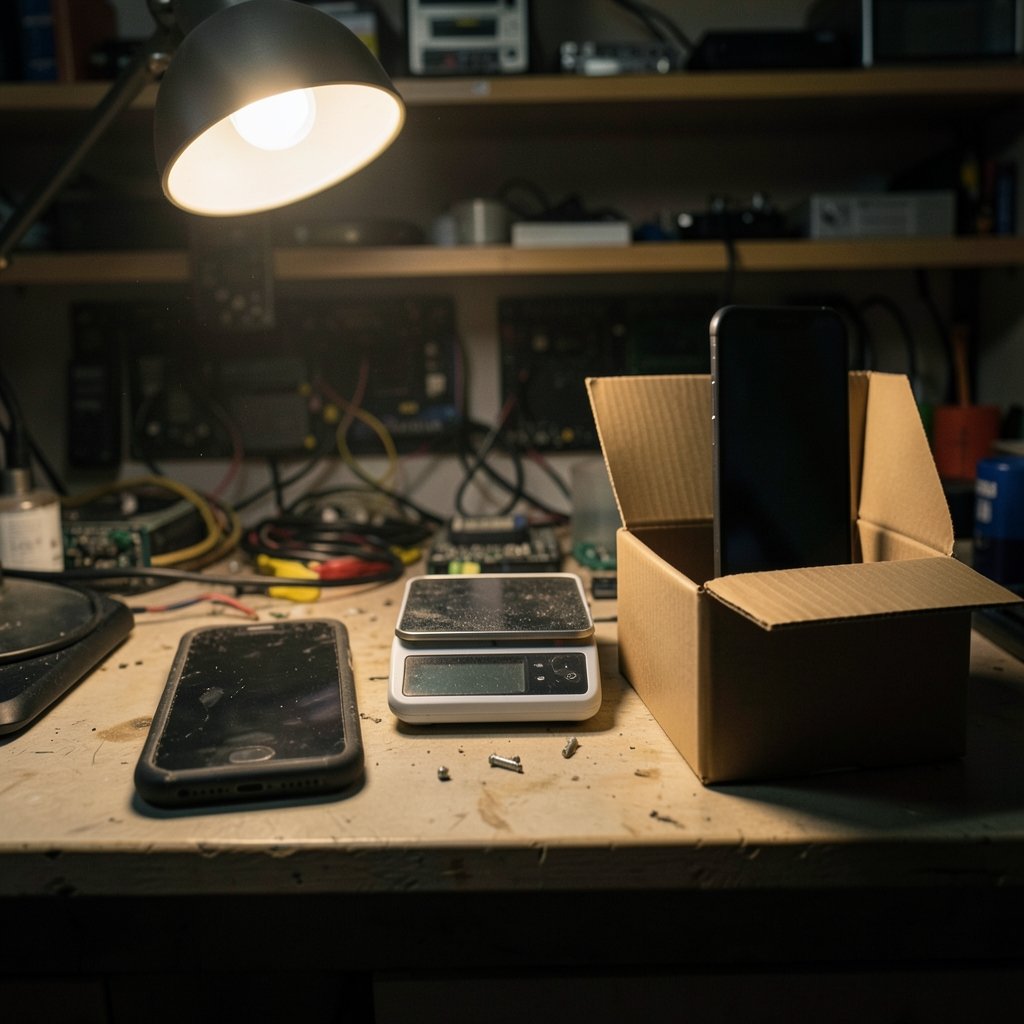
Refurbished electronics typically cost 15% to 25% less than new, and if you accept a two- or three-year-old model in good condition, the savings can reach about 50%, according to reporting on the trend. That is not a rounding error. On a $799 phone, a 50% cut is roughly $400 back in your pocket.
The discount exists for predictable reasons. A device loses a sizable share of its value the moment it leaves the shop, and that drop has nothing to do with how well it works. A refurbished unit lets a buyer capture that depreciation while still getting the same daily experience. The other half of the gap is the newest-model premium, which buyers pay for features they may never use.
There is also a supply-side push. Global chip shortages that began in 2020 have been compounded by surging AI-driven demand, and retailers have passed rising costs to consumers. In Japan, the so-called 2027 problem is drawing attention: from April 2027, stricter energy-efficiency standards mean cheap, low-efficiency air conditioners will disappear from the market, and manufacturers are already shifting toward higher-spec, higher-priced models. One used-appliance retailer’s representative noted that no specific price increases have been announced, but a general rise in the market’s price band is entirely plausible, especially if installation demand clusters and parts and labor costs climb too. (Wireguard vs openvpn it protects where its limits begin 2027)
The lesson for 2027 is simple. When new prices drift up for reasons that have nothing to do with quality, the refurbished discount gets bigger in absolute dollars as well as in percentage terms.
What “Refurbished” Actually Means (And Why “Renewed” Is Different)
Here is where most buyers get burned. Refurbished is not one thing. It is at least four things wearing the same name tag.
Manufacturer refurbished is the gold standard. The device goes back to the maker, gets inspected, repaired if needed, cleaned, and resold with a real warranty. Certified refurbished from a reputable retailer is close behind: tested, graded, and guaranteed. Renewed is a program label with rules and a guarantee attached, and the guarantee, not the condition, is the substantive difference. Used means none of the above. Nobody checked it, nobody stands behind it.
The gap between these categories can exceed 30% in price, which is exactly why a suspiciously cheap listing deserves suspicion rather than excitement. A certified refurbished laptop has been checked and guaranteed by a seller. A used one has not. That single difference is why refurbished is often the smartest buy on the shelf.
Practical tip: read the grading scale before you read the price. “Good” and “Excellent” can mean very different things at different sellers, and a “Grade A” label from an unknown marketplace storefront is worth less than a plain “refurbished” label from the manufacturer itself.
Where the Savings Are Biggest
Savings cluster in specific categories, and knowing them is half the battle.
Phones two to three generations old. The newest-model premium evaporates fastest here. A phone that launched at flagship pricing two years ago now competes on price with mid-range new devices, and it usually wins on camera and build quality.
Laptops and desktops. Business-grade laptops come off corporate leases in bulk, which means steady supply and aggressive pricing. A certified refurbished unit with a fresh install and a warranty often costs less than half of its original retail price.
Home appliances. In Japan, reuse appliance shops report strong demand for small refrigerators and washing machines aimed at people setting up a first apartment, with prices under half of original and two-year warranties attached. For a four-year horizon, that math works.
Air conditioners heading into 2027. With stricter efficiency standards arriving in April 2027, older but functional units are attracting attention from buyers who care about total cost rather than the latest efficiency rating. The catch: buy on condition and inspection history, never on price alone.
Where savings are thinner: brand-new flagship releases, devices with unusual configurations, and anything where the refurbished discount lands under 10%. At that point, the warranty and return-window difference usually eats the gap.
Where New Still Wins
A balanced comparison has to admit this. New is the right call in several situations.
Buy new if you need the longest software-support runway. Operating system updates have a shelf life, and a device that is already three years old has three fewer years of security patches ahead of it.
Buy new if battery health is non-negotiable. A refurbished phone may ship at 80% capacity, which is fine for most people and unacceptable for someone who lives on their device all day.
Buy new if you want the full manufacturer warranty, no-questions returns, and every accessory in the box. Open-box listings sometimes arrive without the charger, and refurbished units occasionally ship with a third-party cable.
Buy new if the model is brand new and the refurbished discount is small. Paying 8% less for a device with a shorter warranty is not a savings story. It is a rounding error with extra steps.
And buy new if repairability matters to you and the refurbished unit’s parts availability is unclear. A device designed to last, rather than designed to be replaced, is worth more than a discount. Repair-scorecard style ratings for phones and laptops are worth checking before you commit either way.
Open-Box and Renewed: The Middle Ground Nobody Explains
Open-box sits between new and refurbished. The item was returned, often unopened or barely used, and resold at 10% to 20% off. The risk is that the warranty may be shortened and the accessories may be incomplete. If the discount is large enough and the return window is generous, open-box is one of the best-kept secrets in retail.
Renewed is a program label, and programs vary enormously. A renewed device from a major retailer with a stated inspection process and a guarantee is a different product from a renewed device from an anonymous marketplace seller. The word itself guarantees nothing. The program behind it does.
A useful rule of thumb: the more specific the seller’s description, the safer the purchase. “Renewed, inspected, 90-day guarantee, battery 85%+” tells you something. “Renewed” alone tells you nothing.
Common Mistakes That Erase the Savings
A few avoidable errors turn a good deal into a bad one.
- Buying on price alone. The cheapest listing is rarely the best price once you factor in a missing charger, a weak battery, or no return window.
- Skipping the grading scale. Condition labels are not standardized across sellers. Read the definitions as well as the grade letter.
- Ignoring the warranty length. A one-year warranty on a refurbished device can be worth more than a 10% extra discount.
- Forgetting the total cost. Compare refurbished, open-box, and new by total cost: warranty, returns, accessories, risk, and expected usable life. A new product may cost more at checkout but include a longer warranty, complete accessories, and easier access to replacement parts.
- Assuming all refurbished is equal. Manufacturer refurbished, certified refurbished, renewed, and used are four different contracts with four different risk profiles.
- Not checking the return window before opening the box. Open it, test it, and confirm battery health inside the window. Every time.
If you are also weighing subscription or tool costs alongside hardware, the same discipline applies to software decisions, and it helps to know where AI tool categories actually differ before you commit budget.
A Simple Decision Framework for 2027
Forget brand loyalty for a moment and answer three questions.
First, how long do you need this device to last? Under three years, refurbished wins almost every time. Over five years, new usually wins because of the support runway.
Second, how much does the newest feature set matter to you? If the answer is “not much,” you are exactly the buyer the refurbished market was built for. (Much do ai app builders cost real pricing 2027)
Third, what is your tolerance for hassle? Refurbished from a certified seller is low hassle. Refurbished from a stranger is a gamble. New is the lowest hassle of all, and you pay for that.
Run those three answers against the comparison table above and the choice usually makes itself. The people who regret buying refurbished are almost always the ones who skipped question three.
Conclusion
The real savings in 2027 sit in the gap between depreciation and desire. Refurbished devices capture that gap at 15% to 25% off, and up to roughly half off on two- or three-year-old models in good condition. Renewed programs add a guarantee layer that changes the risk math. Open-box quietly delivers small but genuine discounts on current models. New still wins when you need the longest support runway, a pristine battery, and zero hassle.
The smartest buyers do not pick a side. They pick a category per purchase. They read the grading scale, check the warranty, test inside the return window, and treat the word on the box as a contract rather than a description. Do that, and the discount is real money rather than a story you tell yourself at checkout.
FAQ
Is refurbished the same as renewed?
No. Refurbished is a description a seller applies, and it covers everything from manufacturer-restored units to lightly cleaned returns. Renewed is a program with rules and a guarantee attached. The guarantee, not the condition, is the substantive difference, and price gaps between the two can exceed 30%.
How much can I actually save buying refurbished?
Typically 15% to 25% off new pricing, and around 50% if you accept a two- or three-year-old model in good condition. The exact figure depends on the category, the model’s age, and the seller’s grading standards.
Is a refurbished phone battery reliable?
It depends on the seller. Certified refurbished devices usually ship at 80% capacity or better, and some programs replace the battery outright. Always confirm the stated battery health before buying, and test it inside the return window.
When should I buy new instead of refurbished?
Buy new when you need the longest software-support runway, a guaranteed 100% battery, the full manufacturer warranty, and every accessory in the box. Also buy new when the refurbished discount is under about 10%, because the warranty gap usually cancels the savings.
What is open-box, and is it risky?
Open-box means the item was returned, often unopened or barely used, and resold at a discount. The risk is a shortened warranty or missing accessories. Check the return window and confirm what is included before you buy.
Will new electronics get more expensive in 2027?
In some categories, likely yes. Stricter energy-efficiency standards arriving in April 2027 will remove cheap, low-efficiency air conditioners from the market, and manufacturers are shifting to higher-spec models. Combined with chip supply pressure and rising parts and labor costs, the overall price band may rise, which makes refurbished savings larger in absolute terms.



