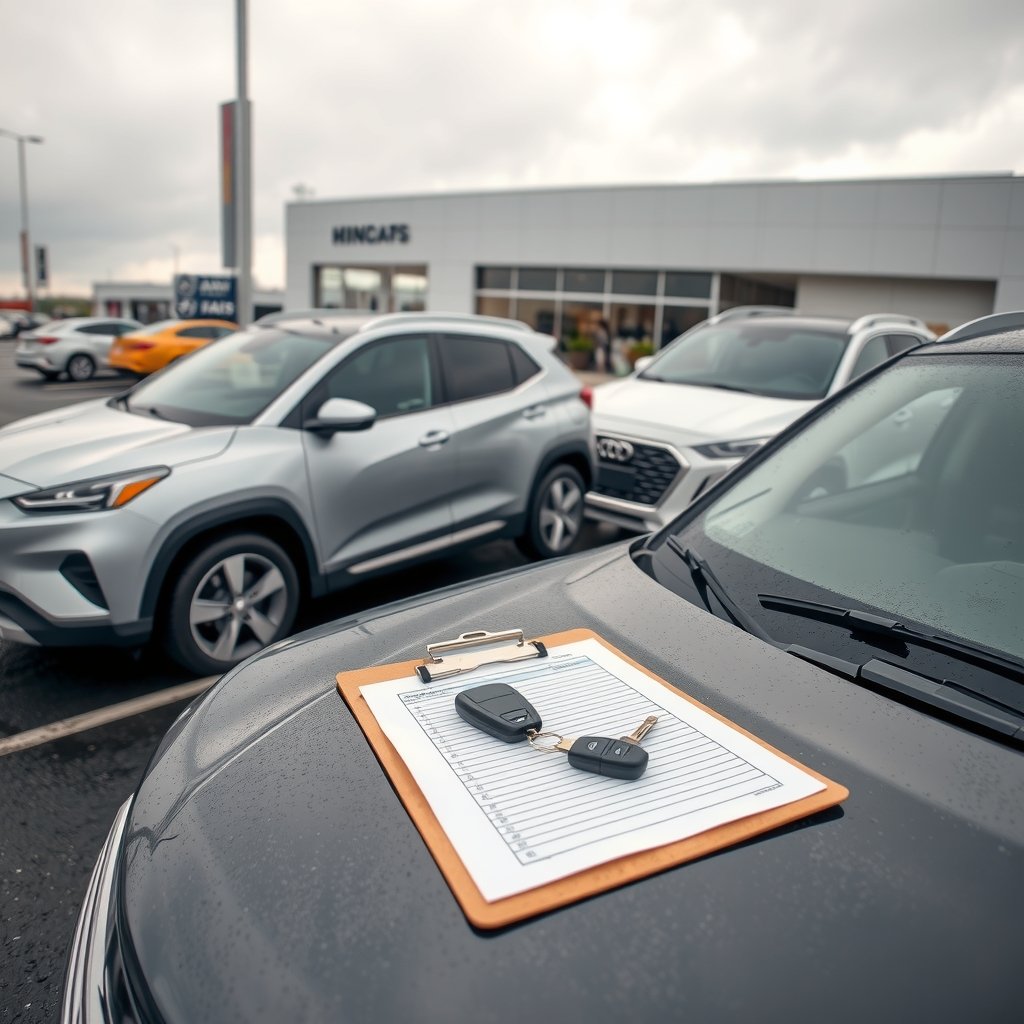
What if the dealer’s “generous” trade-in offer is quietly costing you more than the car is worth? That question applies to every trade-in decision, and the answer changes with the program. Some offers are real money. Others are marketing math dressed up as a discount.
The landscape in 2027 is crowded. Automakers run loyalty bonuses, conquest incentives, certified pre-owned pipelines, and straight-up trade-in assistance programs. Each one pays differently, and each one has fine print that decides whether you actually come out ahead. Here is how to tell the fair ones from the flimsy ones.
Why Trade-In Math Is Harder Than It Looks
A trade-in is two transactions stapled together: selling your old car and buying a new one. Dealers love that structure because it hides the real numbers. They can show you a big trade-in number and quietly raise the price of the new vehicle, or lowball your trade and hand you a “discount” that was already available to anyone who walked in.
The fair programs share one trait: the trade-in bonus is separate from the vehicle’s actual value. That means you get market value for your car plus a bonus on top, not a bonus that replaces part of your car’s worth.
A second trap is eligibility. Most 2027 programs restrict trade-ins by model year, brand, residency, and even household. A $1,500 headline means nothing if your car is one model year too old or your title is in a spouse’s name.
The Nissan RAV4 Conquest Offer: A Case Study in Fair Structure

The most talked-about trade-in program of the 2026–2027 season is Nissan’s push to steal Toyota RAV4 owners. Nissan is offering up to $1,500 in bonus cash to owners of 2021-or-newer RAV4s who trade them in on a new 2027 Rogue Hybrid, according to reporting on a dealer bulletin first surfaced by CarsDirect and covered by Jalopnik.
What makes this program worth studying is its structure. The $1,500 is a conquest incentive, meaning it exists to pull you away from a rival brand. It stacks on top of Nissan’s other current offers, including financing deals, and it can be transferred to members of the same household. The program launched November 3, 2026, and runs through January 4, 2027, though Nissan’s consumer-facing page lists an earlier end date of November 30, 2026, which is also when its Rogue Hybrid financing and lease deals expire.
That date mismatch matters. It is a textbook example of why you confirm terms with the dealer in writing rather than trusting a single web page.
Why Nissan Is Paying
This is not charity. RAV4 sales fell 29.2% in the first nine months of 2026 compared with the same period a year earlier, down to 253,664 units, while Nissan Rogue sales climbed 26.2% to 201,991 over the same stretch. The gap between the two models narrowed to roughly 52,000 vehicles. Nissan sees an opening and is paying to exploit it.
For a RAV4 owner, that competitive pressure is good news. A rival’s desperation is your leverage.
The Real Catch
The bonus requires you to buy or lease a 2027 Rogue Hybrid from dealer stock. You must own the RAV4 now, show proof of ownership, and hand it over as a trade. Residency restrictions apply. If the Rogue Hybrid is not the car you actually want, a $1,500 bonus is a discount on a purchase you should not be making. Fair pay on the wrong car is still a bad deal.
How to Judge Whether a Trade-In Program Pays Fairly
Before you sign anything, run the offer through a simple test. The steps below work for cars, phones, and anything else with a trade-in window.
- Get an independent cash value for your current vehicle from at least two sources: a competing dealer’s written offer and a private-party estimate.
- Ask the dealer for the trade-in value and the bonus as two separate line items in writing.
- Confirm whether the bonus can be stacked with financing, lease deals, or other promotions.
- Check the eligibility rules: model year, brand, residency, title holder, and household transfer.
- Compare the total out-the-door price against a dealer selling the same new car without a trade-in.
- Read the expiration date on the dealer bulletin and the website.
If a dealer will not separate the bonus from the trade value, that is your answer. Fair programs survive transparency.
Red Flags That Signal an Unfair Offer
Watch for a trade-in number that is suspiciously high but paired with a new-car price above market. Watch for bonuses that vanish when you mention a competitor’s quote. Watch for “one offer per vehicle” language combined with pressure to decide the same day. And watch for programs that require financing through the manufacturer at a rate higher than your bank’s.
Certified Pre-Owned: Where Your Trade-In Actually Goes
There is a second trade-in economy most shoppers never think about. When you trade in a late-model car, it often reappears on a dealer lot as a certified pre-owned vehicle. Automakers inspect these cars, fix what needs fixing, and back them with extended coverage that ordinary used cars do not carry.
That market is getting more competitive. Ford has set a 2027 goal to dethrone Toyota in certified used cars, a signal that automakers now treat CPO as a serious profit center rather than a side business for recycling trade-ins. For sellers, this is useful information. If your car is a late-model, clean-title vehicle from a brand with a strong CPO program, your trade has more value to the dealer than the generic wholesale number suggests. Say so, and ask for the CPO-eligible valuation.
This is also why the same car can get wildly different offers from two dealers. One plans to certify and retail it. The other plans to dump it at auction. The first dealer can afford to pay you more.
The Brand Loyalty Angle: Where Fairness Gets Fuzzy
Loyalty bonuses are the most emotionally loaded trade-in programs. They reward you for staying with a brand, which sounds fair until you do the math. A loyalty discount on a new car you could have bought elsewhere for less is not a reward. It is a retention tool.
The practical rule: treat every loyalty offer as a coupon, not a valuation. Compare the total price with the loyalty bonus against the total price from a dealer who does not require brand loyalty at all. If the numbers tie, take the convenience. If they do not, walk.
The same logic applies outside the auto world. Trade-in and upgrade credit programs now exist for phones, tablets, and even software subscriptions, and the fair ones follow the same principle: the credit sits on top of the device’s assessed value rather than replacing it. If you are weighing upgrade cycles, it helps to know which flagship actually holds value, whether you are comparing the best Android phone for 2027 or deciding which iPhone model fits your upgrade. Resale strength is the quiet engine behind every fair trade-in number. (State quarters worth money which ones actually hold value)
What Actually Works in Practice
Experienced shoppers tend to follow the same playbook, and it is not complicated.
Negotiate the new car first. Settle the out-the-door price before you mention a trade-in. Once the trade enters the conversation, dealers can move money between the two numbers.
Get the offer in writing with an expiration date. Verbal offers evaporate. A written quote with a program code, like the one attached to Nissan’s RAV4 offer, gives you something to hold the dealer to.
Check the household transfer rule. Several 2027 programs allow a bonus to pass to a family member in the same household. If your spouse or adult child owns the eligible car, that flexibility can be worth real money.
Time the deal to the program window. Conquest bonuses cluster around model launches and end-of-quarter pushes. If you can wait a few weeks, you may catch a richer offer. If a program expires January 4, do not shop on January 5.
Do not trade a car you can sell privately for more. Dealers pay wholesale, minus reconditioning and margin. On a desirable used model, a private sale can beat the trade-in plus bonus combined. Run both numbers before deciding.
A Quick Comparison of Program Types
| Program type | Who pays it | Typical structure | Fairness signal |
|---|---|---|---|
| Conquest bonus | Rival automaker | Flat cash on top of trade value, often stackable | Bonus is separate from trade value and stacks with other offers |
| Loyalty bonus | Your current brand | Discount tied to repeat purchase | Total price still beats outside quotes |
| Trade-in assistance | Any automaker | Cash when trading an eligible vehicle | Clear model-year and residency rules, written program code |
| CPO-driven valuation | Dealer | Higher offer because car will be certified and retailed | Dealer confirms CPO eligibility in writing |
| Dealer “discount” | Dealer | Trade number blended into new-car price | Bonus cannot be separated from trade value |
The 2027 Verdict
The trade-in programs that pay fairly in 2027 are the ones that keep the bonus visible. Nissan’s RAV4 conquest offer qualifies because the $1,500 sits on top of the trade value and stacks with other deals, even though its tight eligibility and shifting end date demand caution. Ford’s CPO ambitions signal that late-model trade-ins are worth more than many sellers assume. Loyalty programs remain the shakiest category, because the reward and the price are too easy to blur.
The through-line is simple. A fair trade-in program lets you see three numbers separately: what your car is worth, what the bonus is, and what the new car costs. Any program that merges them is asking you to trust math you cannot check. Ask for the split. The dealers who pay fairly will not hesitate to show it.
Frequently Asked Questions
What is a conquest trade-in bonus?
A conquest bonus is cash an automaker pays to owners of a rival brand’s vehicle to switch. Nissan’s 2027 offer of up to $1,500 to 2021-or-newer Toyota RAV4 owners who buy or lease a 2027 Rogue Hybrid is a current example. The bonus is designed to pull shoppers away from competitors, so it usually stacks with other offers.
Does the Nissan RAV4 trade-in bonus really pay $1,500?
It pays up to $1,500, and eligibility is narrow. You must own a 2021-or-newer RAV4, show proof of ownership, trade it in when buying or leasing a 2027 Rogue Hybrid from dealer stock, and meet residency rules. The offer can transfer within a household and stacks with other Nissan promotions. Confirm the expiration date with the dealer, because published dates have differed.
Is a trade-in bonus better than selling my car privately?
It depends on the car and the bonus. Dealers pay wholesale value, so a private sale often nets more on desirable used models. A large, stackable bonus can close that gap. The reliable method is to get a private-party estimate and a written dealer offer with the bonus listed separately, then compare the totals.
Why do two dealers offer different amounts for the same trade-in?
Dealers value trade-ins based on what they plan to do with the car. A dealer that will certify and retail your vehicle as a certified pre-owned unit can pay more than one that sends it to auction. Ford’s 2027 push to challenge Toyota in certified used cars shows how seriously automakers now treat that channel.
Can I combine a trade-in bonus with financing or lease deals?
Often yes, but you must ask. Nissan’s RAV4 offer is explicitly stackable with its other current promotions, including financing and lease deals. Other programs restrict stacking. Get the combination confirmed in writing before you commit, and check whether required manufacturer financing carries a higher rate than your bank.
How do I know if a trade-in offer is fair?
Ask for three separate numbers in writing: your car’s trade value, the bonus amount, and the new vehicle’s out-of-the-door price. Compare the new-car price against quotes from dealers who are not taking a trade. If the dealer will not separate the bonus from the trade value, treat the offer as unverified and shop elsewhere.