
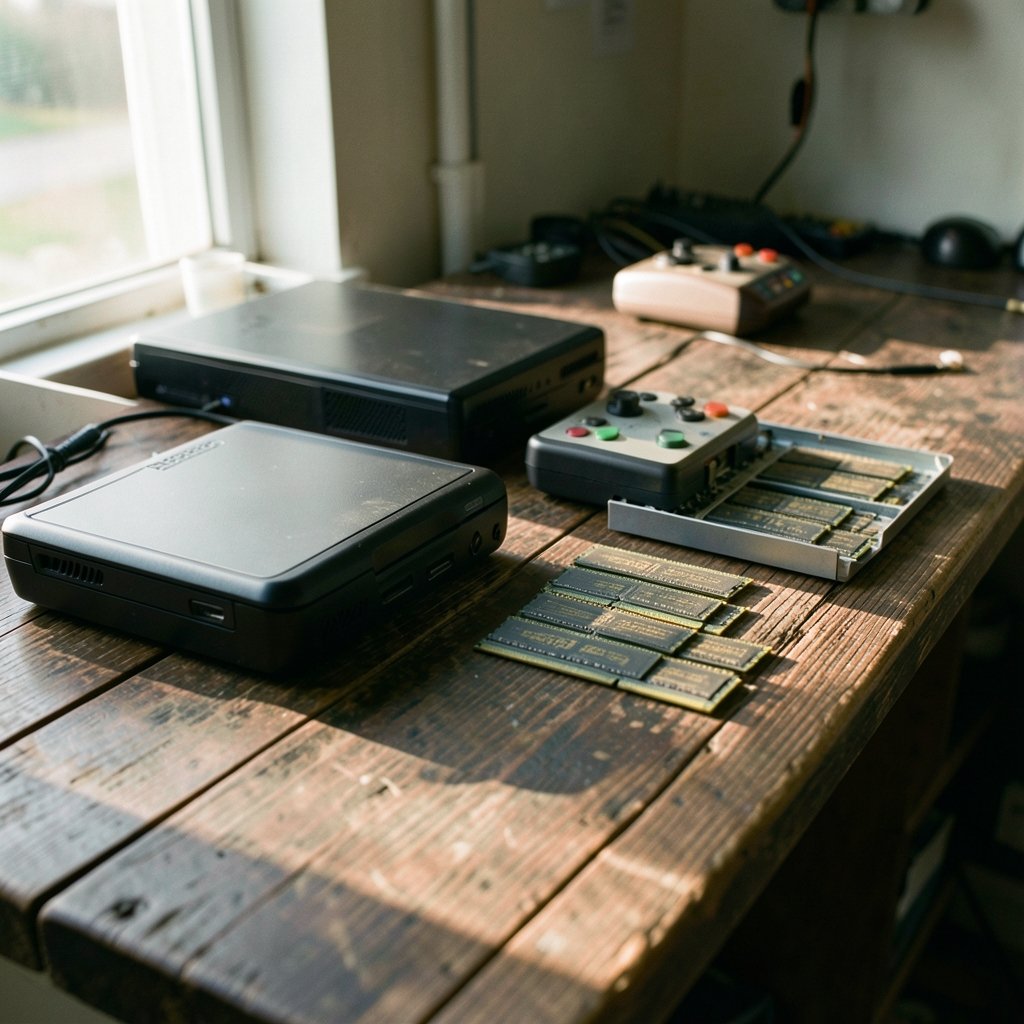
Can a memory chip shortage thousands of miles away make you pay more for a pocket-sized Game Boy clone? In 2026, the answer is yes. The same RAM crisis squeezing laptops, phones, and game consoles has reached the retro handheld market, and the effects are showing up on store pages, pre-order forms, and checkout carts around the world. (TrendForce Market Intelligence)
This article breaks down what is happening, why low-cost handhelds are so exposed, and how buyers can respond without overpaying.
What the 2026 RAM Crisis Actually Is
The RAM crisis is a global squeeze on memory supply. Demand for DRAM and NAND flash has surged, driven largely by AI data centers that need enormous amounts of high-bandwidth memory. Memory makers have shifted production capacity toward those high-margin products, leaving less room for the commodity memory that consumer devices rely on.
The result is familiar to anyone who has watched the electronics market: contract prices for memory climb, lead times stretch, and manufacturers of small devices get pushed to the back of the queue. Retro handheld makers sit near the very back. They buy modest volumes of LPDDR4, LPDDR4X, and eMMC storage, often through distributors rather than direct contracts. When supply tightens, they feel it first and hardest.
It is worth separating the two pressures at play. The first is the memory cost itself. The second is availability — even a manufacturer willing to pay more may simply not be able to source enough chips to meet demand. Both push retail prices upward, but they do so in different ways and at different speeds.
Why Retro Handhelds Are So Exposed
Budget retro handhelds are engineered around a razor-thin bill of materials (BOM). A device that sells for $60 to $150 has almost no margin to absorb a sudden cost increase. Memory and storage typically make up a sizable part of that BOM, and unlike a premium phone, there is no brand premium to hide the difference.
Several structural factors make these devices especially vulnerable:
- Low volume purchasing. Small brands do not have the leverage of a major console maker when negotiating memory allocations.
- Commodity parts. Many handhelds use older, cheaper memory types that are the first to be deprioritized when fabs retool for newer, more profitable products.
- Fixed price expectations. The market has trained buyers to expect aggressive pricing. Raising a $99 device to $129 is a 30 percent jump, and it is highly visible.
- Thin distribution margins. Retailers and resellers have little room to absorb increases, so hikes pass through quickly.
The broader console market shows the same pattern at a larger scale. Price moves across the major platforms have been widely discussed, and the wider trend is visible in coverage of the PlayStation price increase and the Xbox price increase. When the giants raise prices, smaller players often follow — not because they want to, but because their input costs move in the same direction.
How the Crisis Shows Up at Checkout
For buyers, the RAM crisis rarely appears as a single clean price hike. It shows up in a handful of messier ways.
Quiet price revisions
A handheld listed at one price may quietly move up a few weeks later. Store pages get updated, but old reviews and forum posts keep quoting the earlier figure. Always check the current listing rather than trusting a months-old video.
Bundle inflation
Some sellers keep the headline price stable but remove included accessories — a case, a screen protector, a memory card — or shift to a bundle that costs more overall. The sticker price looks unchanged; the value is not.
Longer pre-order windows and deposits
When memory supply is uncertain, manufacturers open pre-orders earlier and hold them longer. Some ask for deposits. This protects them against cost swings but shifts risk onto buyers.
Variant trimming
A brand may discontinue the cheapest configuration and keep only the higher-margin model with more RAM or storage. The entry price effectively rises even if no single product got more expensive.
Reseller markups
When supply is tight, third-party resellers on marketplaces often raise prices well above the official store. This is one of the most common ways buyers overpay without realizing it.
A Practical Comparison: What Buyers Face
The table below summarizes the main pressure points and what they mean in practice. It is a framework for thinking about the market, not a price list.
| Pressure point | What changes | What buyers should watch |
|---|---|---|
| Memory cost increase | Higher sticker price on new models | Compare current listings, not old reviews |
| Supply shortage | Longer pre-order windows, delayed shipping | Confirm ship dates before paying |
| Bundle changes | Fewer included accessories | Read the “what’s in the box” list |
| Variant trimming | Cheapest model discontinued | Check whether a lower tier still exists |
| Reseller markup | Marketplace prices above official store | Buy from official or authorized sellers |
The Wider Hardware Picture
The memory squeeze is not happening in isolation. The same period has seen pricing pressure across gaming hardware generally. Coverage of the PS5 price increase and the Switch 2 price increase reflects a market where component costs are reshaping what consumers pay. There have also been reports of constrained supply and higher refurbished pricing, as seen in discussion of the PS5 Pro shortage and refurbished pricing.
For retro handheld buyers, the lesson is that this is a market-wide cost story, not a single brand being greedy. When memory gets expensive, every device that uses memory gets more expensive. The budget segment simply has less cushion, so the percentage increase can look dramatic.
What Actually Works for Buyers in 2026
Practical experience in this market points to a handful of habits that consistently save money. None of them are glamorous, but they work.
- Buy from the official store when possible. Marketplace resellers are where the biggest markups hide. If the official store is sold out, a waitlist is often cheaper than an inflated third-party listing.
- Check the ship date along with the price. A cheap pre-order that ships in four months ties up your money and exposes you to further price changes. A slightly pricier in-stock unit is often the better deal.
- Read the box contents carefully. Confirm whether a charger, cable, case, and memory card are included. Losing a $15 accessory changes the real price.
- Watch for variant changes. If the model you wanted disappears, check whether a lower-spec version still exists before assuming the entry price is gone forever.
- Set a price alert and be patient. Prices in this segment move in steps. Waiting a few weeks sometimes catches a restock at the original price.
- Consider the previous generation. Older handhelds that already shipped with adequate RAM are often discounted and remain perfectly capable for most retro libraries.
Common mistakes to avoid
The most frequent error is trusting a review from six months ago as a current price reference. The second is assuming a sold-out official store means the product is gone — restocks happen. The third is buying a “deal” bundle without checking whether the included memory card is genuine and adequately sized. Counterfeit or slow cards cause stutter and save corruption, which is a worse outcome than paying a little more upfront.
What to Expect Through 2026
No one can predict memory pricing with confidence, but the mechanics are clear. As long as AI-driven demand keeps memory makers focused on high-margin products, commodity memory for small devices will stay relatively expensive and relatively scarce. That means:
- Entry prices are likely to stay elevated compared with the unusually cheap period buyers enjoyed in earlier years.
- Mid-range models may absorb more of the pressure, since they have slightly more margin to work with.
- Supply will remain lumpy, with restocks arriving in bursts rather than steadily.
- The used and refurbished market will matter more, as buyers look for value outside new-device pricing.
There is a counterargument worth taking seriously: memory markets are cyclical. When capacity catches up with demand, prices can fall quickly. Buyers who can wait may benefit. Buyers who need a device now should plan around current prices rather than hoping for an imminent drop.
Conclusion
The 2026 RAM crisis did not create the retro handheld market’s thin margins, but it exposed them. Small manufacturers buying commodity memory in modest volumes have little room to absorb cost increases, and that reality is now visible at checkout — in higher sticker prices, thinner bundles, longer pre-orders, and reseller markups.
The good news is that buyers are not powerless. Buying from official stores, checking ship dates, reading box contents, watching for variant changes, and staying patient all make a real difference. Understanding that this is a market-wide cost story also helps set expectations: the price of a pocket handheld is being shaped by the same forces moving the price of a full-size console.
For anyone shopping in 2026, the practical takeaway is simple. Know what you are paying for, verify the current price rather than the remembered one, and treat patience as a buying strategy rather than a compromise.
Frequently Asked Questions
What is the RAM crisis and why does it affect retro handhelds?
The RAM crisis is a global shortage and price surge in memory chips, driven largely by AI data center demand. Retro handhelds use small amounts of commodity memory and storage, and their manufacturers buy in low volumes with thin margins. When memory gets scarce and expensive, these devices are among the first to see cost increases passed through to buyers.
Are retro handheld prices actually going up in 2026?
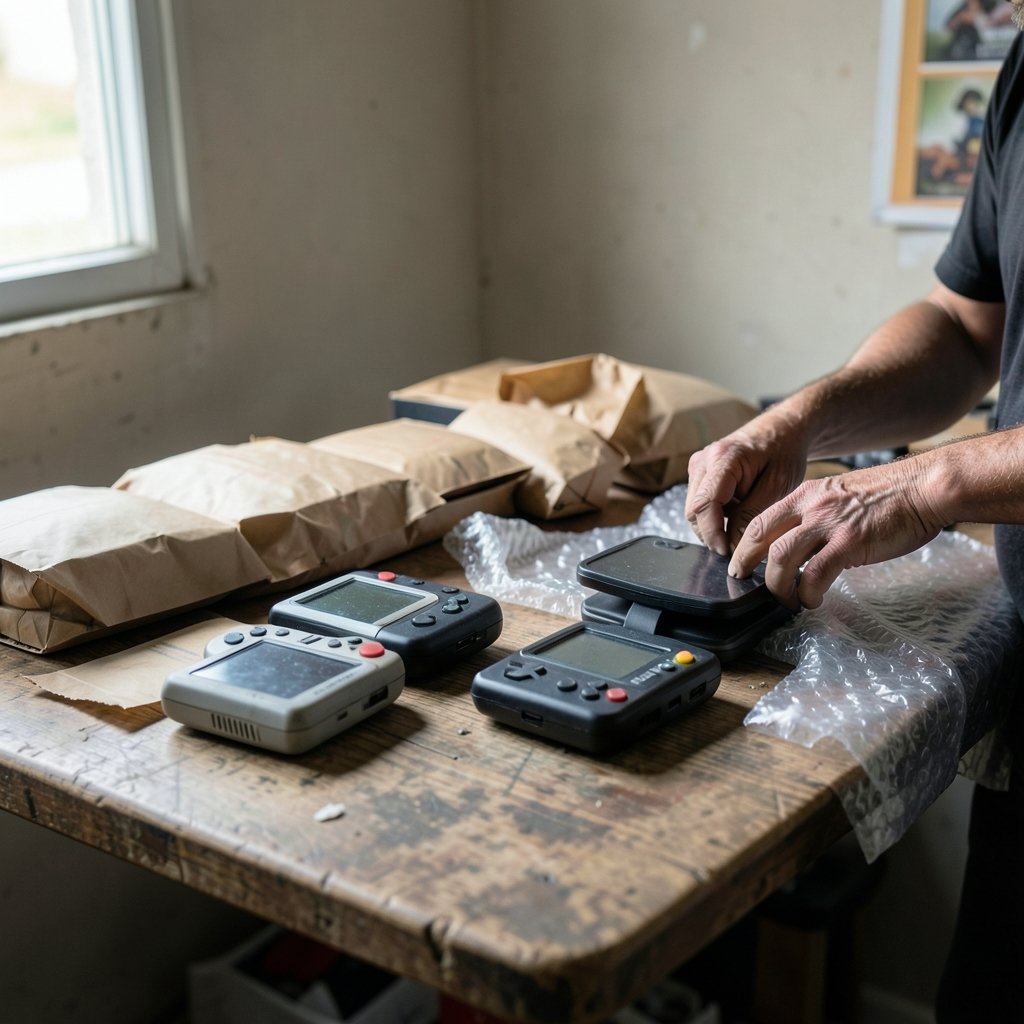
Pricing pressure across gaming hardware is clearly visible, and budget handhelds are exposed because memory accounts for a sizable share of their bill of materials. The increases often appear indirectly — through bundle changes, discontinued entry models, longer pre-orders, and reseller markups — rather than as one clean price hike on every product.
Which handheld brands are most affected?
Smaller brands that rely on commodity LPDDR4 and eMMC parts and buy through distributors are the most exposed. Larger manufacturers with direct memory contracts have more flexibility. The pattern mirrors the wider console market, where major platforms have also seen price movement.
Should I wait for prices to drop before buying?
It depends on your timeline. Memory markets are cyclical, and prices can fall when supply catches up with demand. If you need a device now, plan around current prices and buy carefully. If you can wait, patience has historically been rewarded — but there is no guaranteed date for a correction.
How can I tell if a price increase is real or just a reseller markup?
Check the official brand store first. If the official listing is lower than a marketplace listing, the difference is reseller markup, not a manufacturer price change. Also compare the “what’s in the box” contents, since a removed accessory can raise the effective price without changing the sticker.
Is it still worth buying a retro handheld in 2026?
Yes, for most people. The category still offers excellent value compared with full-size consoles, and previous-generation models remain capable and often discounted. The key is to buy deliberately: verify current prices, confirm ship dates, buy from official sellers, and match the device to the systems you actually want to play.
That last point deserves emphasis. A handheld bought for the games you actually play — rather than the spec sheet you were sold — rarely disappoints, even at 2026 prices. The market has changed, but the appeal has not: a pocketable device, a good screen, and a library of classics still deliver remarkable value per hour. Buy with clear eyes, verify what you are getting, and let patience do the rest.



