
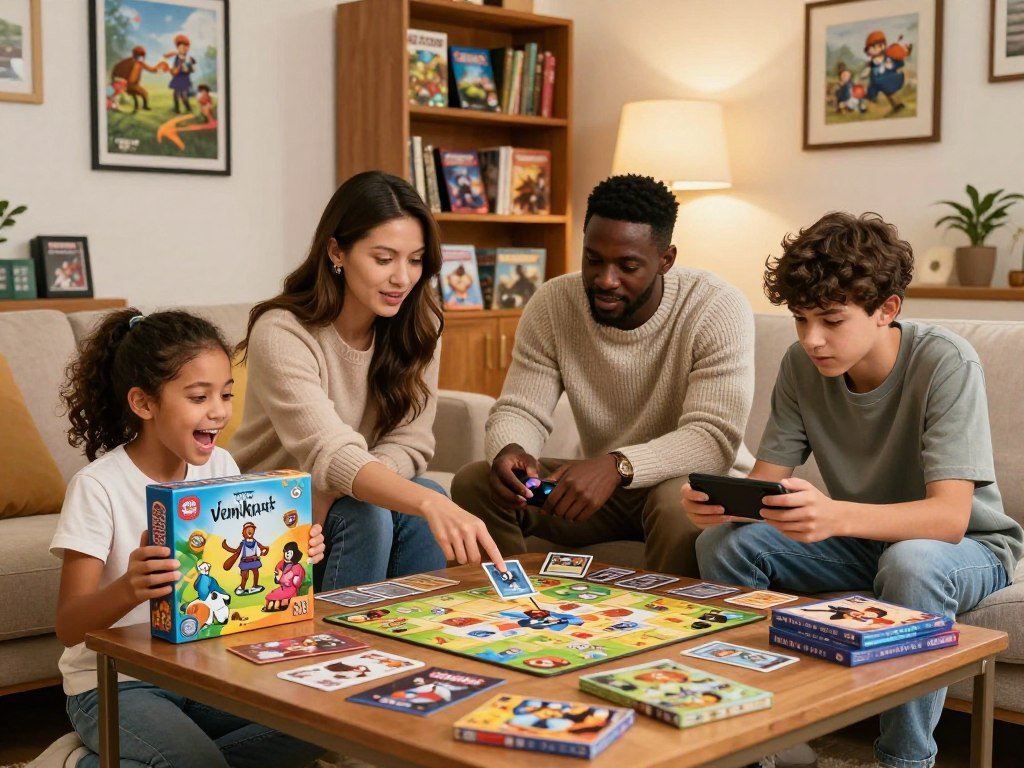
The right RPG is the one that fits your group’s free time and the kind of decisions you want to make. Your first choice is format: a tabletop RPG brings people together around shared rules, while a video RPG runs on a console or computer. Some games welcome beginners and children; others reward tactical planning or careful story choices.
Think about how many players can meet, how much time adults can set aside, and what kind of play sounds fun. A free quickstart can be a low-commitment way to see whether a tabletop system suits your group.
Key Takeaways
- Choose tabletop or video play first.
- Match game rules to your players’ experience.
- Check session length before setting a time.
- Try a free quickstart before buying a full book.
- For a video RPG, start with the platform you own.
Which Role Playing Game Best Games Fit Different Tabletop Groups?
For traditional fantasy, Dungeons & Dragons 5th Edition is a strong start; Pathfinder Second Edition offers more tactical choices. Choose by rules, group experience, and the time your players can set aside.
Traditional fantasy and tactical rules
Dungeons & Dragons 5th Edition uses a d20 roll, modified by abilities, skills, and the situation. It gives beginners a familiar starting point for fantasy adventures. Pathfinder Second Edition offers a denser rules set, with more than 500 feats and spells, plus three actions each turn.
| Game | Standout rule | Best fit |
|---|---|---|
| Dungeons & Dragons 5th Edition | d20 modified by abilities, skills, and circumstances | Traditional fantasy |
| Pathfinder Second Edition | Three actions; more than 500 feats and spells | Tactical choices |
| Dragonbane | Roll-under skills; no character levels | Skill-based progression |
| Blades in the Dark | Flashbacks establish preparation during play | Improvised plans |
| Hero Kids | Six-sided dice pool; highest die decides | Children ages 4-10 |
A roll-under system means a roll succeeds when it comes in at or below the character’s relevant skill score. Dragonbane uses this skill-based method without character levels. Experience points improve skills such as Swords, Animism, and Myths & Legends. A natural 1 is a critical success; a natural 20 brings an undesirable result.
Traditional fantasy sessions typically run 3-6 hours. Major core rulebooks usually cost $30 to $60, while some publishers offer free quickstarts.
Do not buy a full core rulebook before trying a free quickstart when one is available.
Narrative, old-school, and family-friendly options
Narrative and indie games with rulesets under 40 pages can support 2-3-hour sessions. Old-school revival games often run 2-4 hours with little preparation. Blades in the Dark lets players use flashbacks to reveal preparation after trouble starts. Mutant Year Zero makes base-building and exploration central to play.
Shadowdark uses torches and light timers as game mechanics, and it has a free quickstart on DTRPG. Dreams and Machines uses Modiphius’s 2D20 system and also offers a free quickstart there. Hero Kids is built for ages 4-10. Each character gets one action and four squares of movement per turn; players act together before monsters take their turn.
Star Trek Adventures ties command structure, skills, technology, and history to its rules, though its story-rich books can be hard to reference. GURPS, a universal role-playing system published by Steve Jackson in 1986, has fourth-edition books that work with earlier-edition material. For a first session, agree on a time limit before choosing a system whose typical session runs longer than your group can manage.
Which RPGs Stand Out on Nintendo Switch and PC?
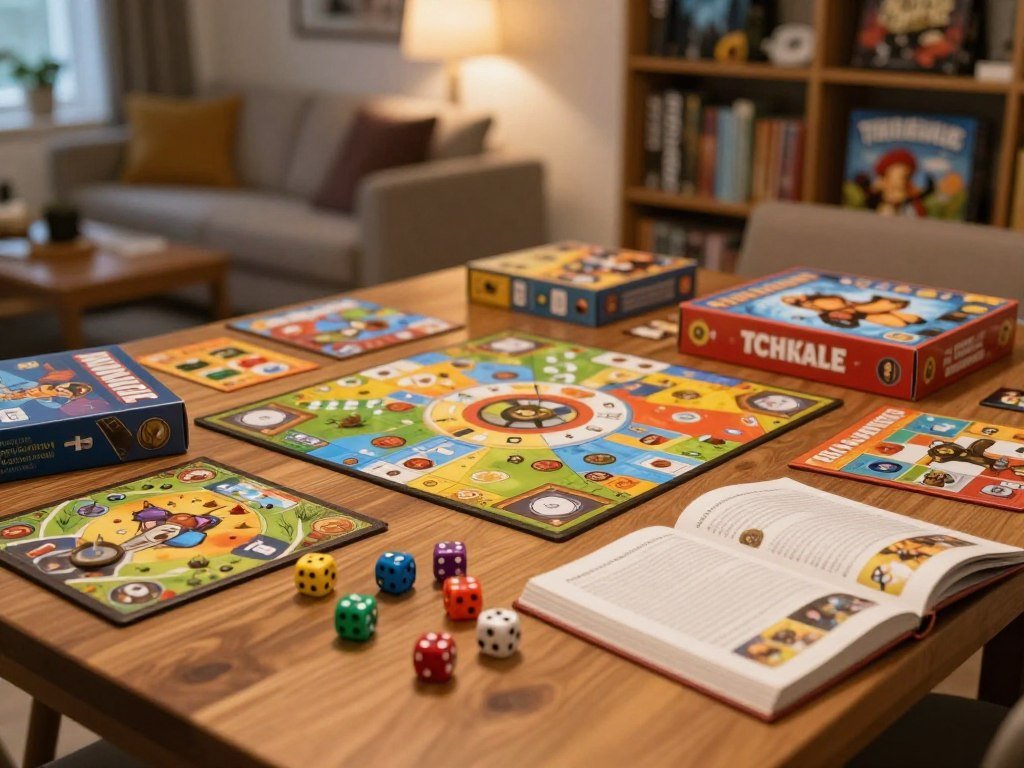
Baldur’s Gate 3 is the strongest choice-led PC pick; Switch offers a wide range of JRPG styles. Start with Xenoblade Chronicles: Definitive Edition for a broad Switch adventure.
Nintendo Switch: JRPGs, classics, and distinct stories
The Xenoblade Chronicles games suit players ready for a long-form fantasy world. The Switch selection also spans older Final Fantasy adventures, challenging demon battles, and turn-based stories. These five groupings offer a useful starting point:
- Xenoblade Chronicles: Definitive Edition, Xenoblade Chronicles 2, and Xenoblade Chronicles 3.
- Final Fantasy VII, VIII, IX, X/X-2, and XII, plus Crisis Core.
- Shin Megami Tensei III: Nocturne and Shin Megami Tensei V: Vengeance.
- Tales of Vesperia and Tales of Symphonia.
- Octopath Traveler, Ni no Kuni: Wrath of the White Witch, Sea of Stars, Dragon Quest III HD-2D Remake, and Dragon Quest XI S.
Shin Megami Tensei pairs post-apocalyptic settings and moral dilemmas with tough battles. Tales of Vesperia centers on combo combat, while Tales of Symphonia stands out for its story and characters. Octopath Traveler follows personal ambitions rather than one shared world-saving goal. Ni no Kuni blends Studio Ghibli-style art, real-time combat, and familiars with different abilities. Sea of Stars brings puzzles and Chrono Trigger-inspired combat, while Dragon Quest III HD-2D Remake updates its graphics, soundtrack, and mechanics.
For more options by platform, compare these RPG game picks or browse story-focused games. Legrand Legacy uses turn-based combat and hand-drawn settings, but its final section has a steep difficulty curve that may call for grinding.
PC and action RPGs: choice, challenge, and combat
Baldur’s Gate 3 earned a 5.0 PCMag rating, and your choices can lead to very different playthroughs. Another Crab’s Treasure blends action-RPG combat with 3D platforming and received 3.5. Black Myth: Wukong pairs melee and magic against bosses in a Journey to the West-inspired setting; it received 4.0.
Clair Obscur: Expedition 33 received 3.5 and mixes turn-based battles with timed attacks. Cyberpunk 2077 draws on Mike Pondsmith’s tabletop RPG. Its open world combines shooting, hacking, and melee combat. For other styles, consider The Witcher 3 for open-world fantasy, Elden Ring for challenging exploration, or Star Wars: Knights of the Old Republic for science fiction.
Mass Effect and Dragon Age: Origins offer party-based RPG examples, while Persona 5 Royal is a turn-based pick. You can compare open-world PC games, RPGs across console styles, and co-op PC games by the kind of play you want. Players who want more options can also browse free Steam games or mobile game picks. Check which platform you own first, then choose between a story-led adventure, turn-based planning, and action-focused combat.
What Can Families Gain From Playing Together?
At a family table, a short cooperative game gives everyone a shared goal and a low-pressure way to join in. Role-playing board games like D&D use character choices and dice to resolve imagined situations; many regular board games follow a fixed board and turn order.
A long, highly competitive game may be a poor fit for a young child still learning to stay with a game.
Simple rules let children take part, while adults can help as teammates. Shared games offer a chance to practice communication, patience, turn-taking, decision-making, and responses to winning or losing. These benefits are possible, not guaranteed. The Compleat Strategist carries tabletop RPGs, board games, card games, dice, and miniatures. A small pilot study of tabletop RPG play found varied results, so one game cannot promise a change in social skills.
Board games can suit two or more players; Go Fish and Memory are simple family card-game options. Let younger players join a team if that helps them stay involved without disrupting the group’s game.
Conclusion
A good first pick fits the time you have and the people you want to play with. Match the game to your platform, group size, and comfort with rules. That choice can turn a free evening at home into an opportunity to try a new kind of play.
Choose one video RPG for a platform you own, or download a free Dragonbane or Shadowdark quickstart for a tabletop trial. Set aside a first session and see whether its style makes you want to keep playing.
FAQ
How long does a tabletop RPG session usually last?
Traditional fantasy sessions typically last 3-6 hours. Narrative or indie games with rulesets under 40 pages can support 2-3-hour sessions, while old-school revival games often take 2-4 hours with minimal preparation. Your group can agree on a firm end time before play, then choose a game that fits that window.
Do beginners need to buy a tabletop RPG core rulebook?
No, beginners can try a free quickstart first when a publisher offers one. Major tabletop RPG core rulebooks typically cost $30 to $60, so a quickstart can help you test the rules before spending more. It also gives your group a chance to see whether the game suits its preferred style.
What is the difference between a tabletop RPG and a video RPG?
A tabletop RPG uses shared rules, players, and often dice and a game master to resolve imagined events. A video RPG runs its world and rules through a console or computer. Tabletop players describe choices aloud, while video RPG players use a controller, keyboard, or mouse to act in the game.
Can young children play a tabletop RPG?
Yes, Hero Kids is recommended for children ages 4-10. It uses pools of six-sided dice, with the highest die deciding the result. Each character gets one action and four squares of movement per turn. Players act as a group before the monsters take their turn, keeping the basic round easy to follow.
Which Nintendo Switch RPG is a good choice for a story-focused player?
Tales of Symphonia is a good pick if you want a game noted for its narrative and characters. Octopath Traveler offers another story style, with characters pursuing personal ambitions instead of one shared world-saving goal. Choose the one that better fits whether you prefer a connected story or separate character aims.
Are role-playing games the same as board games?
No, role-playing games focus on character choices and resolving imagined situations, not necessarily moving around a fixed board. Some tabletop RPGs use maps or miniatures, but players can also describe scenes and actions without them. Conventional board games often use a set board and turn structure to guide each move.



