
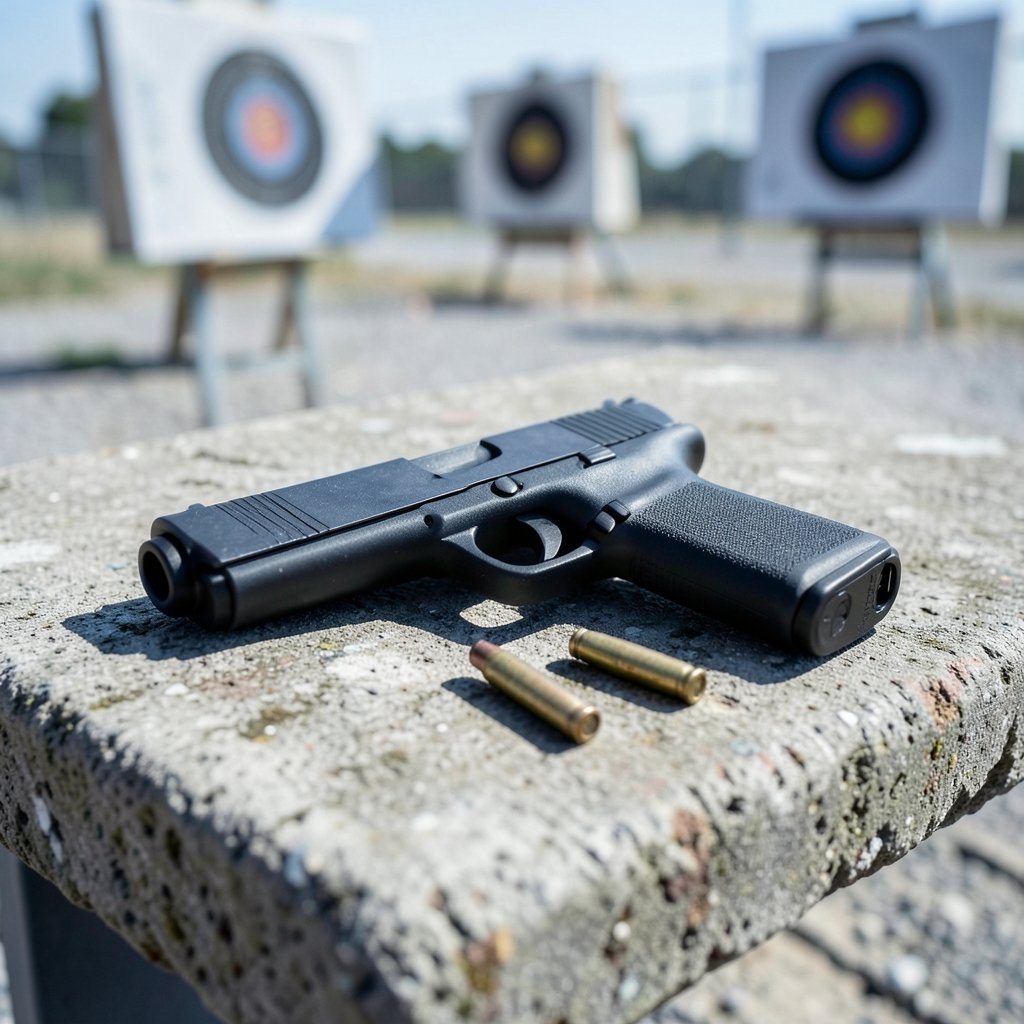
What happens when a company known for rugged, affordable firearms builds its first pistol around a cartridge known for punching through body armor? That question centers on the Ruger-5.7, a polymer-frame, hammer-fired semi-automatic introduced in 2020, which gave shooters another option in a caliber long dominated by a single European maker.
The Ruger-5.7 is not a novelty. It is a serious attempt to make the 5.7x28mm cartridge accessible to more people, with a flush-fit 20-round magazine, an optics-ready slide, and a manual safety. But the pistol also inherits every debate that follows the cartridge itself: cost, ammunition availability, and a complicated regulatory history. This article breaks down what the gun is, how it works, where it fits in the market, and what buyers should think about before committing.
What Is the Ruger-5.7?
The Ruger-5.7 is a full-size semi-automatic pistol chambered in 5.7x28mm. Sturm, Ruger & Co. introduced it in 2020, marking the company’s first firearm built around that cartridge. It uses a polymer frame and a hammer-fired action, which sets it apart from many striker-fired competitors in the same space.
Several design choices stand out:
- A 20-round flush-fit magazine comes standard, with a 10-round version sold in jurisdictions that cap capacity.
- The slide is optics-ready, so a red dot can be mounted without custom machining.
- An ambidextrous manual safety gives left-handed shooters a usable control.
- The fire control system follows Ruger’s Secure Action design, related to the Security-9 family.
That combination of features matters because it addresses common complaints about earlier 5.7mm pistols. Many shooters wanted more capacity, easier optic mounting, and a thumb safety. The Ruger-5.7 checks those boxes in a single package.
Hammer-Fired, Not Striker-Fired
Most modern polymer pistols are striker-fired. The Ruger-5.7 goes a different route with an internal hammer. For some shooters, that translates into a trigger feel they prefer. For others, it is simply a detail. Either way, it is worth knowing before a purchase, because it affects how the gun feels in dry fire and live fire.
The 5.7x28mm Cartridge Explained
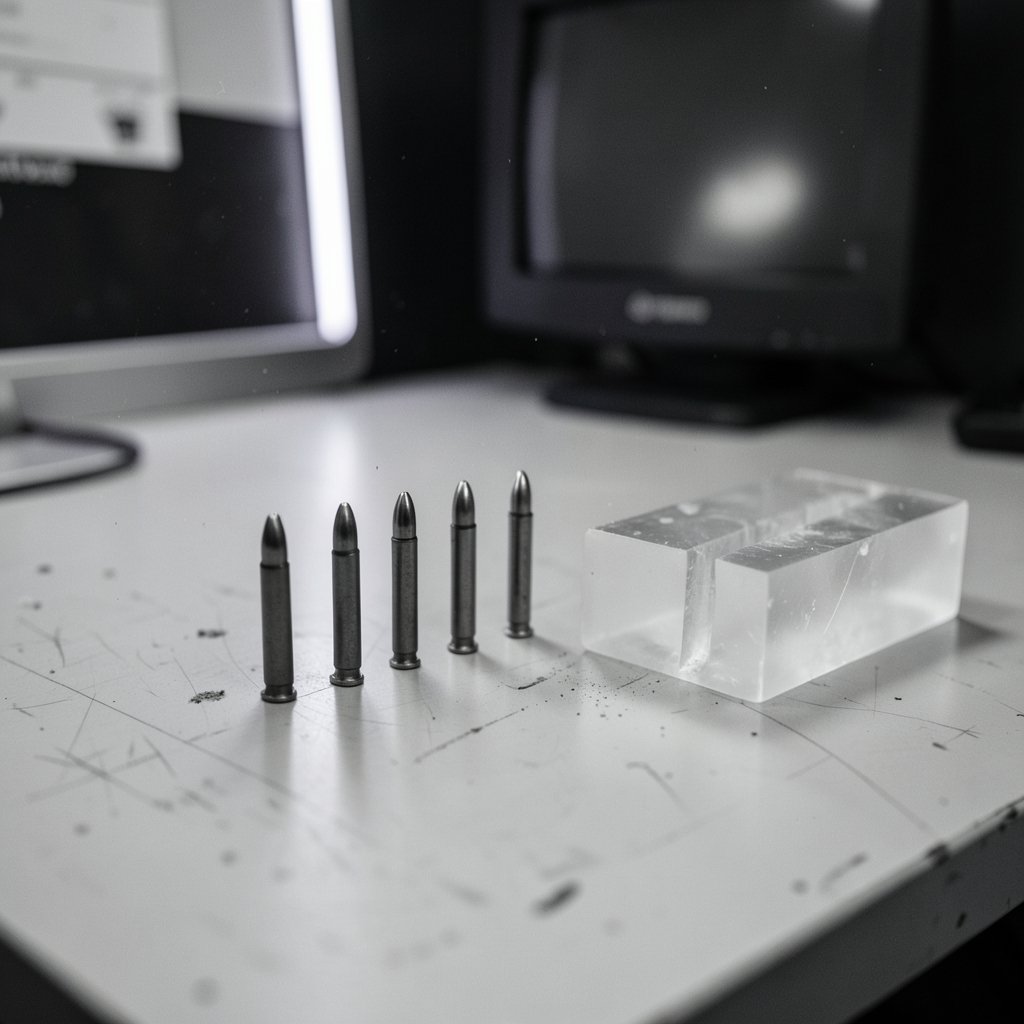
To understand the Ruger-5.7, you have to understand the round it fires. The 5.7x28mm was developed by FN Herstal around 1990 for the FN P90 personal defense weapon and the Five-seveN pistol. Its design goal was specific: armor penetration at close range, paired with low recoil and a flat trajectory.
That origin story explains both the cartridge’s appeal and its baggage.
On the appeal side, 5.7x28mm offers a light, fast projectile. Recoil is mild compared with many service calibers, and the round shoots flat. For shooters who want fast follow-up shots or who find heavier calibers fatiguing, that is a real advantage.
On the baggage side, the cartridge’s armor-piercing reputation has drawn regulatory attention. In the United States, 5.7x28mm ammunition falls under the “armor-piercing ammunition” framework in 18 U.S.C. § 921(a)(17)(B). Certain 5.7x28mm projectiles have been treated as falling within that definition, which has affected the import and availability of some loads over the years. That regulatory status has shifted at times, so anyone relying on a specific load should verify the current position rather than assume it.
The cartridge is also a SAAMI-standardized round, meaning dimensional standards exist for chambers and cartridges. That standardization is good news for reloaders and for anyone who wants to know a barrel is cut to a known spec.
Why Ammunition Cost Matters
Here is the practical reality that shapes most buying decisions: 5.7x28mm ammunition has historically cost more per round than 9x19mm. Price gaps vary by date and retailer, so treat any comparison as directional rather than fixed. But the pattern is consistent enough that it belongs in any honest discussion of the caliber.
For a shooter who plans to fire hundreds of rounds a month, that cost difference adds up quickly. For someone who wants a lightweight, low-recoil pistol for occasional range sessions, it may matter less. The point is to run the math before buying, not after.
How the Ruger-5.7 Compares to Rivals
The Ruger-5.7 did not enter an empty field. It joined a market previously dominated by FN’s Five-seveN, and later challenged by the PSA 5.7 Rock (around 2022) and the S&W M&P 5.7 (around 2023). Competitor timing is approximate, but the broad picture is clear: the 5.7mm pistol segment has become more crowded and more competitive.
| Feature | Ruger-5.7 | FN Five-seveN | PSA 5.7 Rock | S&W M&P 5.7 |
|---|---|---|---|---|
| Frame material | Polymer | Polymer | Polymer | Polymer |
| Action | Hammer-fired | Internal hammer | Striker-fired | Internal hammer |
| Standard capacity | 20 rounds | 20 rounds | 23 rounds | 22 rounds |
| Optics-ready | Yes | Varies by version | Yes | Yes |
| Manual safety | Ambidextrous | Available | Varies | Available |
| Caliber | 5.7x28mm | 5.7x28mm | 5.7x28mm | 5.7x28mm |
Capacity figures and configurations vary by model and production year, so confirm current specs before buying. The table is a starting point for comparison, not a final word.
What the Ruger-5.7 brings to that table is a blend of features at a price point that has generally undercut the FN option. It also brings Ruger’s reputation for building guns that tolerate hard use. Whether that reputation translates into a better shooting experience is something each buyer has to judge.
Practical Tips That Actually Help
Owners and prospective buyers tend to run into the same handful of issues. These tips come from the patterns that show up again and again in owner discussions and range experience.
- Budget for ammunition first. Before buying the pistol, price out a few hundred rounds of 5.7x28mm. If the total makes you wince, reconsider whether this is the right caliber for your volume of shooting.
- Check magazine capacity rules locally. The 20-round magazine is standard, but the 10-round version exists for restricted jurisdictions. Know which one you can legally own where you live.
- Test the trigger before you commit. The hammer-fired action feels different from striker-fired pistols. Dry fire it at the counter if the shop allows it.
- Mount the optic you actually need. The slide is optics-ready, but that does not mean every footprint fits without an adapter plate. Confirm compatibility before buying a red dot.
- Clean the chamber area carefully. The 5.7x28mm case is small and the pressures are high. Keeping the chamber clean supports reliable cycling.
- Store ammunition properly. Given supply fluctuations, buying in bulk when prices dip is a common strategy, but store it dry and cool.
Common Mistakes to Avoid
The biggest mistake buyers make is treating the Ruger-5.7 like a cheap 9mm. It is not. The ammunition is a different cost class, and the gun is built around a cartridge with a specific design intent. Buying it as a first pistol without checking ammo prices is a recipe for a safe queen.
The second common mistake is assuming the armor-piercing reputation means every load performs the same way. It does not. Loads vary, and the regulatory picture around certain projectiles has been contested. Do not build a purchase decision on a single claim you read somewhere.
The third mistake is skipping the manual safety question. The Ruger-5.7 has an ambidextrous manual safety. Some shooters love that. Others prefer no external safety on a defensive pistol. Decide which camp you are in before you buy, because training around a safety you did not want is an unnecessary hurdle.
Who Should Consider the Ruger-5.7?
The pistol suits a few specific profiles well.
Shooters who want low recoil with high capacity. The 20-round magazine and mild 5.7x28mm recoil make for a pleasant range gun. Fast follow-up shots come naturally.
People who want a flat-shooting caliber. The 5.7x28mm trajectory is flat compared with many service rounds, which some shooters find forgiving at distance.
Enthusiasts who already own 9mm pistols and want something different. The Ruger-5.7 is a good second or third pistol for someone curious about the caliber without wanting to spend FN money.
It suits fewer well as a first firearm. The ammunition cost, the regulatory nuance around certain loads, and the niche nature of the caliber all argue for starting elsewhere.
The Regulatory Layer Buyers Should Understand
The 5.7x28mm cartridge has a regulatory history that is unusual for a handgun round. The “armor-piercing ammunition” definition in federal law has been applied to certain 5.7x28mm projectiles, and that has influenced what ammunition is available and at what price. This is not a settled, static topic. Positions have shifted, and availability has fluctuated as a result.
For the average buyer, the practical takeaway is simple: do not assume a specific load will always be available or always be legal to import. Check current status before relying on any particular ammunition for competition, training, or defensive use. The cartridge is SAAMI-standardized, which helps with dimensional consistency, but standardization does not resolve the regulatory question.
Conclusion
The Ruger-5.7 is a well-considered entry into a niche caliber. It brings a 20-round flush magazine, an optics-ready slide, an ambidextrous safety, and Ruger’s hard-use reputation to a market that had been dominated by a single expensive option. For shooters who want low recoil, high capacity, and a flat-shooting round, it is a credible choice.
It is not a universal recommendation. The 5.7x28mm ammunition cost is real, the regulatory history around certain projectiles is genuinely complicated, and the hammer-fired action is a matter of preference rather than an objective win. Buyers who go in with clear eyes about those trade-offs will get more out of the pistol than those who chase the cartridge’s reputation alone.
If you are weighing a purchase, start with ammunition prices, confirm local capacity rules, and handle the trigger before you commit. Those three steps will tell you more than any spec sheet. For more practical firearms guidance, visit
Frequently Asked Questions
What caliber does the Ruger-5.7 use?
It fires 5.7x28mm, a cartridge developed by FN Herstal around 1990 for the P90 personal defense weapon and the Five-seveN pistol. The round is known for low recoil, a flat trajectory, and high capacity in a compact package.
How many rounds does the Ruger-5.7 hold?
The standard magazine holds 20 rounds in a flush fit. A 10-round version is sold in jurisdictions that restrict magazine capacity. Always confirm the capacity rules where you live before buying.
Is the Ruger-5.7 optics-ready?
Yes. The slide is cut to accept an optic, so a red dot can be mounted without custom machining. Confirm the footprint and any adapter plate requirements before purchasing an optic, since not every sight fits every cut directly.
Is 5.7x28mm ammunition expensive?
It has historically cost more per round than 9x19mm. Exact prices vary by date and retailer, so treat comparisons as directional. Shooters who plan to fire frequently should factor ammunition cost into the total ownership picture before buying.
Why is 5.7x28mm sometimes called armor-piercing?
The cartridge was designed for armor penetration at close range. In the U.S., certain 5.7x28mm projectiles have been treated as falling under the “armor-piercing ammunition” definition in 18 U.S.C. § 921(a)(17)(B), which has affected import and availability of some loads. The regulatory status has shifted over time, so verify current rules before relying on a specific load.
How does the Ruger-5.7 compare to the FN Five-seveN?
Both are polymer-frame 5.7x28mm pistols with 20-round standard magazines. The Ruger uses a hammer-fired action with an ambidextrous manual safety and an optics-ready slide. The FN has long been the reference pistol in this caliber. The Ruger has generally been the more affordable option, though prices and configurations vary by model and year.



