
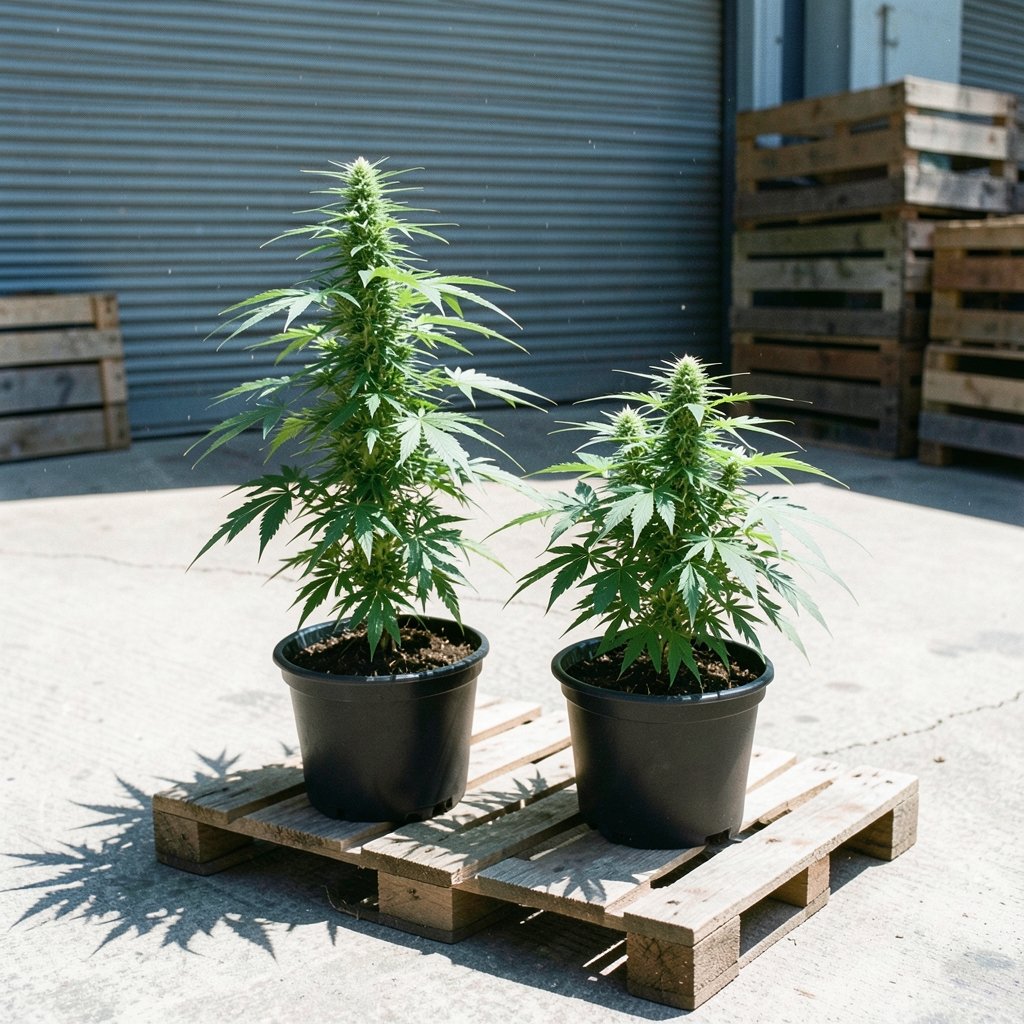
What if the labels on your cannabis flower tell you almost nothing about how it will make you feel? That is not a provocative claim. It is the conclusion a lot of plant scientists have reached after decades of testing. The words “sativa” and “indica” get used everywhere, from dispensary menus to seed catalogs, yet the science behind them is far shakier than most people assume. This article walks through the real botanical difference, the chemistry that matters more, and the practical mistakes people make when they trust a label over a lab report.
Where the two names come from
The naming story starts with Carl Linnaeus. In 1753, he described Cannabis sativa in his book Species Plantarum. Three decades later, in 1785, Jean-Baptiste Lamarck looked at plants growing in India and decided they were different enough to be their own species, which he called Cannabis indica.
That is the whole origin of the split. Two botanists, two descriptions, two centuries of argument. Modern plant taxonomists are not settled on whether these are truly separate species or just one highly variable plant with regional variations. Many treat indica as a synonym or subspecies of sativa. Taxonomic databases list Cannabis sativa as the accepted name with indica folded in as a synonym. So the very foundation of the debate is contested.
What most people are actually describing when they say “sativa” or “indica” is a set of grower conventions, not strict botanical criteria. Those conventions are useful shorthand. They are not science.
The traditional physical differences
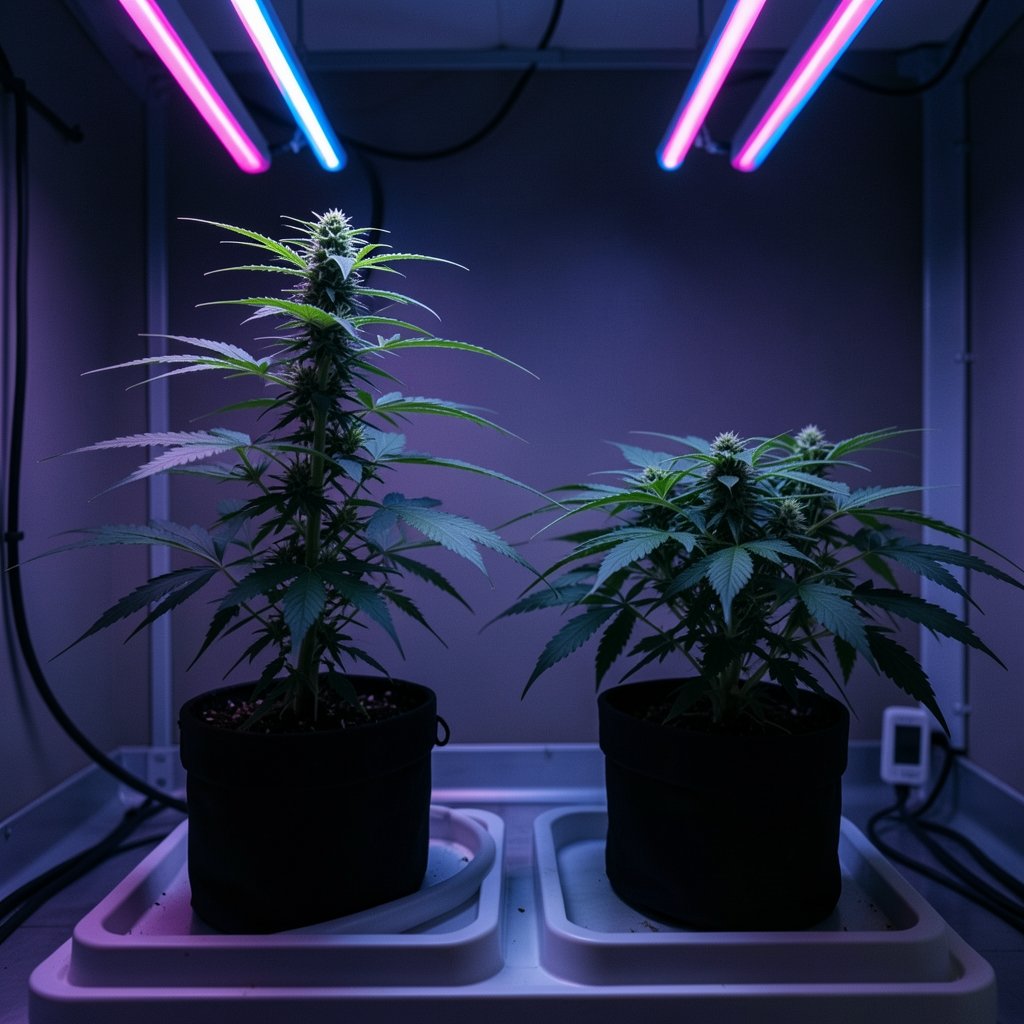
Growers have long used plant shape to sort cannabis into two rough buckets. The table below summarizes the classic descriptions. Treat these as tendencies, not rules, because real plants overlap constantly.
| Feature | Sativa-type (traditional) | Indica-type (traditional) |
|---|---|---|
| Height | Taller, can stretch significantly | Shorter, more compact |
| Leaf shape | Narrower leaflets | Broader leaflets |
| Internode spacing | Longer gaps between branches | Tighter, bushier growth |
| Typical origin story | Warmer equatorial regions | Harsher, cooler highland regions |
| Flowering time | Often longer | Often faster |
| Common user expectation | Energizing, cerebral | Relaxing, physical |
Here is the practical problem. A short plant with broad leaves can produce a chemical profile that feels nothing like the “indica” stereotype. A tall, narrow-leafed plant can be deeply sedating. Growers who have run many cycles from seed know this firsthand: two plants from the same packet can look and behave differently, and the labels on the packet often lag behind what the plant actually is.
If you want a useful analogy for how labels and reality drift apart, think about how people confuse similar-sounding tech terms all the time. The gap between Mbps vs Gbps and what the difference means for your actual internet speed is a good example: the numbers sound related, but what they deliver in practice is not the same thing. Cannabis labels work the same way. Similar words, different realities.
What the genetics actually show
This is where the conversation gets interesting. A 2015 study published in PLOS ONE examined the genetic structure of marijuana and hemp. The big finding: genetic variation split mainly along hemp versus drug-type ancestry, not along sativa versus indica labels. In other words, the names on the package did not reliably predict the plant’s genetics.
Then came a 2019 critical review in Cannabis and Cannabinoid Research by Piomelli and Russo. They went through the literature and concluded there is little evidence that sativa and indica produce distinct pharmacological effects. Their recommendation was blunt and practical: stop describing plants by these names and start describing them by chemotype, meaning the actual cannabinoid profile.
That is the shift that matters. The plant does not care what you call it. What it produces chemically is what affects the person using it.
Chemotypes: the framework that actually predicts effects
A chemotype is a classification based on which cannabinoids a plant produces and in what amounts. The most widely cited framework groups cultivars into types:
- Type I: THC-dominant. High tetrahydrocannabinol, low cannabidiol.
- Type II: Mixed. Meaningful amounts of both THC and CBD.
- Type III: CBD-dominant. High cannabidiol, minimal THC.
- Intermediate types: Various ratios in between.
This framework is far more predictive than a plant name. Two cultivars both labeled “indica” can sit in completely different chemotype categories. A Type III flower will not intoxicate someone regardless of whether the seller calls it sativa or indica.
There is a chemistry detail worth knowing here. THC and CBD are produced in the plant as acidic precursors, THCA and CBDA. Heat converts them into THC and CBD through a process called decarboxylation. That is why raw flower does not hit the same way as heated flower, and why cooking and vaping produce different results from eating raw plant material.
Terpenes and the “entourage effect” question
Aroma compounds called terpenes give cannabis its smell. Myrcene, limonene, and pinene are among the most discussed. The popular theory is that terpenes modulate how THC feels, smoothing or sharpening the experience. This is often called the entourage effect.
The honest position: the evidence that terpenes meaningfully change THC effects in humans is limited and actively debated. Terpenes clearly contribute to aroma and flavor. Whether they reshape intoxication in a predictable way is not established. Anyone selling you a strain based on a terpene chart is selling a hypothesis, not a proven mechanism.
This is a common pattern in consumer information. A simple story spreads faster than a nuanced one. You see it with plants too. People pick up a catchy claim about which money plant they actually have and how to keep it alive and end up caring for the wrong species entirely because the label was vague. Cannabis naming has the same failure mode, just with higher stakes.
Why the labels persist anyway
If the science is this shaky, why does every menu still say sativa and indica? A few reasons:
- Commercial convenience. Shoppers expect the words. Removing them creates friction at the point of sale.
- Regulatory looseness. In many jurisdictions, sativa and indica are commercial product labels, not legally defined botanical categories. Definitions vary by country and state, so sellers have little incentive to be precise.
- Anecdotal experience. People genuinely feel different effects from different products. The mistake is attributing that difference to the plant name instead of the chemistry, the dose, the delivery method, and the person.
- Tradition. Growers have used the terms for generations. Old habits in agriculture die slowly.
None of this means the words are useless. They carry rough cultural meaning. They just should not be treated as reliable predictors.
Practical tips that actually work
Here is what helps in practice, whether you are growing, buying, or just curious.
For growers:
- Track each plant individually. Record height, leaf shape, flowering time, yield, and aroma. After a few cycles you will have real data instead of guesses.
- Do not assume a seed labeled “indica” will finish fast or stay short. Plan space and light for the plant you actually get.
- If you care about the final chemical profile, testing beats naming every time. A lab result on a sample tells you more than any label.
For buyers:
- Ask for cannabinoid percentages, not strain names. THC and CBD numbers tell you far more about what to expect.
- Understand dose and method. A small amount of a Type I product inhaled is a different experience from a large edible dose, and the label will not warn you about that.
- Be skeptical of confident effect claims tied to plant names. “This sativa will energize you” is marketing language dressed as fact.
- Start low with any new product, especially edibles, where onset is delayed and easy to overshoot.
Common mistakes to avoid:
- Assuming sativa always means energizing and indica always means sedating. Plenty of people report the opposite.
- Buying based on leaf shape photos. Leaf shape is a grower convention, not a chemical guarantee.
- Treating a dispensary label as a lab report. They are different documents with different reliability.
- Ignoring the role of set and setting. Mood, environment, and expectation shape the experience as much as chemistry does.
The same principle of checking the real specification instead of trusting a friendly label shows up in hardware. Gamers often assume any SSD is fast until they see where the NVMe vs SATA SSD difference actually shows up in gaming. The label says “SSD” either way. The performance does not.
How to read a product label more carefully
When a label says “sativa” or “indica,” here is a quick way to translate it into something useful.
| Label says | What it might mean | What to check instead |
|---|---|---|
| Sativa | Tall plant heritage, or just a marketing category | THC/CBD percentages, terpene profile if listed |
| Indica | Compact plant heritage, or just a marketing category | Cannabinoid ratio, dose per serving |
| Hybrid | A cross, which is nearly everything | Actual chemotype and lab analysis |
| 100% sativa | Almost certainly a simplified claim | Whether any testing data exists |
The pattern is consistent: names describe history and marketing, numbers describe chemistry. Trust the numbers.
Conclusion
The difference between sativa and indica plants is real in one narrow sense and misleading in a much broader one. The plants do tend to differ in shape, height, and growth habit, and those differences matter to growers planning a garden. But the idea that these two labels reliably predict how a plant will make someone feel does not hold up. Genetic studies have found that the labels poorly track actual plant genetics, and a major review concluded there is little evidence the two names produce distinct pharmacological effects.
What predicts effects far better is the chemotype: the actual balance of THC, CBD, and other cannabinoids, combined with dose, delivery method, and the individual person. Terpenes add aroma and flavor, but the claim that they reliably reshape intoxication remains unproven.
So the practical takeaway is simple. Enjoy the plant names as rough cultural shorthand if you like. Just do not build decisions on them. Ask for cannabinoid data, start with low doses, track what actually happens, and let your own careful observation do more work than any label ever could. The plant has been telling us this for two centuries. It is finally time to listen.
Frequently Asked Questions
Are sativa and indica actually different species?
Probably not. Linnaeus named Cannabis sativa in 1753, and Lamarck described Cannabis indica as a separate species in 1785 based on plants from India. Modern taxonomists remain split, and many treat indica as a synonym or subspecies of sativa rather than a distinct species. The taxonomic databases list sativa as the accepted name with indica folded in.
Does sativa really give you energy and indica make you sleepy?
That is the popular story, but the evidence is largely anecdotal. Controlled studies comparing products labeled sativa against those labeled indica are scarce, and product labeling is often inconsistent with chemical analysis. Many people do report different effects, but those differences are better explained by cannabinoid ratios, dose, and delivery method than by the plant name.
What is a chemotype and why does it matter more?
A chemotype is a classification based on which cannabinoids a plant produces and in what amounts. The common framework sorts cultivars into Type I (THC-dominant), Type II (mixed THC and CBD), Type III (CBD-dominant), and intermediate types. Because chemotype describes actual chemistry, it predicts effects far better than a sativa or indica label.
Can two plants with the same label have different chemistry?
Yes, easily. Two cultivars both sold as “indica” can fall into completely different chemotype categories. A 2015 genetic study found that variation split mainly along hemp versus drug-type ancestry rather than along sativa and indica labels, which means the name on the package does not reliably predict what the plant contains.
Do terpenes change how cannabis feels?
Terpenes such as myrcene, limonene, and pinene clearly contribute to aroma and flavor. The popular idea that they modulate THC effects, often called the entourage effect, is not well established. The evidence in humans is limited and debated, so treat terpene-based effect claims as a hypothesis rather than a proven mechanism.
What should I look for instead of a strain name?
Ask for cannabinoid percentages, especially THC and CBD, and any available lab analysis. Pay attention to dose per serving and the delivery method, since inhaled and edible products behave very differently. Start with a low dose with any new product, and track your own response rather than relying on the label’s promise.



