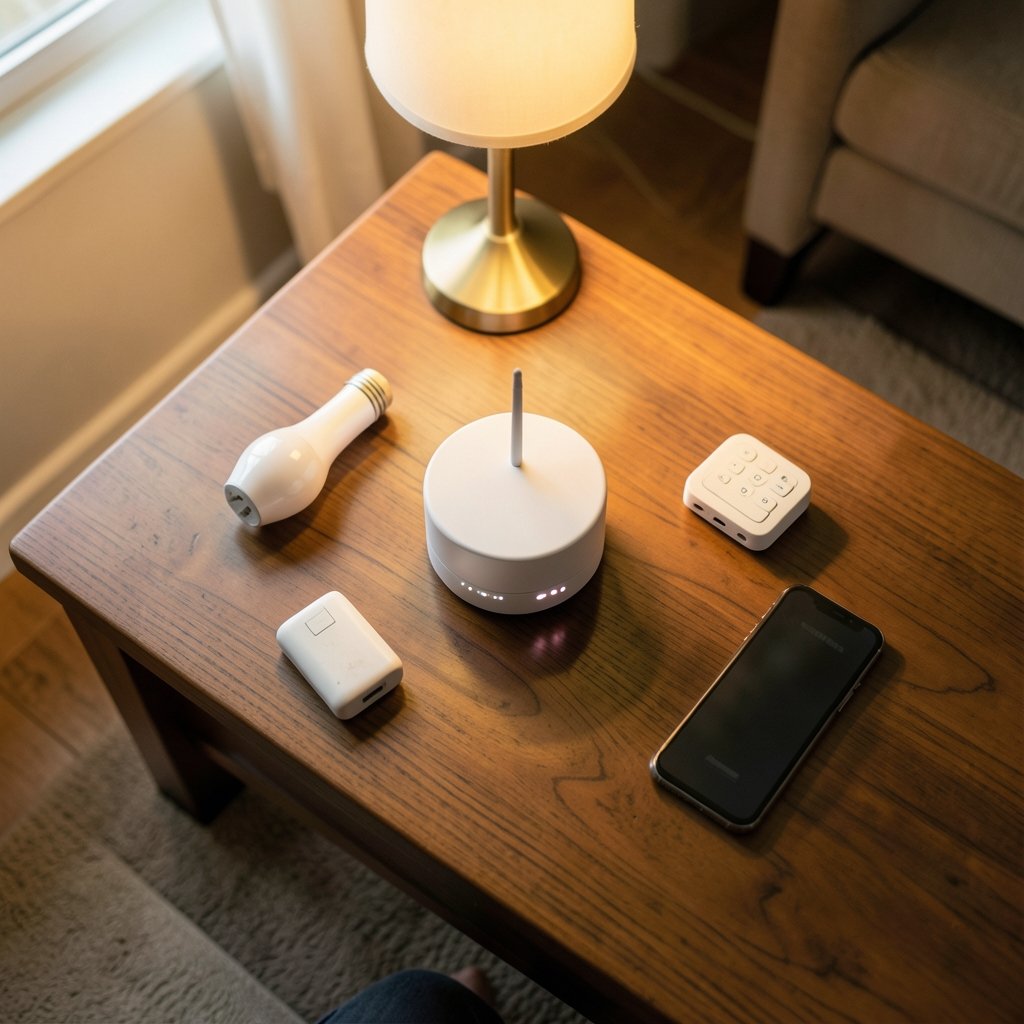
What if the biggest fight over smart glasses had nothing to do with cameras, AI, or privacy, and everything to do with a tiny battery door? For much of 2026, that was exactly the situation. A single European rule about removable batteries appeared ready to reshape which smart glasses could even be sold in Europe. Then, just months before the deadline, the rule changed. The story of smart glasses with replaceable batteries in 2027 is a story about regulation, engineering reality, and a quiet exemption that rewrote the ending.
The Rule That Started It All
The European Union’s Batteries Regulation was adopted in 2023 as part of the European Green Deal. Its goal was straightforward: make electronics last longer and cut down on electronic waste. One of its most demanding provisions required that portable batteries in consumer electronics be removable and replaceable by the user. That requirement was set to take effect in February 2027.
For laptops, phones, and tablets, that meant redesigning products around accessible battery compartments. For smart glasses, it meant something closer to a crisis. A pair of smart glasses packs a battery, processors, cameras, speakers, and sometimes tiny displays into a frame that weighs almost nothing. Adding a user-accessible battery door adds millimeters, grams, and failure points. Engineers would have to shrink the cell or strip out features to make room.
The stakes were real. Meta’s smart glasses, built with EssilorLuxottica, were a sell-out hit in the United States, but Europeans had no launch date. The battery rule was widely cited as a major reason the product stayed on the other side of the Atlantic. The company even argued for an exemption, making the case that wearables are not smartphones and that forced redesigns would hurt the category.
Why Smart Glasses and Replaceable Batteries Clash
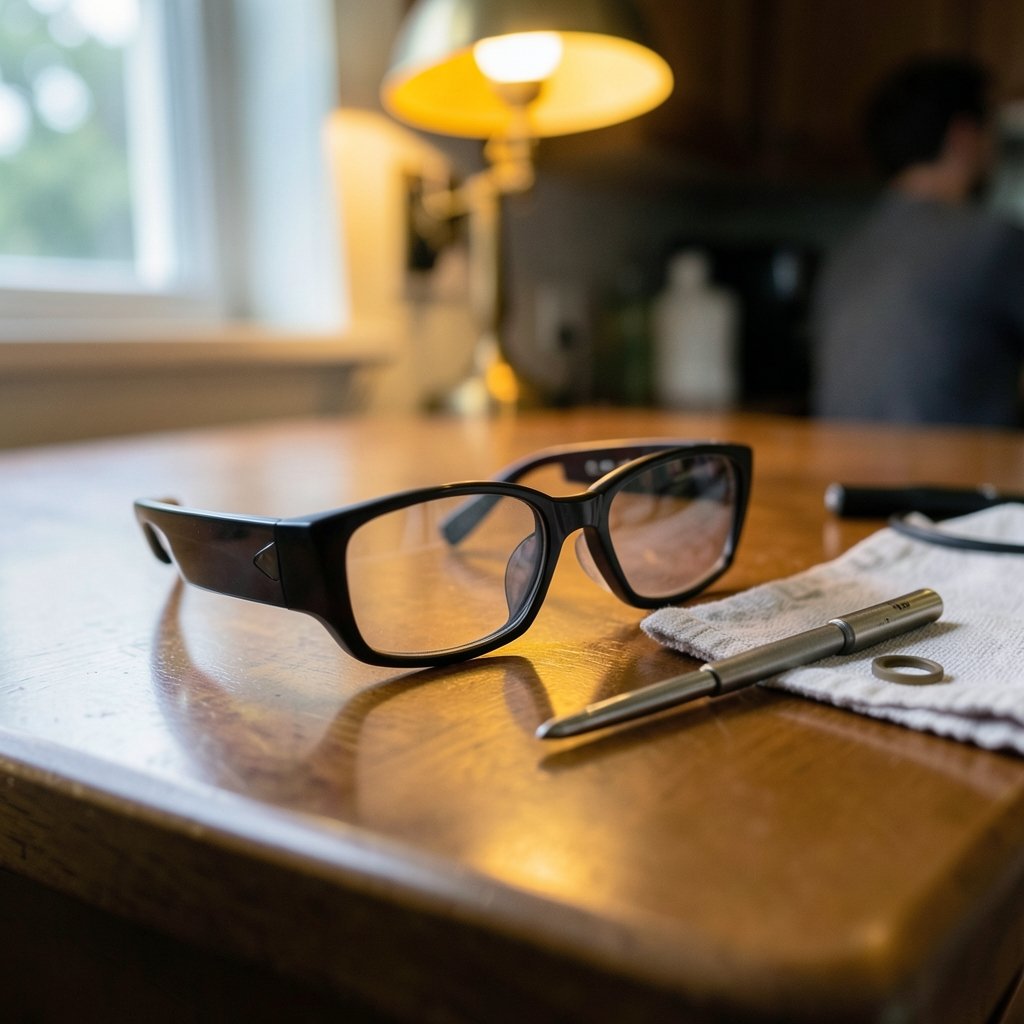
To understand the tension, it helps to picture what a battery door does to a pair of glasses. The housing for a removable cell needs structural support, a seal, and a latch or screw mechanism. Every one of those parts competes for space with the electronics that make the glasses smart in the first place.
There is also the question of durability. Glasses bend, get tossed in bags, and sit on nightstands. A battery compartment is a natural weak point for moisture, dust, and accidental opening. For a device that already has to survive daily wear, that is a genuine engineering headache.
Then there is the user experience angle. Swapping a battery sounds simple until you imagine doing it on a frame that also holds prescription lenses. Many wearables are designed to be repaired by a trained professional rather than opened at the kitchen table. A removable battery requirement, applied literally, would have forced a very different product philosophy onto a category that had just found its footing.
The Exemption That Changed the Timeline
The turning point came in mid-2026. On July 14, 2026, the European Commission adopted a delegated act that formally exempted wearable devices from the user-replaceable battery requirement. The exemption covered six new categories of electronics, and wearables were among them.
The Commission defined wearables broadly: smartwatches, fitness trackers, smart glasses, and other electronic devices integrated into clothing and accessories. That definition matters because it pulled smart glasses out of the crosshairs just as the February 2027 deadline approached. The exemption did not mean a free pass on repair, though. Many of these devices will still need to be repairable by a trained professional, which keeps pressure on manufacturers to design for serviceability even without a user-swappable cell. (Best smart speaker multiple smart home devices 2027 picks)
So what does this mean for the phrase that brought so many readers here? In practice, smart glasses with replaceable batteries in 2027 will be a niche, not a mandate. The law no longer requires a swappable battery in smart glasses sold in the EU. Any product that offers one will be doing so as a design choice, not because Brussels insisted.
What This Means for Buyers in 2027
For shoppers, the exemption is mostly good news. It means more smart glasses will actually reach shelves in Europe, and they will not be compromised by a battery door that eats into display quality or frame comfort. It also means the buying decision shifts back to the things that matter: fit, features, battery life, and how the device handles repair over time.
There is a catch worth flagging. Exemptions can make it easy for manufacturers to treat batteries as sealed, disposable components. If you plan to keep a pair of smart glasses for several years, the question to ask is not “can I swap the battery?” but “can this be serviced at all?” A device that requires professional repair is fine as long as that repair path exists and is affordable.
This is the same logic that applies across the wider smart home and gadget world. When you are deciding where to spend, it pays to think about longevity rather than novelty. A good rule of thumb is to check how a product handles repairs, updates, and accessories before you commit. The same future-proofing mindset that helps with other purchases applies here, and a solid guide to future-proofing your tech purchases can save you from buying into a dead end.
The Product Line Taking Shape
The exemption did not slow the category down. If anything, it cleared the runway. Apple has reportedly made significant progress on its first smart glasses, with a launch targeted for 2027. Reporting suggests the device will be built around the Siri digital assistant, part of a broader wearable push that also includes camera-equipped AirPods and an AI pendant. Notably, early reports describe a product with no screen at all, which keeps power demands lower and makes battery design more forgiving.
Meta is moving on multiple fronts. The company has said it plans to release new VR glasses in spring 2027 at $1,299.99, featuring micro-OLED screens and multi-panel virtual displays, with Muse AI agent capabilities planned for hands-free control. It has also been expanding its AI eyewear lineup and partnerships. Separately, reports have described a smaller mixed-reality glasses project, codenamed Puffin, weighing around 110 grams, with a possible external pack holding the battery and processor.
That external pack idea is worth pausing on. It is a different answer to the same problem: instead of making the battery removable, move it off the frame entirely. You get more capacity without adding weight to your nose, and the pack can be charged or swapped without touching the glasses. It is not a user-replaceable battery in the legal sense, but it delivers much of the same practical benefit.
| Approach | How it works | Trade-off |
|---|---|---|
| Sealed internal battery | Cell built into the frame | Lightest design, but service means professional repair |
| External battery pack | Power lives in a pocket or neckband | More capacity and easier charging, but extra hardware to carry |
| User-replaceable cell | Battery door in the frame | Maximum longevity, but adds bulk and weak points |
The table makes the core tension clear. Each approach solves a different problem, and the EU exemption means manufacturers can now pick the one that fits their product instead of having one imposed on them.
Practical Tips for Buying Smart Glasses That Last
If you are shopping in this category, a few habits will protect you from regret.
- Ask about the service model before you buy. Find out whether the battery can be replaced at all, how much it costs, and how long the manufacturer promises to support the device.
- Check the real-world battery life, not the spec sheet number. Glasses that stream video or run AI features constantly will drain faster than the marketing suggests.
- Try the fit for at least twenty minutes. Weight distribution matters more than total grams, and a heavy pair that sits well can beat a light pair that pinches.
- Confirm what works without a phone. Features that depend on a constant connection are less useful than ones that run on the glasses themselves.
- Look at the repair and parts ecosystem. A device with a professional repair path is a better long-term bet than one that is sealed and unsupported.
These steps mirror the mistakes people make with other connected devices. If you want to avoid the common traps, a rundown of the smart home mistakes people still make is a useful companion read, because the same lessons about sealed hardware and short support windows apply to glasses too.
How the Battery Debate Fits the Bigger Picture
The exemption is part of a broader pattern: standards and regulations are converging, and the details matter more than the headlines. The same is true of the connectivity standards reshaping the smart home, where promises of universal compatibility have taken years to deliver. If you follow the Matter and Thread story, you will recognize the rhythm: ambitious rules, industry pushback, and a final framework that is more practical than the original blueprint.
There is also a consumer-protection angle. The EU estimated that replaceable battery rules could save consumers around €20 billion per year by extending device lifespans and reducing e-waste. The wearable exemption narrows that benefit for glasses and watches, which puts more responsibility on buyers to choose products that are built to last. That is why it helps to think about total cost of ownership rather than sticker price, whether you are buying glasses, a hub, or anything else with a battery inside. The same logic that shapes smart home hub picks applies here: the cheapest box is rarely the cheapest to own.
What to Watch Next
Several things could shift the picture again. The exemption is a delegated act, which means it could be revisited. Manufacturers may still choose to offer replaceable batteries as a selling point, especially for outdoor and industrial models where field swaps matter. And the external pack approach could become the default compromise, giving users more power without a battery door.
For now, the practical takeaway is simple. The 2027 deadline that once threatened to keep smart glasses out of Europe no longer applies to wearables. The devices are coming, and the question for buyers is no longer whether the battery is removable but whether the product is worth keeping.
Conclusion
The saga of smart glasses and replaceable batteries is a reminder that regulation and innovation rarely move in a straight line. A rule designed to reduce waste nearly became a barrier to an entire product category, and a targeted exemption kept the door open. In 2027, smart glasses with user-replaceable batteries will exist, but they will be a design choice rather than a legal requirement. The smarter move for buyers is to focus on what actually determines longevity: serviceability, support, fit, and honest battery life. Choose products you can repair, keep them longer, and the environmental goal behind the original rule still gets served, just through a different route.
Frequently Asked Questions
Do smart glasses need replaceable batteries in 2027?
No. The European Commission adopted an exemption in July 2026 that removes smart glasses, smartwatches, fitness trackers, and other wearables from the user-replaceable battery requirement that takes effect in February 2027. Manufacturers may still offer removable batteries, but they are not legally required to do so.
Why were smart glasses exempted from the battery rule?
The requirement was hard to meet in a device as small and light as a pair of glasses. A battery door adds bulk, weight, and weak points, and it competes for space with cameras, chips, and displays. The Commission’s exemption recognized that wearables are a different category from phones and laptops.
Will the exemption delay new smart glasses in Europe?
It should do the opposite. The battery rule had been cited as a major reason some smart glasses were not launched in Europe. With the exemption in place, that barrier is removed, and products can reach European shelves without a battery compartment redesign.
Can I still buy smart glasses with a swappable battery?
Yes, if a manufacturer chooses to build one. Some models may use an external battery pack instead, which gives extra capacity without adding weight to the frame. Check the product specs and the service policy before you buy.
What happens if the battery in my smart glasses dies?
It depends on the design. Many wearables will still need to be repairable by a trained professional, so the realistic path is a manufacturer or partner repair service. Before buying, confirm that a repair or replacement option exists and find out what it costs.
Are external battery packs a good alternative?
They can be. An external pack moves the power off your face, which improves comfort and makes charging easier. The trade-off is extra hardware to carry and a cable or connector to manage. For heavy users, the added capacity often outweighs the inconvenience.