
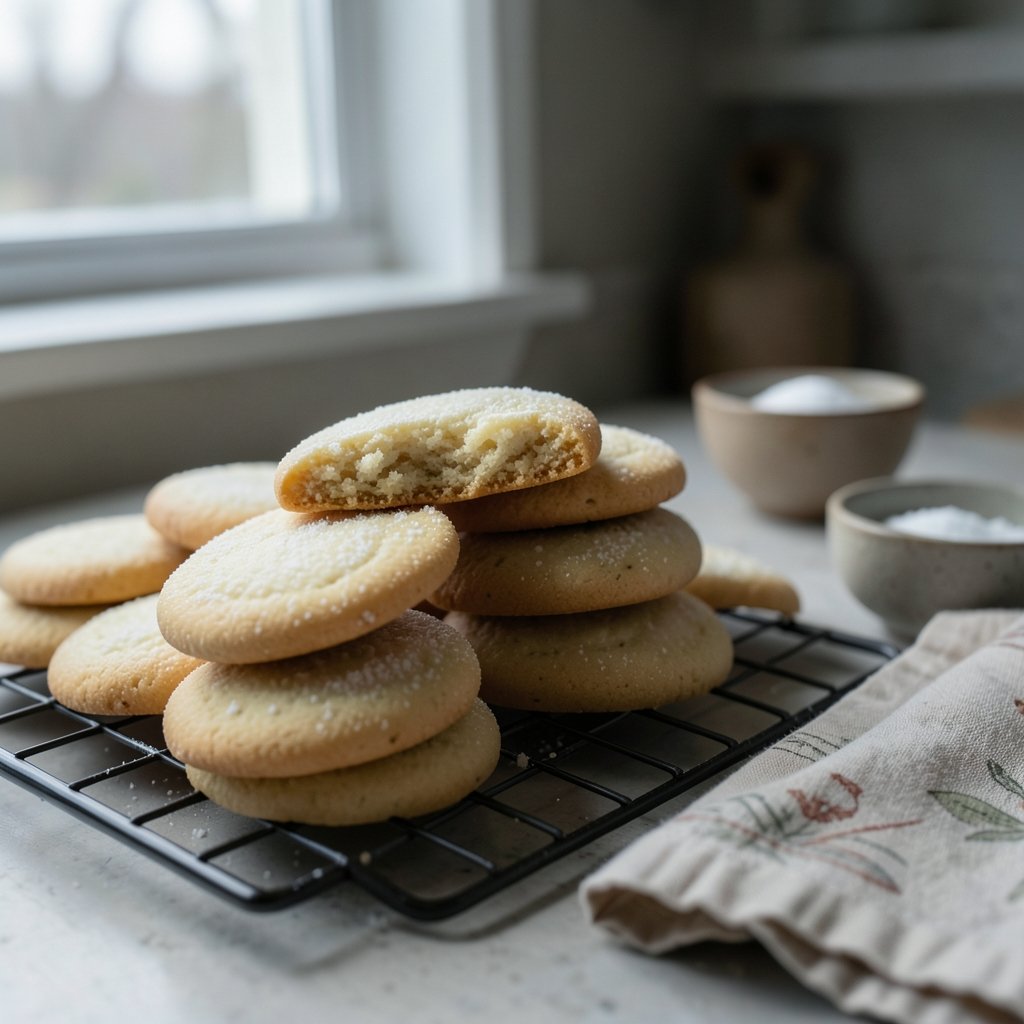
What if the secret to soft sugar cookies has almost nothing to do with the recipe and everything to do with how you handle the dough? Most bakers follow a decent recipe, bake a decent batch, and then wonder why the cookies turn crisp by the next morning. The answer usually sits in a handful of small technique decisions: which fat goes in, how long the dough chills, when the cookies come out of the oven, and how they cool. Get those right and even a basic recipe turns into the kind of cookie that bends instead of snaps.
This guide walks through a reliable soft sugar cookie recipe, explains why each step matters, and covers the mistakes that quietly ruin batch after batch. It also separates the two big styles of soft sugar cookie, because they behave very differently in the kitchen.
What Makes a Sugar Cookie Soft in the First Place
A cookie’s texture comes down to three things: fat, gluten, and moisture. Soft cookies have more of all three, balanced carefully.
Fat choice is the biggest lever. All-butter doughs taste richer but spread more in the oven and firm up faster after cooling. Shortening holds shape and keeps cookies tender longer, which is why many bakery-style soft cookies use a blend. A 50/50 split of butter and shortening is a common compromise: butter for flavor, shortening for staying power.
Gluten is the second lever. The more gluten develops, the chewier and eventually tougher the cookie gets. Two easy ways to keep gluten in check are swapping part of the all-purpose flour for cake flour, or adding a tablespoon or two of cornstarch to the dry ingredients. Both dilute the protein that forms gluten and produce a more tender crumb.
Moisture is the third. Brown sugar holds more water than white sugar, so a recipe with a higher brown-to-white ratio stays softer. So does slightly underbaking. Pulling cookies while the centers still look a touch underdone lets them finish on the hot pan, which is where a lot of softness is locked in.
The Recipe: Soft Sugar Cookies With a Tender Crumb
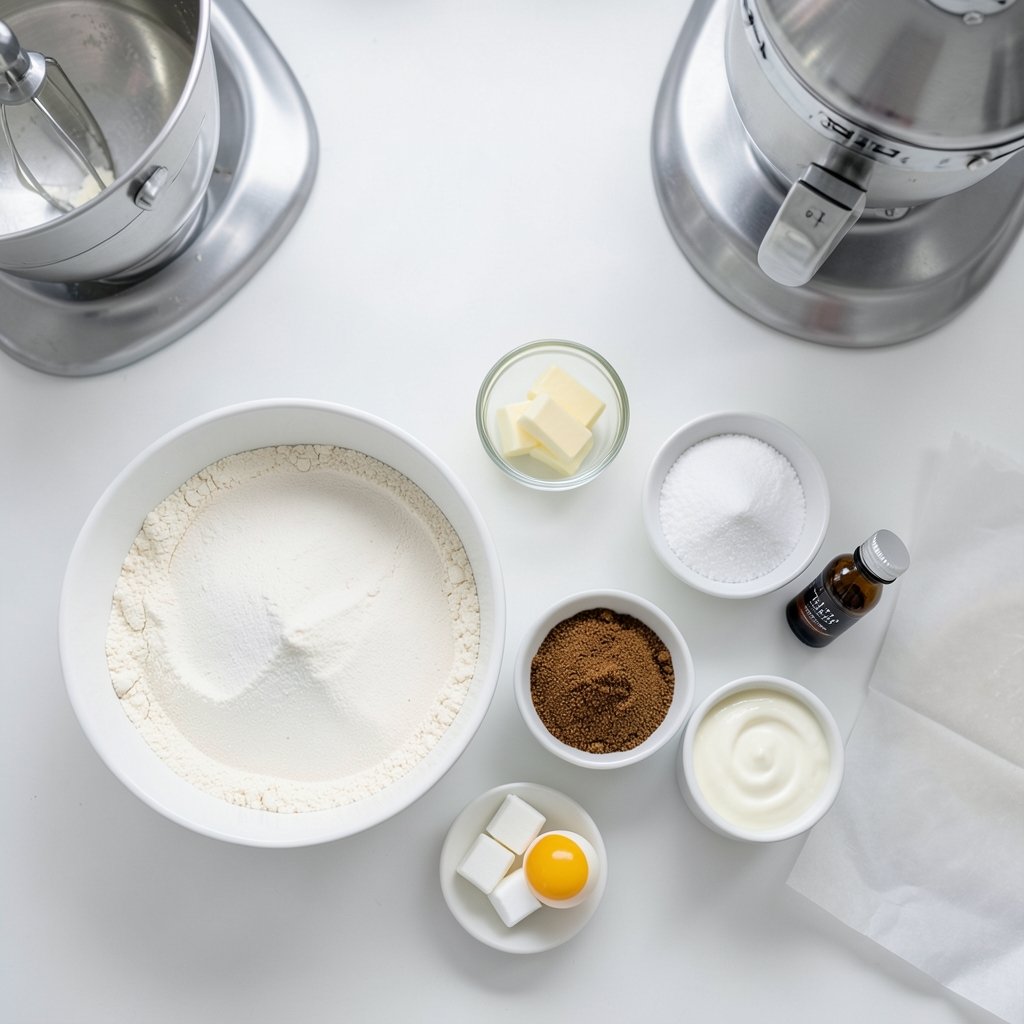
This recipe makes about 30 medium cookies. It uses a butter-and-shortening blend, a little cornstarch, and a chill step. It works for drop cookies and for cutouts, though cutouts need a longer chill.
Ingredients
| Ingredient | Amount | Why It Matters |
|---|---|---|
| All-purpose flour | 2 3/4 cups | Base structure |
| Cornstarch | 2 tbsp | Lowers gluten, adds tenderness |
| Baking powder | 1 tsp | Lift without heavy browning |
| Baking soda | 1/2 tsp | Slight spread and browning |
| Salt | 1/2 tsp | Balances sweetness |
| Unsalted butter, softened | 1/2 cup | Flavor |
| Vegetable shortening | 1/2 cup | Shape retention and softness |
| Granulated sugar | 1 cup | Sweetness and structure |
| Brown sugar, packed | 1/4 cup | Moisture |
| Egg | 1 large | Binding and lift |
| Vanilla extract | 2 tsp | Flavor |
| Sour cream | 2 tbsp | Extra moisture and tenderness |
Sour cream is optional but worth it. It adds acidity that helps the baking soda work and keeps the crumb soft for days.
Step-by-Step Method
- Whisk the dry ingredients. Combine flour, cornstarch, baking powder, baking soda, and salt in a bowl. Set aside.
- Cream the fats and sugars. Beat butter, shortening, granulated sugar, and brown sugar on medium speed for 3 to 4 minutes, until light and fluffy. This step incorporates air, which is what makes the cookie cakey rather than dense.
- Add the egg, vanilla, and sour cream. Beat until fully combined, scraping down the bowl once.
- Mix in the dry ingredients on low speed. Stop the moment the flour disappears. Overmixing develops gluten and turns soft dough tough.
- Chill the dough. Cover and refrigerate for at least 30 minutes, or up to overnight. This firms the fat so cookies spread less and hold their shape.
- Heat the oven to 350°F (175°C). Line baking sheets with parchment.
- Scoop and shape. For drop cookies, scoop 2-tablespoon portions onto the sheet, leaving 2 inches between them. For cutouts, roll the chilled dough to about 1/4 inch thick and cut shapes.
- Bake 9 to 11 minutes. Pull them when the edges are set but the centers still look slightly glossy and underdone. This is the single most important step for softness.
- Rest on the pan for 5 minutes. Let the cookies finish setting on the hot sheet before moving them to a rack.
The Frosting
A simple buttercream works well: beat 1/2 cup softened butter with 2 cups powdered sugar, 1 teaspoon vanilla, and 2 to 3 tablespoons of milk until spreadable. Frost only fully cooled cookies, or the icing will slide off.
Why Chilling the Dough Is Not Optional
Skipping the chill is the most common mistake with soft sugar cookie recipes, and it shows up immediately in the oven. Warm dough means soft fat, and soft fat spreads before the structure sets. The result is a thin, crisp-edged cookie that looks nothing like the thick, pillowy version in the picture. (Soft money campaign cash that changed american politics)
Thirty minutes in the fridge makes a real difference for drop cookies. For cutouts, go longer, at least an hour and ideally two. The dough should feel firm but still rollable. If it cracks when rolled, let it sit at room temperature for five minutes and try again.
One practical note: chill the dough in a flat disc rather than a ball. A disc chills faster and rolls out more evenly.
Measuring Flour Correctly Changes Everything
Flour is the ingredient most often measured wrong, and the error runs in one direction: too much. Scooping straight from the bag with the measuring cup compacts the flour and can add 15 to 20 percent more than the recipe intends. That extra flour makes cookies dry, crumbly, and firm.
The fix is simple. Fluff the flour in its container, spoon it into the measuring cup, and level it off with a straight edge. Better still, use a kitchen scale. A cup of all-purpose flour weighs roughly 120 to 125 grams, and weighing removes the guesswork entirely. Bakers who make the switch often find their cookies get softer overnight, simply because they were over-flouring for years without knowing it.
Baking Soda vs. Baking Powder in Soft Cookies
This trips up a lot of people, and the difference matters for both texture and color.
Baking soda needs an acid to react, and it browns cookies more aggressively. Baking powder is self-contained and gives a more controlled lift. Soft sugar cookie recipes often use a combination, or lean on baking powder with an acidic ingredient like sour cream doing double duty.
There is no universal ratio. Recipes vary widely, and a recipe that uses only baking powder is not wrong, just different. What matters is following the leavening the recipe specifies rather than swapping one for the other. If a recipe calls for baking powder and the pantry only has soda, the cookies will spread differently and taste soapy.
Two Styles of Soft Sugar Cookie
“Soft sugar cookie” describes a family of cookies, not one standard. The two most common versions behave quite differently.
| Feature | Lofthouse-Style | Old-Fashioned Sour Cream |
|---|---|---|
| Texture | Thick, cakey, almost fluffy | Tender, slightly denser |
| Topping | Thick buttercream frosting | Often sugar or light glaze |
| Leavening | Baking powder heavy | Baking soda with acid |
| Chill time | Longer, dough is soft | Shorter, dough is stiffer |
| Best for | Frosted holiday cookies | Everyday snacking |
Neither is more authentic than the other. The Lofthouse style is the soft, frosted grocery-store cookie many people grew up with. The sour cream version is older and has a tang that balances the sweetness. Both qualify as soft sugar cookies, and both reward careful technique. (Galaxy z fold 8 vs pixel 10 pro fold design cameras software)
Common Mistakes That Make Cookies Crisp
Beyond over-flouring and skipping the chill, a few other habits quietly sabotage softness.
Baking too long. A minute past done is the difference between soft and snappy. Set a timer for the low end of the range and check early. Ovens run hot or cold, so the recipe’s timing is a starting point, not a guarantee.
Cooling on the hot pan too long. Five minutes on the sheet is good. Twenty minutes is not. Residual heat keeps cooking the cookies and drives out moisture.
Storing them wrong. Cookies left on an open plate go stale fast. Once fully cooled, store them in an airtight container with a slice of bread or a piece of parchment. The bread gives up its moisture and keeps the cookies soft. Replace it when it dries out.
Frosting warm cookies. Icing on a warm cookie melts, turns runny, and leaves the cookie soggy. Patience here pays off.
Using cold butter straight from the fridge. Creaming cold butter does not incorporate air properly, and the dough ends up dense. Softened butter should hold a slight indentation when pressed but not look greasy.
Making the Recipe Ahead and Storing It
The dough is very freezer-friendly. Shape it into discs, wrap tightly, and freeze for up to three months. Thaw overnight in the fridge before rolling or scooping.
Baked cookies keep well too. Unfrosted, they last about a week in an airtight container at room temperature. Frosted cookies are best within three or four days. For longer storage, freeze baked cookies unfrosted and frost them after thawing.
If the goal is a cookie that still tastes fresh on day four, the sour cream version has a slight edge over the all-butter version, simply because it starts with more moisture.
A Note on Food Safety
Any recipe that uses raw egg deserves a little care. Raw dough should not be eaten, and frostings made with raw egg whites should be avoided unless the egg is pasteurized or cooked. Egg-containing foods are generally considered safe when cooked to 160°F (71°C), which baked cookies easily reach. For anyone cooking or baking with eggs regularly, it is worth knowing the basics of egg handling and safe temperatures.
For those tracking nutrition, ingredient data for butter, flour, and sugar is publicly available, and added sugar in baked goods is worth keeping an eye on if cookies are a regular habit. None of that needs to spoil the fun of a good batch, but it is useful context.
Conclusion
A soft sugar cookie recipe is really a set of small decisions that add up. Use a blend of butter and shortening for flavor plus staying power. Add a little cornstarch or cake flour to keep gluten in check. Measure flour by weight or spoon it gently. Chill the dough. Pull the cookies early and let them finish on the pan. Store them airtight with a slice of bread.
None of these steps is difficult, and none requires special equipment. What they require is attention at the moments that matter. Bakers who master those moments stop getting crisp cookies by accident and start getting soft ones on purpose. The recipe above is a solid starting point, but the technique is what makes it work batch after batch.
Frequently Asked Questions
Why did my soft sugar cookies turn out hard?
The usual culprits are too much flour, overbaking, or overmixing. Scooping flour directly with the measuring cup compacts it and adds extra, which dries out the dough. Baking even a minute too long drives off moisture. Mixing the dough too long after adding flour develops gluten and makes cookies tough. Measure flour by weight if possible, pull the cookies when the centers still look slightly underdone, and stop mixing the moment the flour disappears. (Antivirus best software)
Can I make soft sugar cookie dough ahead of time?
Yes, and it often improves. The dough can be refrigerated for up to three days or frozen for up to three months. Chilling firms the fat and deepens flavor. Thaw frozen dough overnight in the fridge before shaping. Just let refrigerated dough sit at room temperature for a few minutes if it feels too stiff to roll.
What is the difference between a sugar cookie and a soft sugar cookie?
A standard sugar cookie is often thin and crisp, especially the rolled and cut kind. A soft sugar cookie is thicker, more tender, and stays pliable for days. The difference comes from fat choice, added moisture from ingredients like sour cream or brown sugar, less gluten development, and shorter baking times.
How do I keep frosted cookies from getting soggy?
Frost only completely cooled cookies, and keep the frosting thick enough to sit on top rather than soak in. Store frosted cookies in a single layer or with parchment between layers. If you need to stack them, let the frosting set fully first, which takes about an hour at room temperature.
Can I use all butter instead of shortening?
Yes, but expect a thinner cookie that firms up faster. Butter melts at a lower temperature than shortening, so all-butter dough spreads more. To compensate, chill the dough longer and consider adding an extra tablespoon or two of flour. The flavor will be richer, but the cookies will not stay soft quite as long.
How do I know when soft sugar cookies are done?
Look at the edges, not the center. The edges should be set and barely golden, while the centers still look slightly glossy and soft. They will look underdone, and that is correct. They finish setting during the five minutes they rest on the hot baking sheet. If the centers look fully dry in the oven, they are already overbaked.



