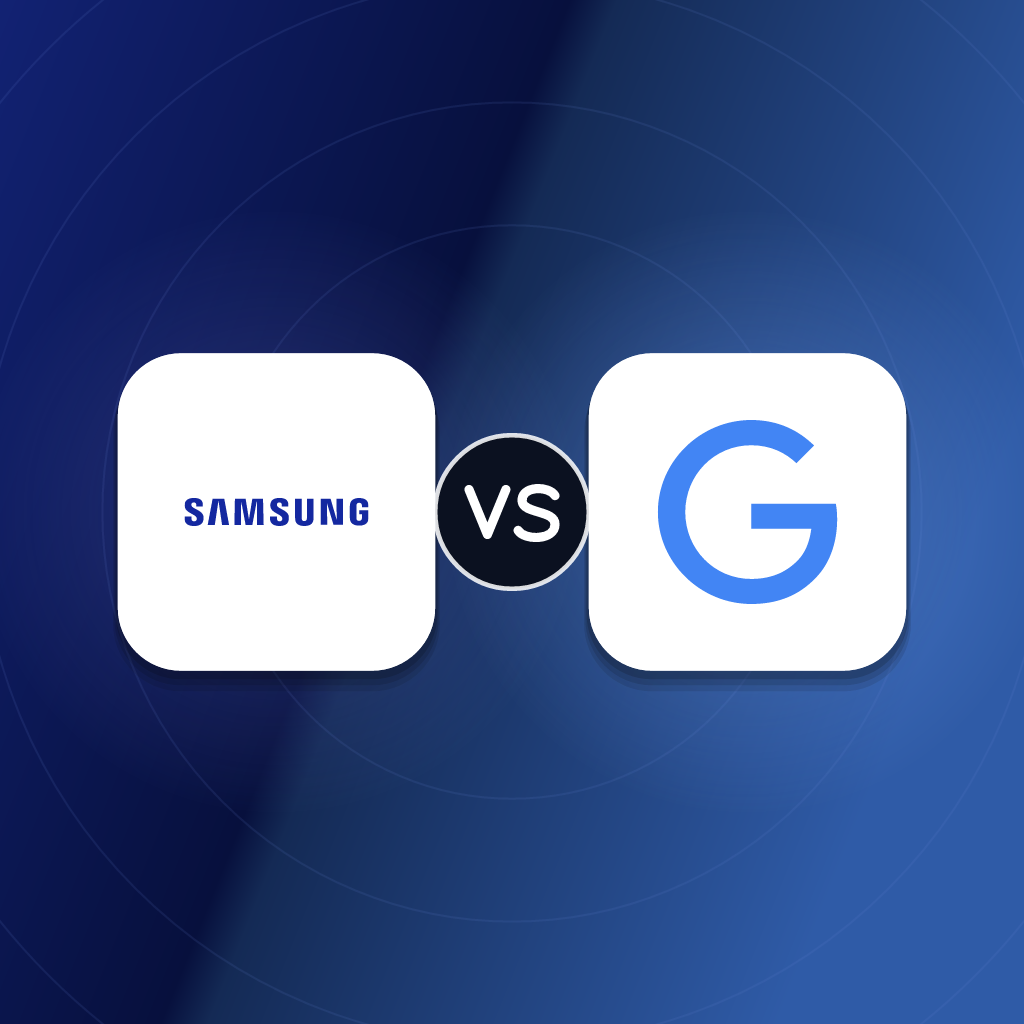
Foldable phones are no longer a curiosity for early adopters. They are a fast-growing slice of the premium market, and two devices sit at the center of the conversation: the Galaxy Z Fold 8 and the Pixel 10 Pro Fold. Both promise a tablet that folds into a pocket, yet they chase that goal in very different ways. Picking between them is less about raw specs and more about what kind of phone user you actually are.
This comparison breaks down the design, displays, performance, cameras, software, and pricing of both devices so you can decide with clear eyes instead of marketing hype.
The Two Contenders at a Glance
Samsung has spent years refining the book-style foldable, and the Z Fold 8 is the company’s most polished attempt yet. Google, meanwhile, has taken a slower, more software-first route with the Pixel 10 Pro Fold, leaning hard on its Tensor chip and AI features.
The difference is mostly philosophy. Samsung builds around hardware: a stylus, a mature multitasking suite, and a large collection of apps and services. Google builds a camera-and-AI phone that also folds. Neither is “better” in the abstract; the winner depends on your priorities.
Here is how the headline specs stack up:
| Feature | Galaxy Z Fold 8 | Pixel 10 Pro Fold |
|---|---|---|
| Form factor | Book-style foldable | Book-style foldable |
| Inner display | Large foldable AMOLED, high refresh | Large foldable OLED, high refresh |
| Chipset | Snapdragon flagship | Google Tensor |
| Stylus support | Yes (S Pen) | No dedicated stylus |
| Software focus | Multitasking, DeX | AI, clean Android |
| Camera approach | Versatile multi-lens | Computational photography |
| Positioning | Productivity powerhouse | Smart camera-first foldable |
Design and Build: Refinement vs. Simplicity
Samsung’s foldables have steadily shed bulk, and the Z Fold 8 continues that trend. The hinge feels tighter, the crease is less obvious than on older models, and the outer screen is usable as a normal phone. That last point matters: many people tried foldables, hated the narrow cover display, and went back to a slab. Samsung has clearly listened. (Samsung Galaxy Z Fold8 official page)
Google’s Pixel 10 Pro Fold takes a cleaner, softer design language. It looks more like a Pixel phone stretched into a tablet, with rounded corners and a minimalist back. The trade-off is that it feels less like a productivity tool and more like a very large, very expensive Pixel.
In practice, the design choice affects daily use. If you want a device that doubles as a mini workstation, the Samsung’s squarer inner display and stylus support make a real difference. If you mainly want a big screen for video, reading, and photos, the Pixel’s softer approach is perfectly comfortable. Neither build feels cheap, but Samsung’s hinge engineering has had more generations to mature.
Displays: Big Screens, Different Priorities
Both phones give you a large inner canvas and an outer screen for quick tasks. The differences are in the details.
Samsung tends to push brightness and refresh rate hard, which pays off outdoors and during fast scrolling. The inner display is tuned for split-screen work, and the aspect ratio favors having two or three apps open at once. The cover screen is narrow but functional.
Google’s inner display is bright and color-accurate, and it shines when showing photos and video. Because Pixel software is optimized around single-app experiences with occasional splitting, the screen feels less like a desktop and more like a cinema.
A practical tip: before buying either, spend ten minutes in a store opening and closing the phone. Foldable fatigue is real. Some people love the ritual; others find it annoying within a week. The best foldable is the one you’ll actually unfold.
Performance: Snapdragon Muscle vs. Tensor Smarts
The Z Fold 8 runs on a flagship Snapdragon chip, and the difference shows in sustained heavy tasks. Gaming, video editing, and running several apps side by side feel smooth. Samsung also layers on DeX, which turns the phone into a desktop-like environment when connected to a monitor. For anyone who wants a phone that can replace a laptop for light work, that is a genuine advantage.
The Pixel 10 Pro Fold uses Google’s Tensor silicon. It is not built to win benchmark charts. It is built to run on-device AI: photo editing, call screening, transcription, and translation. If you already use Google’s apps and services and like clever software features, Tensor feels smarter than it is fast.
For raw performance and multitasking, the Samsung wins. For AI-driven convenience, the Pixel holds its own. If you’re also weighing Google’s slab phones, it helps to see how the Pixel 10 price compares, since the foldable sits at the top of that family.
Cameras: Computational Photography vs. Hardware Versatility
This is where the two phones diverge most sharply.
Google’s Pixel line has long been the benchmark for point-and-shoot photography, and the Pixel 10 Pro Fold carries that torch. Its strength is consistency: you press the shutter, and the phone handles the rest. Night shots, portraits, and zoom all benefit from Google’s image processing. For most people, that means better photos with less effort.
Samsung counters with more lenses and more manual control. The Z Fold 8 gives you flexibility: different focal lengths, pro modes, and fine-grained settings. If you enjoy editing and experimenting, that versatility is appealing. If you just want great photos without thinking, the Pixel is the easier recommendation.
A common mistake buyers make is judging foldable cameras by megapixel counts. Sensor size, processing, and lens quality matter far more. Ignore the spec sheet and look at sample photos in real lighting.
Software and Updates: Two Very Different Flavors
Samsung’s One UI is feature-dense. Multitasking gestures, floating windows, and DeX make the inner screen genuinely useful for work. The downside is clutter: settings menus run deep, and some features duplicate Google’s own apps.
Pixel software is clean and fast, with Google’s apps front and center. Updates arrive quickly, and the AI features are woven in rather than bolted on. If you value simplicity, the Pixel feels lighter.
Both companies now offer long software support windows, which softens the “which gets updates longer” question. The real question is which style you prefer. Power users tend to love Samsung’s depth; casual users tend to love Google’s calm.
Battery, Charging, and Daily Endurance
Foldables pack two screens into one body, so battery life is always a compromise. Both phones get through a typical day with moderate use, but heavy inner-screen time drains either one fast.
Samsung’s larger battery and efficient chip help it edge ahead in mixed-use testing. Google’s Tensor chip is less power-hungry in light tasks, so standby time is solid. Neither phone is a two-day device.
Practical advice: if you commute and stream video on the inner screen for hours, budget for a midday top-up. A compact power bank is almost mandatory for foldable owners. Charging speeds are competitive on both, though neither matches the fastest slab phones.
Price and Value: The Real Decider
Foldables remain expensive, and both devices sit firmly in premium territory. Samsung’s pricing tends to be higher at launch, with more generous trade-in offers and carrier deals. Google undercuts slightly, but the gap narrows once storage upgrades are factored in.
If you’re comparing PlayStation consoles and services while you shop, the same “wait for a deal” logic applies. Just as buyers track the ps5 pro vs ps5 specs before upgrading, foldable shoppers should compare generation-over-generation improvements before paying full price. And if you’re weighing a console purchase too, the ps5 slim vs ps5 pro breakdown shows how mid-cycle upgrades often deliver less than the marketing suggests.
The value question comes down to use case. If the inner screen replaces a tablet and occasionally a laptop, the Z Fold 8 justifies its price. If it replaces a tablet and a camera, the Pixel 10 Pro Fold makes sense. If it replaces nothing, both are expensive luxuries.
Which Should You Buy?
There is no universal winner, but there is a clear winner for each type of buyer.
Choose the Galaxy Z Fold 8 if:
- You want a stylus and true multitasking
- You’ll use DeX for light desktop work
- You prefer maximum hardware flexibility
- You value a mature set of apps and features
Choose the Pixel 10 Pro Fold if:
- Camera quality is your top priority
- You want clean software and fast updates
- You love AI features like transcription and photo editing
- You prefer simplicity over deep customization
A useful rule of thumb: buy the foldable whose software you’d want on a normal phone. The folding screen is the headline, but you’ll spend most of your time inside the operating system. If Samsung’s density frustrates you on a slab, it will frustrate you on a foldable. If Pixel’s minimalism feels limiting, the same will be true here.
Common Mistakes Foldable Buyers Make
Even informed buyers slip up. Watch for these traps.
- Skipping the case. Foldables are fragile at the hinge. A proper case is not optional.
- Ignoring repair costs. Screen replacements on foldables are expensive. Check insurance before you buy.
- Overestimating multitasking. Most people open one app at a time, even on a big screen.
- Buying at launch. Early firmware bugs are common. Waiting a few weeks often means a better experience and a better deal.
- Forgetting the cover screen. You’ll use it more than you expect. Make sure it feels good in one hand.
Conclusion
The Galaxy Z Fold 8 and Pixel 10 Pro Fold represent two valid visions of the folding phone. Samsung builds a productivity machine with a stylus, deep multitasking, and desktop mode. Google builds a camera-first foldable with clean software and smart AI. Neither is a compromise; they simply optimize for different people.
If you want the most capable hardware and you’ll actually use the inner screen for work, the Z Fold 8 is the safer bet. If you want the best photos and the calmest software experience, the Pixel 10 Pro Fold earns the nod. Try both in person, check trade-in values, and buy the one whose software you’d happily use every day. The fold is the novelty; the software is the relationship.
FAQ
Is the Galaxy Z Fold 8 better than the Pixel 10 Pro Fold?
Neither is universally better. The Z Fold 8 wins on multitasking, stylus support, and raw performance. The Pixel 10 Pro Fold wins on camera consistency and clean software. The right choice depends on whether you prioritize productivity or photography.
Does the Pixel 10 Pro Fold support a stylus?
No. Google has not built stylus support into the Pixel 10 Pro Fold. If pen input matters to you, the Galaxy Z Fold 8 with its S Pen support is the clear option.
Which foldable has a better camera?
The Pixel 10 Pro Fold generally produces more consistent point-and-shoot photos thanks to Google’s image processing. The Galaxy Z Fold 8 offers more lenses and manual control, which appeals to photographers who like to edit.
Are foldable phones durable enough for daily use?
Modern foldables are far more durable than early models, but the hinge and inner screen remain the weak points. Use a case, avoid pressure on the crease, and consider insurance, since repairs are costly.
Is the Galaxy Z Fold 8 good for gaming?
Yes. Its Snapdragon chip handles demanding games well, and the large inner screen gives you a tablet-like experience. Just expect faster battery drain during long sessions.
Should I buy a foldable now or wait?
If you need a new phone and the big screen solves a real problem for you, buying now is reasonable. If you’re curious but not convinced, wait. Foldables improve every generation, and prices tend to soften after launch.