
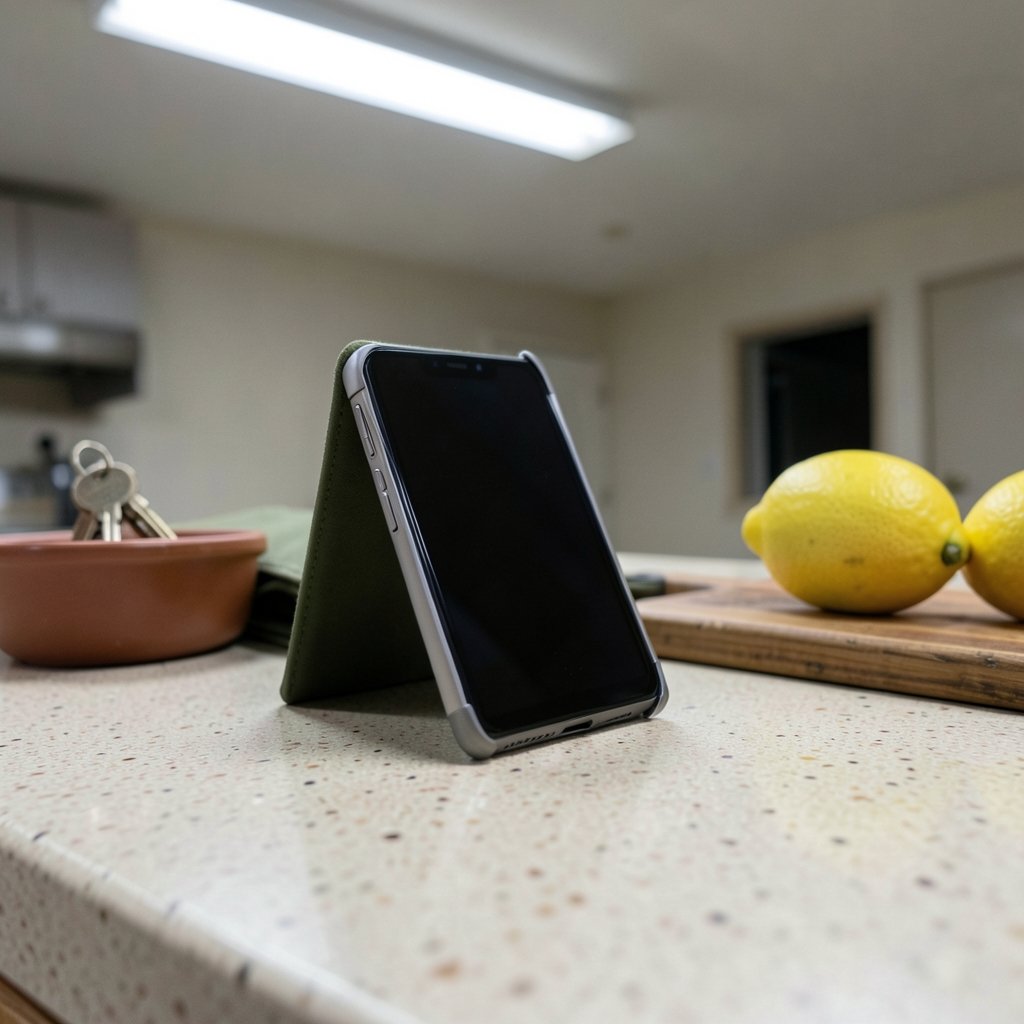
Foldable phones have crossed a quiet threshold. What began as a $2,000 science experiment with visible creases and fragile hinges is now a mature product category with real competition, real durability ratings, and prices that no longer require a second mortgage. The global foldable market has been growing at a double-digit clip for several years running, and 2026 is the year the form factor stops being a novelty and starts being a sensible choice for a certain kind of buyer. (Foldable smartphone)
That buyer is not everyone. Foldables still trade battery life, repairability, and camera parity for the folding screen. But if the appeal of a pocketable tablet or a phone that becomes its own tripod speaks to you, this guide will help you cut through the marketing noise. It covers what actually matters in 2026, where the category still stumbles, and how to pick a model you will not regret eighteen months from now.
What Actually Changed in 2026
The headline story of 2026 is not a single phone. It is the normalization of the category. Book-style foldables (the ones that open like a book into a small tablet) and flip-style foldables (the ones that fold down into a square) now sit in distinct price tiers, and both have absorbed lessons from earlier generations.
Three shifts stand out:
Hinges got boring, in the best way. Water-drop hinge designs that let the screen fold gently rather than sharply have spread from premium flagships down to mid-range models. Fewer sharp creases, less stress on the display, longer lifespan.
Dust resistance has arrived. For years, foldables carried an IPX8 rating, with the “X” meaning no dust protection at all. That gap has narrowed, and a foldable with a dust rating is now a reasonable expectation rather than a fantasy.
Software caught up. Multi-window multitasking, app continuity between the cover and inner screens, and proper taskbar behavior are now table stakes. The days of apps awkwardly stretching across a folding display are mostly behind us.
How to Choose: The Four Decisions That Matter
Before model names, decide on these four things. They will eliminate most of the market for you and make the final choice much easier.
1. Book-style or flip-style?
| Factor | Book-style | Flip-style |
|---|---|---|
| Main screen | 7–8 inches, tablet-like | 6.5–7 inches, standard phone size |
| Closed footprint | Tall and narrow | Small square, pocket-friendly |
| Best for | Multitasking, reading, video | Portability, one-handed use, selfies |
| Typical battery | Larger cell, longer runtime | Smaller cell, more charging anxiety |
| Price tier | Higher | Lower |
If you want a phone that replaces a tablet for reading and split-screen work, go book-style. If you want a normal-sized phone that disappears into a small pocket, go flip-style. This single decision matters more than any spec sheet.
2. How much crease can you tolerate?
Every foldable has a crease. The question is whether you notice it in daily use. In practice, most owners stop seeing it within a week, especially on models with a water-drop hinge and a matte inner coating. But if you are the kind of person who runs a fingernail across a screen, buy in person or accept that you will be annoyed. The crease is a tactile issue, not a visual one for most people.
3. What is your battery floor?
Foldables are power-hungry because they drive a large inner display. A book-style foldable with a 4,400mAh cell can feel thinner on endurance than a 5,000mAh slab phone. If you are a heavy user, prioritize models with larger cells and faster charging, and expect to top up during the day.
4. How long will you keep it?
This is the most overlooked question. Foldables are harder and more expensive to repair than slab phones. A screen replacement can cost a large fraction of the phone’s price. Check the manufacturer’s promised years of OS and security updates and whether accidental-damage coverage is available in your region. A foldable you keep for five years needs a support commitment to match.
Practical Tips That Save Regret
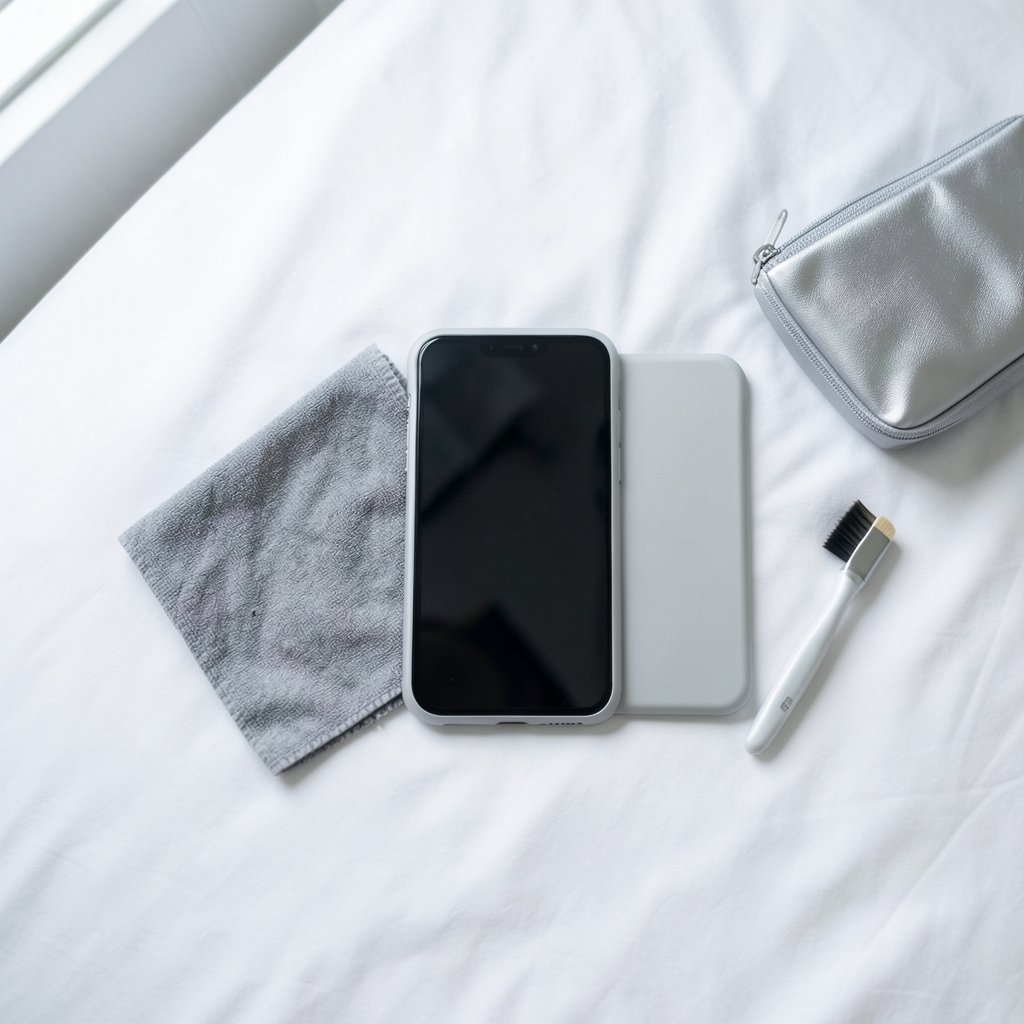
Buy the case. Yes, it ruins the design. It also protects a hinge assembly that costs real money to fix. Most foldable owners who skip the case regret it after the first drop.
Do not peel the inner screen protector. Many foldables ship with a factory-applied film on the inner display. Removing it can damage the panel. If it bubbles, have it replaced professionally.
Keep grit away from the hinge. Foldables are more tolerant of dust than they used to be, but sand and pocket lint are still the enemy. A quick wipe before folding goes a long way.
Test the fold in the store. Open and close the demo unit a dozen times. Listen for grinding. Check that it opens flat. A hinge that feels loose on day one is a warning sign.
Check regional model differences. The same name can hide different chipsets, battery sizes, and even camera hardware depending on region. If you are comparing the best phones 2026 has to offer, verify the exact model number for your market before you buy.
Where Foldables Still Fall Short
Honesty matters here. Even the best foldables in 2026 carry compromises.
Camera parity is close but not complete. Foldable cameras have improved dramatically, but the very best camera phones still tend to be slab devices with more room for large sensors and periscope lenses. If photography is your top priority, a foldable is a good camera phone, not always the best one. Shoppers who weight imaging heavily should cross-reference a dedicated best camera phone 2026 roundup before committing.
Repairability is a work in progress. Hinges and folding panels are complex. Repair costs remain high, and third-party repair options are thinner than for slab phones. Buy from a manufacturer with a strong service network in your country.
Resale value is softer. Foldables depreciate faster than flagship slab phones because the buyer pool is smaller and condition concerns are higher. If you upgrade every year, factor that in.
Weight and thickness. A book-style foldable is still a chunky object when closed. It is not a dealbreaker, but it is a daily reality.
Matching the Phone to the Person
The “best” foldable depends entirely on who is holding it. Here is how the decision shakes out for common buyer types.
The multitasker. Wants split-screen email and calendar, a taskbar, and a big inner display. Book-style, larger battery, stylus support if available. Prioritize software maturity over camera specs.
The pocket-first user. Wants a normal phone that folds small. Flip-style, with a useful cover screen that handles notifications and quick replies without opening the device. Cover-screen quality is the single most important spec here.
The budget-conscious adopter. Wants the folding experience without flagship pricing. Mid-range foldables have improved enormously, but check the update commitment carefully, since cheaper models often get shorter support windows. A broad best phone to buy 2026 expert picks for every budget comparison is a useful sanity check on value.
The enthusiast. Wants the thinnest, lightest, most refined hinge on the market and does not mind paying for it. Book-style flagship, latest chipset, best inner display.
The Android Question
Almost every foldable on the market runs Android. Apple has not shipped a folding iPhone, and buyers who want one are still waiting. That means foldable shopping is effectively Android shopping, and the ecosystem is broad: Samsung, Google, Motorola, Honor, Oppo, Vivo, Xiaomi, and Huawei all field folding devices, with availability varying sharply by region.
If you are weighing a foldable against a conventional flagship, it helps to compare it against the broader field of best android phones 2026 has to offer. Many slab flagships now match foldables on camera and battery while undercutting them on price. The foldable premium buys you the form factor, not necessarily better internals.
For a wider view of the market, a best smartphones 2026 overview is a good starting point before narrowing to folding designs. And if you are comparing within Android specifically, a focused best android phone 2026 shortlist will show you exactly what the foldable premium costs you in raw specs.
A Note on Collectors and Rarity
Foldables have also spawned a small collector culture. Limited editions, unusual colorways, and early-generation models in pristine condition have started to attract interest. The most extreme example making the rounds is the story of a Dubai collector with 53 iPhones and two iPhone duos at Dubai Mall in 2026, a reminder that phone collecting has become a genuine hobby. For most buyers, though, the practical takeaway is simpler: foldables are tools, and the best one is the one you will actually use every day.
Common Mistakes to Avoid
Buying on launch-day hype. First-generation hinge designs and early software builds often need a patch or two. Waiting a few months usually means better firmware and occasionally a price drop.
Ignoring the cover screen. On flip phones, the cover screen is where you will spend most of your quick-interaction time. A tiny, limited cover display makes the phone feel like a chore.
Skipping insurance. Given repair costs, accidental-damage coverage is close to essential for foldable owners. Price it in before you compare sticker prices.
Assuming the crease will bother you. Most people adapt within days. Do not let a store-demo first impression decide a multi-year purchase.
Forgetting the charger and case in the budget. Foldables often ship without a charger in the box, and a good case is not cheap. Add both to your real cost.
Conclusion
The best foldable phone in 2026 is not a single model. It is a match between a form factor and a person. Book-style foldables reward anyone who wants a pocket tablet for reading, email, and split-screen work. Flip-style foldables reward anyone who values a small footprint and a quick-glance cover screen. Both have matured enough that the old warnings about fragile hinges and unusable creases no longer apply with the same force.
What has not changed is the trade-off. You are still paying a premium for a folding screen, and you are still accepting softer camera performance, higher repair costs, and faster depreciation than a conventional flagship. If those trade-offs are acceptable, a foldable is now a genuinely practical daily driver. If they are not, a slab flagship will serve you better and cost you less.
The smartest approach is unglamorous: decide book or flip first, verify the exact regional model, check the update commitment, budget for a case and insurance, and buy after the first software patch rather than on launch day. Do that, and the foldable you choose will feel less like an experiment and more like the phone you wanted all along.
Frequently Asked Questions
Are foldable phones durable enough for daily use in 2026?
Yes, for most people. Hinges have improved substantially, water-drop designs reduce stress on the display, and dust resistance has become far more common. The main caveat is that repairs remain expensive, so a case and accidental-damage coverage are worth budgeting for.
Do foldable phones still have a visible crease?
They do, but it is far less pronounced than in early generations. Most owners stop noticing it within a week of regular use. It is more of a tactile sensation than a visual distraction, and matte inner coatings have reduced glare along the fold line. (The Verge)
Is a flip or book-style foldable better for most people?
It depends on how you use your phone. Flip-style suits people who prioritize pocketability and quick cover-screen interactions. Book-style suits people who want a tablet-sized inner display for multitasking, reading, and video. Decide this before comparing any specs.
How much more do foldables cost to repair than regular phones?
Meaningfully more, particularly for inner screen and hinge work. Exact costs vary by model and region, so check the manufacturer’s out-of-warranty repair pricing for your country before buying. This is the single strongest argument for buying accidental-damage coverage.
Do foldables get the same software update support as flagship slab phones?
Support windows vary widely by manufacturer and price tier. Premium foldables generally receive multi-year update commitments comparable to flagship slab phones, while cheaper models often get shorter windows. Always verify the specific promise for the exact model you are considering.
Will there be a folding iPhone?
As of 2026, Apple has not released a folding iPhone, so foldable shopping remains an Android-only exercise. Buyers who prefer iOS currently have no folding option and should weigh whether the form factor is worth switching ecosystems for.



