
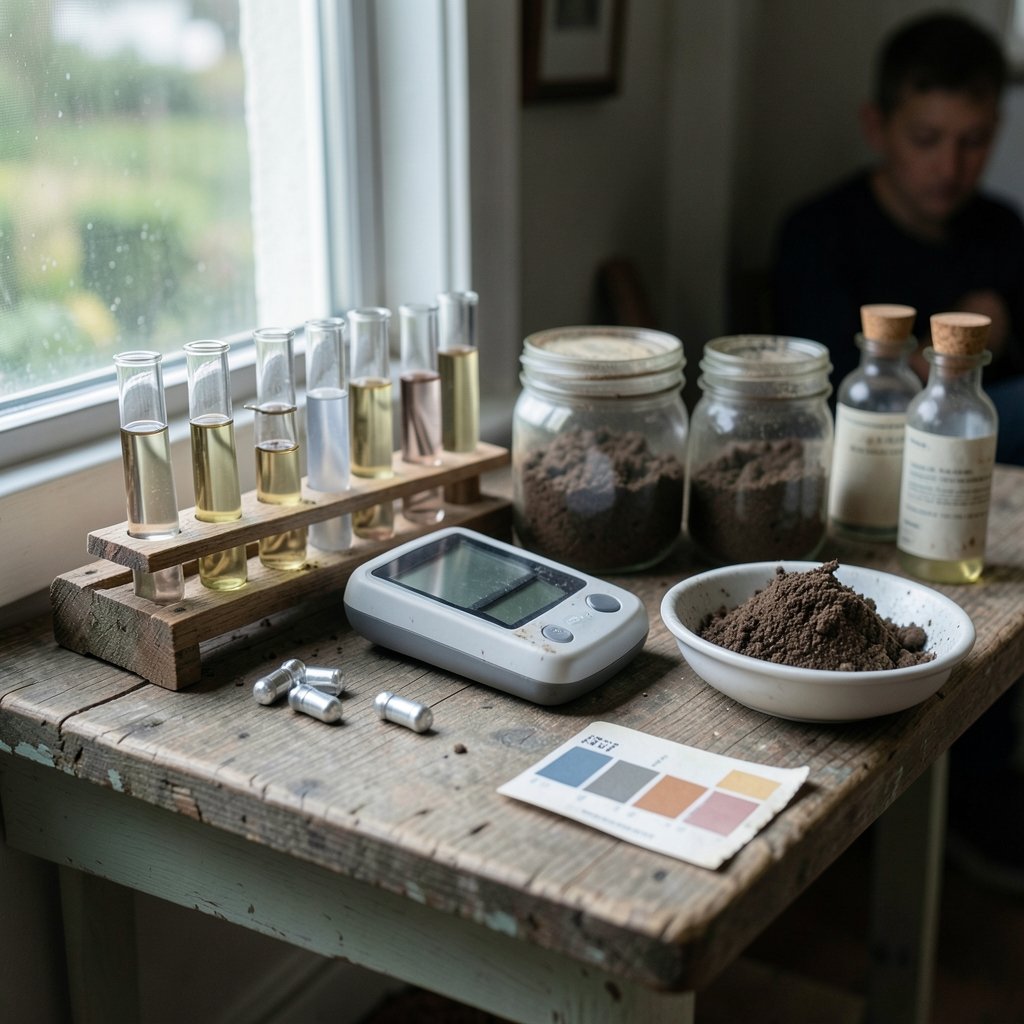
What if the little box you bought to test your soil is quietly lying to you? That is not a scare tactic. It is the everyday reality of home soil testing, where a $15 kit, a $200 meter, and a $30 lab test can give three different answers about the same scoop of dirt. A soil testing kits comparison only becomes useful once you understand what each type can and cannot measure, and where the cheap options fall apart.
This guide walks through the main categories of kits, what they measure well, what they get wrong, and how to decide which one earns a spot in your shed. No hype, no brand worship, just the practical differences that matter.
What Home Soil Kits Actually Measure
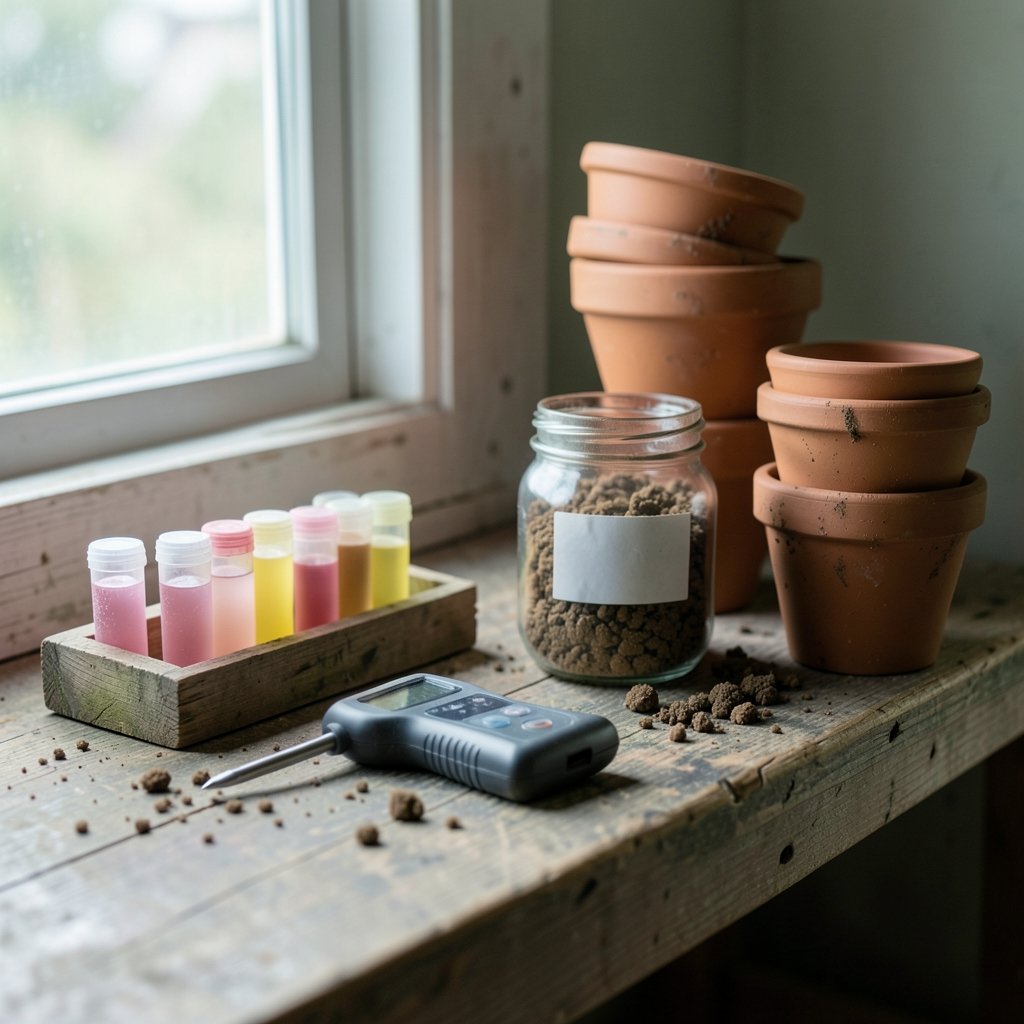
Most consumer kits focus on three things: plant-available macronutrients (nitrogen, phosphorus, potassium, often shortened to N-P-K), pH, and sometimes organic matter. That short list covers a lot of ground, but each item comes with caveats.
Nitrogen is the weakest link. Nitrate and ammonium move quickly through soil with water and shift with temperature, so a reading taken on Tuesday may not describe the same bed by Friday. Phosphorus and potassium are more stable, which makes them better candidates for a quick home check.
pH is arguably the most important number in the box. It controls how available nutrients are to roots. A soil at pH 5.5 and the same soil at pH 7.0 will feed plants very differently even if the N-P-K numbers match.
The Four Main Types of Soil Test Kit
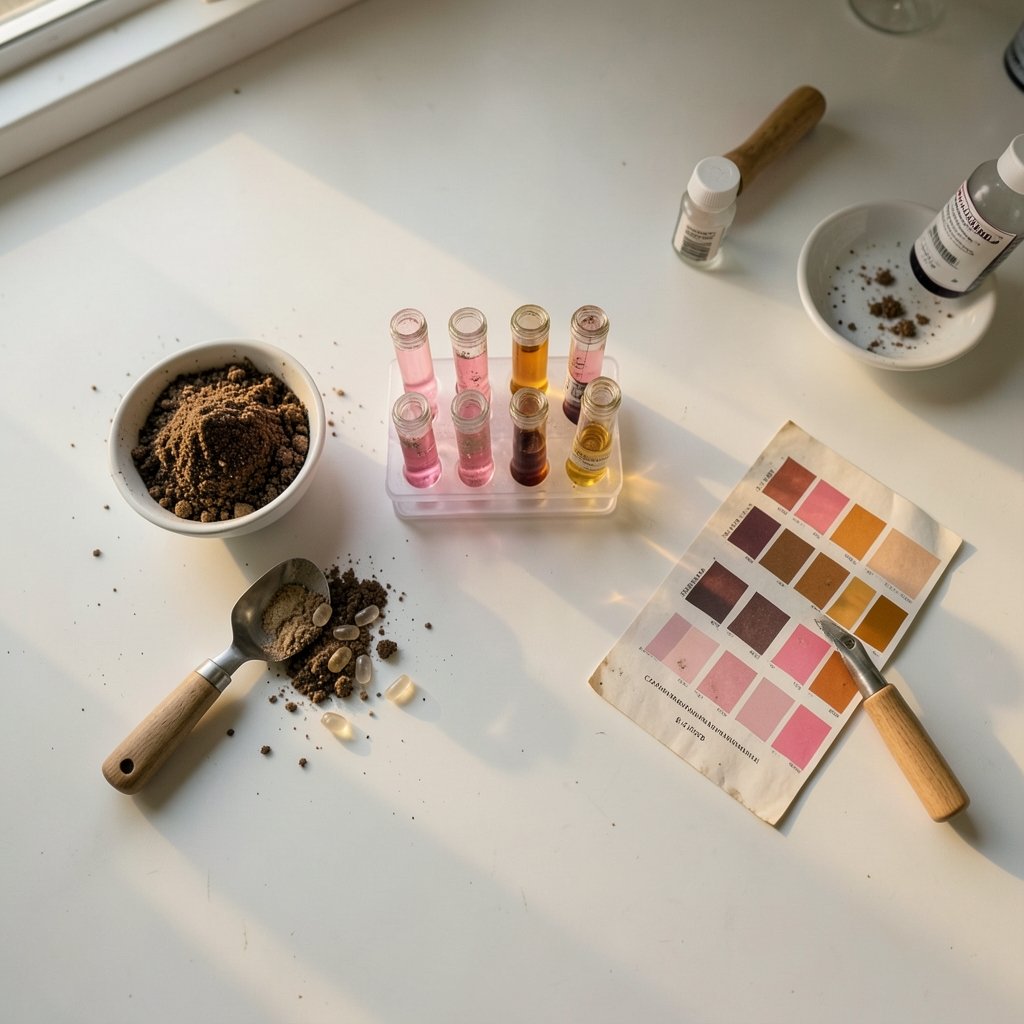
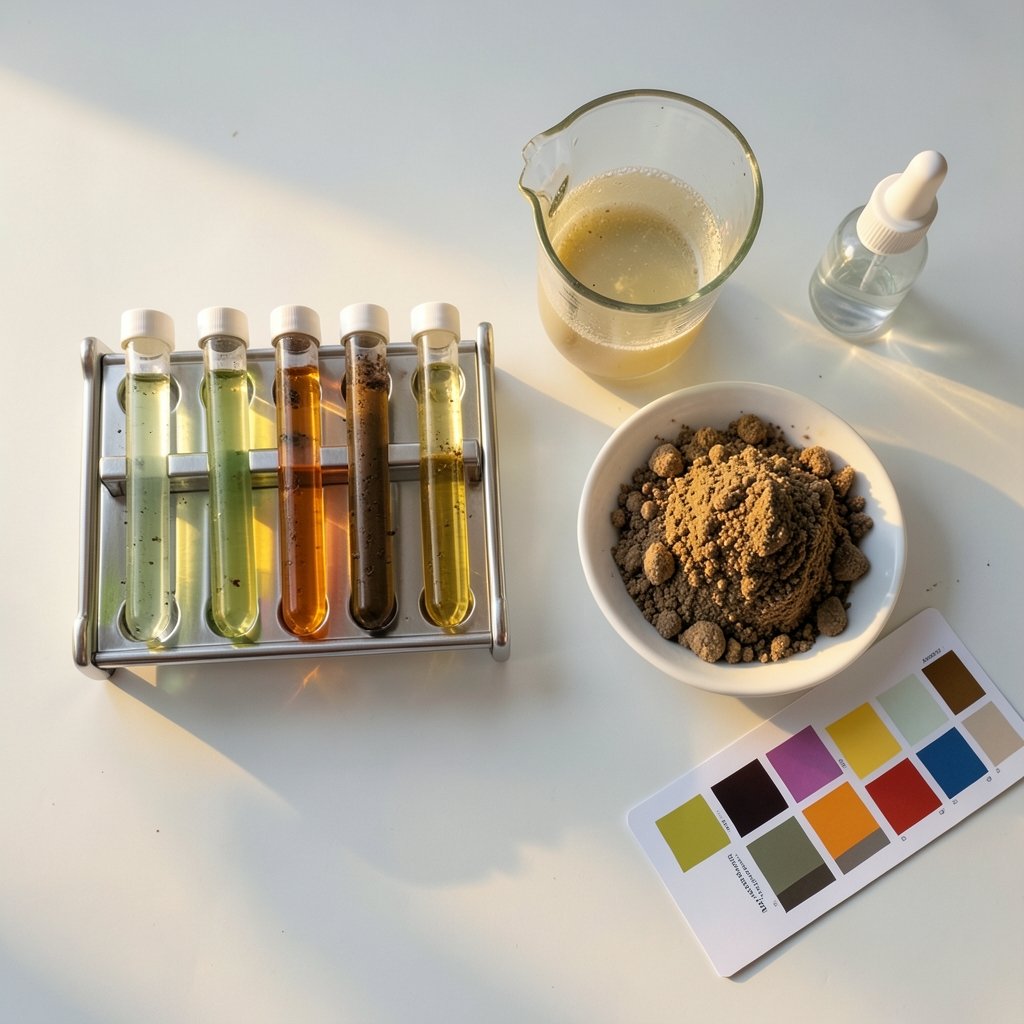
Before comparing brands, compare formats. Almost every kit on the market falls into one of four buckets, and each has a distinct personality.
| Kit type | What it measures | Typical accuracy | Best for |
|---|---|---|---|
| Colorimetric reagent kits | N-P-K, pH | Semi-quantitative | Budget gardeners, quick trends |
| Digital meters (pH, moisture, light) | pH, moisture, sometimes light | Variable, often ±0.5 pH or worse | Fast spot checks |
| Lab mail-in tests | Full nutrient panel, pH, organic matter, micronutrients | High | Serious growers, problem soils |
| Professional field kits | N-P-K, pH, sometimes EC | Moderate to good | Repeated sampling, small farms |
Colorimetric Reagent Kits
These are the classic capsules and test tubes. You mix soil with a solution, add a reagent, shake, and compare the resulting color against a printed card. They are cheap, widely available, and surprisingly educational.
The catch is that results depend on light, the user’s color vision, and timing. Match the color under kitchen lighting and you may read a different value than you would outdoors at noon. Treat colorimetric kits as semi-quantitative: good for spotting big imbalances, poor for fine-tuning fertilizer doses.
A useful reference for interpreting this kind of test is the long-running LaMotte Soil Handbook, which many extension offices still point to for reading color cards correctly.
Digital Meters
Handheld meters promise push-button answers for pH and moisture. They are convenient, but the pH side is where quality varies enormously. Consumer pH strips and budget meters are typically coarser than lab-grade equipment, often off by half a pH point or more.
Practical tip: calibrate any pH meter before trusting it, and recheck it mid-season. A meter that drifts is worse than no meter, because it gives you false confidence.
Lab Mail-In Tests
University extension services and commercial labs run proper extraction and analysis. These tests are generally more accurate than home kits for N-P-K and pH, and they often include micronutrients and organic matter that no capsule kit can touch. The trade-off is time, typically a week or two, and a slightly higher price.
If you are diagnosing a stubborn problem, a lab test is usually the cheapest path to a real answer. Paying twice for guesswork is rarely a bargain. The same logic applies in software work, where skipping proper testing up front costs more later; the piece on outsourcing software testing worth it small business makes a similar case for doing diagnostics properly the first time.
Professional Field Kits
These sit between home kits and labs. They use better reagents, tighter color charts, and sturdier gear. They suit people sampling multiple beds or small plots repeatedly. For a single backyard, they are usually overkill.
Where Cheap Kits Quietly Fail
Three failure modes show up again and again in real use.
Sampling error. Most people dig one scoop from one spot. Soil varies across a single garden bed, let alone a whole yard. A proper sample mixes several cores from the same area. Skip this and even a perfect lab test gives nonsense.
Contamination. Hands, tools, and tap water can all skew results. Rinse tools with distilled water, use clean gloves, and avoid sampling right after fertilizing.
Reading error. Color cards are easy to misread. Two people looking at the same tube often disagree. If precision matters, have a second person check the match, or use a kit with a digital reader.
None of these are reasons to skip testing. They are reasons to test carefully.
How to Compare Kits Before You Buy
A smart comparison goes beyond the price tag. Use these criteria as a checklist.
- What does it measure? A kit that only reads pH is fine if pH is your question. If you want N-P-K, confirm all three are included.
- How many tests per kit? A $20 kit with four tests costs $5 per test. A $30 kit with 40 tests costs less than a dollar. Do the math per sample.
- Is the method colorimetric or digital? Digital readers remove some human error but add calibration chores.
- Does it include clear instructions for sampling depth and mixing? Vague guidance is a red flag.
- Is there a reference chart for interpreting results? Numbers without context help nobody.
- What is the shelf life of the reagents? Old reagents give bad readings. Check dates before buying.
If you are building a broader testing routine, the same discipline that applies to digital systems applies here: define what you are checking, then pick tools that actually catch problems. A guide on how to set up api security testing that actually catches real flaws makes the point well for software; the principle of testing against real conditions transfers neatly to soil.
Free Data You Should Check First
Before spending anything, pull the free official soil maps for your location. The USDA Natural Resources Conservation Service runs the Web Soil Survey, which gives soil types and properties by address. It will not tell you today’s nitrate level, but it will tell you what kind of soil you are working with, its drainage behavior, and its typical pH range. That baseline often answers half your questions for free.
For a deeper view of soil health beyond nutrients, the Cornell Comprehensive Assessment of Soil Health framework defines lab indicators such as aggregate stability and active carbon. Home kits generally do not replicate these measurements, which is worth knowing before you expect a capsule test to describe overall soil health.
Matching the Kit to the Job
Different goals call for different tools. A rough map of common scenarios:
| Your goal | Sensible choice |
|---|---|
| First-ever soil check on a new garden | Free soil survey plus one lab test |
| Quick pH check before planting | Decent digital meter or pH strips |
| Tracking N-P-K trends across a season | Colorimetric kit with multiple tests |
| Diagnosing yellowing, stunting, or poor yields | Lab mail-in test |
| Managing several beds or a small farm | Professional field kit plus periodic lab tests |
A common mistake is buying the fanciest kit available when a free map and one lab test would have answered the question. The opposite mistake is trusting a $10 meter to guide a hundred dollars of fertilizer.
Practical Tips That Actually Work
Sample at the right depth. For lawns and beds, aim for the top 6 inches. For trees and shrubs, go deeper. Mix several cores in a clean bucket and test the combined sample.
Test at consistent times. Early season and mid-season readings are more comparable than random checks after rain.
Keep a log. Write down dates, locations, and readings. Patterns emerge fast, and patterns are what guide decisions.
Retest after big changes. Adding lime, compost, or a new fertilizer blend changes the picture. Give it a few weeks, then check again.
Do not chase perfect numbers. Soil is a living system, not a spreadsheet. Aim for healthy ranges, not decimal-point precision.
Budget planning matters too. It helps to know what testing really costs before committing, and a breakdown of api security testing pricing explained you actually pay shows how hidden costs pile up in service work; soil testing has the same trap with shipping, retests, and reagent refills.
Conclusion
A soil testing kits comparison comes down to one honest question: what do you need to know, and how precise does the answer have to be? Colorimetric kits are cheap and educational but semi-quantitative. Digital meters are fast but often coarse on pH. Lab tests cost more and take longer, yet they deliver accuracy that home kits cannot match. The smartest approach is usually layered: start with free official soil data, add one lab test as a baseline, and use a home kit for quick seasonal checks between lab runs. Test carefully, sample widely, and keep notes. Your soil will tell you what it needs, as long as you ask it properly.
Frequently Asked Questions
Are cheap soil testing kits accurate enough to trust?
For pH and big nutrient imbalances, yes, roughly. For fine-tuning fertilizer doses, no. Colorimetric kits are semi-quantitative at best, and results shift with lighting, timing, and the user’s color vision. Treat them as trend spotters rather than precision instruments.
How often should I test my soil?
Twice a year works well for most gardens: once before the growing season and once mid-season. Retest after major amendments like lime or compost. If you are diagnosing a specific problem, test right away rather than waiting for the calendar.
Is a lab test worth the extra cost over a home kit?
Usually yes, especially for a first baseline or when plants are struggling. Lab tests are generally more accurate for N-P-K and pH and often include organic matter and micronutrients. One good lab test can save multiple seasons of guesswork and wasted fertilizer.
Can I test soil with a digital pH meter alone?
You can, but you will only learn about pH. Nutrients, organic matter, and soil structure stay a mystery. A meter is a useful supplement, not a complete testing strategy. Calibrate it regularly, because budget meters drift.
Why do my home test results differ from a lab report?
Sampling is the usual culprit. A single scoop from one spot rarely represents a whole bed. Labs also use different extraction methods, so absolute numbers can differ even with perfect sampling. Compare trends within the same method rather than across methods.
Do I need to test soil before adding fertilizer?
Yes, and this is where most money is wasted. Adding fertilizer without knowing what is already there often creates imbalances, especially excess phosphorus. A quick pH and N-P-K check before feeding pays for itself fast.
One last consideration: reagent freshness. Capsule and strip kits degrade with heat and humidity, so store them sealed and cool, and replace expired stock rather than trusting a faded color chart. Buy from sellers with visible lot dates, and avoid kits that have sat on a sunny shelf. When results look strange, a fresh reagent is the first thing to rule out. With that covered, you have everything needed to choose sensibly and test with confidence.



