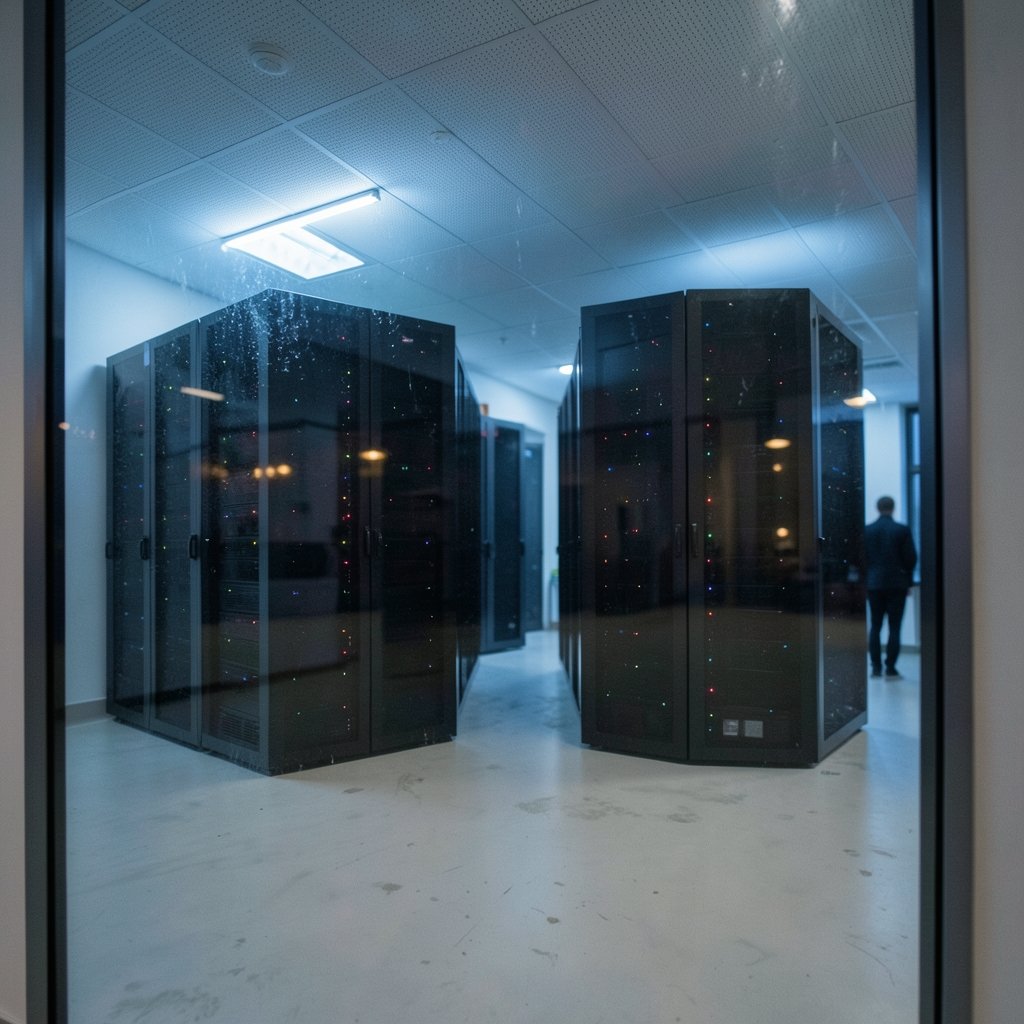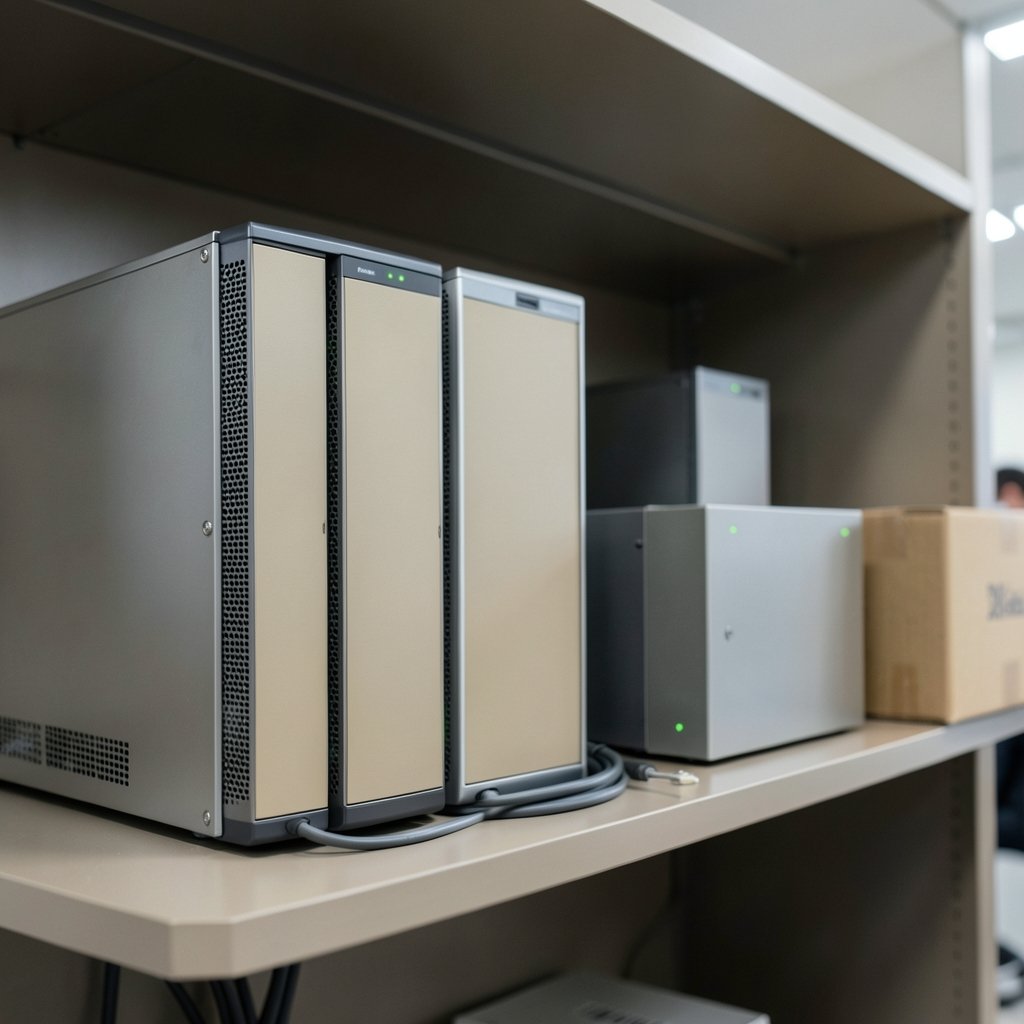
Toyota has said it aims to put solid-state batteries in production vehicles by 2027 or 2028, and that single promise has done more to shape headlines than any lab result in the past decade. Yet most electric cars on the road today still run on ordinary lithium-ion packs, and they will for years to come. So what is the real difference between solid-state batteries and lithium-ion batteries, and why does the gap between them matter so much? (States and Capitals Game: Test Your State Knowledge) (Solid-state battery)
The Core Difference in One Sentence
A lithium-ion cell moves lithium ions back and forth between two electrodes through a liquid or gel electrolyte. A solid-state cell does the same job but swaps that wet electrolyte for a solid material, usually a ceramic, a polymer, or a glass-like sulfide or oxide compound.
That swap sounds small. It is not. The electrolyte is the part of the battery that carries ions between the anode and cathode, and changing it changes almost everything else: safety, energy density, temperature behavior, manufacturing, and cost.
How Lithium-Ion Became the Default
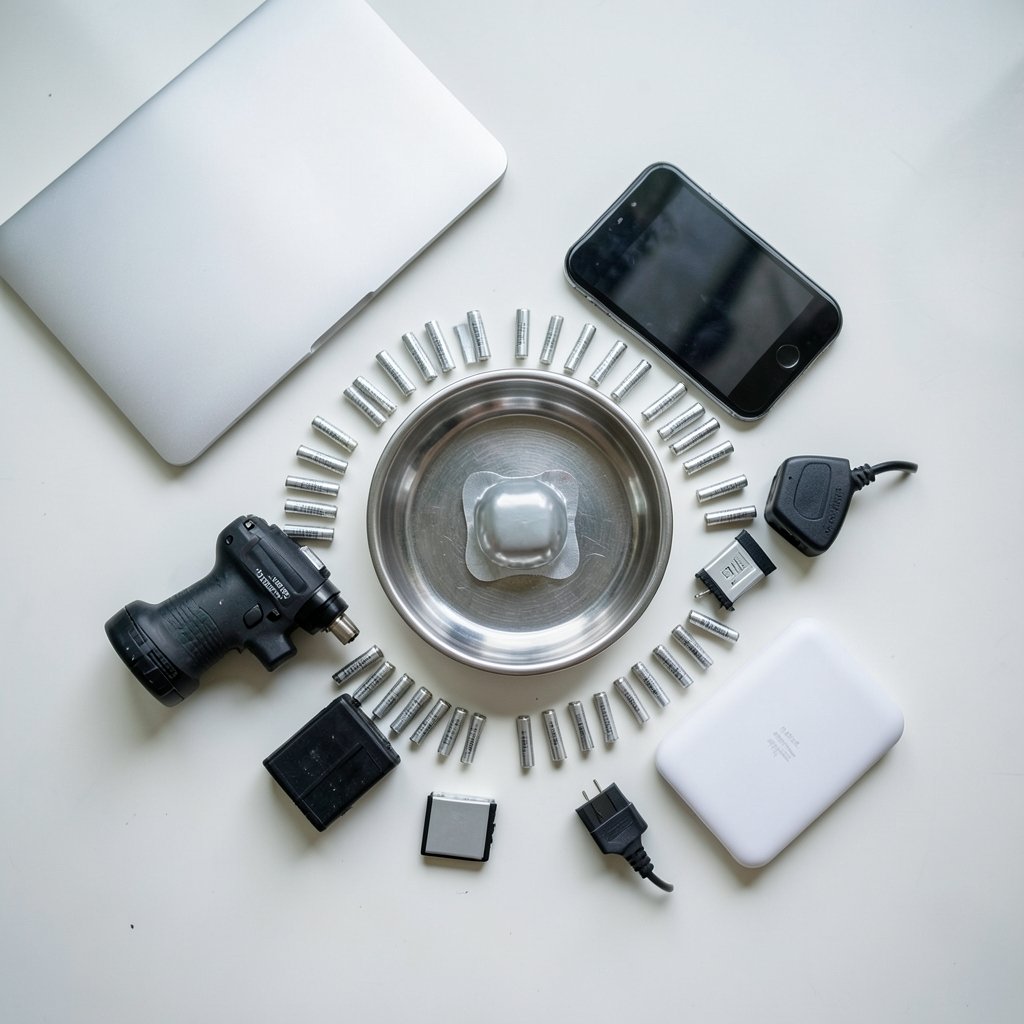
Lithium-ion chemistry earned its place through decades of scale. It powers phones, laptops, power tools, and most electric vehicles because it hits a workable balance of energy, cost, and lifespan, and because factories that make it already exist by the hundreds.
The weaknesses are equally well known. The liquid electrolyte is flammable, which is why thermal runaway, the chain reaction behind battery fires, is a real engineering concern. Energy density has crept upward but is approaching practical limits for common chemistries. And fast charging stresses the cell, shortening its life if done carelessly. (Commercial Real Estate Listings for Sale: Property Types)
What Solid-State Promises
Higher Energy Density
Solid electrolytes are widely projected to support energy densities in the range of 400 to 500 watt-hours per kilogram, compared with roughly 250 to 300 for many current lithium-ion packs. Treat those numbers as targets and laboratory results, not shipping specifications. Chemistry, cell design, and pack engineering all move the final figure.
Better Safety Margins
Removing a flammable liquid electrolyte is expected to reduce the risk of thermal runaway. That expectation is reasonable but often oversold. Some solid electrolytes, particularly sulfide-based ones, react badly with moisture, and problems at the interface between electrode and electrolyte can still cause failures. “Solid-state” does not automatically mean “cannot catch fire.”
The Lithium-Metal Anode
The biggest prize is the ability to use a lithium-metal anode instead of graphite. Lithium metal stores far more energy per unit of weight, but in a liquid cell it tends to form dendrites, needle-like growths that can pierce the separator and short the cell. A stiff solid electrolyte is supposed to block them. In practice, dendrites can still form along grain boundaries and at defects, which is one of the field’s hardest unsolved problems.
Where Solid-State Still Struggles
The Interface Problem
Every contact point between a solid electrode and a solid electrolyte is a place where resistance builds and where mechanical stress accumulates as the cell charges and discharges. Silicon and lithium-metal anodes swell and shrink during cycling, and a rigid interface does not forgive that movement easily. Engineers spend enormous effort on coatings, pressure management, and stack design to keep that contact intact.
Manufacturing Maturity
Lithium-ion has decades of scaled production behind it. Solid-state has pilot lines. Toyota, QuantumScape, Samsung SDI, and Solid Power have all announced timelines, and those timelines have slipped repeatedly. Building a new production process for ceramic or sulfide electrolytes is not a tweak to an existing factory; it is a different factory.
Cost
New materials and unproven processes mean higher cost per kilowatt-hour at first. History suggests costs fall with volume, but the starting point for solid-state is well above today’s lithium-ion.
Cold Weather
Solid electrolytes generally conduct ions less easily at low temperatures. A solid-state pack that performs beautifully at 25°C may need careful thermal management to behave in a Minnesota January.
Side-by-Side Comparison
| Feature | Lithium-Ion | Solid-State |
|---|---|---|
| Electrolyte | Liquid or gel | Solid ceramic, polymer, or glass |
| Typical energy density | ~250–300 Wh/kg | Projected 400–500 Wh/kg (targets) |
| Fire risk | Flammable electrolyte | Lower, but not zero |
| Anode options | Mostly graphite | Lithium metal possible |
| Manufacturing scale | Mass production, decades mature | Pilot lines, limited volume |
| Cost today | Relatively low per kWh | Higher, uncertain at scale |
| Cold-weather behavior | Well understood | Generally weaker, needs management |
| Availability to buyers | Everywhere | Announcements, not showrooms |
The Marketing Trap: What Counts as “Solid-State”?
Here is a practical warning worth more than any spec sheet. Some products marketed as solid-state use semi-solid or gel electrolytes, or a small amount of liquid alongside a solid component. That is a legitimate engineering step, but it is not the same thing as a fully solid cell.
When reading a press release, look for three things: the word “pilot” versus “mass production,” whether the energy density figure is a cell-level or pack-level number, and whether the chemistry is described specifically. Vague claims deserve skepticism. This is the same discipline that helps when you separate useful signal from noise in any technical claim, whether you are comparing battery chemistry or evaluating how two facts relate in a research summary. (Bioware closure three statements mass effect future 2026)
What Actually Works in Practice Right Now
For anyone buying an electric vehicle in the next few years, lithium-ion remains the realistic choice, and modern packs are better than their reputation suggests. Practical habits matter more than chemistry:
- Keep the battery in its comfortable middle range, roughly 20 to 80 percent, for daily driving.
- Use fast charging as an occasional tool, not a default routine.
- Park in shade or a garage in extreme heat when possible.
- Precondition the battery in cold weather before fast charging.
These habits extend life on lithium-ion packs and will apply to solid-state packs too, because the underlying electrochemistry still cares about temperature and stress. Anyone tracking how technology shifts ripple into markets, from energy storage to the warehouses and charging depots built around them, has reason to watch battery timelines closely.
Hybrid Paths and the Road In Between
The most likely near-term future is not a sudden flip. Expect a mix:
- Improved lithium-ion with silicon-dominant anodes and better cell design, arriving first.
- Semi-solid cells in limited production, particularly in some Chinese vehicles.
- True solid-state in premium, low-volume models at high prices, then gradually downward.
That pattern mirrors how most battery transitions have gone. New chemistry enters at the top of the market, where buyers pay for range and prestige, and works its way down as yields improve.
Why the Timeline Keeps Sliding
Three forces slow every solid-state announcement. First, scaling a lab cell to a production cell exposes defects that small samples hide. Second, yield losses on new processes are expensive, and manufacturers will not ship at a loss. Third, the incumbent keeps improving. Every year solid-state is delayed, lithium-ion gets cheaper and better, which raises the bar the newcomer must clear.
That dynamic is familiar from other technology races, where the established option does not stand still while the challenger catches up. It is a bit like watching a geography quiz: knowing the map is only half the challenge, because the rules and the questions keep shifting.
Who Should Care, and When
If you are shopping for a car in the next two to three years, solid-state is unlikely to be relevant to your decision. Buy the best lithium-ion vehicle that fits your needs and driving patterns.
If you are a fleet operator, watch total cost of ownership rather than chemistry labels. A pack that lasts longer and charges faster can win even at a higher sticker price, but only if the charging infrastructure and duty cycles support it.
If you are an investor or an engineer, watch pilot-line yields and pack-level energy density disclosures, not concept slides. The gap between a demonstration cell and a shippable pack is where most timelines die.
The Honest Verdict
Solid-state batteries are a genuine step forward in principle, with real advantages in energy density and safety potential. They are also years from mainstream affordability, and the technical hurdles at the electrode-electrolyte interface are not marketing problems that a press release can solve. (Batteries)
Lithium-ion, meanwhile, is not standing still. It is getting better incrementally, and that incremental progress is exactly what makes the solid-state transition harder to time. The realistic expectation is a gradual blend rather than a clean break, with solid-state arriving first where range and weight matter most and price matters least.
For now, the smart move is to treat solid-state claims the way you would treat any promising technology announcement: interested, informed, and unpersuaded until the product is actually on the road.
Frequently Asked Questions
Are solid-state batteries available in cars today?
In meaningful volume, no. Several automakers have announced production targets in the late 2020s, and some limited or semi-solid designs have appeared in specific markets, but a true mass-market solid-state vehicle is not yet something a typical buyer can walk into a dealership and purchase.
Are solid-state batteries safer than lithium-ion?
Generally expected to be, because removing a flammable liquid electrolyte reduces one major fire pathway. But “safer” is not “risk-free.” Sulfide electrolytes can react with moisture, and interface failures remain possible, so safety advantages depend heavily on cell design and pack engineering.
Why are solid-state batteries so expensive?
Two reasons: materials and process. Ceramic and sulfide electrolytes cost more than conventional liquid electrolytes, and manufacturing them requires new equipment, tight humidity control, and production methods that have not yet reached high-volume efficiency. Costs should fall with scale, but the starting point is high.
Will solid-state batteries charge faster?
Faster charging is often claimed, and some designs suggest it is achievable, but it is not uniformly demonstrated at scale. Charging speed depends on ion transport through the solid electrolyte, heat management, and the charger itself, so real-world results will vary widely by vehicle.
Do solid-state batteries last longer?
Longer cycle life is plausible because solid electrolytes may resist some degradation mechanisms, but the evidence at production scale is thin. Mechanical stress and interface resistance can actually shorten life if poorly managed, so longevity will depend on execution rather than chemistry alone.
Should I wait to buy an electric car for solid-state?
For most buyers, no. Solid-state packs will likely appear first in premium models at high prices, while today’s lithium-ion vehicles keep improving and dropping in cost. Waiting several years for a technology that may arrive later than promised is usually a worse deal than buying a capable car now.
The safest expectation is convergence: lithium-ion keeps absorbing improvements, solid-state enters where its advantages justify the premium, and buyers benefit from the competition rather than from any single breakthrough. Watch the pilot lines, not the press releases, and the timeline will reveal itself.
One final note on how to read the coming years: pay attention to pack-level disclosures, warranty terms, and real-world charging curves rather than headline energy density figures. Those details are where a chemistry proves itself, and they are the same details that separate a genuine advance from a well-produced announcement. The transition will be gradual, uneven, and quieter than the marketing suggests, which is exactly what a maturing technology looks like.