

Does a matching stainless steel appliance package really pull a kitchen together, or is it just a clever way to sell four boxes at once? Walk into any big-box showroom and you will see them lined up like a band: fridge, range, dishwasher, microwave, all wearing the same brushed gray skin. The sales pitch is simple. Buy the set, get a deal, and enjoy a kitchen that looks designed instead of assembled. That pitch is partly true and partly marketing fog. This guide cuts through the fog so you can decide whether a package fits your kitchen, your budget, and the way you actually cook.
What a Stainless Steel Appliance Package Really Is
A stainless steel appliance package is a bundle of kitchen appliances sold together, usually the refrigerator, range or cooktop, dishwasher, and over-the-range microwave. Retailers group them because shoppers want a consistent look, and because a bundle moves more inventory per sale.
Here is the part worth knowing: there is no official standard that defines an “appliance package.” It is a retail and marketing concept, not a technical one. That means the finish on a refrigerator from one brand will not necessarily match the finish on a dishwasher from another, even if both say “stainless steel.” The color, sheen, and brush pattern can differ enough that you notice it across a kitchen.
So a package is really a promise about consistency. Whether that promise holds depends on which brands and finishes you mix.
What “Stainless” Actually Means on a Spec Sheet
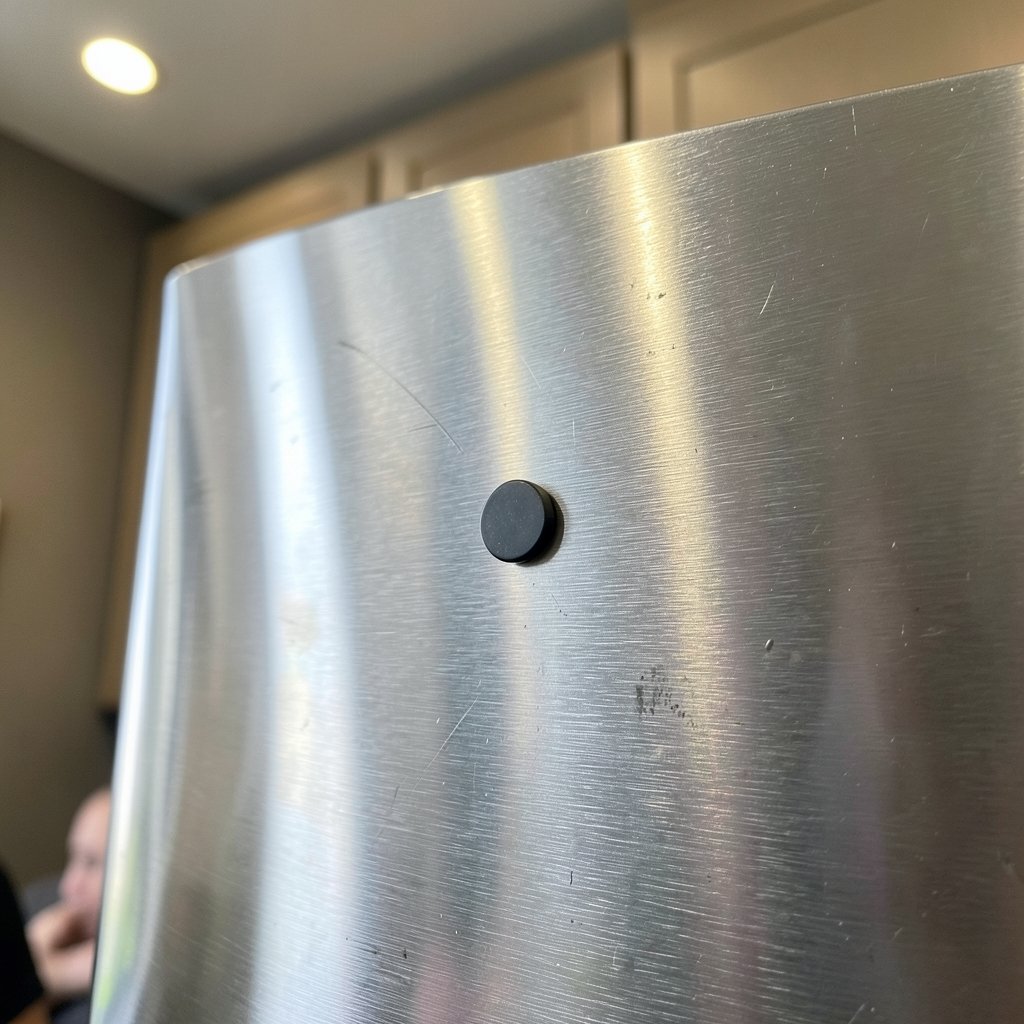
Stainless steel is an iron-based alloy with at least about 10.5% chromium. That chromium forms a thin passive oxide layer that resists rust and corrosion. The number matters because it is the common industry threshold, though exact standard wording varies.
Most kitchen appliances use one of two grades:
| Grade | Common Name | What It Is | Best For |
|---|---|---|---|
| Type 304 | 18/8 | Chromium-nickel stainless | Standard kitchens, most homes |
| Type 316 | 18/10/3 | Adds molybdenum | Coastal areas, high-salt or high-chloride settings |
| Type 430 | Ferritic | Lower-cost, magnetic grade | Budget appliances, decorative trim |
Type 304 is the workhorse. Type 316 costs more but resists pitting better when salt spray or harsh cleaners are part of daily life. Type 430 shows up in budget appliances and some trim pieces.
One common mistake: testing quality with a magnet. Magnetic attraction is not a reliable test of stainless quality. Some grades, like 430, are magnetic and still perfectly stainless. A magnet tells you about the alloy family, not the quality of the appliance.
Matching Finishes Is Harder Than It Looks
The single biggest complaint about appliance packages is finish mismatch. Two appliances can both be labeled stainless and still look different under kitchen lighting. Here is why. (Ondej sur php packages that quietly run half web)
- Brush direction and grain: A vertical grain reads different from a horizontal one.
- Base tone: Some finishes lean warm, others lean cool gray.
- Coatings: “Fingerprint-resistant” finishes are usually a clear polymer or thin oxide coating over brushed stainless. Durability claims vary by manufacturer and are not standardized, so treat them as marketing until proven otherwise.
- Trim and handles: Black stainless, slate, and matte finishes are coatings or wraps, not bare metal. They age differently.
The practical fix is boring but effective: see the appliances side by side in person, ideally under lighting similar to your kitchen. Photos on a product page are color-corrected. Your kitchen is not.
If you are mixing brands, buy the two most visible pieces, the fridge and range, from the same line and finish family. The dishwasher and microwave are lower and less noticed, so small differences hide better there.
Where Stainless Earns Its Keep, and Where It Doesn’t
Stainless has real advantages. It resists corrosion, handles heat, and cleans up well with the right method. It also looks professional and hides smudges better than glossy black or white in some lighting.
But stainless is not self-cleaning magic. It shows fingerprints, water spots, and streaks if you clean it wrong. The most common mistakes:
- Spraying cleaner directly on the surface. Overspray runs into seams and electronics.
- Using chloride-based cleaners or bleach. Chlorides can attack the passive layer and cause pitting over time.
- Scrubbing with steel wool. It leaves scratches and can leave iron particles that rust.
- Wiping in circles. Circular wiping smears oils into the grain.
The better routine is simple: mild dish soap and warm water, a soft microfiber cloth, and wiping with the grain. Dry immediately to avoid water spots. If you want the full method, this guide on how to clean stainless steel so it stays streak free rust free walks through it step by step. And if a scratch or dull patch has already appeared, the technique for how to polish stainless steel without wrecking finish matters more than the product you buy.
Real-World Tips That Save Money and Regret
These are the things people learn after the delivery truck leaves.
- Measure the opening, not the old appliance. Add an inch of clearance for doors, hinges, and ventilation. A fridge that fits the gap can still fail to open past a wall.
- Check door swing and handle depth. French-door fridges need side clearance. A range with a thick handle may block a drawer.
- Confirm the electrical and gas setup. A package deal does not change your outlet type, breaker size, or gas line.
- Ask about delivery and haul-away. Package pricing often excludes installation and removal of the old units.
- Read the warranty per appliance, not per bundle. Coverage lengths differ inside the same package.
- Buy the finish you can touch. Order a sample or visit a showroom. Do not trust a screen.
One more practical note: appliance efficiency is regulated separately from finish. In the U.S., ENERGY STAR ratings and Department of Energy standards apply to how much energy and water an appliance uses, not how it looks. A beautiful package with poor efficiency ratings will cost you every month.
The Package Versus Piecemeal Decision
Should you buy the bundle or shop one appliance at a time? It depends on what you value.
| Factor | Appliance Package | Buying Separately |
|---|---|---|
| Upfront price | Usually lower per unit | Higher per unit |
| Finish consistency | Strong if same brand and line | Risky unless you verify in person |
| Choice of features | Limited to bundled models | Full range, best-in-class per category |
| Delivery and setup | Often coordinated | You manage each delivery |
| Warranty terms | Varies per item | You compare each one |
| Upgrade flexibility | Tied to the bundle | Swap one appliance anytime |
The balanced answer: a package wins when your priority is a cohesive look at a lower total price and you are happy with the bundled models. Buying separately wins when one appliance matters far more than the others. Many serious cooks, for example, want a specific range and will accept a mismatched dishwasher to get it.
How to Evaluate a Package Before You Buy
Use a short checklist and you will avoid most surprises.
- List the exact model numbers. Packages sometimes swap in a lower-tier model that looks similar.
- Compare the finish name and code. “Stainless steel” is not a single color.
- Check the grade if it is disclosed. Type 304 is the safe default for most homes.
- Look at the energy and water ratings. These affect long-term cost more than the bundle discount.
- Read reviews for the specific models, not the brand overall.
- Confirm the return window for each appliance, rather than only the package.
If the salesperson cannot give you model numbers and finish codes, that is your answer.
Sustainability and the Long View
Stainless steel is highly recyclable, and new stainless often contains a significant share of recycled content, though exact figures vary widely by grade and region. That is a genuine point in its favor. A stainless appliance that lasts fifteen years and gets recycled at the end has a better story than a plastic-heavy unit that fails in five.
The catch is that longevity depends on care. Chloride cleaners, steel wool, and neglect shorten the life of the finish even when the metal underneath is fine. Treat the surface well and it will outlast the trends around it.
Common Myths Worth Retiring
- “Stainless never rusts.” It resists rust, but chlorides, salt, and standing water can still cause spots and pitting.
- “A magnet proves it is real stainless.” False. Some stainless grades are magnetic.
- “All stainless finishes match.” False. Finish families differ across brands and even across lines within a brand.
- “The package price is always the best deal.” Sometimes. Compare per-unit prices and factor in delivery and installation.
- “Fingerprint-resistant means no maintenance.” It reduces smudges. It does not eliminate cleaning.
Conclusion
A stainless steel appliance package is a smart buy when you want a coordinated look, a lower total price, and you have verified that the finish and models actually match. It is a poor buy when you assume “stainless” means identical, skip the model numbers, or let a bundle discount override efficiency ratings and fit. The metal itself is durable and recyclable, and with mild soap, a soft cloth, and a little patience, it will look sharp for years. Check the grade, see the finish in person, measure twice, and read the warranty per appliance. Do that, and the package becomes a genuine upgrade rather than a set of expensive boxes that almost match.
Frequently Asked Questions
Do all stainless steel appliances match?
No. Finish families differ across brands and even across product lines within the same brand. Brush direction, base tone, and coatings all vary. Always compare appliances side by side in person before buying a mixed-brand set.
Is Type 304 or Type 316 better for a kitchen?
Type 304 is the standard choice for most homes and handles everyday cooking well. Type 316 adds molybdenum for better resistance to chlorides and salt, so it is worth considering in coastal areas or homes that use harsh cleaners.
Can I use a magnet to tell if stainless steel is good quality?
No. Magnetic attraction is not a reliable quality test. Some stainless grades, such as Type 430, are magnetic and still perfectly stainless. The magnet tells you about the alloy family, not the quality of the appliance.
How do I keep stainless steel appliances from showing fingerprints?
Clean with mild dish soap and warm water using a soft microfiber cloth, wipe with the grain, and dry immediately. Fingerprint-resistant coatings reduce smudges but do not eliminate cleaning. Avoid chloride cleaners and steel wool, which can damage the surface.
Is an appliance package cheaper than buying each appliance separately?
Often, yes, but not always. Package pricing usually lowers the per-unit cost, yet it may exclude delivery, installation, and haul-away. Compare the per-unit prices, confirm the exact model numbers, and check efficiency ratings before assuming the bundle is the better deal.
What should I check before buying a stainless steel appliance package?
Confirm the exact model numbers, the finish name and code, the stainless grade if disclosed, energy and water ratings, door swing and clearance, electrical and gas requirements, and the warranty and return window for each appliance individually.



