

Quick Answer: What are the best game development companies for startups?
There is no single “best” game development company for startups, because the right partner depends entirely on what the startup needs built. The strongest choices tend to be studios that match the startup’s genre, engine, platform, and budget rather than any company that tops a generic list. Startups usually pick between full-service co-development studios, art and animation outsourcing shops, porting specialists, and indie-friendly work-for-hire teams.
A full-service studio can carry a project from concept to launch, while an art outsourcer only fills part of the pipeline. Porting specialists handle console certification and platform quirks, and small work-for-hire shops suit tight indie budgets.
Before signing anything, compare shipped titles, team credits, engine expertise, contract structure, IP ownership terms, references, and time zone overlap.
Why “Best” Is the Wrong Question for Most Startups
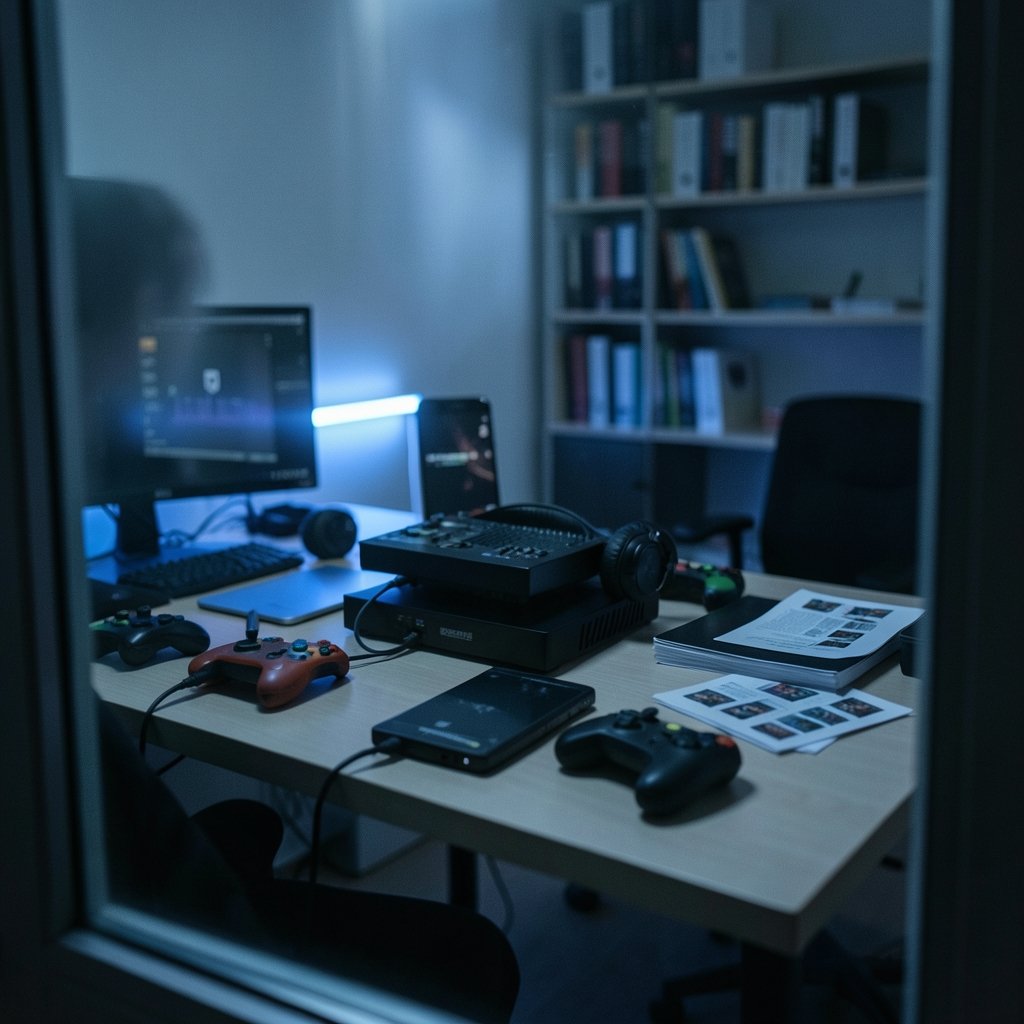
Ask ten founders for the best game development company and you will get ten answers. That is not because the industry is full of disagreement. It is because the question hides a dozen smaller questions. Are you building a mobile puzzle game or a console action title? Do you need a whole team or just a few animators? Is your budget measured in thousands or millions?
Outsourcing is a normal part of game production, not a sign of weakness. Studios of every size contract external co-development and art vendors, and annual industry surveys have consistently shown a substantial share of developers using outsourced work. The trick is matching the vendor to the job. A studio that shines at live-service mobile games may be a poor fit for a narrative PC title, and vice versa.
There is also no official ranking body for game development companies. Any “top 10” list you read is editorial, which means it reflects someone’s criteria, relationships, or advertising. That does not make lists useless, but it does mean a startup should treat them as starting points for research, not shopping carts.
The Main Types of Game Development Partners
Startups typically choose among four engagement models. Each solves a different problem, and mixing them is common on larger projects.
| Partner type | What they do | Best for | Watch out for |
|---|---|---|---|
| Full-service co-development studio | Concept, design, code, art, QA, launch support | Startups with funding and a defined vision | Higher cost, less flexibility on scope |
| Art and animation outsourcing studio | Characters, environments, UI, VFX, motion capture cleanup | Teams that already have engineering in-house | Requires strong art direction on your side |
| Porting and co-dev specialist | Console, mobile, and platform ports plus certification | PC-first teams going to console | Certification experience must be verified |
| Indie work-for-hire shop | Small-scope builds, prototypes, asset production | Tight budgets and early prototypes | Capacity limits and variable seniority |
The first decision a startup makes is not which company to hire but which model fits its stage. A pre-seed team with a prototype needs different help than a Series A studio with a vertical slice and a publisher deadline.
Regional Hubs and What They Mean for Cost and Communication
Geography shapes both price and workflow. Common outsourcing hubs include Eastern Europe, Southeast Asia, India, and Latin America. Each has tradeoffs that matter more to a small team than to a large publisher.
Eastern Europe, including Poland, Ukraine, and Romania, has deep engineering and art talent and often overlaps with European working hours. Southeast Asia, including Vietnam, the Philippines, and Malaysia, frequently offers competitive rates and strong art production capacity, but time zone gaps with North America can slow daily feedback. India combines large talent pools with established outsourcing pipelines. Latin America offers convenient overlap with US time zones, which many founders underestimate as a productivity factor.
Cost figures shift constantly, so treat any specific rate you see online with suspicion unless it is dated and sourced. The more durable rule is simple: the further your partner’s working hours sit from yours, the more disciplined your documentation needs to be. Studios that exchange detailed written specs and recorded feedback handle time zone gaps well. Studios that rely on quick calls struggle.
How Engine and Platform Expertise Narrows the Field
Engine choice is one of the fastest ways to filter a vendor list. Unity and Unreal dominate commercial game development, and a studio’s real expertise in one does not automatically transfer to the other. Ask for shipped titles in your engine; a logo on a services page is not enough. (Xbox game pass cost 2025 real prices whether its worth)
Platform certification is the other big filter. Console makers run developer and indie programs with their own technical requirements, and a vendor with console certification experience reduces risk considerably. If your roadmap includes a console launch, a partner who has already shipped through certification on that platform is worth a premium. Both major engine makers publish official partner and service directories, which are reasonable places to start a shortlist, though the listings change over time.
If your team is still deciding what to build with, it helps to read up on the best programming language for game development before you brief any vendor. A partner cannot rescue a project whose technical foundation was chosen by habit rather than intent.
What Actually Works in Practice
Founders who get outsourcing right tend to follow a handful of habits. None of them are glamorous, and all of them save money.
Verify credits at the team level, not the company level. Studios win contracts on the strength of individual leads. Ask who will actually be assigned to your project, then check those people’s shipped titles. A studio with an impressive portfolio and a junior bench assigned to your build is a common and expensive surprise.
Start with a paid test. A small, time-boxed paid task, such as one character, one level, or one feature, reveals more about a partner than any pitch deck. It also gives both sides an exit before a big commitment.
Fix the scope before you fix the price. Fixed-price contracts look safe but invite change-order disputes when scope moves, which it always does. Milestone-based structures with clear acceptance criteria tend to work better for startups, while time-and-materials suits exploratory work.
Settle IP and source code up front. Ownership of code, art, and tools should be explicit in writing. Source code escrow is a standard protection when a vendor holds your build. Professional bodies such as the IGDA publish resources on contracts and business practice that are worth reading before negotiations.
Protect your direction. The most common mistake is handing over creative control along with production work. Outsourcers execute best when the startup keeps a clear vision and a single point of contact who can make fast decisions.
Practical Tips and Common Mistakes
A few patterns show up again and again when startups hire development partners.
- Briefing by vibes. “Make it fun” is not a brief. Reference games, mood boards, and playable benchmarks work.
- Ignoring the boring clauses. Payment schedules, termination terms, and warranty periods cause more grief than creative disagreements.
- Choosing on price alone. The cheapest quote often reflects the most junior team. Compare blended rates against seniority, not headline numbers.
- Skipping references. Ask for two past clients you can actually contact, and ask them what went wrong as well as what went right.
- Forgetting platform economics. Store fees and subscription economics shape your budget long before launch. On mobile, for example, Apple’s EU app store fee changes for game developers in 2026 are worth understanding early, and on the subscription side, the Xbox Game Pass cost in 2025 and whether it is worth it affects how players will find your title.
Small operational habits matter too. Time-boxed reviews, a shared build pipeline, and a single decision-maker on the startup side prevent the slow drift that kills outsourced projects. Studios are not mind readers, and the ones that look “difficult” are often just responding to unclear direction.
When to Build In-House Instead
Outsourcing is not always the answer. If your core differentiator is a proprietary mechanic or technology, keeping that work in-house protects your advantage. If your team is small but senior and the scope is tight, a full-service studio can add overhead and dilute the vision.
A useful rule of thumb: outsource what is well-defined and in-house what is still being discovered. Art production for a locked design, porting to an additional platform, and QA at scale are strong outsourcing candidates. Core gameplay innovation usually is not.
Where Startups Usually Start Their Search
Most founders begin with referrals from other developers, then cross-check against engine partner directories and portfolio sites. Conferences and industry events remain one of the most reliable ways to meet studios, because you can see how people talk about their work before money is involved.
It also pays to look sideways at the industry for ideas about engagement models. Board game publishers, for instance, have long worked with external designers under structured contracts, and even simple rule sets show how much clarity matters. The rules for the backgammon board game are a good reminder that players forgive complexity but not ambiguity, and that lesson applies directly to vendor briefs. Likewise, the cottage industry around a horse racing board game shows how small teams ship polished products by focusing scope and partnering well. (2027 MLB All-Star Game: Philadelphia Hosts at Citizens Bank Park)
If your project touches adjacent businesses, such as a studio building tools for other companies, the same diligence applies as when choosing a customer success platform for SaaS companies with over 500 customers: references, fit, and clear success metrics beat brand names.
Conclusion
The best game development company for a startup is the one that fits the job in front of it. Full-service co-development studios, art outsourcers, porting specialists, and indie work-for-hire shops each solve different problems, and the right choice follows from your genre, engine, platform, budget, and stage. Rather than chasing a ranking, founders should verify team-level credits, run a paid test, fix scope before price, settle IP terms in writing, and keep creative direction in-house.
That approach is less exciting than a “top 10” list, but it is what actually protects a small team’s money and momentum. Start with a shortlist built on fit, test one partner on a small task, and let evidence rather than marketing decide the rest. If you are still shaping the technical side of your project, a look at the best programming language for game development is a sensible next step before you brief anyone.
FAQ
How much does it cost to hire a game development company?
Costs vary widely with scope, region, and seniority, and published figures are mostly anecdotal. A small prototype may cost a fraction of a full production, and a console port sits somewhere in between. The practical approach is to define scope first, request milestone-based quotes from two or three shortlisted studios, and compare blended rates against the seniority of the actual team assigned.
Should a startup hire a full-service studio or individual contractors?
Full-service studios offer coordination and a single contract, which suits funded teams with a defined vision. Individual contractors cost less per hour but require the startup to manage production, scheduling, and quality control. Many startups blend the two, keeping core design in-house while outsourcing art or porting to a studio.
How do I verify a studio’s claims before signing?
Ask for shipped titles, then ask which specific people worked on them and who will be assigned to your project. Request two contactable references and ask what went wrong on their projects. A small paid test task is the strongest verification available, because it shows real output rather than portfolio highlights.
What contract terms matter most for a game startup?
IP ownership, source code escrow, payment milestones, acceptance criteria, termination clauses, and warranty periods are the essentials. Fixed-price, time-and-materials, and milestone-based structures each carry different risks. Get everything in writing, and consider professional guidance before signing anything large.
Do I need a studio with console certification experience?
Only if your roadmap includes console. Certification experience reduces risk and shortens timelines on those platforms. If you are launching on PC or mobile first, prioritize engine expertise and genre fit instead, and revisit certification partners when a console version moves onto the schedule.
Can outsourcing work for a very small indie team?
Yes, and it is common. Small teams typically outsource art, animation, audio, or porting while keeping design and core engineering in-house. The keys are tight briefs, a single decision-maker, and starting with a small paid task before committing to a larger engagement.



