
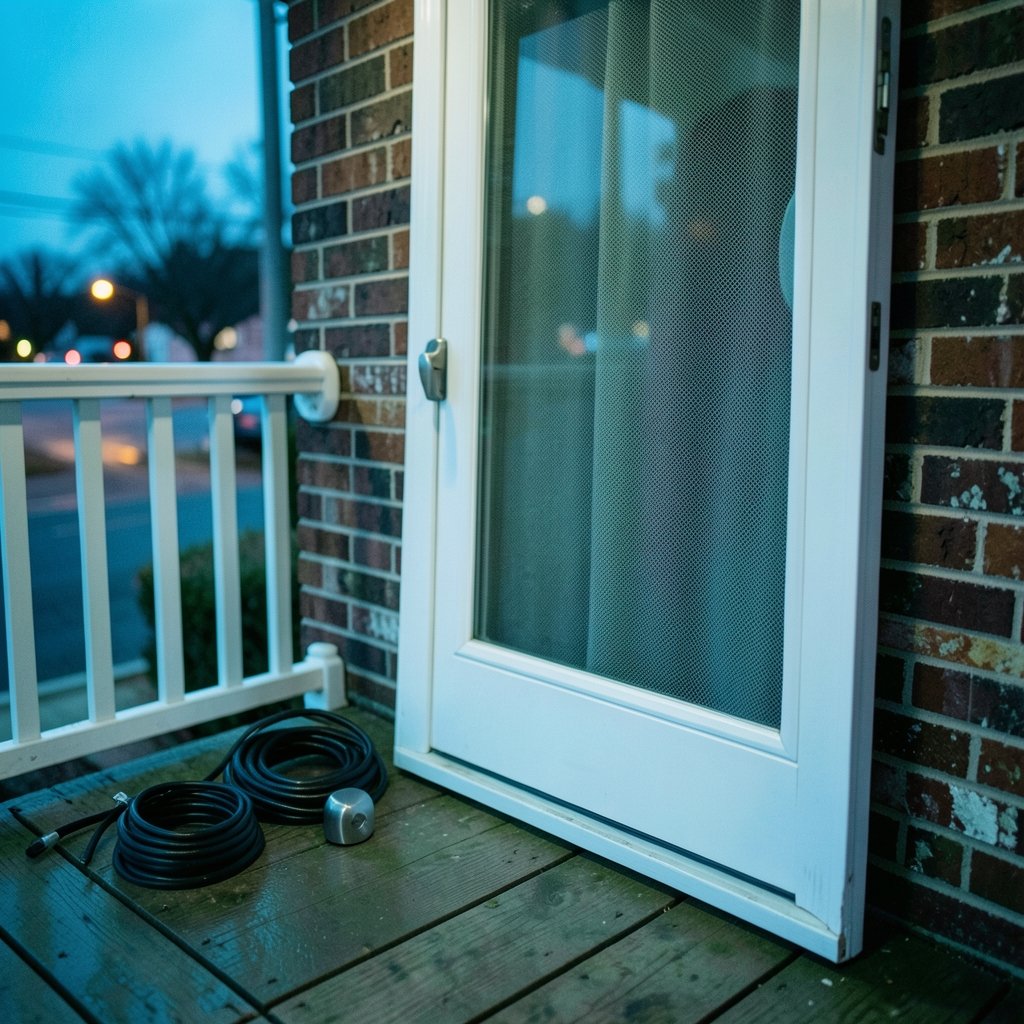
What if the best upgrade for your front door isn’t a new door at all, but a second one mounted just outside it? That’s the basic idea behind a storm door with a screen. It adds a layer of weather protection, lets fresh air in on mild days, and keeps bugs out. It sounds simple, and it mostly is. But the details, like how the screen stores, how the closer behaves, and what your local code says, are where people get tripped up.
This guide walks through the practical side: how these doors work, what to check before buying, common installation mistakes, and how to keep the whole thing running smoothly for years.
What a Storm Door With Screen Actually Does
A storm door is a second exterior door mounted outside your main entry door. It creates an air buffer between the outside and your home, which helps with drafts, rain driven sideways, and general weather wear on the primary door.
A storm door with screen adds ventilation. The screen panel lets air move through while keeping insects out. Most modern versions are self-storing: the glass panel and the screen slide past each other in the same frame. You expose the screen by sliding the glass down or up, depending on the design, without removing anything from the door and without finding a place to store a loose glass pane in your garage. (Split screen mac practical guide that actually works)
That self-storing feature is the single biggest quality-of-life improvement in this product category. Older combination doors required you to physically swap a glass panel for a screen panel each spring and fall. People hated it, and the panels got scratched, bent, or lost. If a door you’re considering requires panel swapping, that’s a warning sign about its age or its price tier.
Self-Storing vs. Interchangeable Panels: A Quick Comparison

| Feature | Self-storing (glass and screen in one frame) | Interchangeable panels (swap by hand) |
|---|---|---|
| Seasonal changeover | Slide a panel, takes seconds | Remove and store one panel, install the other |
| Storage needed | None | Space for a full-size glass or screen panel |
| Risk of damage | Low | Moderate, panels get scratched or bent in storage |
| Typical cost | Higher | Lower |
| Best for | Most homeowners | Tight budgets, rarely used doors |
For a door you use every day, self-storing is almost always worth the extra cost. For a side or back door that mostly stays shut, a basic interchangeable model can make sense.
Why the Screen Matters More Than People Think
The screen does more than block bugs. It changes how you use the door.
Mesh count is the number that tells you what you’re getting. Insect screen is described by openings per inch. Standard 18×16 mesh is the common insect screen found on most doors. Finer 20×20 mesh is often called no-see-um mesh and blocks smaller insects, which matters in humid regions with biting midges. The tradeoff is airflow and visibility: finer mesh blocks more air and looks slightly darker from inside. If you live somewhere with heavy small-insect pressure, the finer mesh is worth it. Otherwise, standard mesh is fine.
Also check how the screen is held in the frame. A spline-retained screen can be re-splined if it tears. A screen bonded permanently into the frame usually means replacing the whole panel. For a door that pets or kids will push against, spline-retained is the more repairable choice. (Figma tutorial build real screen from blank file prototype)
Weather Performance: What the Ratings Mean
Storm doors are tested for air leakage, water resistance, and structural performance under the North American Fenestration Standard, published as AAMA/WDMA/CSA 101/I.S.2/A440. That standard has gone through several editions over the years, so if you’re comparing spec sheets, check which edition a manufacturer is citing before you assume two numbers are directly comparable.
One thing that surprises buyers: model energy codes have historically treated storm doors as a separate product class rather than applying the same glazed-area U-factor limits used for windows and primary doors. That does not mean performance is irrelevant. It means the storm door’s job is mostly to reduce air infiltration and protect the primary door, not to carry the home’s insulation load on its own. A well-sealed, properly hung storm door does its job through fit and gasketing more than through glass technology.
Practically, that means installation quality beats spec-sheet bragging. A premium door hung badly will leak more than a mid-range door hung well.
Egress and Accessibility: The Rules People Forget
Two code issues trip up do-it-yourselfers more than any others.
Egress. A storm door must not block the required emergency escape opening of your primary door. The hardware has to let the door open from the inside without a key or special knowledge. A deadbolt on a storm door that requires a key from inside is a real safety problem, not a style choice. Check your local residential code, since amendments vary by jurisdiction.
Opening force. Accessibility standards set limits on how hard a door can be to open, and adding a storm door with a heavy closer can push a formerly compliant door over the line. If anyone in the household has limited strength or uses a wheelchair, test the closing force before committing. A closer with an adjustable sweep and latch speed makes a big difference, and turning the sweep speed down is usually a two-minute adjustment.
Installation Mistakes That Cause Most Problems
Here are the errors that show up again and again, and what to do instead.
- Skipping the out-of-square check. Hold a level and measure corner to corner before you drill anything. If the opening is out of square, the door will rub, the closer will fight itself, and the screen will bind. Fix the opening or choose a door with adjustable frame legs.
- Mounting the hinge rail to siding instead of framing. The hinge side carries the whole door’s weight. Find the studs or the door frame behind the siding and fasten there.
- Ignoring the drip cap and header. Water running down the wall needs a way to shed over the door. A missing or poorly sealed drip cap is one of the most common causes of rot behind a storm door.
- Overtightening the closer. A closer cranked to slam is hard on the frame and hard on anyone carrying groceries. Set the sweep so the door closes firmly but not violently, and set the latch speed so it doesn’t bounce.
- Forgetting the clearance between doors. The storm door and the primary door need room to swing without the handles colliding. Measure the handle projection on both before you buy.
- Sealing the bottom sweep incorrectly. The bottom sweep should just kiss the threshold, not drag. If it drags, it will tear within a season.
If you’re handy with tools, this is a genuinely achievable weekend project. If you’re not, it’s also a job where a pro earns their fee quickly, because a badly hung storm door is obvious to everyone who visits.
Choosing Hardware and Handles That Last
The handle set takes more abuse than any other part of the door. Look for a mortise-style latch with a solid strike rather than a surface-mounted latch held by short screws. Push-button handles are convenient but have more small parts to fail; a simple lever or thumb-latch set tends to outlast them.
The closer is the other weak point. Standard pneumatic closers are fine, but they lose dampening over time and start slamming. Adjustable hydraulic closers cost more and last longer. Either way, most closers are adjustable, and most people never touch the adjustment screws. Do touch them. It’s the cheapest improvement you can make to how the door feels.
For the screen itself, keep a small patch kit on hand. A dime-sized tear is a five-minute fix with adhesive screen patch, and it saves you from replacing a panel over one snag.
Keeping the Door and Screen in Good Shape
Maintenance is mostly about two things: the screen and the moving parts.
Clean the screen with a soft brush and mild soapy water, working gently so you don’t push a tear wider. Rinse from the inside out. Never use a pressure washer on insect screen, and avoid abrasive cleaners on coated aluminum frames, which can dull the finish unevenly. The same care principles apply to any display surface you want to keep clean for years, as covered in this guide to cleaning a laptop screen without damaging the coating. (Ayn thor vs ayaneo pocket ds which dual screen handheld fits)
Lubricate the closer pivot points and the latch mechanism once a year with a light silicone spray. Check the weatherstripping along the hinge and latch sides each fall. It compresses over time, and replacing it is cheap. If the door starts sticking in humid weather, that’s usually a sign the frame has shifted slightly, not that the door has swelled beyond repair.
For the glass panel, treat it like any other window. If you ever need to deal with a display that won’t cooperate, the troubleshooting mindset is similar to this step-by-step plan to fix a black screen in Windows 11: isolate the cause, check the simple things first, then escalate. Storm door glass rarely fails, but a fogged double-pane insert can, and a replacement insert is usually available without replacing the whole door.
When a Storm Door With Screen Is the Wrong Choice
It’s not right for every home. Skip it if:
- Your entry is recessed and narrow. There may not be enough clearance for the door to swing and for handles to clear.
- You have a historic facade with strict design review. Many districts restrict visible exterior additions.
- Your primary door is already a high-performance unit with an integrated screen. Adding a second door can trap moisture between them if the assembly isn’t vented properly.
- The door would be the only exit from a room. Egress rules get stricter, and the hardware requirements become non-negotiable.
In those cases, a screen-only door, a retractable screen, or a well-sealed primary door with a built-in vent may serve you better.
Conclusion
A storm door with screen is one of the few home upgrades that delivers something you can feel every day: more light, more airflow, less weather beating on your main door. The difference between a door you love and one you resent comes down to a handful of decisions. Choose self-storing glass and screen so seasonal changeover takes seconds. Match the mesh to your insect pressure. Measure clearance before you buy. Hang it on framing, not siding. And adjust the closer instead of living with a slam.
Get those basics right, and the door quietly does its job for a decade or more. Get them wrong, and you’ll be fighting a sticking frame every summer.
Frequently Asked Questions
What is a self-storing storm door with screen?
It’s a storm door where the glass panel and the insect screen both live in the same frame. You slide one past the other to switch between a clear view and ventilation. Nothing gets removed or stored, which is why self-storing models have largely replaced the older swap-the-panel design.
How much does a storm door with screen cost?
Prices vary widely by size, material, and whether the model is self-storing. Basic interchangeable-panel doors sit at the low end, self-storing aluminum and wood-core models sit in the middle, and full-view or custom-size doors sit at the top. Installation adds to the total if you hire it out. Get at least two quotes, because the spread between installers is often larger than the spread between door models.
Can I install a storm door with screen myself?
Yes, if the opening is square and you’re comfortable with a drill, a level, and a tape measure. The job involves mounting a hinge rail to solid framing, fitting the header and drip cap, and adjusting the closer. The most common DIY failure is fastening to siding instead of framing, which causes sagging within a year.
Does a storm door with screen actually save energy?
It helps mainly by reducing air infiltration and protecting your primary door from weather, rather than by adding significant insulation value. Model energy codes have historically treated storm doors as a separate product class from windows and primary doors for U-factor purposes. The practical gains come from good gasketing and a properly hung frame.
What mesh should I choose for the screen?
Standard 18×16 mesh is the common insect screen and offers good airflow and visibility. Finer 20×20 mesh, often called no-see-um mesh, blocks smaller insects at the cost of some airflow and clarity. Choose finer mesh in areas with biting midges or very small insects; standard mesh is fine elsewhere.
Can a storm door block emergency exit?
It can if it’s installed or equipped badly. A storm door must not obstruct the required egress opening of the primary door, and its hardware must allow opening from the inside without a key or special knowledge. Avoid any interior-keyed deadbolt on a storm door, and check your local code for amendments before installing.



