
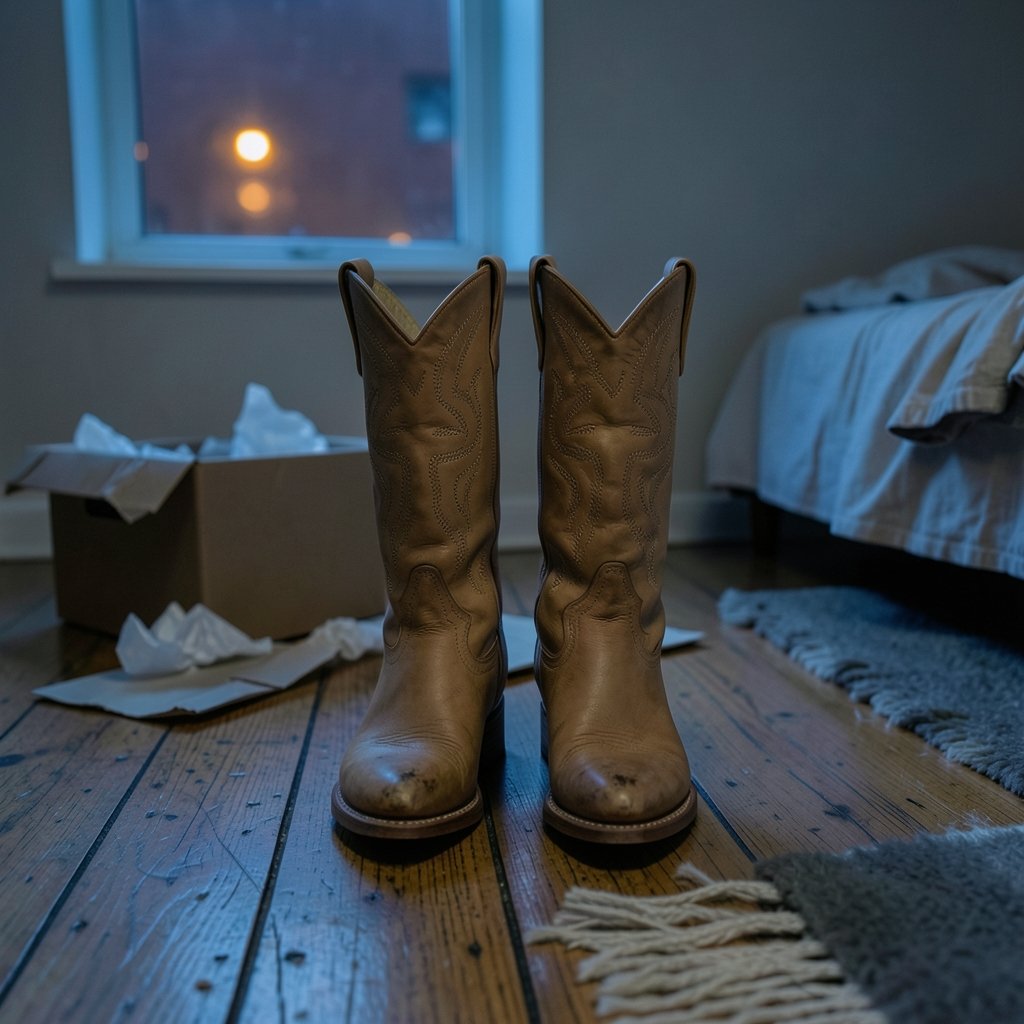
Can you buy a well-made cowboy boot without paying a boutique markup or driving to a specialty store that may not exist in your town? That question drove the creation of Tecovas. The Austin-based brand launched in 2015 with a simple bet: sell Western boots directly to customers, skip the middleman, and pass the savings along. A decade later, that bet has turned a startup into one of the most recognizable names in American Western footwear.
This review looks at what Tecovas boots actually are, how they are made, what they cost, where they fit against heritage brands, and the practical things shoppers should know before ordering a pair. It also covers the mistakes first-time buyers make and how to avoid them.
What Are Tecovas Boots?
Tecovas is a footwear and leather goods brand founded in Austin, Texas, in 2015 by Paul Hedrick. The company started with cowboy boots and later expanded into ropers, Chelsea boots, sneakers, belts, bags, and wallets. The brand’s identity is tied to Texas, but its production is not: Tecovas boots are made in León, Guanajuato, Mexico, a city with a long history in leather goods and footwear manufacturing. (Create bootable macos usb installer that actually boots)
The product itself follows classic Western construction. A typical Tecovas cowboy boot has a leather upper, a leather sole or a rubber-and-leather combination, a stacked heel, a broad square or pointed toe, and decorative stitching on the shaft. The brand favors clean, understated designs over flashy rhinestones or exaggerated stitching. That is part of why it appeals to people who want a Western boot for dinner as well as for a rodeo. (Boot android safe mode step by step fix crashing apps)
If you are new to the category, it helps to understand how cowboy boots are put together before you shop. The anatomy of a cowboy boot, from the vamp and shaft to the welt and heel, explains why two boots that look similar can feel completely different on your foot.
The Direct-to-Consumer Model, Explained

The single most important thing to understand about Tecovas is its sales model. The company sells primarily through its own website and its own retail stores rather than through third-party retailers. This is called direct-to-consumer, or DTC, and it changes the economics of a boot.
In a traditional setup, a boot maker sells to a distributor, who sells to a retailer, who marks up the price again to cover rent, staff, and profit. Each layer adds cost. A DTC brand removes those layers and keeps the margin for itself, which in theory lets it offer a better-made boot at a lower price than a comparable department-store product.
That theory has limits. DTC brands still pay for manufacturing, shipping, returns, marketing, and now physical stores. The savings are real but not magical. The honest way to read the Tecovas pitch is this: you are likely getting materials and construction that compete with boots priced somewhat higher, but you are not getting a luxury boot for a bargain-bin price.
The DTC model also shapes the shopping experience. You cannot try on a pair at your local department store. You order online, wait for delivery, and rely on the return policy if the fit is wrong. That is why fit advice matters so much with this brand.
What Tecovas Boots Cost and Where They Sit in the Market
Tecovas is generally positioned in the mid-market for cowboy boots. It sits below heritage makers such as Lucchese, which can run into the high hundreds or beyond, and above mass-market Western brands sold in farm-and-ranch stores. Prices change over time, so treat any specific figure as a starting point rather than a guarantee.
| Tier | Typical Positioning | What You Get |
|---|---|---|
| Mass-market Western | Entry level | Synthetic or lower-grade leather, glued construction, shorter lifespan |
| Mid-market (Tecovas territory) | Accessible premium | Full-grain leather, leather sole or hybrid sole, Goodyear welt on many models |
| Heritage luxury | Investment level | Hand-lasted construction, exotic leathers, premium finishing, higher price |
The mid-market tier is crowded and competitive. What separates brands here is often not the leather itself but the consistency of fit, the quality of the sole, and how well the company handles returns and exchanges. A boot that fits well and lasts five years beats a fancier boot that pinches.
How Tecovas Boots Are Made
Manufacturing in León gives Tecovas access to a deep pool of skilled leather workers. The region has produced footwear for generations, and many of the techniques used there are the same ones used in traditional Western bootmaking: lasting the upper over a wooden form, attaching the sole with a welt, and finishing the heel by hand or with specialized machinery.
Goodyear welt construction appears on many Tecovas models. This is worth knowing because it means the sole can be replaced by a cobbler rather than thrown away when it wears through. A resoleable boot has a much longer practical life than a glued one, even if the upfront price is higher.
Materials are the other half of the story. Full-grain leather, the top layer of the hide, develops a patina and molds to your foot over time. Corrected-grain or bonded leather does neither. When you shop any Western boot, look for language that specifies full-grain leather and a leather or leather-and-rubber sole, and be skeptical of vague terms like “genuine leather,” which is a legal minimum rather than a quality marker.
Fit and Sizing: The Part That Trips People Up
Here is where most first-time buyers go wrong. Cowboy boots do not fit like sneakers. They should feel snug across the instep and heel when new, with a little room in the toe box. The heel should slip slightly as you walk, especially in a leather sole, because that slip settles as the sole breaks in.
Common mistakes to avoid:
- Buying your sneaker size. Most people size down half a size in cowboy boots compared with athletic shoes, but this varies by last and width.
- Judging fit in the first five minutes. Leather boots break in. A boot that feels slightly tight across the vamp often relaxes within a week.
- Ignoring width. A boot that is too narrow will never stretch enough. If you have wide feet, look for wide sizing rather than hoping.
- Skipping the break-in period. Wear them for short stretches indoors first, then gradually longer.
- Never conditioning the leather. Dry leather cracks. A basic conditioner applied a few times a year keeps it supple.
If you order online and the fit is off, use the exchange process early rather than trying to “make them work.” A boot that hurts on day three will still hurt on day thirty.
Online Ordering and the Returns Reality
Because Tecovas sells mostly direct, the return and exchange policy is part of the product. Before you order, read the current policy carefully and note the window, the condition requirements, and who pays for return shipping. Policies change, so check the live terms rather than relying on a review.
A practical tip: order when you will be home for a few days so you can try the boots on clean floors and decide quickly. Wear them only indoors until you are sure. Once leather soles are scuffed on pavement, many retailers will not accept a return.
Tecovas vs. Heritage and Mass-Market Brands
The comparison shoppers care about most is Tecovas versus the old-guard bootmakers. The honest answer is that they serve different buyers.
Heritage brands offer a level of hand-finishing, exotic leather options, and brand cachet that a mid-market DTC label does not try to match. If you want a boot to pass down, that tier is worth the money. If you want a well-constructed, good-looking boot for everyday wear at a price that does not require a savings plan, Tecovas is a reasonable fit.
Against mass-market brands, the gap is clearer. Better leather, resoleable construction, and more consistent sizing are the main advantages. The tradeoff is price and the inability to try before you buy.
For readers comparing broader hardware and platform choices, our breakdown of the Steam machine vs Xbox Series X setup 2026 first boot shows how the same “which platform fits my needs” logic applies outside footwear.
Caring for Leather Boots So They Last
A cowboy boot is a leather product, and leather rewards a little attention. The routine is simple:
- Brush off dirt and dust after wear with a soft brush.
- Wipe with a damp cloth and let the boots dry naturally, away from direct heat.
- Apply a leather conditioner sparingly and work it in with your fingers or a cloth.
- Let them dry overnight before wearing again.
- Store them with boot trees or stuffed with newspaper to hold the shape.
Avoid radiators, hair dryers, and direct sun. Heat dries leather and causes cracking. Also avoid over-conditioning, which can make leather limp and darken it unevenly.
Common Mistakes Buyers Make
Beyond sizing, a few patterns show up again and again.
Buying for the wrong occasion. A tall, pointed-toe boot with a slick leather sole is a dress boot. It is not the pair you want for mucking stalls or walking on ice. Match the sole and heel to how you will actually wear them.
Chasing trends over fit. Square toes come and go in popularity. Your foot shape does not. Prioritize comfort and construction over whatever silhouette is trending this season.
Ignoring the return window. The most expensive boot is the one that sits in your closet because you missed the deadline.
Assuming “made in Mexico” means lower quality. León’s footwear industry is mature and skilled. Origin tells you about labor and tradition, not automatically about quality.
Conclusion
Tecovas boots occupy a smart middle ground. They are not the cheapest Western boots you can buy, and they are not trying to be a heritage heirloom brand. What they offer is solid leather construction, resoleable soles on many models, a clean design language, and a direct-to-consumer price that undercuts the traditional retail chain.
The brand is a good fit if you want a versatile cowboy boot for everyday wear, you are comfortable ordering online, and you are willing to invest a little time in getting the fit right. It is a less good fit if you need to try boots on in person before committing, or if you want exotic leathers and hand-finished detailing.
Buy for fit and construction first, style second, and price third. Do that, and a pair of Tecovas boots will earn their place by the door.
Frequently Asked Questions
Where are Tecovas boots made?
Tecovas boots are made in León, Guanajuato, Mexico, a city with a long tradition of leather goods and footwear manufacturing. The company is headquartered in Austin, Texas, where it was founded in 2015.
Are Tecovas boots good quality?
They are generally considered good quality for their price tier. Many models use full-grain leather and Goodyear welt construction, which means the sole can be replaced by a cobbler. That puts them above mass-market Western boots in durability, though below heritage luxury makers in hand-finishing.
How do Tecovas boots fit compared with sneakers?
Most buyers size down about half a size from their athletic shoe size, but fit varies by model and last. Cowboy boots should feel snug across the instep with slight heel slip when new. If you have wide feet, look for wide sizing rather than sizing up in length.
Do Tecovas boots run true to size?
They run close to standard men’s boot sizing, but the brand’s lasts differ between models. Read the specific product page guidance and customer reviews for the model you want, and use the exchange policy if the first pair is off.
Can Tecovas boots be resoled?
Many models feature Goodyear welt construction, which allows a cobbler to replace the sole when it wears out. Check the specific model, because construction varies across the lineup.
Are Tecovas boots worth the money?
For shoppers who want a versatile, well-made cowboy boot at a mid-market price and are comfortable buying online, they are a reasonable value. The direct-to-consumer model trims retail markup, though the savings are real rather than dramatic. If you need to try boots on in person or want exotic leathers, other options may suit you better.



