
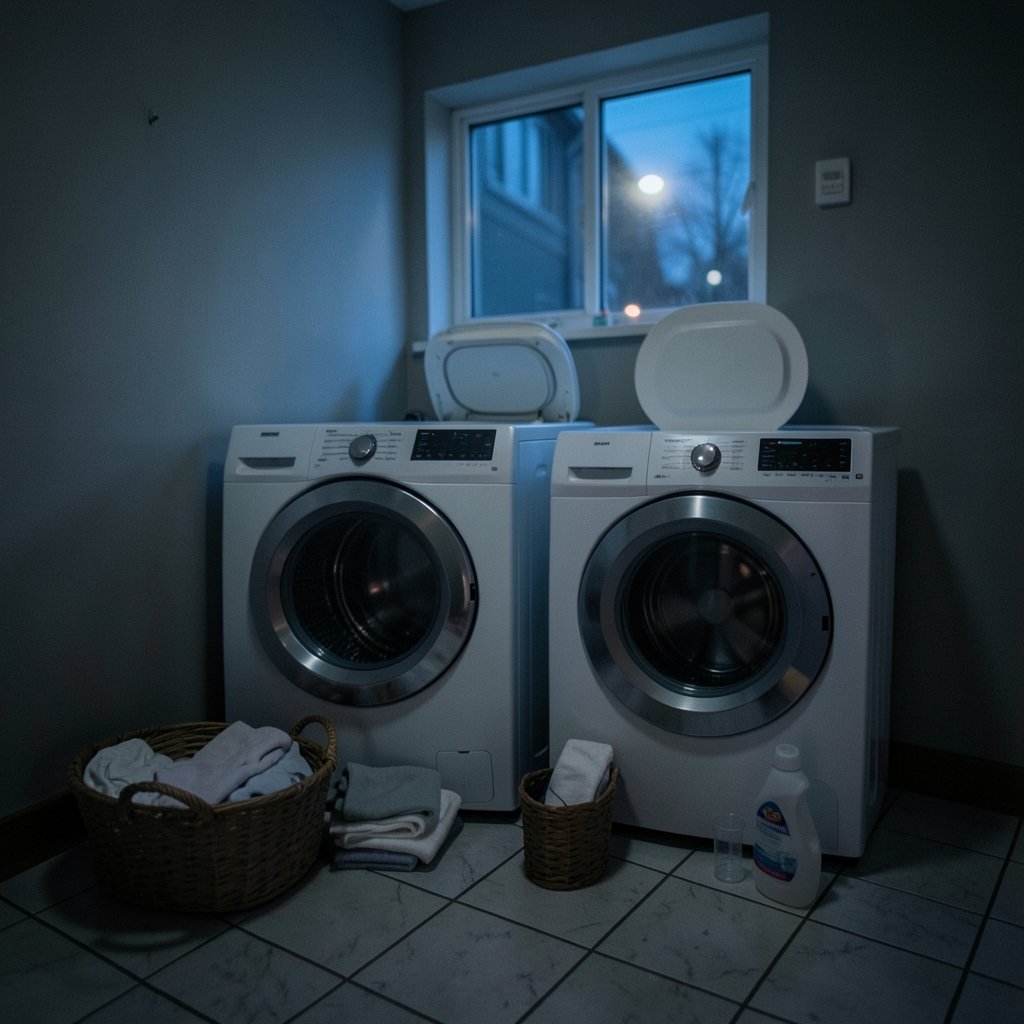
What if the most important decision about a washing machine isn’t the brand or the price, but the way it moves clothes through the water? That single design choice, agitator versus impeller, shapes how clean your laundry gets, how much water you pay for, and how long your clothes last. Top-loading washers sit right at the center of that trade-off.
Top-loaders remain a popular choice because they are easy to load, kind to your back, and often cheaper to buy than front-loaders. Yet the category has split into two very different machines that share the same lid. This guide walks through how each type works, what the efficiency rules actually say, and where buyers most often go wrong.
The two designs hiding under one lid
Walk into any appliance showroom and you’ll see top-loaders that look similar but behave nothing alike.
Traditional agitator top-loaders use a tall central post with fins that twists back and forth. They fill with a lot of water, submerge the load, and physically pull clothes through the wash. They are simple, proven, and generally the least expensive to buy. The catch is that the agitator takes up drum space and can be rough on delicate fabrics over time.
High-efficiency (HE) top-loaders replace the agitator with a low-profile impeller or wash plate at the bottom of the drum. These machines use much less water, often just enough to create a concentrated detergent solution that the impeller moves through the clothes. Some models add a spray rinse or recirculating pump to make up for the lower water level.
The practical differences matter more than the marketing:
| Feature | Agitator top-loader | Impeller (HE) top-loader |
|---|---|---|
| Water use | High, often a full drum | Low, often a shallow pool |
| Wash action | Mechanical twisting | Pulsing and rubbing |
| Fabric wear | Higher on delicates | Gentler overall |
| Cycle length | Usually shorter | Often longer |
| Detergent | Standard or HE | HE detergent required |
| Price | Typically lower | Typically higher |
Neither design wins outright. An agitator machine handles heavy work clothes and muddy kids’ gear with little fuss. An impeller machine sips water and treats a delicate blouse kindly, but it needs the right detergent and a bit more patience.
How top-loaders actually clean clothes
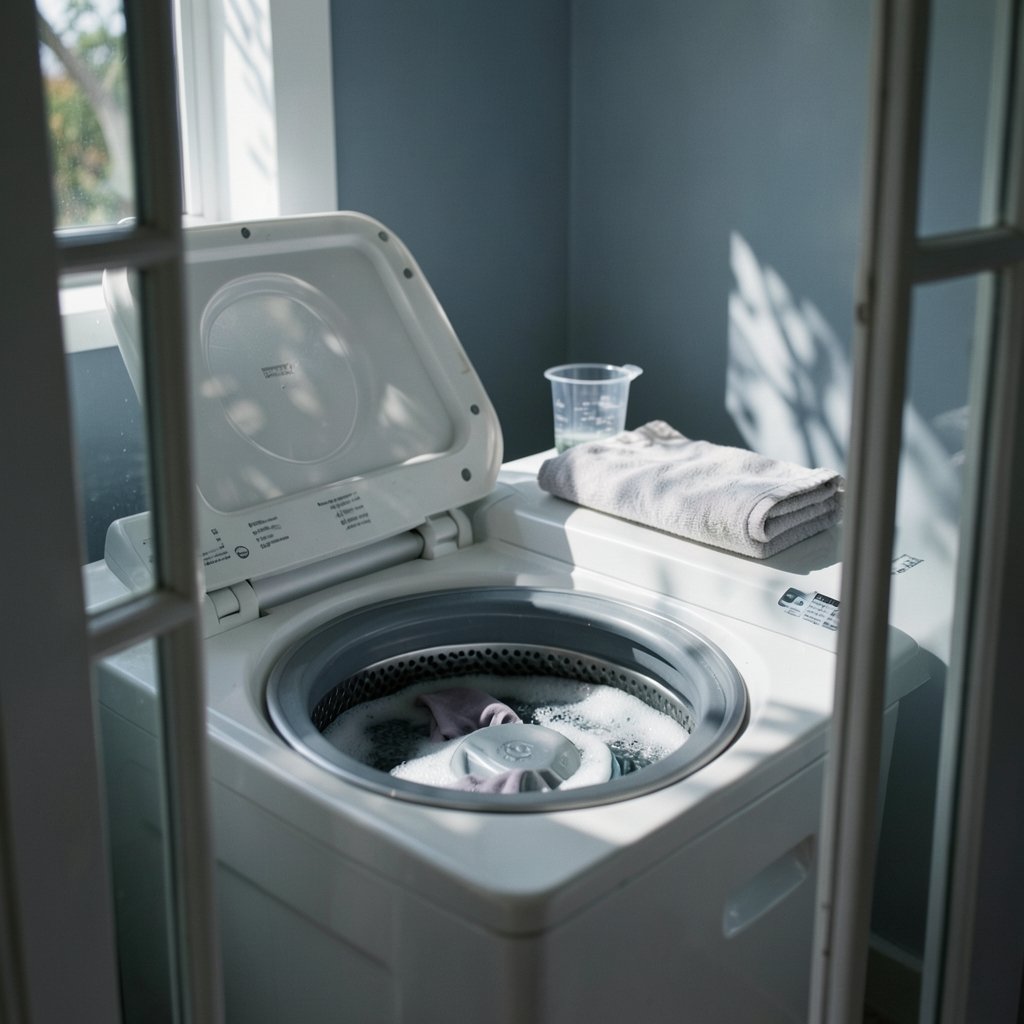
Cleaning comes down to four ingredients: water, detergent, mechanical action, and time. Top-loaders trade these against each other differently depending on design.
An agitator machine leans heavily on mechanical action. The fins move clothes through a deep water bath, so detergent has plenty of room to dissolve and lift soil. That’s why these machines tolerate ordinary detergent and short cycles.
An impeller machine leans on chemistry and time instead. With less water, the detergent concentration is higher, which helps lift oils and body soil. The impeller then pushes clothes against each other and the wash plate. Because there’s less water to cushion the load, the wash action is gentler but also less forceful on stubborn stains.
Here’s a mistake many buyers make: they run an impeller machine on a quick cycle with cold water and a small load, then wonder why grass stains survive. HE top-loaders reward you for using the recommended cycle, the right amount of HE detergent, and a full-but-not-crammed drum. Overloading is the single most common cause of poor results, because clothes need room to tumble and meet the wash plate.
Water, energy, and the rules behind the labels
Efficiency isn’t a marketing slogan. In the United States, residential clothes washers must meet energy conservation standards set under the Energy Policy and Conservation Act, and the Department of Energy maintains the test procedures that define how performance is measured. Those procedures include metrics like Modified Energy Factor (MEF), which expresses cubic feet of capacity per kilowatt-hour per cycle, and Water Factor (WF), which measures gallons used per cubic foot per cycle.
Buyers rarely see those numbers directly. What they see is the yellow EnergyGuide label, required under the Federal Trade Commission’s Appliance Labeling Rule. That label estimates yearly energy use and cost based on standardized testing, which makes it a reasonable way to compare two machines side by side.
Above that sits Energy Star certification, which flags models meeting efficiency criteria set by the EPA. Energy Star’s clothes washer specification was last revised in 2018 as Version 8.0, though buyers should check whether a newer version has since taken effect.
In the European Union, the picture is different but just as regulated. Household washing machines fall under ecodesign and energy labelling rules that have applied since 1 March 2021, covering energy use, water consumption, and repairability information.
The broad pattern from independent testing is consistent: front-loaders use less water and energy per load than agitator top-loaders, with HE impeller top-loaders landing somewhere in between. That gap has narrowed as top-load designs improved, but it hasn’t closed.
Matching the machine to your actual laundry
The best top-loader is the one that fits how you actually live. A few honest questions sort most buyers quickly.
How big is your household? A single person or couple can live comfortably with a 3.5 to 4.0 cubic foot drum. Families of four or more usually want 4.5 cubic feet or larger, and anyone washing bedding regularly should measure the drum against a queen comforter before buying.
What kind of soil are you fighting? Households with athletes, tradespeople, or small children tend to do better with an agitator machine’s forceful wash action. Households washing mostly office wear and delicates often prefer the gentler impeller design.
How much water do you want to spend? In regions with high water costs or drought restrictions, an HE impeller model pays back over time. Where water is cheap and energy is the bigger bill, compare the EnergyGuide estimates directly.
How much maintenance will you tolerate? Top-loaders are generally easier to service than front-loaders because the lid opens flat and the drum is accessible. That said, HE top-loaders need occasional cleaning cycles to control residue and odor, especially if you habitually wash cold.
One practical tip that saves real money: run the cleaning cycle monthly and leave the lid open between loads. Trapped moisture under a closed lid is the main reason top-loaders develop musty smells.
Features worth paying for and features to skip
Appliance aisles are full of add-ons. Some earn their price; others are decoration.
Worth considering:
- Automatic load sensing, which adjusts water level to the load instead of forcing you to guess.
- A deep fill or water-plus option, which lets an HE machine behave more like a traditional one for bulky items.
- A second rinse, useful for households with sensitive skin or heavy detergent use.
- Delay start, genuinely handy if you want laundry finishing when you get home.
Usually skippable:
- Wi-Fi connectivity, which rarely changes wash outcomes.
- Steam settings, which help with wrinkles more than with soil.
- Oversized drums paired with small households, since a half-empty drum wastes water and energy.
If you’re also upgrading other household equipment, the same logic applies: match the tool to the real job rather than the spec sheet. That principle holds whether you’re comparing appliances or figuring out how to choose the best electric pressure washers for real household work.
Detergent, loading, and the mistakes that cause callbacks
Most “broken” top-loaders aren’t broken. They’re being used in ways the manual warns against.
Using the wrong detergent. HE top-loaders require low-suds HE detergent. Regular detergent in a low-water machine creates a foam carpet that cushions the clothes, reduces cleaning, and can trigger error codes or leave residue. The American Cleaning Institute and every major manufacturer say the same thing: match the detergent to the machine.
Overdosing. More detergent does not mean cleaner clothes. In a low-water wash, excess detergent redeposits on fabric and dulls colors. Use the dose on the label for your load size and water hardness.
Overloading. Clothes need room to move. If you can’t fit a hand flat on top of the load, it’s too full. Impeller machines are especially sensitive to this.
Skipping the sorting step. Top-loaders handle mixed loads reasonably well, but zippers, hooks, and heavy towels still damage delicate knits. Knowing what the symbols on your garments mean helps more than any cycle setting, and a guide to what each clothing wash care symbol actually means is worth keeping handy.
Ignoring the drain and inlet filters. Slow drains and weak fills are usually clogged screens, not failing pumps. A five-minute check saves a service call.
Safety, durability, and the long view
Top-loading washers have a safety record worth understanding. Regulators have warned about child entrapment and drowning risks in top-loading machines, and some models have been recalled over the years. The practical response is simple: keep the lid closed when the machine isn’t in use, supervise small children in the laundry room, and check recall listings for any model you own or buy used.
On durability, the honest answer is that simpler machines usually last longer. An agitator top-loader with mechanical controls has fewer parts to fail than a touchscreen impeller model with a recirculation pump. Buyers who plan to keep a machine 12 to 15 years often accept slightly higher water use in exchange for that simplicity.
That trade-off shows up across appliance categories. Commercial-grade construction buys longevity at a price premium, which is the same argument behind why a Speed Queen washer gets you commercial-grade durability and why some households consider it worth the cost.
Buying checklist before you commit
- Measure the doorway, the laundry alcove, and the lid clearance. Top-loaders need room to open fully.
- Compare the drum size with your largest regular load rather than your average load.
- Read the EnergyGuide label for both machines you compare; do not limit the check to the sale model.
- Check whether the model requires HE detergent and whether you’re willing to switch.
- Look up recall history for any used machine before paying.
- Confirm the warranty covers labor as well as parts, and note the length.
- Ask whether the retailer hauls away the old unit, since disposal fees vary widely.
Conclusion
Top-loading washers aren’t one product; they’re two philosophies sharing a lid. Agitator machines deliver forceful, familiar cleaning at a low purchase price and higher water use. Impeller machines trade some scrubbing power for efficiency and gentler fabric care, provided you use HE detergent and load them sensibly. The right pick depends on your household size, your soil level, your utility bills, and how long you intend to keep the machine.
Get those four answers straight before you shop, read the EnergyGuide label instead of the marketing copy, and treat the manual as required reading rather than paperwork. Do that, and a top-loader will quietly do its job for a decade or more, which is exactly what a washing machine should do.
Frequently asked questions
Are top-loading washers better than front-loading washers?
Neither is universally better. Front-loaders generally use less water and energy per load, and independent testing has consistently shown that advantage. Top-loaders are usually cheaper to buy, easier to load without bending, and simpler to service. The right choice depends on your budget, your laundry habits, and whether water efficiency matters where you live.
Do HE top-loading washers really clean as well as agitator models?
For everyday soil, yes, when used correctly. HE impeller machines rely on higher detergent concentration and longer cycles rather than deep water and mechanical twisting. For heavy soil like mud, grease, or grass stains, agitator models still have an edge. The biggest factor in HE performance is avoiding overload and using the right amount of HE detergent.
Can I use regular detergent in a top-loading washer?
In a traditional agitator machine, yes. In an HE impeller machine, no. Regular detergent produces too much foam in a low-water wash, which cushions clothes, reduces cleaning, and can trigger error codes. Always check the bottle for the HE symbol before pouring.
How much water does a top-loading washer use per load?
It varies widely by design and load size. Traditional agitator models can use a full drum of water per cycle, while HE impeller models often use a shallow pool plus spray rinses. The Water Factor metric on standardized testing measures gallons per cubic foot per cycle, and the EnergyGuide label gives a practical yearly estimate you can compare between models.
How long should a top-loading washer last?
A reasonable expectation is around 10 to 13 years with regular use and basic maintenance. Simpler machines with mechanical controls and fewer electronic components tend to reach the upper end of that range. Running a monthly cleaning cycle, leaving the lid open between loads, and checking inlet screens annually all extend service life.
Is it safe to run a top-loading washer when no one is home?
Most manufacturers advise against leaving any washer unattended, mainly because a burst hose or stuck valve can cause significant water damage. If you do run loads while out, use braided steel hoses, check them for bulges yearly, and consider a leak sensor or shutoff valve. Keep the lid closed and keep children away from the machine at all times.



