
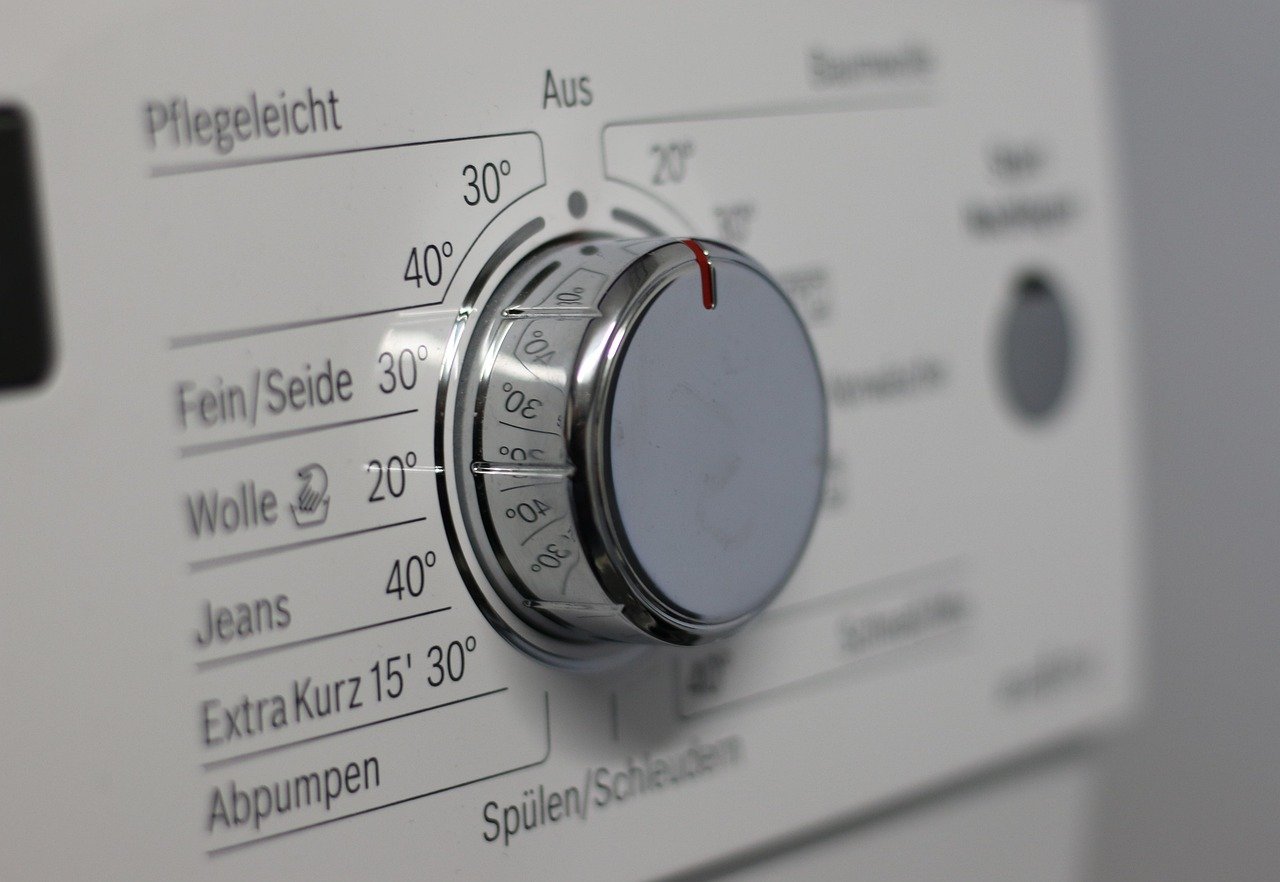
What makes a washing machine “top rated” in the first place? That question matters more than it seems, because the answer changes depending on who is doing the rating. A retailer’s star average reflects delivery speed and how the machine survived the stairs. A consumer magazine’s score reflects lab testing over hundreds of cycles. A repair technician’s opinion reflects what breaks at year four. The machines that show up near the top of all three lists are a much shorter list than any single ranking suggests.
This guide walks through what the ratings actually measure, where the numbers come from, and how to read a spec sheet without getting fooled. It also covers the practical stuff nobody puts on a product page: detergent habits, hose failures, and the smell that shows up around month eight.
What “Top Rated” Really Means on a Spec Sheet
Most shoppers treat ratings as a single number. In reality, a washing machine gets scored on at least four separate axes, and they do not always agree.
Energy and water use are the most regulated and therefore the most comparable. In the United States, residential clothes washers must meet maximum energy and water limits set under the federal appliance standards program. Those limits are enforced through standardized test procedures, which is why the yellow EnergyGuide label exists: it lets a buyer compare estimated yearly energy cost across models using the same yardstick. The label itself is required under the FTC’s Appliance Labeling Rule, and it is the one piece of paper in the store that is legally required to be honest in a specific, testable way.
The voluntary tier above the minimum is ENERGY STAR. It certifies washers that beat the federal floor by a set margin. The specification has been revised several times, so an older review quoting an older threshold may not match what is on the shelf today.
Capacity is where the marketing gets loose. Cubic footage is often quoted, but measuring methods differ between brands, so “large capacity” claims are not directly comparable across manufacturers. A 4.5 cubic foot drum from one brand and a 4.5 cubic foot drum from another may not hold the same load.
Reliability is the weakest data of all. Manufacturers do not publish failure rates. The public picture comes from member surveys run by consumer organizations and from repair-industry experience, and both are survey-based rather than audited. Treat any “most reliable brand” claim as an informed estimate, not a fact.
| Rating source | What it measures well | What it misses |
|---|---|---|
| EnergyGuide label | Annual energy cost, tested the same way for every model | Real-world habits, detergent, load size |
| ENERGY STAR tier | Margin above the federal minimum | Build quality, repair history |
| Consumer surveys | Owner satisfaction and reported failures | Small sample sizes, self-selection bias |
| Repair technician experience | Which parts fail and how often | Sales volume, age of fleet |
| Retailer reviews | Delivery, setup, first-month impressions | Anything past the warranty period |
Front Loader or Top Loader: The Choice That Shapes Everything Else
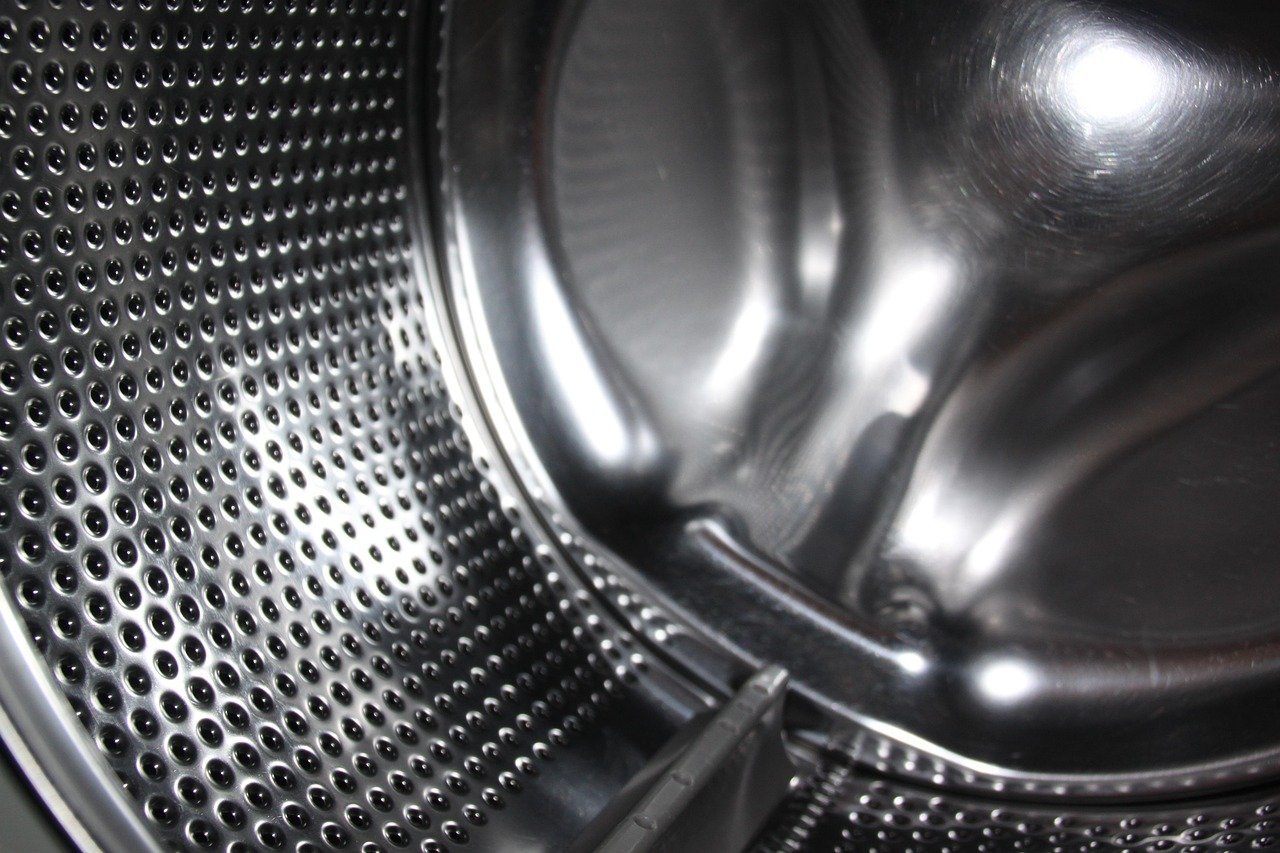
Front-loading machines generally use less water and energy than top-loaders of similar capacity. That gap has narrowed as top-loaders adopted high-efficiency designs, but the direction has held across testing for years. If the priority is the lowest running cost, the front loader usually wins.
The trade-offs are real, though. Front loaders have a door gasket that traps moisture, which is the single most common source of the musty smell owners complain about. Top loaders with agitators are gentler on the wallet and harsher on fabric. High-efficiency top loaders without agitators split the difference but can struggle to move a bulky load evenly.
For households that wash bulky bedding or work clothes weekly, capacity and agitation matter more than a few dollars a year in electricity. For a two-person apartment, a smaller front loader with a good spin cycle will dry faster and cost less to run.
The Features That Are Worth Paying For
Not every upgrade earns its price. Here is how the common ones sort out in practice.
A good spin speed is the most underrated spec. Higher spin speeds extract more water, which cuts dryer time. A machine that spins at 1,300 rpm can shave real minutes off every load compared with one that tops out at 800 rpm. That saving compounds across a year.
Delay start and soil sensing are genuinely useful. Soil sensors adjust cycle length and water use automatically, which is exactly the kind of automation that pays for itself quietly.
Steam cycles are pleasant but rarely decisive. They help with wrinkles and allergens; they do not transform a mediocre washer.
App connectivity is the feature most likely to be abandoned. A notification that the load is done is nice for the first month. A machine that requires a firmware update to start a cycle is a liability.
Extended warranties deserve skepticism. Standard US coverage is typically one year parts and labor, with some brands extending coverage on the motor or drum. Warranty disclosure is governed by federal rules under the Magnuson-Moss Warranty Act, which is why the terms are spelled out in more detail than most buyers read. Read them anyway, particularly the parts excluded.
How to Read Reviews Without Getting Fooled
Reviews are useful, but only if you know what kind you are reading.
First, separate verified purchase reviews from everything else. A five-star review posted the day a machine arrives is a review of the delivery experience. The reviews that matter are dated eighteen months out and mention a specific repair.
Second, watch for rating drift. A model that was top rated three years ago may have been quietly revised. Part numbers change, suppliers change, and the machine on the floor is not the machine in the old review. Check the model number carefully, including any suffix.
Third, be suspicious of a single perfect score. A machine with 4.8 stars across 6,000 reviews and a machine with 5.0 stars across 40 reviews are not equivalent, and the second one is probably a small sample with a promotional push behind it.
Fourth, look for what reviewers complain about repeatedly. One complaint about noise is an outlier. Forty complaints about a door that will not latch is a pattern.
Maintenance Habits That Separate Happy Owners From Frustrated Ones
The most common reason a well-rated machine starts performing badly is not a defect. It is a habit.
Leave the door open. On a front loader, the gasket stays wet after every cycle. Closing the door traps that moisture, and the smell that follows is not a manufacturing flaw. Wiping the gasket dry and leaving the door ajar costs nothing and solves most of it. If the smell has already set in, a proper cleaning routine will reset things, and there is a solid walkthrough on how to clean a washing machine so it stops smelling and lasts longer that covers the drum, the gasket, and the detergent drawer in the right order.
Use the right amount of detergent. High-efficiency machines use less water, which means excess detergent does not rinse away. It builds up as residue, feeds odor, and can trigger oversudsing errors. The dose on the bottle assumes a full load and hard water. Most people need less.
Check the hoses. A burst inlet hose is one of the most common causes of catastrophic water damage in a home, and it usually happens while nobody is watching. A small leak sensor placed on the floor behind or beside the machine catches the early drip. Placement matters more than the gadget, and there is a practical guide to where to place a water leak sensor under a washing machine that explains why the corner nearest the inlet valves is the spot that counts.
Run a hot maintenance cycle monthly. A hot cycle with a drum cleaner keeps residue from accumulating. It is the cheapest insurance in the laundry room.
Level the machine. Vibration is the number one cause of premature bearing failure. A machine that walks across the floor during a spin cycle is telling you something.
Matching the Machine to the Household
The top-rated machine overall is rarely the top-rated machine for a specific home. A few profiles sort this out quickly.
Two adults, city apartment, no dryer vent: a compact front loader with a high spin speed. Running cost matters, and drying space is limited.
Family of four with a yard and a mud season: a large-capacity top loader with a sturdy suspension. Volume and durability beat efficiency here.
Anyone who washes bedding weekly: check the drum depth against a king comforter before buying. Capacity ratings will not tell you this.
Anyone in a humid climate: prioritize a machine with a cycle designed to dry the drum between uses, or budget for a gasket wipe every single time.
For households also shopping for a combined unit, the trade-offs shift again, and a comparison of the best brands for a washing machine with a dryer covers where combination units earn their price and where they fall short.
Where Standards Fit In, and Why They Keep Changing
Appliance standards are not static. The US test procedures for clothes washers were updated in the mid-2010s, replacing the older modified energy factor and water factor metrics with integrated modified energy factor and integrated water factor. That is why an old review and a new label can describe the same machine in different units, and why comparing a 2014 review to a 2024 label is an apples-to-oranges exercise.
In the European Union, washing machines carry a label under Regulation (EU) 2019/2014, which took effect with a rescale on 1 March 2021. The rescale removed the A+++ classes and returned to a simple A to G scale, and it added information on noise and program duration. If a shopper is comparing an imported machine or reading reviews from different regions, the class letters are not interchangeable across the changeover.
The practical takeaway is simple: when a review quotes an efficiency number, check the year and the metric before trusting the comparison. The underlying machine may be identical.
How Smart Features Are Changing the Category
Modern washers increasingly ship with sensors and connectivity, and the marketing language has drifted toward artificial intelligence. Some of it is real: soil sensors, load-weight detection, and automatic detergent dosing are genuine engineering. Some of it is a label on a timer. Understanding what AI washing actually means in a product context helps separate the two, because the term gets applied to everything from a fuzzy-logic controller to a full sensor suite.
The same confusion shows up in adjacent categories. Machines that read and interpret text on a garment tag are a different technology from machines that adjust a wash cycle based on turbidity sensors, and the broader shift toward physical AI technology in machines that act on their environment is worth understanding before paying a premium for it. The honest question to ask about any smart feature is whether it removes a step the owner was already doing badly. If it does, it earns its price. If it adds an app, it probably does not.
Conclusion
The top-rated washing machine for a given home is the one that matches three things: the household’s load profile, the local cost of water and energy, and the owner’s willingness to do ten seconds of maintenance after each cycle. Efficiency labels and voluntary tiers give a fair, tested comparison of running cost, and they are the most trustworthy numbers on the box. Capacity claims and reliability rankings deserve more skepticism, because the measuring methods vary and the underlying data is survey-based rather than audited.
Buy for the spin speed, the drum size you can actually verify, and the warranty terms you actually read. Then leave the door open, use less detergent than the bottle says, and put a leak sensor where the water would land. A well-rated machine maintained poorly will underperform a mid-tier machine maintained well, every time.
FAQ
What does the yellow EnergyGuide label actually tell you?
It shows the estimated yearly energy use and cost for that specific model, calculated using standardized federal test procedures. Because every manufacturer is measured the same way, it is the most reliable tool for comparing running costs between two machines on the same showroom floor.
Is ENERGY STAR worth paying extra for?
Usually, if the machine will run several loads a week for a decade. The certification means the model beats the federal minimum efficiency standard by a set margin. The premium is easiest to justify in households with high electricity rates or heavy laundry volume.
Do front loaders really use less water than top loaders?
Yes, generally, for machines of similar capacity. The gap has narrowed as high-efficiency top loaders have improved, but the front-loading design still tends to use less water per cycle. The trade-off is a door gasket that needs drying to prevent odor.
Why do washing machine capacity claims vary between brands?
Because there is no single enforced measuring method. Some brands quote total drum volume, others quote usable volume, and the difference can be meaningful. Bring a tape measure and check the drum depth if a specific bulky item matters to you.
How often should a washing machine be cleaned?
A hot maintenance cycle with a drum cleaner once a month is a reasonable baseline for most households. Front-loader owners should also wipe the door gasket dry after each use, since trapped moisture is the leading cause of musty odors.
Does an extended warranty make sense on a washer?
Often not. Standard coverage is typically one year parts and labor, and some brands extend coverage on the motor or drum specifically. Compare the extended plan’s exclusions against the typical repair costs for the model before deciding, and read the disclosure terms carefully.



