

What exactly is that clear orange bottle sitting between the vodka and the vermouth, and why does almost every classic cocktail call for it? Triple sec is one of the most common ingredients in the bartender’s toolkit, yet it is also one of the most misunderstood. People pour it into a Margarita without thinking twice, then wonder why the drink tastes syrupy. Others swap it for whatever orange liqueur is on the shelf and end up with a cocktail that is twice as strong as expected. (Plan road trip that runs smoothly from day one)
This guide cuts through the confusion. It covers what triple sec actually is, where it came from, how it differs from curaçao and Cointreau, how to pick a good bottle, and the practical mistakes that ruin drinks. By the end, that dusty bottle will make sense.
What Is Triple Sec?
Triple sec is a clear, orange-flavored liqueur. Producers make it by soaking dried sweet and bitter orange peels in alcohol, then sweetening the liquid and usually distilling or filtering it back to clarity. The result is a bright, clean orange flavor with a sugary backbone and an alcohol kick that ranges widely from brand to brand.
It belongs to a broader family of orange liqueurs known as curaçao, which takes its name from the Caribbean island of Curaçao. The main visual difference is color: curaçao is often dyed blue or orange, while triple sec is almost always colorless. That clarity is part of its appeal. A triple sec won’t tint a Cosmopolitan pink or muddy a Sidecar, so bartenders reach for it when they want orange flavor without color.
The name is French for “triple dry,” which is a little odd given how sweet the stuff is. The “triple” is often explained as a reference to triple distillation, or to a blend of three types of orange peel. Honest answer: nobody has documented the etymology firmly, and drinks writers have argued about it for decades. Treat any confident origin story with suspicion. (Triple wide mobile homes)
A Short, Slightly Murky History
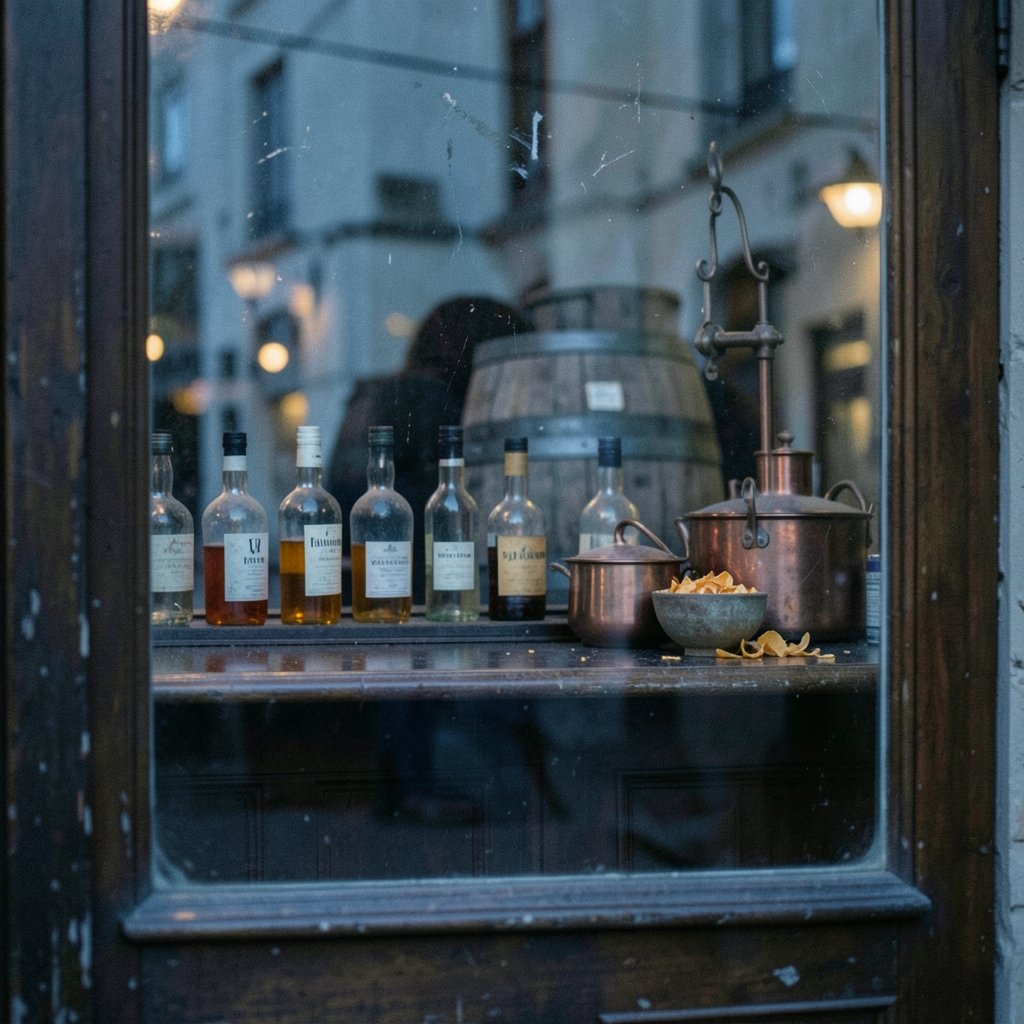
Orange liqueurs in this family trace back to the 19th century. The curaçao name points to the Caribbean, but the commercial story is distinctly French. The distiller Jean-Baptiste Combier, working in Saumur, is often credited with creating triple sec around 1834, and Cointreau was founded in Angers in 1849. Both claims come from the companies themselves, so they are worth taking with a grain of salt. Independent confirmation is thin on the ground.
What is clear is that by the late 1800s, orange liqueur had become a fixture behind European bars, and it crossed the Atlantic with the cocktail culture that produced the Sidecar and the Margarita. The category has been a bartending staple ever since.
How Triple Sec Tastes
Good triple sec tastes like fresh orange zest with a clean, sugary finish. Bad triple sec tastes like orange candy, nail polish, or flat syrup. The gap between the two is enormous, which is why brand matters more here than in almost any other cocktail ingredient.
Flavor leans on two kinds of peel. Sweet orange brings roundness and juice-like brightness. Bitter orange, often from the same trees used for marmalade, adds a pleasant pithy edge that keeps the liqueur from turning cloying. The best bottles balance those two against a noticeable but not aggressive alcohol burn.
Alcohol content varies more than most shoppers expect. Commercial triple secs commonly run from about 15% to 40% ABV. Cointreau sits at the top of that range at 40% ABV, which is why recipes that swap it in for a low-proof triple sec can taste noticeably boozier.
| Style | Typical ABV | Sweetness | Best use |
|---|---|---|---|
| Budget triple sec | 15-25% | High | Party punches, large-batch drinks |
| Mid-range triple sec | 20-30% | Medium-high | Margaritas, Cosmos, everyday mixing |
| Premium triple sec | 30-40% | Balanced | Sidecars, spirit-forward cocktails |
| Cointreau | 40% | Balanced, dry finish | Any recipe calling for orange liqueur |
Triple Sec vs. Curaçao vs. Cointreau
This is where most home bartenders get tangled up. The short version: triple sec is a type of curaçao, and Cointreau is a premium brand of triple sec. The long version matters for your shopping list.
Curaçao is the umbrella term for orange liqueurs. It includes clear versions, blue versions, and orange-colored versions. Some producers use “curaçao” and “triple sec” interchangeably on labels, and in most markets there is no strict legal line between them.
Cointreau is a specific French brand founded in 1849, bottled at 40% ABV. It is technically a triple sec, but the company markets it under its own name, and many recipes list it separately because its higher proof and drier finish change the drink.
Grand Marnier is a different animal. It is a cognac-based orange liqueur, so it brings barrel notes and a heavier mouthfeel. Swapping it into a Margarita works, but the drink becomes richer and more expensive.
Blue curaçao is the same orange flavor dyed bright blue. It tastes similar but will turn your drink a color that is hard to ignore.
Triple Sec in Classic Cocktails
Triple sec earns its keep because it does two jobs at once: it adds orange flavor and it adds sweetness. That combination shows up in some of the most ordered drinks in the world.
- Margarita. Tequila, lime juice, and triple sec. The orange liqueur bridges the agave and the lime, which is why the drink tastes flat without it.
- Cosmopolitan. Vodka, cranberry, lime, and triple sec. The liqueur gives it the citrus backbone that keeps it from tasting like juice.
- Sidecar. Cognac, lemon juice, and triple sec. One of the oldest uses of the ingredient, and one of the most demanding, since a low-quality bottle shows immediately.
- White Lady. Gin, lemon, and triple sec. A gin sour with an orange accent.
- Long Island Iced Tea. A little of everything, including triple sec, which contributes to the drink’s infamous strength.
Ratios matter. A common mistake is treating triple sec as a background note and pouring a heavy splash. Because it is sweet, too much turns a crisp Margarita into syrup. Start with a standard ratio of two parts spirit, one part lime, and one part triple sec, then adjust.
How to Choose a Bottle
Shoppers face a wall of options at wildly different prices. A few practical rules cut through it. (How to Plan a Road Trip: A Step-by-Step Guide for 2026)
First, check the ABV on the label. Anything under about 20% is essentially sweetened orange water, and it will water down your drink. Mid-range bottles in the 25-30% range are the sweet spot for everyday mixing. If a recipe specifically calls for Cointreau, the 40% figure is part of the design.
Second, taste before you commit to a big bottle. Cheap triple sec has a harsh, synthetic orange note that no amount of fresh lime can hide. A small bottle costs little and tells you everything.
Third, store it properly. Like all liqueurs, triple sec fades over time. Keep it sealed, away from heat and sunlight, and it will hold up for years. An open bottle slowly loses its brightness, so a bottle that has sat in a warm cabinet for a decade is not doing your cocktails any favors. (Distilled Spirits)
Finally, do not assume expensive means better for every drink. A premium bottle shines in a Sidecar, where the spirit is the star. In a blended pitcher of Margaritas for a crowd, a solid mid-range bottle does the job without the sticker shock.
Common Mistakes and What Actually Works
A few habits separate good drinks from disappointing ones.
Swapping without adjusting. If a recipe calls for a 15% triple sec and you use a 40% Cointreau, the drink gets stronger and drier. That is often an improvement, but it is a change. Taste as you go.
Ignoring the sweetness. Triple sec is a liqueur, not a juice. If a drink tastes cloying, the fix is usually less liqueur and more fresh citrus, not more spirit.
Using old, stale bottles. Orange liqueur loses its edge quietly. If your Margarita suddenly tastes dull and you cannot figure out why, check the bottle’s age.
Skipping fresh juice. Bottled lime juice and triple sec together make a flat drink. Fresh citrus is the single biggest upgrade you can make.
Forgetting the non-alcoholic option. Alcohol-free “triple sec” syrups exist for mocktails. They are not liqueurs and are not covered by spirit regulations, but they deliver the orange note without the alcohol. Just expect more sugar and adjust the recipe.
The Regulatory Picture
In the European Union, triple sec is not a protected geographical indication. It is a generic liqueur category rather than a controlled name, which is why so many producers use it freely. General EU rules on spirit drinks and liqueur labeling set the broad framework, but they do not carve out a special definition for triple sec specifically. In the United States, federal rules define “liqueur” and “cordial” broadly rather than defining triple sec as its own category. The practical takeaway for shoppers: the label tells you less than the ABV and the ingredient list, so read those instead of trusting the name.
Conclusion
Triple sec is one of those ingredients that rewards a little attention. It is a clear orange liqueur, a member of the curaçao family, and the quiet workhorse behind the Margarita, the Cosmopolitan, and the Sidecar. The name’s history is fuzzy, the brand landscape is crowded, and the quality gap between bottles is real. But the rules for using it well are simple: check the ABV, buy a bottle you have actually tasted, use fresh citrus, and adjust ratios when you swap brands. Get those basics right, and that clear orange bottle stops being a mystery and starts being one of the most useful things on your bar shelf.
Frequently Asked Questions
Is triple sec the same as Cointreau?
Not exactly. Cointreau is a brand of triple sec, so it belongs to the category, but it is bottled at 40% ABV and has a drier finish than most budget triple secs. Recipes often list it separately because that higher proof changes the balance of a drink.
Is triple sec alcoholic?
Yes. Commercial triple secs typically range from about 15% to 40% ABV, so it is a genuine liqueur, not a syrup. The exact strength varies by brand, so check the label before assuming.
What can I use instead of triple sec?
Cointreau, Grand Marnier, and other curaçaos all work as substitutes. Grand Marnier is cognac-based, so it adds richer, barrel-aged notes and extra sweetness. Adjust the ratios, since sweetness and proof differ from bottle to bottle.
Does triple sec go bad?
It does not spoil in the way fresh food does, but it fades. An open bottle slowly loses its bright orange character, especially if stored warm or in sunlight. Keep it sealed and cool, and replace bottles that have gone flat.
What is the difference between triple sec and blue curaçao?
Both are orange liqueurs in the curaçao family. Triple sec is usually clear, while blue curaçao is dyed bright blue. The flavor is similar, but the color changes the look of the drink dramatically.
Is there a non-alcoholic triple sec?
Yes. Alcohol-free orange syrups marketed as triple sec exist for mocktails. They are not liqueurs and fall outside spirit regulations, so expect a sweeter, simpler flavor and adjust your recipe accordingly.



