
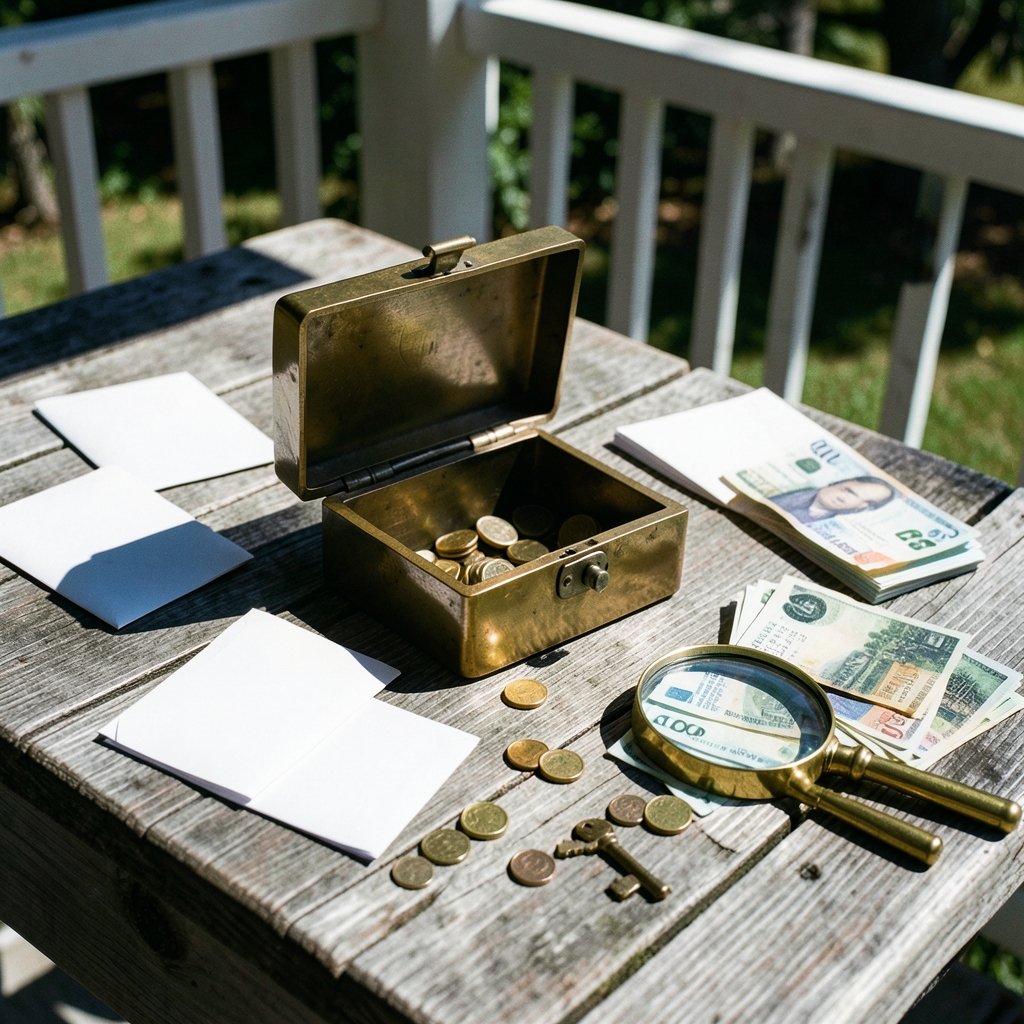
What would you do if you found out a stranger has been holding onto money that belongs to you? It sounds like the setup for a legal thriller, but in Florida, it happens every single day. Banks, insurers, utilities, and employers routinely lose track of people they owe money to. When they can’t find the owner, that cash doesn’t vanish. It gets handed over to the state, which holds it until someone shows up with proof it’s theirs.
Florida’s unclaimed property program has returned enormous sums to residents over the years, yet a huge share of the money sitting in state custody still has no claimant. Many people never check because they assume they have nothing waiting. That assumption is often wrong. This guide walks through how the program works, how to search, how to file a claim, and how to avoid the scammers who circle this pot of money like sharks.
How Florida’s unclaimed property system actually works
The Florida Department of Financial Services (DFS), led by the state’s Chief Financial Officer, runs Florida’s unclaimed property program. The public-facing search portal is branded FLTreasureHunt.gov, and it is the only official place to search for and claim property held by the state.
The legal backbone is Chapter 717 of the Florida Statutes, titled “Disposition of Unclaimed Property.” That chapter defines what counts as abandoned property, how long a business must hold it before reporting it, and how the state must handle it afterward.
Here’s the flow in plain terms. A bank account sits dormant. An insurance payout goes uncashed. A utility deposit is never refunded. After a set period of inactivity, the business holding that money becomes a holder under the statute. The holder must report the property to DFS and remit it. From that moment, the state is essentially a custodian. The original owner, or their heirs, can claim it at any time. The state does not get to keep the money permanently.
One detail that surprises people: the state holds the property indefinitely in most cases. There is no ticking clock that makes your claim expire. If your name is on it, you can pursue it years or even decades later.
What kinds of property end up in state custody

The list is broader than most people expect. Common categories include:
- Dormant checking and savings accounts
- Uncashed payroll and vendor checks
- Insurance proceeds and refunds
- Utility and rental security deposits
- Stocks, mutual fund shares, and dividends
- Contents of abandoned safe-deposit boxes
- Unredeemed gift balances and refunds owed to customers
Dormancy periods differ by category under Chapter 717. A general item may become reportable after a few years of inactivity, while other categories follow their own timelines. The exact holding period matters if you are a business trying to comply, so the statute itself is the place to check rather than a blog summary.
For readers who want to understand how abandoned assets fit into the wider financial picture, including how digital money and new payment rails are changing the landscape, this explainer on central bank digital currency and money going digital is a useful companion read.
How to search for unclaimed money in Florida
The search itself takes minutes. Here is the practical sequence that works:
- Go to the official FLTreasureHunt.gov portal. Bookmark it so you never land on a lookalike site.
- Search your current legal name and any former names, including maiden names and name changes after marriage or divorce.
- Search every city and ZIP code where you have lived. Property is often filed under an old address, not your current one.
- Check variations: middle initial versus full middle name, nicknames, and common misspellings.
- Search for deceased relatives too. Estates frequently have unclaimed insurance proceeds or bank balances that heirs never knew about.
A few practical tips from people who do this often. Search one name at a time rather than combining household members. If you find a match, screenshot the record number before you leave the page. And run the search again every year or two, because new property gets reported on an annual cycle.
Businesses and nonprofits should search their entity names as well. A closed location, a former trade name, or an old vendor relationship can leave refunds and deposits stranded in the system.
Filing a claim: what the state asks for and why
Once you spot a match, the claim process begins. DFS generally requires proof of identity and proof of ownership. That second part trips people up. You may need to show a document linking you to the property: an old statement, a prior address record, a policy number, or estate paperwork if you are claiming on behalf of someone who has died.
Expect these steps:
- Select the property in the portal and start an online claim.
- Upload identification and any ownership documents requested.
- Provide your current contact and payment details.
- Respond promptly to any follow-up requests from the state.
- Track the claim status through the portal until it is approved.
Approval timelines vary with the complexity of the claim. A simple account with a clean paper trail moves faster than an estate claim involving multiple heirs or missing documentation. The single biggest cause of delay is an incomplete submission, so read the checklist carefully before uploading anything.
The fee question and the finder industry
Filing a claim directly with the state is free. That bears repeating, because a whole industry exists around charging people to do what they can do themselves in twenty minutes.
Finders, sometimes called locators, are third parties who search public records for unclaimed property and then contact owners offering to recover it for a cut. Florida law regulates these arrangements and caps what a finder may charge, but the exact statutory limit should be confirmed against the current text of Chapter 717 rather than a secondary summary. The practical rule is simple: if someone demands an upfront payment before revealing what property they found, walk away. Legitimate recovery agreements are typically contingent on successful recovery and are written down.
Scam patterns around unclaimed money are worth recognizing. Unsolicited calls, texts, or letters claiming you are owed money and asking for a fee, bank details, or a gift card payment are red flags. This breakdown of how the gift card scam works and why victims rarely get their money back explains the mechanics clearly. The safest path is always to verify the property yourself on the official state portal before signing anything or sending a dollar.
Beyond Florida: other places your money might be hiding
Florida’s program only covers property remitted to the state. Other pots exist elsewhere.
The FDIC maintains information about unclaimed funds from failed banks and certain institution resolutions, which is separate from any state program. Each state runs its own unclaimed property office, and the National Association of Unclaimed Property Administrators (NAUPA) operates a multistate search resource that lets you check several states at once. If you have lived in more than one state, this is worth doing.
Federal sources also matter. Unclaimed tax refunds, savings bond proceeds, and certain pension benefits live in separate systems from state property. None of them will ever call you out of the blue asking for a processing fee.
Why so much money stays unclaimed
The scale of Florida’s holdings runs into the billions of dollars, and hundreds of millions flow back to owners each year. Yet a large share remains untouched. Several reasons explain the gap.
People move and change names. A woman who married and changed her surname may never think to search her maiden name. Families scatter after a death and heirs don’t know a policy existed. Small amounts get written off as not worth the effort, even though a five-minute search costs nothing. And a persistent myth holds that unclaimed property is a scam, so people ignore legitimate notices along with the fake ones.
There is a broader lesson here about where money quietly leaks away. Identity fraud and account takeover are among the reasons accounts go dormant or get misdirected in the first place, and understanding where the money goes in identity threat detection costs helps explain why some assets end up in state custody with no clear owner trail.
For small business owners, the same discipline applies to their own operations. Money owed to a company that never gets collected eventually becomes state property. Keeping clean records of deposits, vendor credits, and closed accounts prevents that leakage. Teams evaluating new tools to tighten up their finances might find this guide on using AI business automation without wasting money relevant to keeping books reconciled.
Common mistakes that cost people their claims
A handful of errors show up again and again.
- Searching only the current name. Maiden names, prior married names, and business names all matter.
- Paying a third party first. Search and claim directly for free.
- Ignoring small amounts. They add up, and claiming one record often surfaces others.
- Skipping deceased relatives. Estates frequently hold unclaimed assets that heirs can recover with proper documentation.
- Failing to update contact details. If the state needs to reach you and your address is stale, the claim stalls.
- Using a lookalike site. Only the official state portal is authoritative.
Conclusion
Unclaimed money in Florida is not a myth, a lottery, or a trap. It is a real, state-run custody system holding billions of dollars in dormant accounts, uncashed checks, insurance proceeds, and forgotten deposits, much of it belonging to people who simply never looked. The search is free, the claim process is straightforward, and the state holds property indefinitely until someone comes forward.
The smart move is to spend twenty minutes this week searching your name, your former names, and the names of relatives who have passed. Search old addresses. Check other states if you have lived elsewhere. Then set a reminder to do it again next year. If you find something, claim it directly through the official portal and keep your documents organized. If someone contacts you first and wants money to reveal what you are owed, verify everything independently before you sign, pay, or share a single detail. The money is yours. Go get it the free way.
Frequently asked questions
Is it really free to claim unclaimed money in Florida?
Yes. Filing a claim through the official state portal costs nothing. Third-party finders may charge a fee for locating property, and Florida law caps those charges, but you never need to pay anyone to submit a claim yourself.
How long does Florida hold unclaimed property before I lose my right to it?
In most cases the state holds property indefinitely as a custodian, so there is no deadline that extinguishes your claim. Dormancy periods determine when a business must hand property over to the state, not when your right to claim it ends.
What documents do I need to file a claim?
You generally need proof of identity, such as a government-issued ID, plus proof linking you to the property. That could be an old bank statement, an insurance policy number, a prior address record, or estate documents if you are claiming for someone who has died.
Can I search for unclaimed money belonging to a deceased relative?
Yes. Estates often hold unclaimed insurance proceeds, bank balances, and refunds. You will typically need documentation showing you are the legal heir or personal representative, such as a will, court order, or letters of administration.
How do I know if a message about unclaimed money is a scam?
Treat any unsolicited call, text, or letter demanding an upfront fee, gift card payment, or sensitive banking details as a red flag. Verify the property yourself on the official state portal before responding, signing, or paying anything.
Do I need to check other states too?
If you have lived or worked outside Florida, yes. Each state runs its own unclaimed property program, and a multistate search through the national association of state programs lets you check several at once. Federal sources like the FDIC cover separate categories such as funds from failed banks.



