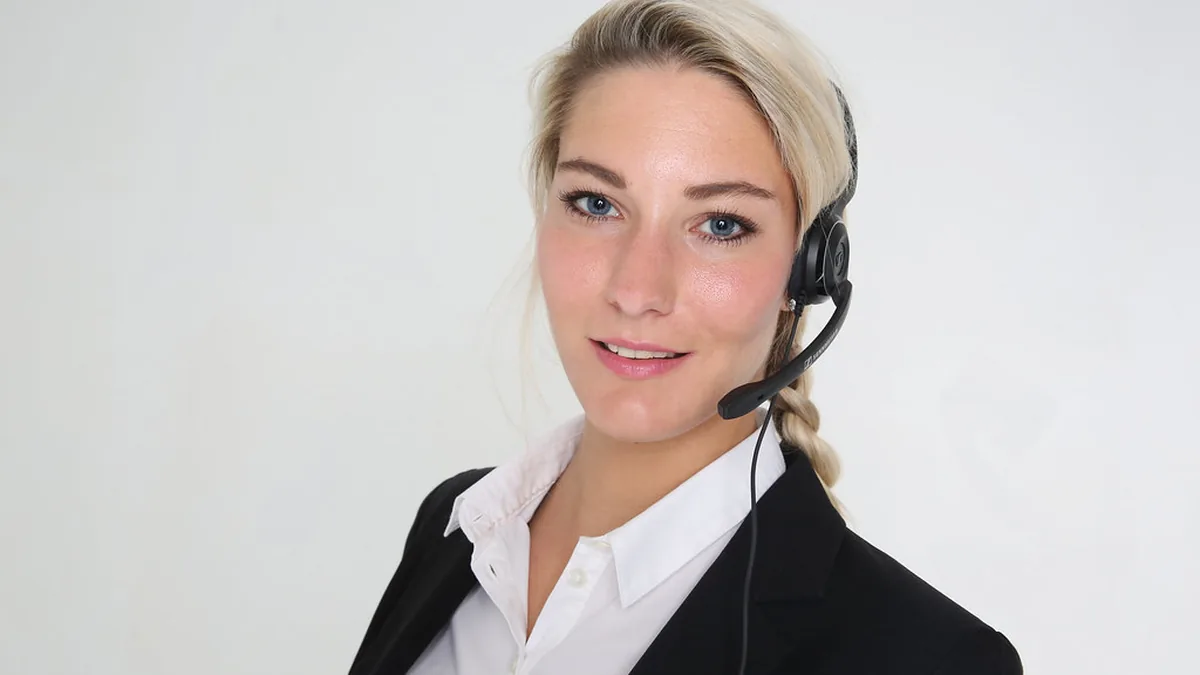
What Is AI Voice Biometrics?
When you call your bank and a recorded voice asks you to say a short phrase, you are probably meeting voice biometrics. The system is not listening to what you say so much as how you say it: the pitch, rhythm, and tone that make your voice yours. It compares that sound against a stored voiceprint and decides whether the speaker is likely to be you.
AI has made this technology far more practical than it used to be. Older systems needed long, clean recordings and struggled with background noise, colds, and cheap phone microphones. Modern systems learn from shorter samples, cope better with everyday noise, and can work in the background of a normal conversation, checking identity without asking the caller to repeat a phrase three times.
This guide explains what AI voice biometrics is, how it works, and what it means for privacy. It is an explainer, not a buying guide, and it avoids claims about any particular vendor’s accuracy, because those claims are hard to verify and change quickly as systems are updated.
Key takeaways
- Voice biometrics identifies a person from the sound of their voice, not from the words they say.
- A voiceprint is a mathematical summary of vocal features, not a recording of your voice.
- There are two main uses: verifying a claimed identity and identifying an unknown speaker.
- The technology works best with clear audio and can struggle with noise, illness, and ageing voices.
- Privacy rules matter as much as the technology, because voice data is personal and hard to change.
What Voice Biometrics Means
Voice biometrics is the use of a person’s voice as a way to confirm who they are. Every voice carries a mix of features shaped by the size and shape of the vocal tract, the way a person breathes, and the habits of their speech, such as pace and emphasis. Together, those features form a pattern that is distinctive enough to be useful for identification, even though it is not as fixed as a fingerprint.
It helps to separate two ideas that are often confused. Speech recognition is about understanding words: turning sound into text. Voice biometrics is about recognising the speaker: deciding whose voice it is, regardless of the words. A system can do one without doing the other, and many call centres use both at once, transcribing what you say while also checking that you are who you claim to be.
How AI Voice Biometrics Works
The process has two stages, and both rely on machine learning. First comes enrolment, when the system records a short sample of your voice and turns it into a voiceprint. This is not a copy of the recording. It is a compact set of numbers that describes the distinctive features of your voice, such as the shape of the sounds you make and how they change over time.
Later, when you speak again, the system creates a fresh voiceprint from the new audio and compares it with the stored one. If the two are close enough, the system accepts the match. If they are too far apart, it rejects it or asks for another check. The threshold for close enough is a balance: set it too loose and the wrong person may get in, set it too strict and real users get locked out on a bad day.
Types of Voice Biometrics
The most common split is between verification and identification. Verification, often called one-to-one matching, checks whether you are who you claim to be. You say who you are, then the system checks your voice against the single stored print for that identity. This is the version used when you call a bank and confirm your account.
Identification, or one-to-many matching, tries to work out who is speaking without being told. The system compares the voice against many stored prints and looks for the closest match. This is used in some security and fraud settings, but it is more demanding and more sensitive, because it involves searching a whole database of voices rather than checking one.
Benefits and Risks
The main benefit is convenience. Speaking is faster than typing a password or answering a string of security questions, and it works hands-free, which matters for drivers, people with limited mobility, and anyone calling from a phone. For support teams, it can also shorten calls, because identity checks happen in seconds rather than minutes.
The risks are real, though. Voice data is personal data, and unlike a password, you cannot change your voice if it is stolen. A recording of your voice can also be used to create a convincing fake with modern audio tools, which is why liveness checks, the tests that try to tell a live speaker from a recording, matter so much. Systems also make mistakes, and those mistakes are not shared evenly: people with accents, speech differences, or older voices may face more false rejections than others.
For a broader view of how organisations think about protecting personal data, our explainer on what cybersecurity is covers the basics of keeping accounts and information safe. Voice biometrics is one layer in that wider picture, not a replacement for the rest of it.
Real-World Uses
Customer support is the most familiar use. Banks, insurers, and telecom companies use voice checks to confirm callers before discussing an account, which cuts down on the security questions that frustrate customers and slow down agents. Some systems run the check in the background while the caller explains their problem, so the conversation never stops for a password.
There are also uses behind the scenes. Fraud teams compare the voices of callers against lists of known fraudsters, and some workplaces use voice checks to confirm who is speaking on a recorded call. In media and podcasting, similar audio analysis helps with tasks like speaker labelling and transcription, and our roundup of the best AI tools for podcasting in 2027 shows how voice technology is already part of everyday audio work.
Voice Biometrics Compared With Other Methods
Compared with passwords, voice biometrics is easier to use and harder to forget, but it is also harder to replace if it is compromised. A password can be reset in a minute. A voice cannot. That is why most serious systems use voice as one factor among others, rather than the only check.
Compared with fingerprints, voice works at a distance and over a phone, but it is also less stable. A fingerprint changes little over a lifetime, while a voice shifts with health, age, and mood. Fingerprints also need a sensor, while voice needs only a microphone, which is why voice wins in call centres and loses in settings where a physical sensor is easy to provide.
Compared with face recognition, voice is less dependent on lighting and cameras, but it is more affected by noise and by the quality of the connection. Face systems also raise their own privacy concerns, and many people find a voice check less intrusive than a camera, even though both collect biometric data.
Privacy, Consent, and the Law
Voice is biometric data in most privacy laws, which means organisations that collect it carry extra duties. They usually need a clear reason to collect it, consent from the person, and a plain explanation of how it will be used, how long it will be kept, and who can access it. Storing a voiceprint is not the same as storing a recording, but both need care, and both need to be protected.
Consent should be real, not buried in a long terms page. A person should know when their voice is being recorded for identification, be able to choose another method, and be able to ask for their voiceprint to be deleted. If a system works passively in the background, that duty is even stronger, because the person may not realise a check is happening at all.
The legal picture is still developing, and rules differ by country and by sector. Financial services, healthcare, and employment each carry their own requirements, and some places restrict biometric collection more tightly than others. Anyone planning to use voice biometrics should check the rules that apply to their own situation rather than assuming one policy fits everywhere. Our guide to the best AI tools for legal teams in 2027 is a useful starting point for seeing how legal work is adapting to AI, though it does not replace advice about a specific case.
Frequently Asked Questions
Can someone fool voice biometrics with a recording?
A simple recording can fool a basic system, which is why serious systems include liveness checks that look for signs of a live speaker, such as asking for a fresh phrase or detecting the difference between a person and a loudspeaker. No system is perfect, though, and voice checks work best as one layer of security rather than the only one.
Does voice biometrics store a recording of my voice?
It usually stores a voiceprint, which is a mathematical summary of your voice, not a playable recording. Some systems also keep short recordings for training or quality checks, and they should tell you when they do. If you are unsure, ask the organisation what it stores, how long it keeps it, and how to have it deleted.
What happens if I have a cold or my voice changes?
Most systems allow for some change, but a bad cold, a sore throat, or a big change in your voice can cause a false rejection. In that case the system should offer another way to verify yourself, such as a code sent to your phone. If it does not, that is a sign the system was not designed with real life in mind.
Is voice biometrics more accurate than a password?
That is the wrong comparison. A password is either right or wrong, while a voice check gives a probability, and it can make mistakes in both directions. Voice checks are more convenient and harder to guess, but they are also harder to replace if they fail. The safest setups use voice alongside another check, not instead of one.
Can voice biometrics work in a noisy place?
It can, but noise makes it harder. Modern AI systems cope better with background sound than older ones, but a busy street, a loud office, or a poor connection can still cause failures. If you are being asked to verify your voice, moving somewhere quieter and speaking clearly will help more than repeating the phrase louder.
Should I agree to enrol my voice?
That depends on what you get in return and how much you trust the organisation. Ask how your voiceprint is stored, how long it is kept, whether you can delete it, and what happens if the check fails. If the answers are clear and you can choose another method, enrolment is a reasonable trade. If the answers are vague, it is reasonable to say no.
The Bottom Line
AI voice biometrics is a practical way to confirm identity using something you always carry with you: your voice. It is faster and more convenient than passwords and security questions, and it works over an ordinary phone call, which is why banks, support teams, and smart devices have adopted it. But it is not foolproof. It depends on clear audio, it can struggle when voices change, and it raises real privacy questions that deserve clear answers.
The technology is best understood as one layer of security and convenience, not a replacement for the rest. Used with consent, clear rules, and a fallback when it fails, it can make everyday checks smoother. Used without those safeguards, it risks locking out the people it was meant to help. If you are asked to enrol your voice, the right question is not whether the technology works, but whether the organisation using it has earned your trust.