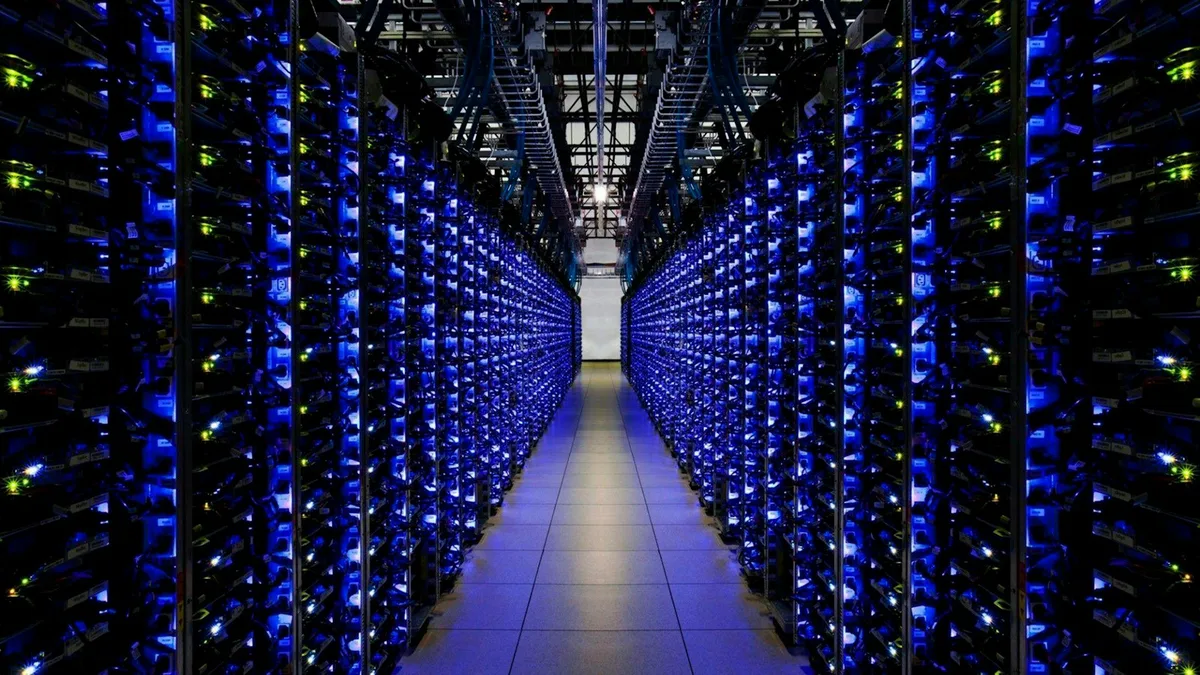
Big data is the name businesses give to information that is too large, too fast-moving, or too varied for ordinary spreadsheets and databases to handle. A small shop might keep a few thousand sales rows in a spreadsheet. A retailer with online orders, in-store tills, a loyalty app, and website clicks deals with millions of records a day, in formats that do not fit neatly into rows and columns.
The data itself is not the prize. The prize is what it reveals when it is collected, cleaned, and analysed properly: which products sell together, which customers are about to leave, and which marketing actually brings in orders. Companies that answer those questions well decide on evidence instead of habit.
The same tools that create the advantage create new responsibilities. Data has to be stored safely, used honestly, and kept within the law. A business that collects customer information without a plan for protecting it, or buys an expensive platform before knowing what question it wants answered, usually ends up with cost and risk instead of insight. This guide explains what big data is, where it comes from, and how a small business can use it safely.
Key takeaways
- Big data means datasets too large, fast, or varied for ordinary spreadsheets, defined by the five Vs: volume, velocity, variety, veracity, and value.
- Business data comes from sources most companies already have: sales systems, websites, apps, customer service, suppliers, and connected devices.
- Companies store it in cloud warehouses and data lakes, then analyse it with dashboards and machine learning to find patterns and make forecasts.
- Small businesses use it for practical jobs: customer insight, stock control, forecasting demand, and spotting problems early.
- The pitfalls are real: poor data quality, privacy rules, security risks, and tools bought before the question is clear.
What big data actually means
The simplest working definition is this: big data is information at a scale and speed where normal tools start to break. A basic database struggles when records arrive thousands of times a second, or when half of them are photos, videos, and sensor readings instead of tidy numbers. The field is usually explained through five characteristics, the five Vs.
Volume is the most obvious. A single online store can log every page view, search, abandoned basket, and completed order. The total quickly reaches terabytes and petabytes, which is why storage has moved to data centres and cloud platforms built for that scale.
Velocity is about speed. A fraud team needs to spot a suspicious card payment in seconds, not next week. A streaming service needs to update its recommendations while a viewer is still browsing. Systems built for big data act on information as it arrives, rather than waiting for an overnight batch job.
Variety is about the different shapes data takes. Structured data, such as prices and dates in a table, is only one part of the picture. Unstructured data includes emails, reviews, recordings, images, and video, while website logs and sensor feeds sit in between. A big data system has to bring these kinds together, because the useful answer often comes from combining them. Our guide to what software as a service means for your business explains the cloud tools many companies use to collect and manage this kind of information.
Veracity is about trust. Sensors fail, customers mistype their details, and duplicates creep in. Feed dirty data into an analysis and the results will look confident and be wrong. Much of the work is unglamorous checking: removing duplicates and deciding which sources to trust.
Value is the test that matters most. Data has no worth on its own. It only earns its keep when it changes a decision for the better: a product line kept because the numbers prove it sells, or a customer saved because the signs of churn were spotted in time. A project that cannot name the decision it will improve should not start yet.
Where business data comes from
Most businesses already generate far more data than they realise, and the first step is usually an inventory of what exists rather than buying anything new. The sales system is the most obvious source: every order, refund, and payment is a record. The website adds browsing behaviour: which pages people visit and where they give up. Customer service adds the words customers actually use.

Suppliers and logistics add another layer: delivery tracking, stock levels, and lead times all feed into decisions about what to order and when. Connected devices add more: a warehouse scanner, a smart till, or a delivery van’s GPS unit each produce a steady stream of readings. Even a small business with one shop and one website sits on several streams of data, useful only when brought together.
How companies store and analyse big data
Storage comes first, because analysis is impossible if the data cannot be found later. The two common approaches are data warehouses and data lakes. A data warehouse stores cleaned, organised information in tables, ready for reporting and dashboards. A data lake stores raw information in its original form, for examination later. Many companies use both: the lake for keeping everything, the warehouse for everyday questions. Both usually live in the cloud, where storage can grow without new hardware and computing can be rented by the hour.
Processing turns stored data into something a person can use. The simplest form is reporting: dashboards that show sales by week, by product, or by region, updated automatically. The next step is analysis: comparing groups and testing whether a change, such as a new price, actually made a difference. The most advanced step is prediction: using past patterns to forecast demand, estimate the risk of a customer leaving, or flag a transaction that looks like fraud. Prediction models are only as good as the data they are trained on. None of this requires building systems from scratch: cloud platforms provide the storage and computing, and many business applications now include reporting built in. The practical skill is judgement, not engineering: choosing the right question and checking the data. Protecting that data matters just as much as analysing it, and our guide on how to back up your computer covers the basics of keeping business information safe from loss.
What small businesses actually do with it
Customer insight is the most common use. A business that joins its sales records to its customer list can see which products different groups buy, how often they return, and how much they typically spend. That makes marketing less of a guess: a shop can offer a relevant product to people who bought something similar before, and stop spending on promotions the data shows nobody acts on.
Inventory is the second practical use. A retailer that tracks sales by day, by season, and by product can forecast what it will need next month instead of ordering by feel, avoiding two expensive mistakes: running out of a popular item, or over-ordering a slow one and tying money up in stock that sits on a shelf.
Forecasting and early warning are the third use. A steady fall in repeat orders, a rise in delivery complaints, or customers who stop opening emails are all signals that something needs attention. A business that watches a handful of such signals each week can fix small problems while they are still cheap. None of these uses require a data science team: a small business can start with the reports already inside its sales and website tools.
The caveats that matter
Big data projects fail more often from unclear thinking than from bad technology. A company that buys a platform before deciding what it wants to learn ends up with a costly system nobody uses. A company that trusts a dashboard without checking the underlying data acts on a mistake with confidence. And a company that collects personal data without a clear purpose and proper security ends up with a privacy problem that can cost far more than the insight was worth.
Privacy rules are a real constraint, not a formality. Customer names, addresses, payment details, and browsing behaviour are personal data, and the rules in most countries require a lawful reason to hold it, a clear explanation to the customer, and security that matches the risk. Keeping it too long or losing it in a breach can mean fines and lost trust. Cost is the other quiet trap: cloud storage looks cheap by the hour, but a system that stores everything forever and runs analyses nobody reads can grow into a large monthly bill. Set retention limits, turn off unused reports, and review the bill against the decisions the system actually supports.
| Detail | What is known |
|---|---|
| Definition | Data too large, fast, or varied for ordinary spreadsheets |
| The five Vs | Volume, velocity, variety, veracity, and value |
| Main sources | Sales, websites, apps, customer service, suppliers, devices |
| Storage | Cloud warehouses for reporting, data lakes for raw data |
| Analysis | Dashboards, statistics, and machine learning |
| Small-business uses | Customer insight, inventory, forecasting, early warning |
| Main risks | Poor data quality, privacy, security, and runaway cost |
| Starting point | Use reports already inside existing sales and website tools |
Checklist: judging a big data project honestly
- Name the decision first: write down the question the data must answer.
- List the data you already have: check sales, website, and customer service records before buying new sources.
- Check the quality: look for duplicates and missing values, and fix them before analysing.
- Limit personal data: collect only what the project needs, and set a deletion date for the rest.
- Price the whole project: include storage, computing, staff time, and training, not just the licence.
- Measure the result: agree what success looks like, and review it after three months.
Frequently asked questions
What is big data in simple terms?
Information too large, fast-moving, or varied for ordinary tools like spreadsheets to handle. It is defined by the five Vs: volume, velocity, variety, veracity, and value.
Is big data only for large companies?
No. Small businesses generate useful data every day from sales, websites, and customer service. The scale is smaller, but the same ideas apply: collect it carefully, check its quality, and answer a real business question.
What is the difference between big data and regular data?
Regular data fits neatly into tables and can be handled by a spreadsheet. Big data breaks those tools because of its size, speed, or mix of formats, such as text, images, and sensor readings.
Do I need to hire a data scientist to use big data?
Not to start. Most small businesses can begin with the reporting tools already built into their sales and website software. A specialist becomes useful later, when the questions get more complex.
What are the privacy risks of big data?
Holding personal data without a clear purpose, keeping it longer than needed, and losing it in a breach. Collect only what you will use, explain it to customers, and secure it properly.
How much does big data cost a small business?
It can start at almost nothing, using reports already included in existing software. Costs grow with cloud storage and staff time, so prove value with a small project first.
For a sense of the tools businesses actually buy to work with their data, our roundup of the best SaaS tools for startups in 2027 covers the software many small teams start with.
The bottom line
Big data is not a mystery and not a magic answer. It is the ordinary information a business already generates, at a scale that needs better storage, better checking, and better questions. The five Vs give a useful frame: volume, velocity, variety, veracity, and value.
For a small business, start with the question, not the tool. Use the data already on hand, check its quality, protect personal details, and judge the project by the decisions it improves.