Quick Answer: What dimes are worth money?
Dimes worth money fall into three groups: pre-1965 silver coins worth at least their melt value, low-mintage key dates like the 1916-D Mercury dime, and error or variety coins such as the 1982 no-mintmark Roosevelt dime. A collector can check a pocketful of change against a current price guide, weigh silver coins, and look for missing or doubled mintmarks.
Silver content and collector premium are separate things, and a coin can have one without the other. A worn 1964 Roosevelt dime is worth melt value only, while a sharp 1996-W dime carries a premium far above its ten-cent face.
Before valuing any dime, check the date and mintmark, the condition or grade, whether it is silver, whether it is a recognized variety, and recent sold prices rather than asking prices.
Why Most Dimes in Your Pocket Are Just Ten Cents
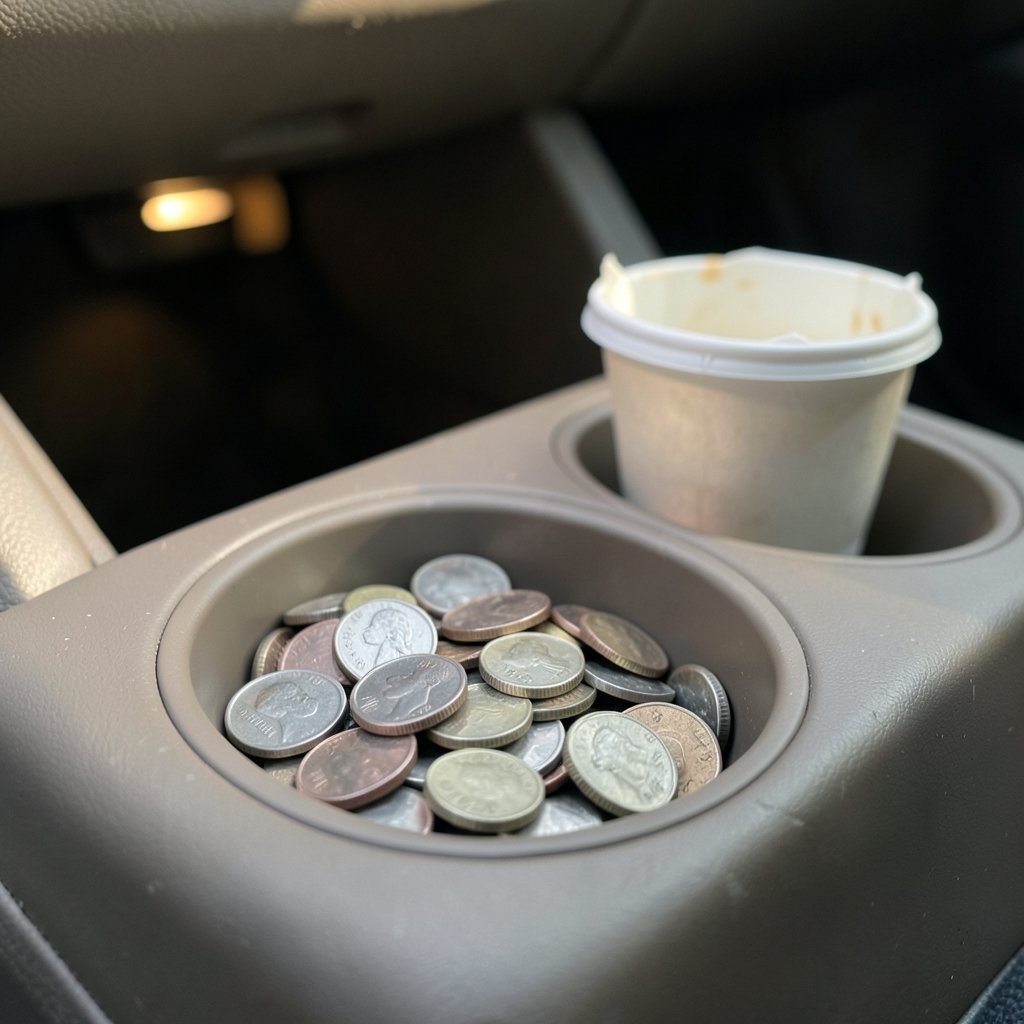
Here is a question worth asking before you dig through the junk drawer: how many dimes have you spent without ever looking at the date? Probably all of them. Most dimes are ordinary. They buy coffee, they rattle in cupholders, and they are worth exactly what the face says.
The reason is simple. The United States Mint has struck billions of Roosevelt dimes since 1946, and most dates and mintmarks are common in every grade. A 1987-P dime in your change is not a hidden treasure. Neither is a 2003-D. That is the boring truth, and it saves a lot of wasted afternoons.
But the exceptions are real, and they are learnable. Three things make a dime valuable: metal content, rarity, and condition. Sometimes a coin has all three. Usually it has none. The skill is telling them apart fast, without a magnifying glass and a reference book in your pocket.
Silver Dimes: The Value You Can Actually Count On
Every U.S. dime dated 1964 or earlier is 90 percent silver. That includes Mercury dimes, which ran from 1916 to 1945, and the early Roosevelt dimes from 1946 through 1964. The change came with the Coinage Act of 1965, when the country moved to copper-nickel clad coins because silver had become too expensive to keep in circulation change.
This is the most reliable kind of dime value, because it does not depend on a collector wanting your coin. It depends on the metal. When silver trades at a given spot price, a silver dime is worth roughly seven times that price per troy ounce, since each dime holds about 0.0723 troy ounces of silver. You do not need to memorize the math. You just need to know that “junk silver” has a floor under it. (Dime (United States coin)))
Practical tip: sort by edge color. Silver dimes have a white, slightly dull rim. Clad dimes show a copper stripe on the edge. That single glance separates the two piles faster than reading dates.
Common mistake: assuming every old-looking dime is silver. A 1965 dime looks old and is not silver. The cutoff is 1964, full stop.
Also worth knowing: a heavily worn silver dime still contains its silver. Wear affects collector value, not melt value, unless the coin is bent, holed, or damaged.
Key Date Dimes: Low Mintage Means Real Premiums
Beyond bullion value, some dimes are scarce because few were made. These are key dates, and they are the coins that turn a ten-cent piece into a three- or four-figure coin in high grades.
The most famous is the 1916-D Mercury dime. Only 264,000 were struck at Denver, a tiny number compared with the millions made elsewhere. Even well-worn examples command strong prices, and mint-state pieces are genuinely rare.
Other Mercury dimes worth knowing include the 1921 and 1921-D, both low-mintage issues from a year when dime production dropped sharply. The 1942/1 overdate, where a 1942 date was punched over a 1941 die, is a recognized variety that carries a premium in any grade.
On the Roosevelt side, the commonly cited scarcer circulation dates are the 1949-S, 1950-S, and 1955. They are not rare in the way the 1916-D is rare, but they are tougher than a 1970 and worth checking for.
One caution that matters more than any date list: mintage figures and prices shift. Hobby literature does not always agree on exact numbers for varieties, and market prices move constantly. Any dollar figure you see, including in this article, should be treated as a starting point, not a quote. Verify against a current, dated price guide before you buy or sell.
Error and Variety Dimes That Fool Almost Everyone
Errors are where beginners lose the most money, in both directions. They overlook real varieties in their own change, and they overpay for damaged coins that look unusual.
The classic error example in U.S. coinage is the 1937-D “three-legged” Buffalo nickel, where a die was over-polished until the bison’s front leg disappeared. It is not a dime, but it teaches the lesson perfectly: a die-polishing mistake creates a variety, and a variety creates value.
For dimes, the varieties worth learning include:
- The 1945 “micro S” Mercury dime, struck at San Francisco with a small mintmark.
- The 1968-S proof Roosevelt dime with no S mintmark, a proof coin that somehow left the mint without its mark.
- The 1982 no-mintmark Roosevelt dime, a Philadelphia issue reportedly missing its P mintmark.
That last one deserves a warning. Reported mintages for error and variety coins are inconsistent across hobby sources, and not every edition of every reference lists the same varieties. Treat any “rare error” you find online with suspicion until you confirm it in a recognized catalog. A coin with a removed or altered mintmark is damaged, not rare, and damage usually destroys value.
The other error family is the doubled die, where the die itself was misaligned and struck the design twice. Doubling on the date or the motto can be valuable. Doubling that looks like mechanical smearing usually is not.
The 1996-W Dime and Other Modern Sleepers
Not every valuable dime is old. The 1996-W Roosevelt dime was struck at West Point for the fiftieth anniversary of the Roosevelt dime and sold in mint and proof sets rather than released for circulation. Its mintage is low compared with ordinary circulation strikes, which is exactly why a coin most people have never seen in pocket change can carry a premium.
Modern special issues follow this pattern repeatedly: low production, collector packaging, no circulation release. If a dime came out of a set, keep the set intact. Breaking up packaging to “improve” a coin usually reduces what it is worth, because originality matters to buyers.
This is also where the money question gets practical. If you are deciding whether a hobby purchase is worth it at all, the same logic that applies to subscriptions and software applies here. A clear-eyed breakdown of whether a service earns its cost, like this guide to whether ChatGPT Plus is worth it in 2026, uses the same test: what do you actually get, and what would you pay for it elsewhere?
How Grading Changes What a Dime Is Worth
Two dimes with the same date can differ in value by a factor of fifty. The difference is grade, the standardized description of a coin’s condition.
The scale runs from About Good, where the date is barely readable, up to Mint State 70, a flawless coin. In practice, most circulated dimes fall between Good and Very Fine, and most of them are worth face value or melt. The jump happens in the upper grades, where surface quality, strike sharpness, and original luster all matter.
Third-party grading is the hobby standard. Coins are authenticated and encapsulated by recognized grading services, which reduces the risk of buying a cleaned, altered, or counterfeit piece. A raw coin sold online with a flattering description is a gamble. A graded coin is a known quantity.
Practical tips that actually work:
- Never clean a coin. Cleaning strips original surface and can cut value by half or more.
- Hold coins by the edge. Fingerprints etch into metal over time.
- Store in inert holders, not PVC flips, which can leave green residue.
- Photograph coins in daylight before sending them anywhere.
- Compare sold listings, not asking prices. Anyone can ask anything.
Common mistake: paying for grading on a coin worth less than the grading fee. If a dime is worth two dollars raw, a thirty-dollar grading bill is a loss, not an investment. (The Sheldon Coin Grading Scale)
Where to Check Values Without Getting Fleeced
Value research is a skill, and it protects you from the two classic scams: the buyer who offers melt value for a key date, and the seller who prices a damaged coin like a rarity.
Start with a current price guide that states the date of its pricing. Prices from three years ago are history, not guidance. Then check completed sales, which show what buyers actually paid. Then, for anything potentially significant, get a second opinion from a dealer who handles dimes regularly.
The same skepticism that protects you in coin deals protects you everywhere money changes hands. Gift card fraud, for instance, works because victims rarely recover funds once the card is drained, as this explanation of how the gift card scam works shows. Coin deals are safer, but the principle holds: verify before you hand over cash.
If you are building a small collection on a budget, treat it like any other discretionary spend and track it. A system for zero-based budgeting versus net worth tracking helps you see whether the hobby is costing more than you intended.
A Realistic Checklist Before You Sell
Before you sell a dime, run through this in order:
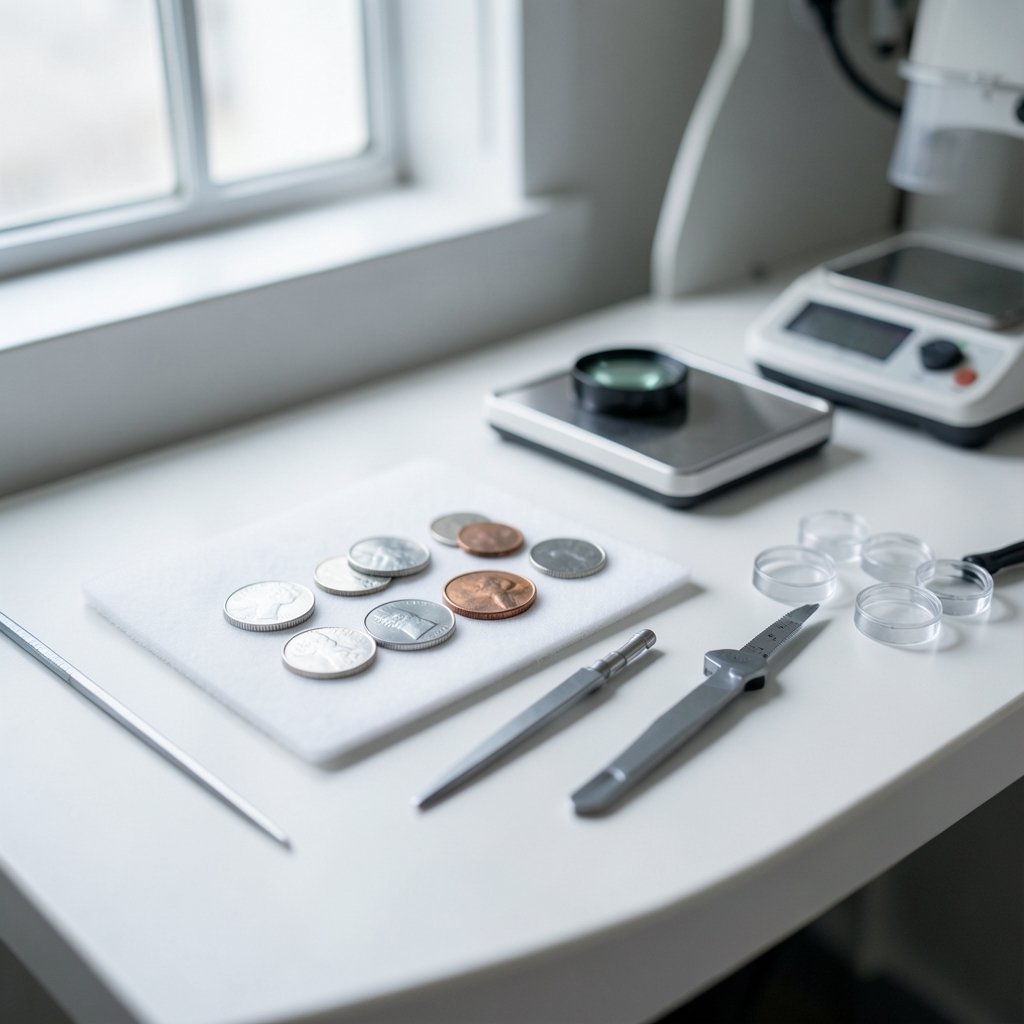
- Identify the date and mintmark with a loupe.
- Confirm whether it is silver by checking the edge.
- Grade it honestly against a reference image.
- Look up recent sold prices for that exact date, mintmark, and grade.
- Decide whether grading fees make sense for the coin’s value.
- Get at least two offers if the coin is worth more than a few hundred dollars.
Most dimes will fail at step one or two, and that is fine. The ones that pass are the ones worth the effort.
Conclusion
Dimes worth money are not mysterious. They are silver coins with a melt floor, key dates with genuinely low mintages, and errors or varieties that a careful eye can spot. The 1916-D Mercury dime, the 1942/1 overdate, the 1996-W, and any pre-1965 silver piece all earn a second look, while the vast majority of dimes in circulation earn exactly ten cents.
The habit that pays off is simple: check the date, check the edge, check the mintmark, and check a dated price guide before believing anyone’s number. Do that consistently and you will never spend a valuable dime on a cup of coffee again.
Frequently Asked Questions
Are all pre-1965 dimes worth more than face value?
Every dime dated 1964 or earlier contains 90 percent silver, so it is worth at least its melt value, which is well above ten cents at almost any recent silver price. Collector premium is a separate question. A worn common date is worth melt; a sharp key date is worth much more.
What is the single most valuable U.S. dime?
The 1916-D Mercury dime is the most famous key date, with a mintage of only 264,000. Other dimes can sell for more in top grades, but the 1916-D is the one collectors most often name, and even low-grade examples carry strong premiums.
How can I tell if a dime is silver without a scale?
Look at the edge. Silver dimes have a solid white rim, while copper-nickel clad dimes show a thin copper stripe sandwiched between layers. The date is the backup check: 1964 and earlier means silver.
Is the 1982 no-mintmark Roosevelt dime actually rare?
It is reported in hobby literature as a Philadelphia issue missing its mintmark, but reporting on it is inconsistent and not every reference lists it. Confirm any example against a current catalog and a reputable grader before paying a premium.
Does cleaning a dime hurt its value?
Yes, often severely. Cleaning removes original surface and luster, and graders treat a cleaned coin as impaired. A cleaned key date can lose a large share of its value compared with an untouched example in the same grade.
Should I get a valuable dime professionally graded?
Only when the coin’s likely value clearly exceeds the grading fee and the buyer will pay more for a certified piece. For common silver dimes or low-value varieties, grading usually costs more than it adds.