
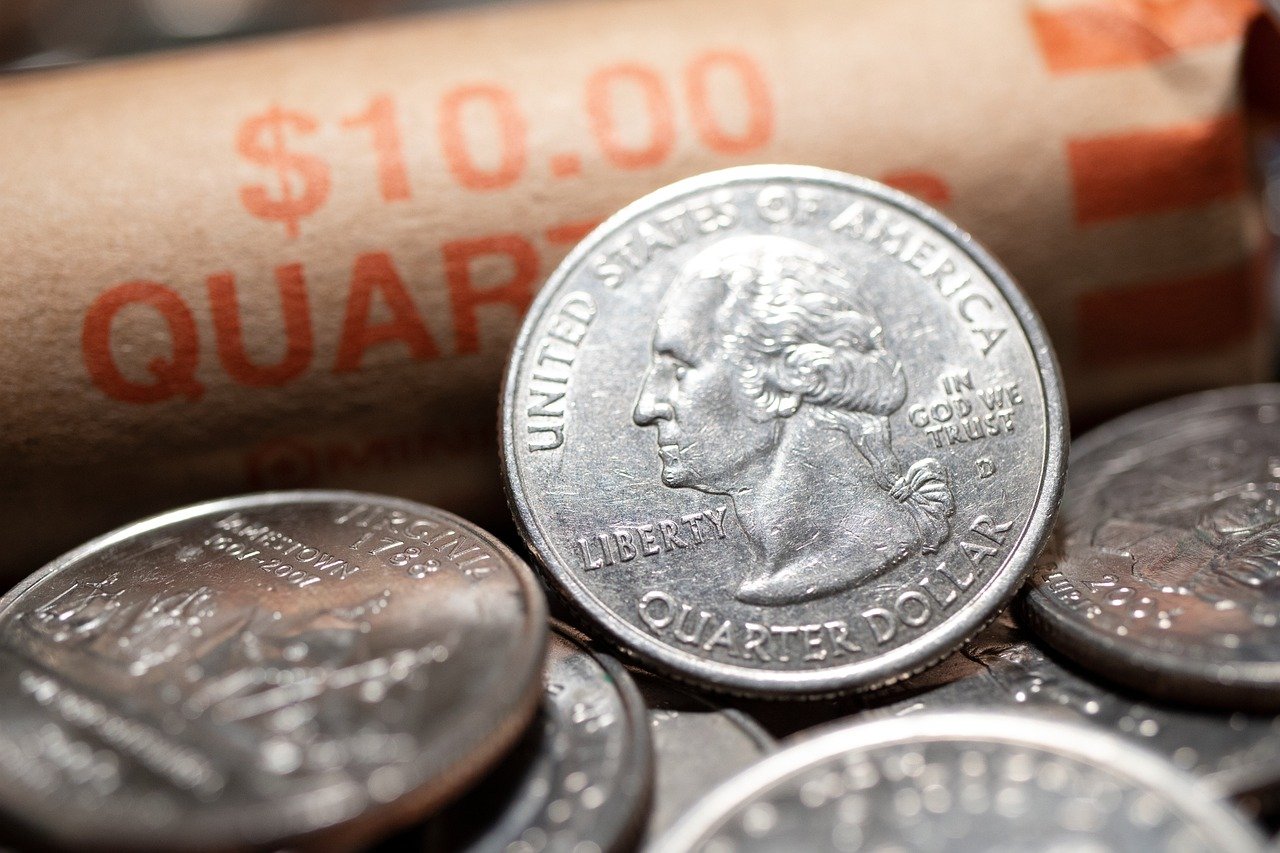
Ever flipped a quarter into a jar and wondered if you just gave away a small fortune? Most people have. The truth is that almost every quarter in circulation is worth exactly 25 cents, no matter how old it looks. But a small number of specific dates, mintmarks, and error varieties can be worth hundreds or even thousands of dollars. The trick is knowing which ones to look for, and why.
This guide breaks down the quarters that actually carry a premium, explains what drives that value, and covers the mistakes that cause people to either overlook a valuable coin or overpay for a common one.
The Basics: What Makes a Quarter Valuable?
Three things drive the value of any quarter: rarity, condition, and composition. A coin that is rare because few were minted will command a premium even in worn condition. A common coin in flawless uncirculated condition can still be worth far more than face value. And any quarter minted before 1965 carries silver value on top of its collector value. (Quarter (United States coin)))
Condition is graded on a 1-to-70 scale, and the difference between two grades can mean hundreds of dollars. Professional grading services handle this, and the PCGS grading standards page explains the 1–70 scale in detail. For a beginner, the practical lesson is simple: a heavily worn rare coin is usually worth less than a pristine common one. (Coin Grading Scale)
Silver Quarters: The 1964 and Earlier Rule
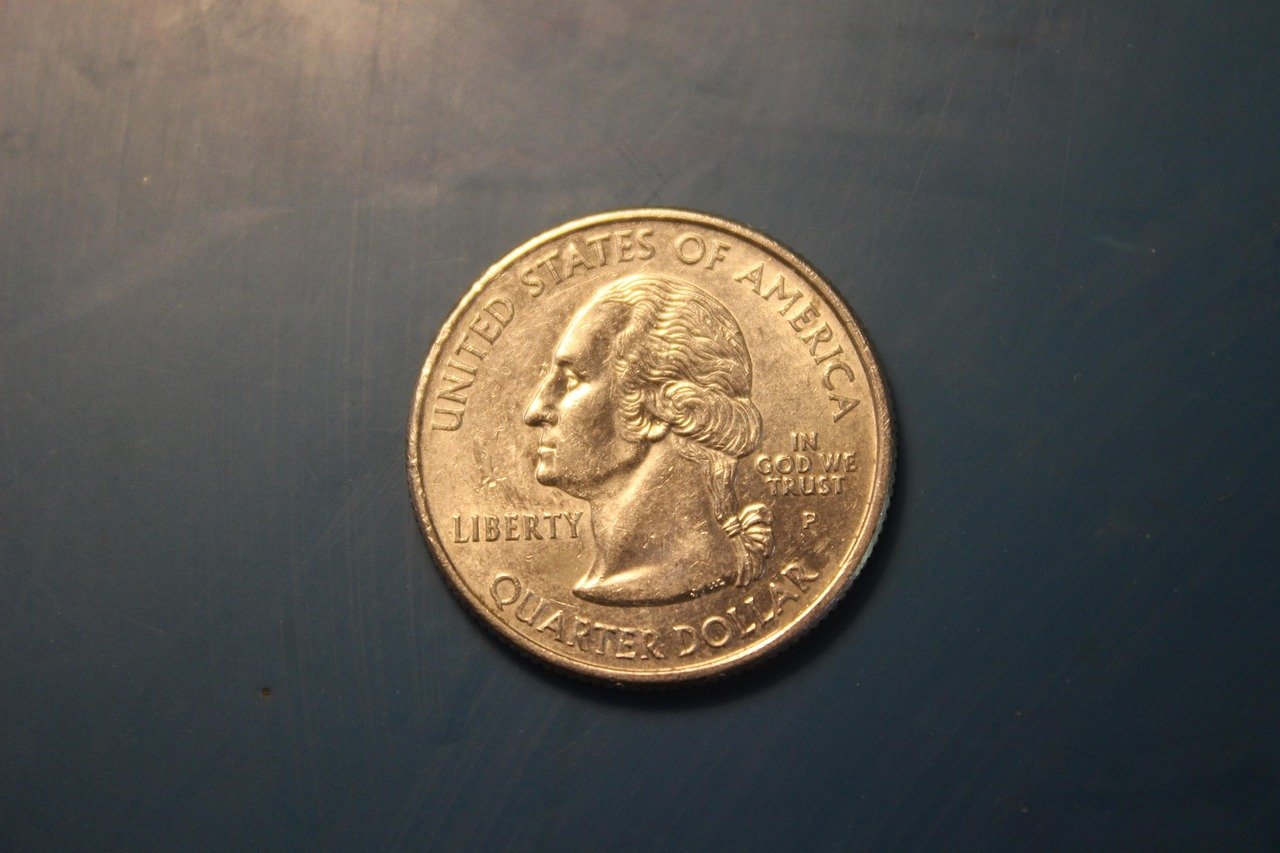
The single most useful fact for anyone sorting quarters is this: quarters dated 1964 and earlier are 90% silver. The Coinage Act of 1965 removed silver from circulating dimes and quarters, which is why the cutoff sits where it does. The Cornell Legal Information Institute hosts the full text of the statute governing US coin composition if you want the legal detail.
That means every pre-1965 Washington quarter has a floor value tied to the silver spot price. Even a badly worn 1964 quarter is worth several times face value purely for its metal content. This is the easiest category to spot and the one most people miss because they assume old coins are only valuable if they look perfect.
A quick sort by date is the fastest way to find silver. Anything from 1964 back goes in the silver pile. Anything from 1965 forward stays in the pocket change pile unless you spot something unusual.
The Key Dates: 1932-D and 1932-S
The Washington quarter debuted in 1932 to mark the 200th anniversary of George Washington’s birth. Two mintmarks from that first year dominate the series.
| Coin | Approximate Mintage | Why It Matters |
|---|---|---|
| 1932-D Washington quarter | About 436,800 | Key date of the series; scarce in all grades |
| 1932-S Washington quarter | About 408,000 | Second key date; slightly rarer by mintage |
These two coins are the headline answer to “which quarters are worth money.” Even well-worn examples trade for well above face value, and uncirculated pieces can reach four figures. The 1932-S had a slightly lower mintage, but market prices for the pair are close and can flip depending on grade and collector demand at any given moment.
A common mistake here is assuming any 1932 quarter is valuable. The Philadelphia mint struck over 5 million that year, so a 1932 quarter with no mintmark is a far more modest coin. The D and S mintmarks are what matter, and they sit on the reverse below the wreath.
The Clad Era: 1965 to 1974
Quarters from 1965 through 1974 are copper-nickel clad. They are generally worth face value unless they carry an error. This is where a lot of beginners get tripped up, because “old” feels like it should mean “valuable.” It does not.
The exception is error coins. A quarter struck off-center, on the wrong planchet, or with a doubled die can carry a real premium. These are uncommon but not mythical, and they turn up in pocket change often enough that it is worth a glance at any odd-looking coin.
If you are building a broader sense of which small purchases and collectibles actually pay off, a look at how to judge whether a Nintendo Switch 2 game is worth your time and money shows the same principle: rarity and demand matter more than age or hype.
The Bicentennial Quarter: Common but Not Worthless
The Bicentennial quarter, minted in 1975 and 1976, carries the dual date “1776–1976.” About 1.6 billion were struck, which makes them extremely common. The dual date is easy to spot, and that is exactly why so many people assume they have something rare.
They usually do not. A circulated Bicentennial quarter is worth 25 cents. But there is one variety worth knowing: the 1976-D “filled D” mintmark, where the mintmark fills in during striking. Collectors pay a premium for it, and identification requires close inspection with magnification. Variety attribution is a specialized skill, and the NGC coin grading and variety attribution page explains how services confirm these details.
The Missing Years: 1982 and 1983
Here is a quiet one that surprises people. The 1982 and 1983 Washington quarters had no circulating mintages. They were produced for proof sets only. That makes them genuinely scarce in pocket change, and a business-strike example that somehow escaped into circulation is a real find.
Most people will never see one. But if you are sorting a large hoard, checking those two dates costs nothing.
State Quarters: 34 Billion Coins and a Few Exceptions
The 50 State Quarters program ran from 1999 to 2008 and produced roughly 34 billion coins. Almost all are worth face value. Full stop.
The exceptions are error coins and a handful of low-mintage varieties. The best known is the 2004-D Wisconsin “extra leaf” variety, where an extra leaf appears on the corn stalk on the reverse. Two versions exist, and both carry a premium. These are die varieties rather than separate mintages, so identification requires a loupe and a reference guide.
A practical tip: do not bother saving every state quarter you find. Save the ones that look off. A doubled letter, a misplaced mintmark, or a design element that seems doubled is worth a second look.
The W Mintmark Quarters: 2019 and 2020
In 2019 and 2020, the Mint struck quarters at West Point with a “W” mintmark and released them into circulation in small numbers, roughly 2 million per design per year. Compared with the billions struck elsewhere, that is a genuinely scarce find.
These are the modern quarters most likely to turn up in change and actually be worth something. A circulated W quarter in decent condition can fetch a few dollars, and uncirculated examples go higher. Check the mintmark position on the obverse, just above the date.
Error Coins: Where Beginners Lose Money
Error coins are where enthusiasm outruns knowledge. A coin that looks strange is not automatically an error. Post-mint damage, plating bubbles, and simple wear fool people constantly.
Common mistakes to avoid:
- Assuming damage is an error. A gouge from a coin-counting machine is not a mint error.
- Skipping professional grading on a high-value piece. If a coin appears to be a key date or a major variety, get it authenticated before selling.
- Cleaning a coin. Cleaning strips the surface and destroys most of the numismatic value. Never polish a coin you suspect is valuable.
- Trusting online listings as price guides. Asking prices are not sold prices.
For a sense of how much a modest monthly outlay can compound when you spend it deliberately, this breakdown of YNAB versus Monarch Money on zero-based budgeting versus net worth tracking is a useful read. Coin collecting rewards the same discipline: a small, consistent budget beats impulse buying.
How to Check Your Quarters: A Practical Routine
A simple routine catches nearly everything worth catching.
- Sort by decade. Pull out everything dated 1964 or earlier for the silver pile.
- Check mintmarks on 1932. Look for D or S.
- Scan for 1982 and 1983. Set them aside immediately.
- Flip every 2019 and 2020 quarter. Look for the W.
- Inspect oddities. Off-center strikes, doubled letters, and filled mintmarks go in a “check later” cup.
- Do not clean anything. Store suspected valuables in a holder and leave them alone.
The whole process takes a few minutes per jar and costs nothing. It is also a decent way to teach kids that not everything old is valuable, which is a lesson that applies well beyond coins. The same logic shows up in whether a tablet is worth buying for everyday use: the spec sheet matters less than what you actually do with it.
What About the 2021 and Later Quarters?
The American Women quarters program, running from 2022 through 2025, produced circulating coins in large numbers. Standard examples are worth face value. The exception is the 2022 error coins and any low-mintage varieties that surface over time. New programs always generate early excitement and inflated asking prices, and it usually takes years for the real rarities to sort themselves out. (Xbox game pass cost 2025 real prices whether its worth)
If you find a design you like, keep one. Just do not expect it to fund a vacation.
Where Value Actually Comes From
Collectors pay for scarcity, condition, and story. A 1932-D quarter is valuable because 436,800 were minted and collectors want them. A W quarter is valuable because 2 million is tiny next to 34 billion. A silver quarter is valuable because the metal itself has a price.
Everything else is noise. The coins that look old but were struck in the billions are not rare, and the coins that look ordinary but carry a low mintage are. Learning to tell the difference is the entire skill.
Conclusion
The quarters that are worth money fall into a short, learnable list: the 1932-D and 1932-S key dates, any pre-1965 silver quarter, the 1982 and 1983 no-mintage years, the 2019 and 2020 W mintmarks, and a small set of error and variety coins such as the 1976-D filled D and the 2004-D Wisconsin extra leaf. Everything else, including the vast majority of Bicentennial and state quarters, is worth face value.
The practical takeaway is a five-minute habit. Sort by date, check the mintmarks, set aside the oddities, and never clean a coin you suspect is valuable. That routine costs nothing and catches nearly every quarter worth more than a quarter. Most people will never find a 1932-D in a jar, but the W quarters and the silver ones turn up more often than you would think. The people who find them are simply the ones who looked.
What is the most valuable quarter in circulation?
The 1932-D Washington quarter is the key date of the series, with a mintage of about 436,800. It is not realistically found in pocket change, but it is the coin most collectors name first. Among coins that can still surface in change, the 2019 and 2020 W mintmark quarters are the most valuable.
Are all quarters before 1965 silver?
Yes. Quarters dated 1964 and earlier are 90% silver. The Coinage Act of 1965 removed silver from circulating dimes and quarters, so 1965 and later quarters are copper-nickel clad. This makes the 1964 date the single most useful dividing line when sorting a jar of coins.
Is a 1776–1976 Bicentennial quarter worth anything?
Usually no. About 1.6 billion were struck, so a circulated example is worth 25 cents. The exception is the 1976-D “filled D” mintmark variety, which collectors pay a premium for. Identification requires close inspection with magnification.
Why are 1982 and 1983 quarters hard to find?
Those two years had no circulating mintages. The coins were produced for proof sets only, so a business-strike example in pocket change is genuinely scarce. Most collectors will never encounter one, but checking those dates costs nothing.
Should I clean a quarter I think is valuable?
No. Cleaning strips the coin’s surface and destroys most of its numismatic value. A cleaned key date can lose a large share of its worth. Store suspected valuables in a holder, handle them by the edges, and leave the surface alone.
How do I know if a quarter is an error coin?
Look for off-center strikes, doubled letters or design elements, wrong planchets, and filled mintmarks. Damage from machines and wear is not an error. If a coin appears to be a major variety, have it authenticated by a professional grading service before selling.



