
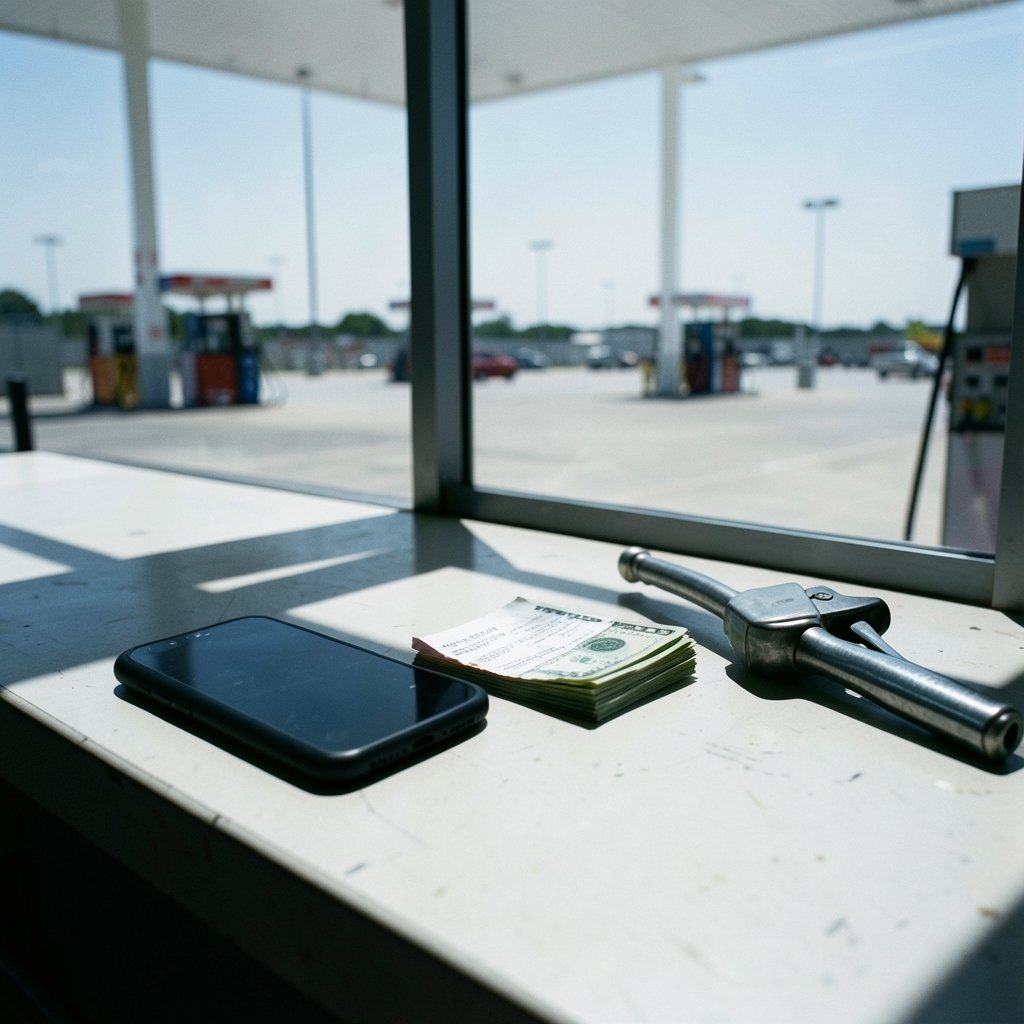
Quick Answer: How does upside make money?
Upside makes money mainly by taking a cut of the marketing money that retailers and gas stations pay to attract new customers. The company collects a promotional fee from a participating merchant, passes part of it back to the shopper as cash back, and keeps the difference as gross margin. A second stream comes from its business-travel arm, which earns from booking economics rather than large upfront fees. (Cbdc digital currency central bank money going digital)
That structure differs from coupon sites that rely on affiliate commissions, and from subscription apps that charge users directly. Upside’s consumer app is free, so the merchant side of the deal carries the weight. Before trusting any cash-back offer, check the payout rate, the minimum redemption threshold, the eligible locations, the expiration rules, and how the rewards are taxed.
The Simple Version: Someone Else Pays for Your Cash Back
Have you ever filled up at a gas station, opened an app, and watched a few dollars appear in your account for a purchase you were going to make anyway? It feels like free money. It is not. Somebody funded that reward, and knowing who makes the whole model click.
Upside is a US cash-back platform that pays people to shop at gas stations, grocery stores, and restaurants. The shopper gets cash back. The merchant gets new customers. Upside sits in the middle and keeps a slice of the money moving between the two. That is the business in one sentence.
The important thing to understand is that Upside is not a charity and not a coupon clipper. It is a marketing company. It sells the ability to reach price-sensitive shoppers who will change where they stop for fuel or lunch. The cash back is the bait that makes that audience show up.
Where the Money Comes From: Merchant-Funded Rewards
The core engine is merchant-funded cash back. A gas station, grocery chain, or restaurant agrees to pay a promotional fee when Upside sends it incremental customers. Upside passes a portion of that fee to the shopper and retains the rest.
This is the standard structure across the cash-back category. The general mechanism is well documented: a retailer pays a marketing or promotion fee, and the platform shares part of it with the consumer while keeping a spread. You can read a plain explanation of the retailer-funded cash-back mechanism to see how the economics work across the industry.
What makes Upside’s version distinctive is the focus on incremental traffic. A gas station does not want to pay for customers who would have stopped anyway. It wants to pay for the driver who was about to choose a competitor two exits down. Upside’s pitch is that it can measure and deliver that shift in behavior, which is why merchants are willing to fund rewards at all.
The spread between what the merchant pays and what the shopper receives is the company’s gross margin. If a merchant pays a promotional fee and the shopper gets part of it back, the remainder covers operations, engineering, support, and eventually profit. No public breakdown of that split exists, because Upside is privately held.
Why Merchants Agree to Pay
Retail margins on fuel are famously thin. A few cents per gallon can be the whole profit. So why hand money to a cash-back app?
Because a new customer is worth more than one fill-up. A driver who switches stations may come back for years. A restaurant gains a table it would not otherwise have served. Merchants treat the promotional fee as a customer-acquisition cost, the same way they treat a billboard or a radio ad. The difference is that this ad can be tied to an actual transaction.
That logic only holds if the traffic is genuinely new. If a merchant ends up paying for loyal customers who would have shown up regardless, the program becomes an expensive discount. This tension affects every merchant-funded rewards business, and it explains why these platforms invest heavily in measurement and targeting.
The Business-Travel Arm: A Second Revenue Stream
Upside also operates a corporate travel booking platform, launched around 2018. Businesses book flights, hotels, and ground transport through it, and the company earns from supplier and booking economics rather than from large upfront fees.
That model is common in corporate travel. Booking platforms earn a share of supplier economics, and some charge service fees for managed service. The broader business travel market is a useful background read if you want to understand how corporate bookings are structured and why suppliers pay for distribution.
The travel arm matters for the money question because it diversifies revenue away from consumer cash back. Consumer rewards depend on merchant budgets, which rise and fall with retail conditions. Corporate travel depends on business travel volume, which follows a different cycle. Two streams with different rhythms make a more resilient business, at least in theory.
What is not public is the mix. There is no verified breakdown showing what share of revenue comes from merchant fees versus travel versus anything else. Treat any specific percentage you see online with suspicion.
The Revenue Mix Nobody Can See Clearly
Here is where honesty matters. Upside is a privately held company. Its revenue and profitability are not in public filings, so any claim about “how it makes money” rests on company statements and press reporting rather than audited accounts.
That means a few things for anyone researching this topic:
- The general model is well understood and widely reported.
- The exact revenue split is not public and should not be stated as fact.
- Funding totals reported in the press vary by round and reporting date.
- The company’s current status may have changed since any given article was written.
If you want primary evidence on a private company’s fundraising, the place to look is regulatory filing databases, where companies file notices of exempt securities offerings. Those filings confirm that money was raised and roughly how much, but they do not reveal revenue or profit.
For readers thinking about the broader question of where money actually goes in security and fraud-adjacent industries, a look at where identity threat detection costs really go shows how opaque cost structures can be even in well-publicized markets. The same lesson applies here: public narratives about a business model are not the same as audited numbers.
How the Consumer Side Actually Works in Practice
The consumer experience is simple, which is exactly why it works. A shopper claims an offer in the app before paying, pays with a linked card, and the cash back lands in the account. Then it can be cashed out or used for gift cards.
A few practical details trip people up:
- Claim before you pay. Offers usually must be activated before the transaction. Pay first and the reward often does not track.
- Check eligible locations. A chain may participate at some stations and not others. The app shows which ones count.
- Watch the minimum. Cash-out thresholds mean small balances can sit idle for a while.
- Read the timing rules. Rewards may take time to post, and they may expire if unclaimed.
- Keep receipts. If a reward fails to track, a receipt is usually the fastest route to a fix.
The most common mistake is treating cash back as automatic. It is not. It is a small administrative task you perform in exchange for a discount. People who do it consistently get real value. People who forget to claim offers get nothing and wonder why the app “does not work.”
There is also a tax wrinkle worth flagging. Depending on how a reward is structured, it may be treated as a rebate or as income. Rules vary, and the company’s terms are the place to check how its rewards are characterized. This is not the kind of detail most users think about, but it matters at scale.
If you are interested in how small consumer incentives get abused, the way a gift card scam works and why victims rarely get their money back is a sobering companion read. Rewards and gift cards are both convenient value-transfer tools, and convenience attracts fraud.
What Upside Is Not: Common Misconceptions
A lot of confusion surrounds cash-back apps, so it helps to clear the air.
| Misconception | Reality |
|---|---|
| Upside pays rewards out of its own pocket | Merchants fund the rewards; Upside shares a portion and keeps a spread |
| It is a coupon or discount site | It is a marketing channel that pays for incremental customer traffic |
| Users pay a subscription | The consumer app is free; revenue comes from the merchant side and travel |
| Cash back is always automatic | Offers typically must be claimed before purchase |
| Revenue figures are public | The company is private; no verified public revenue breakdown exists |
Another misconception is that these apps are interchangeable with affiliate cash-back sites. Affiliate sites earn a commission when a user clicks through to a retailer and buys. Upside’s in-store model depends on matching a card transaction to a claimed offer at a specific location. Different plumbing, different economics. (Affiliate marketing)
The competitive set reflects that split. Consumer cash-back and loyalty apps compete for the same shopper attention, while corporate travel platforms compete for the same business bookings. Upside plays in both arenas, which is unusual and part of what makes its revenue question interesting.
The Economics That Make or Break the Model
Three variables decide whether a merchant-funded cash-back business thrives.
Incrementality. If the traffic is genuinely new, merchants keep paying. If it is mostly loyal customers, merchants eventually notice and cut budgets. Everything depends on targeting accuracy.
Redemption rates. Not every claimed offer gets redeemed. Unredeemed rewards are cheaper for the platform, but too much friction drives users away. There is a balance between generosity and breakage.
Operating cost per transaction. Matching card transactions to offers at scale is expensive engineering. The spread has to cover it. Thin margins plus heavy infrastructure is a hard combination, which is why scale matters so much in this category.
None of these variables is publicly disclosed for Upside. But they explain why the company talks about incremental customers rather than about discounts. The whole model rests on the merchant believing the traffic is new.
For readers curious about how AI-driven businesses structure their revenue, a breakdown of how AI companies make money offers a useful contrast: software margins behave very differently from transaction-based spreads. And if you are thinking about building automation into a small business, a guide to using AI business automation without wasting money covers the practical side of spending wisely on tools.
Conclusion
Upside makes money the way a matchmaker does: by connecting two parties who benefit from meeting and charging for the introduction. Merchants pay for incremental customers. Shoppers get a share of that payment as cash back. Upside keeps the difference and covers its costs with the spread. A second stream from corporate travel adds diversification, though the exact mix remains private.
The honest answer to “how does Upside make money” is that the mechanism is clear and the numbers are not. Anyone who quotes a precise revenue split is guessing. What you can evaluate is the structure: merchant-funded rewards, a free consumer app, and a travel business that earns from booking economics. That structure is coherent, and it explains why the app can afford to pay you for a purchase you were already going to make.
FAQ
Is Upside free for shoppers?
Yes. The consumer app does not charge a subscription. The company earns from merchant promotional fees and from its business-travel operations, which is why shoppers can receive cash back without paying anything upfront. The trade-off is your attention and the small effort of claiming offers before you pay.
How does Upside get paid by gas stations and stores?
Merchants pay a promotional fee for incremental customer traffic. Upside shares part of that fee with the shopper and retains the remainder as gross margin. The merchant treats the fee as a customer-acquisition cost, similar to advertising, but tied to actual transactions at specific locations.
Is Upside profitable?
That cannot be confirmed from public information. Upside is a privately held company, so its revenue and profitability are not disclosed in public filings. Any claim about profitability should be treated as unverified unless it comes from the company itself or from audited financial statements.
What is the difference between Upside and a coupon app?
A coupon app usually offers a discount the merchant publishes anyway. Upside operates as a marketing channel: the merchant pays to reach shoppers who might otherwise go elsewhere, and the reward is funded from that payment. It also requires claiming offers before purchase rather than clipping a code.
Does cash back from Upside count as taxable income?
It depends on how the reward is structured, and rules vary by jurisdiction. Some rewards are treated as rebates that reduce the effective purchase price, while others may be treated as income. Check the company’s terms and, for your own situation, consult a qualified tax professional.
Why do some Upside offers fail to track?
Most failures come from paying before claiming the offer, using a card that is not linked to the account, or visiting a location that is not participating. Keeping the receipt and contacting support is usually the fastest fix. Reading the offer’s terms before checkout prevents most of these problems.



